


 Add ₱777.60 to get Free Gift



Your body has been running quiet experiments on you every single time you orgasm. You just didn't have the lab report.
The Weird, Wonderful Biology Behind Pleasure and Immunity

Most conversations about masturbation stop at "it feels good" or "it relieves stress." Both are true. But the story goes a lot deeper than that, all the way into your bloodstream.
Here's the short version: when you orgasm, your body doesn't just feel good. It responds. Hormones shift, nerves fire, and your immune system actually changes its behavior in measurable ways. The research is still young, but what we already know is genuinely surprising.
Scientists started paying serious attention to this connection in the early 2000s. A landmark 2004 study published in the journal Neuroimmunomodulation by Philip Haake and colleagues looked at 11 healthy male volunteers and measured specific immune markers before, during, and after masturbation to orgasm. What they found wasn't nothing. Natural killer cells (technically labeled CD3-CD16+CD56+) increased significantly after orgasm, along with a broader rise in leukocytes, the frontline soldiers of your immune response. Think of natural killer cells as the body's rapid-response squad. They seek out infected or abnormal cells and take them out. A surge in their numbers right after orgasm is not a coincidence. It suggests the body treats sexual arousal as a signal worth responding to.
That said, the study involved only 11 people. Men only. Short observation window. Science works by replication, and this area hasn't been replicated nearly enough.
The Cortisol-Oxytocin Equation

Stress is one of the biggest enemies of your immune system. Chronic high cortisol suppresses immune function, disrupts sleep, and leaves your body less equipped to fight off anything from a common cold to inflammation.
Orgasms reliably trigger the release of oxytocin.
Oxytocin, sometimes called the "bonding hormone," doesn't just make you feel warm and fuzzy. Research has shown it actively works to bring cortisol levels down. Lower cortisol, over time, creates space for healthier immune regulation. This is where the connection between masturbation and self-esteem also starts making biological sense. Solo pleasure isn't just emotional maintenance. It's biochemical maintenance.
The endocannabinoid system adds another layer. A separate study published in The Journal of Sexual Medicine found that masturbation to orgasm stimulates the release of 2-arachidonoylglycerol (2-AG), an endocannabinoid that plays a role in both mood regulation and inflammation control. Less chronic inflammation means a calmer, more efficient immune environment. Your body essentially has its own built-in anti-inflammatory mechanism, and orgasm is one of the switches.
What the Research Still Can't Tell Us
Honesty check: the science here is promising, not conclusive.
Most studies in this area are small, short-term, and heavily skewed toward male participants. We don't have large-scale, gender-diverse, long-term data on exactly how regular solo pleasure affects long-term immune resilience. The mechanisms are plausible. The early signals are interesting. But anyone telling you masturbation is a proven immune booster is slightly ahead of the evidence.
What we can say with confidence is this: the downstream effects of regular orgasm (reduced stress hormones, better sleep, lower baseline anxiety) are all independently associated with healthier immune function. So even if the direct link isn't fully mapped yet, the indirect pathway is well-supported. Think of it less like a vaccine and more like good sleep hygiene. It probably isn't the only thing keeping you well. But it's not hurting either.
Solo Pleasure as Self-Care, Not Pseudoscience
There's a tendency in wellness culture to either over-claim ("orgasms cure everything!") or dismiss ("that's not real medicine"). Both miss the point.
Your body doesn't operate in isolated compartments. Sexual health and immune health share biological infrastructure. The autonomic nervous system, the endocrine system, the lymphatic system. They all talk to each other constantly. When you do something that meaningfully engages one, the others notice. That's not woo. That's physiology.
So if you've been treating vibrators for women or solo time as a guilty pleasure or a frivolous indulgence, consider reframing that. Your pleasure is not separate from your health. It's part of it.
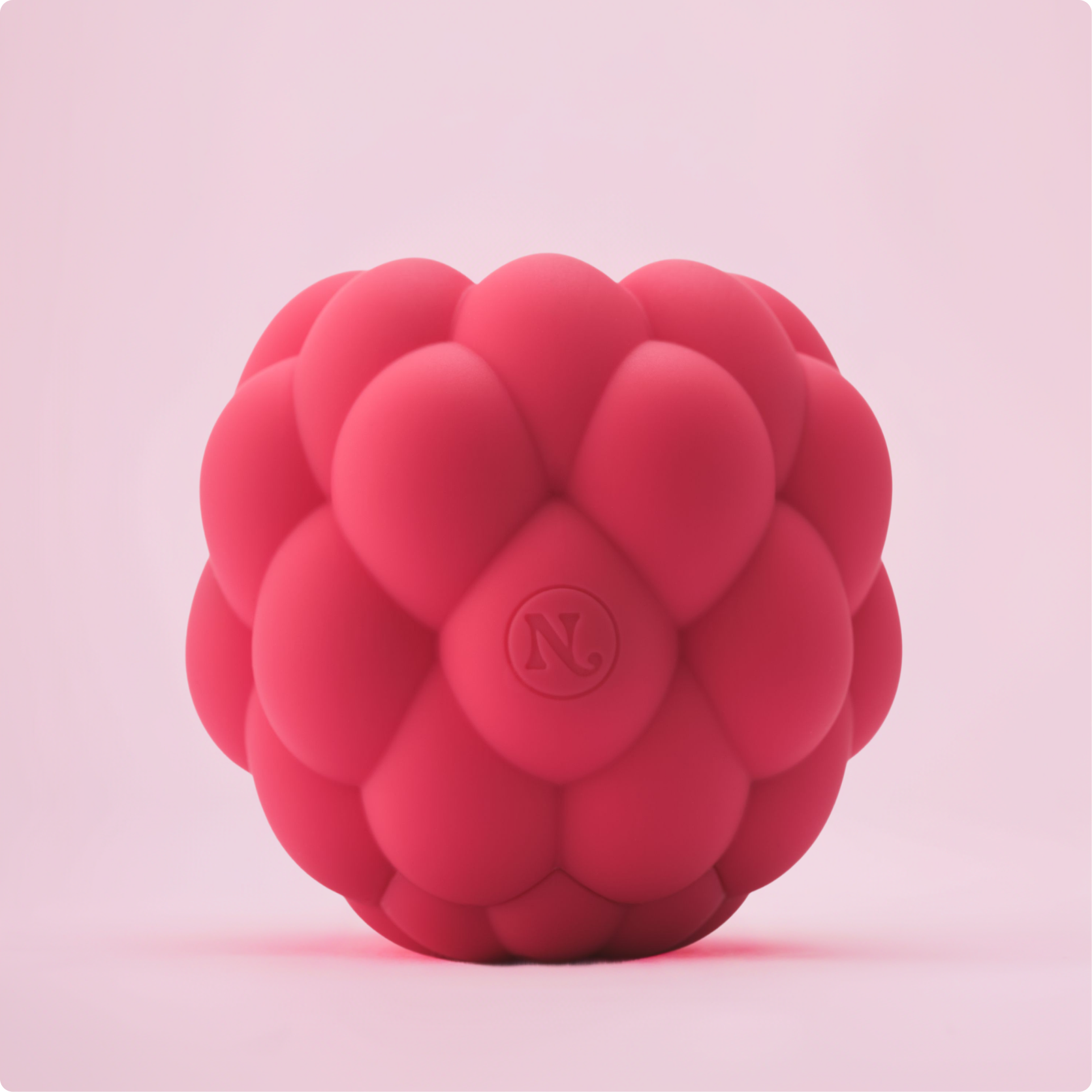
And if you want a tool that makes the experience consistently satisfying, the Berri tapping clitoral massager is worth knowing about. It uses rhythmic tapping (not just vibration) to build sensation gradually, which many people find leads to more reliably satisfying orgasms. More consistent orgasms, more consistent biochemical benefits.
The science doesn't require you to justify your pleasure. But if it helps you give yourself permission? Use it freely.
Frequency: Does It Actually Matter?
The Haake 2004 study wasn't designed to test frequency. It was a snapshot. But the question comes up constantly: how often do you need to masturbate to see any immune benefit?
The honest answer is nobody knows yet. What we do know is that the cortisol-lowering and oxytocin-releasing effects are fairly consistent per session, not cumulative in a linear way. More isn't necessarily more. What probably matters more is regularity as part of a broader stress-management routine, not hitting a specific weekly number.
If you're already exploring clitoral vibrators to make solo sessions more satisfying and repeatable, you're already on the right track.
The Sleep Connection You Didn't See Coming
Here's something that almost never gets mentioned in these conversations: the immune system does a significant chunk of its repair work during deep sleep.
Orgasm reliably promotes the release of prolactin, a hormone directly linked to feelings of sleepiness and satisfaction post-climax. Better post-orgasm sleep quality means your immune system gets more runway to do its job overnight. Cytokines, the proteins your immune system uses to coordinate its response, are released primarily during sleep. So the chain looks like this: orgasm leads to better sleep, which leads to better cytokine activity, which leads to a more responsive immune system.
That's a genuinely elegant loop.
Gender, Bodies, and Gaps in the Research
Most of the studies we've referenced involved male participants, which is a real limitation. Immune function varies across hormonal cycles, and bodies with cycles experience dramatically different hormonal environments week to week. The research on how orgasm affects immune markers in people who menstruate is almost nonexistent at this point.
This isn't a reason to dismiss the broader findings. It's a reason to demand better research. Your body deserves to be studied, not just assumed to mirror someone else's biology. Until we have more data, applying the stress-reduction logic still makes sense across all bodies. Cortisol suppresses immunity regardless of your hormonal profile.
For those navigating hormonal shifts, understanding how your anatomy connects to pleasure is genuinely useful context. Knowledge about your own body is always the best starting point.
Bottom Line
Science doesn't hand you a clean verdict here, and that's okay.
What it does offer is a coherent picture: orgasm triggers a cascade of hormonal and immune activity that, in the short term, appears beneficial. Natural killer cells rise. Cortisol falls. Endocannabinoids circulate. Sleep improves. All of these individually support immune health. Together, they build a reasonable case that regular solo pleasure is a legitimate part of a well-rounded self-care practice, not a frivolous add-on to it. Your solo or couples toys aren't just bedroom accessories. They're part of the toolkit.
Want to make your journey even more exciting? I've handpicked some amazing toys and goodies at Hello Nancy that'll add extra sparkle to your intimate moments. (Here's a little secret. Use 'dirtytalk' for 10% off!)
Frequently Asked Questions
Does masturbation actually boost your immune system?
The evidence is promising but not conclusive. A 2004 study in Neuroimmunomodulation found that orgasm increased natural killer cells and overall leukocyte counts in male participants. However, the sample sizes are small, and research on diverse bodies is still very limited.
How does orgasm affect cortisol levels?
Orgasm triggers the release of oxytocin, which actively works to reduce cortisol. Since chronic high cortisol suppresses immune function, this indirect pathway is one of the most biologically plausible reasons why regular sexual release may support overall health.
What are natural killer cells and why does masturbation increase them?
Natural killer cells are a type of white blood cell that targets infected or abnormal cells. The Haake 2004 study observed a measurable rise in natural killer cells after orgasm, suggesting the body's autonomic nervous system activation during sexual arousal may mobilize immune resources.
How often do you need to masturbate to get immune benefits?
No study has established a specific optimal frequency. The hormonal effects (oxytocin release, cortisol reduction) appear to happen per session, not in a cumulative linear way. Regularity as part of a broader stress-management routine likely matters more than hitting a specific number per week.
Is the masturbation and immune system research reliable?
The existing studies are early-stage, small, and mostly conducted on male participants. The findings are biologically plausible and internally consistent, but they haven't been replicated at scale. Treat the current research as a strong lead, not a final verdict.
Does masturbation help with sleep, and does better sleep boost immunity?
Yes to both. Orgasm promotes prolactin release, which supports post-climax sleepiness and improved sleep quality. Deep sleep is when your immune system releases cytokines, the proteins it uses to coordinate immune responses. Better sleep directly supports a more effective immune system.
Are there immune benefits of masturbation for people who menstruate?
The specific research on this is almost nonexistent right now. Most studies used male participants. That said, the cortisol-lowering and sleep-improving effects of orgasm apply across all bodies, so the indirect immune benefits are still reasonable to expect while we wait for better data.
Can masturbation reduce inflammation?
Possibly. Research has found that orgasm stimulates the release of the endocannabinoid 2-AG, which plays a role in regulating inflammation. Lower chronic inflammation supports a more calibrated immune response. The evidence is early, but the biological mechanism is credible.


