


 Add RM50.40 MYR to get Free Gift


Most people have been getting this completely wrong for years.
Female ejaculation, the thing everyone whispers about and very few actually understand, is real, it's achievable, and once you learn the anatomy behind it, the whole mystery evaporates. What's left is just really good sex.
What Actually Is Squirting? The Science Without the Shame

Research published in the Journal of Sexual Medicine confirms that squirting fluid originates primarily from the bladder and, in true female ejaculation, also includes secretions from the Skene's glands (sometimes called the female prostate). These two glands sit on either side of the urethra and produce a small amount of milky-white fluid distinct from squirting. So yes. Both phenomena are real, both are physiological, and neither one makes you "weird."
Science Norway reported that roughly one in two women has experienced squirting orgasms at least once. That's not a rare superpower. That's a normal body doing a normal thing when the conditions are right.
The conditions, though. That's where most people fall short.
Start Here: The Anatomy You Actually Need to Know

The G-spot isn't a mythical button buried somewhere impossible to reach. It's a spongy, slightly ridged area of erectile tissue located about two to three inches inside the vaginal canal, on the anterior (front) wall. When a person with a vulva becomes aroused, this tissue engorges with blood, just like a penis does. That engorgement is what makes it findable and responsive.
Arousal is not optional here. It's the prerequisite.
Without sufficient arousal, the G-spot stays flat and relatively insensitive. With full arousal, that same tissue becomes a pressure-sensitive zone that, when stimulated consistently in the right way, can trigger the urge to ejaculate. Think of arousal as booting up the operating system before you try to run the application. Skip it, and nothing loads.
The Warm-Up: Why Foreplay Is Actually the Main Event
Here's the thing most guides skip straight past. The warm-up is not a courtesy. It's the mechanism.
Spend real time on external stimulation before any internal touch happens. Use your hands, your mouth, or a quality clitoral vibrator to bring your partner to the edge of orgasm at least once before you introduce G-spot play. When the clitoris is already buzzing, the entire internal erogenous zone wakes up with it. The urethral sponge (the tissue surrounding the G-spot) fills with fluid. The body is essentially primed and ready.
This isn't just nice-to-have foreplay. It's functional preparation.
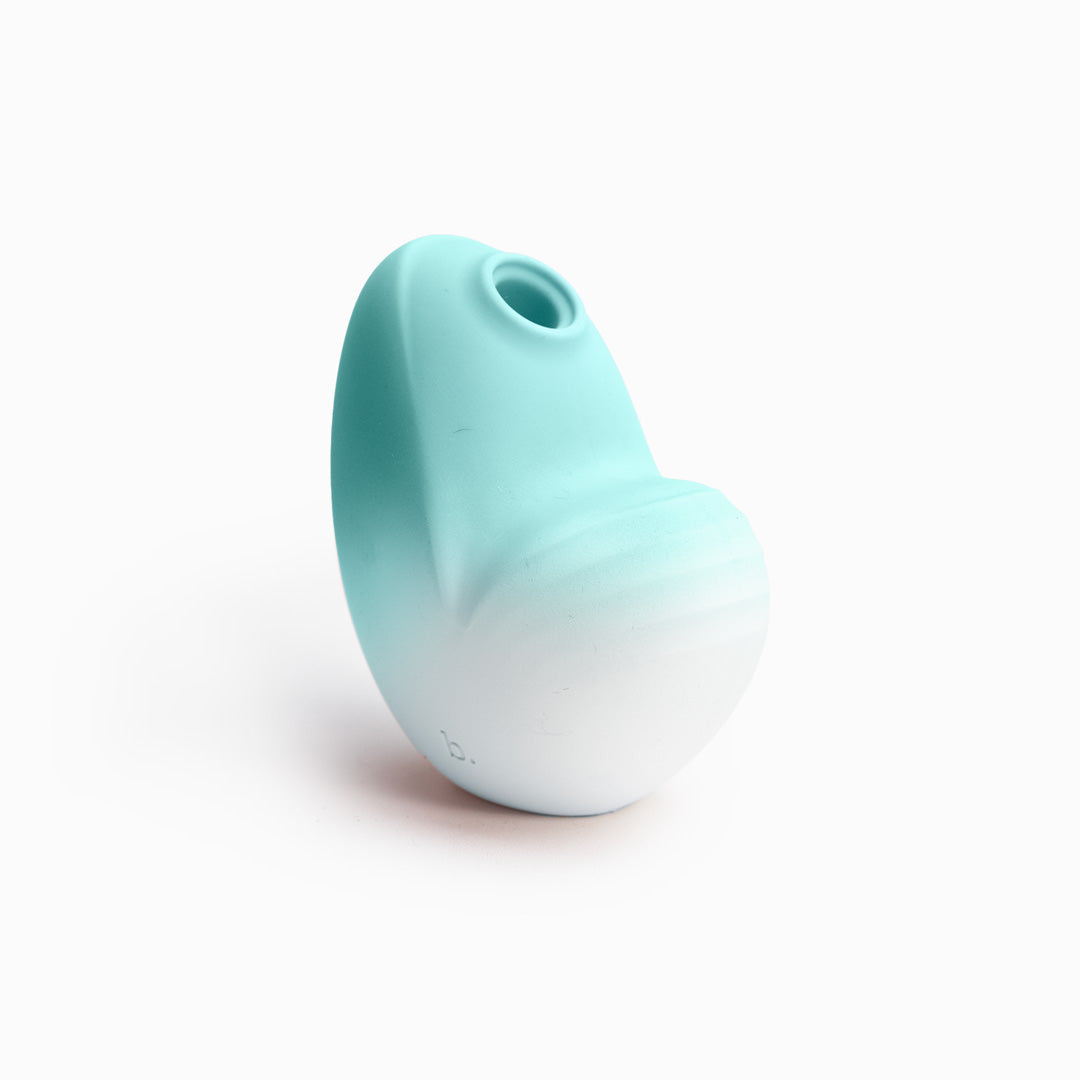
If you're exploring this solo, start with something like the Namii 2, which pairs clitoral suction with internal vibration. The dual stimulation recreates that exact combination of external and internal pressure that makes the whole chain reaction more likely to happen. Many people find this approach significantly easier than manual technique alone, especially when first learning what their body responds to.
The Technique: What to Actually Do With Your Hands
Insert one or two fingers, palm facing up. Curl them gently toward the belly button with a "come hither" motion. You're looking for a texture change, slightly rougher than the surrounding tissue, and a spot that makes your partner inhale sharply. That's it. You found it.
Now here's where people go wrong: they get too fast, too hard, too soon. G-spot stimulation works best with steady, rhythmic pressure rather than frantic thrusting. Think of it like pressing a doorbell repeatedly at a consistent tempo, not hammering a nail. Apply firm upward pressure and maintain it. Let your partner's sounds and body language guide the intensity.
Simultaneous clitoral stimulation dramatically increases the likelihood of ejaculation. Use your thumb, or bring in a small mini bullet vibrator to handle the external work while your fingers focus internally. Combining both inputs creates what researchers describe as a blended orgasm pathway, and it's this combination that most reliably triggers the ejaculatory response.
As the sensation builds, your partner may feel a strong urge to pee. This is normal. This is expected. This is the sensation that most people reflexively clench against, which is exactly what stops squirting from happening. Encourage them to relax and lean into the pressure rather than pulling away from it. That release of tension is what allows ejaculation to occur.
Sex Positions That Actually Help
Position matters more than most people realise. Any position that allows consistent anterior wall pressure wins. Doggy style with a pillow under the hips works brilliantly because gravity assists the angle. Missionary with the receiving partner's hips elevated (try a rolled blanket or a wedge pillow) creates direct pressure on the G-spot with every thrust. And cowgirl, where the person on top can tilt their pelvis forward, is beloved for good reason. It puts the receiver in direct control of the angle.
Using a curved G-spot vibrator during penetration or solo play removes the guesswork entirely. The Gii Glow's angled tip targets exactly that anterior wall zone without you needing to perform anatomical gymnastics.
Common Mistakes That Kill the Mood (and the Squirt)
Rushing is number one. Skipping arousal is number two. Expecting it to happen the first time is a close third.
Female ejaculation is a learned response for many people. The first few attempts often produce nothing, or a small amount of fluid, and that's completely fine. Pressure to perform is the single biggest obstacle. If your partner feels like they're being "tested," the nervous system tightens up. Orgasm and ejaculation require the parasympathetic nervous system to be active, which is the rest-and-digest state, not the fight-or-flight state. Stress, performance anxiety, and over-thinking are physiologically incompatible with squirting.
That's not a soft wellness point. That's basic neuroscience.
So create safety. Make it playful. Laugh when things feel awkward. The most consistently satisfying intimate experiences happen when neither partner is performing for a result, but genuinely playing together.
What to Do After
Aftercare is real and it matters. Squirting can feel physically and emotionally intense for the person experiencing it. Some people cry. Some people laugh uncontrollably. Some feel flooded with warmth. All of that is a normal neurological response to a full-body release.
Drink water. Cuddle. Talk about what felt good.
And yes, put a towel down beforehand. Not because squirting is messy or bad, but because dry sheets are a reasonable life goal.
A Note on Pressure and Expectations
Not every body squirts every time. Not every body squirts at all, and that's genuinely okay. Pleasure is not a performance metric. If you've been reading this as a checklist to "make her" do something, gently reframe that. Squirting is something a person experiences, not something that gets done to them.
The goal is always connection and pleasure. Everything else is a bonus.
If you want to explore what vibrators for women can do for G-spot discovery, start with something specifically curved and body-safe. The anatomy is consistent; the right tool just makes the exploration a lot more intuitive.
Wrapping Up
Female ejaculation isn't magic, isn't rare, and isn't reserved for people with a specific body type or partner skill set. It's anatomy plus arousal plus relaxation plus the right technique applied consistently. That's a learnable combination. The body already knows how to do this. Your job is just to give it the conditions it needs.
You deserve to feel this. So does your partner.
Want to make your journey even more exciting? I've handpicked some amazing toys and goodies at Hello Nancy that'll add extra sparkle to your intimate moments. (Here's a little secret — use 'dirtytalk' for 10% off!)
Frequently Asked Questions
Is squirting the same as female ejaculation?
Not exactly. Research suggests squirting involves a larger release of fluid that originates partly from the bladder. True female ejaculation is a smaller, distinct fluid produced by the Skene's glands near the urethra. Both are real physiological responses, and many people experience a combination of both simultaneously.
Why do I feel like I need to pee right before squirting?
That sensation is completely normal and is one of the most reliable signs that squirting is imminent. The G-spot sits very close to the bladder and urethra, so intense stimulation in that area activates the same nerve pathways. The key is relaxing into the feeling rather than clenching to stop it.
Can everyone with a vulva learn to squirt?
Most people with the relevant anatomy have the physiological capacity for it. Whether it happens depends on factors like arousal levels, relaxation, stimulation technique, and comfort with the sensations involved. Some people squirt easily; others may never experience it, and both are entirely normal outcomes.
How long does it usually take to squirt for the first time?
There's no universal timeline. Some people experience it on their first intentional attempt; for others it takes many sessions of exploration. The most important factor is removing performance pressure entirely. When the nervous system is relaxed and arousal is high, it's far more likely to happen naturally.
What is the best sex toy to help with squirting?
A curved G-spot vibrator is generally the most effective tool because it maintains consistent anterior wall pressure without fatigue. Toys that combine internal stimulation with external clitoral stimulation, like a suction-and-vibration dual toy, are particularly effective for triggering the ejaculatory response.
Does squirting mean you had an orgasm?
Not necessarily. Squirting and orgasm are related but separate physiological events. Many people experience them together, but squirting can occur without a classic orgasm, and orgasm can absolutely happen without any ejaculation. Neither is a prerequisite for the other.
How do I find the G-spot easily?
Insert one or two fingers palm-up and curl them toward the belly button about two to three inches in. You're looking for a slightly textured, spongy patch of tissue on the front wall of the vagina. It's much easier to locate when the person is fully aroused, because the tissue swells and becomes noticeably more pronounced.
Is squirting fluid the same as urine?
Research shows it contains some components found in urine because it passes through the bladder, but it also contains PSA (prostate-specific antigen) and other compounds from the Skene's glands, making it chemically distinct. It is not purely urine, though the bladder is involved in the process.


