Add RM50.04 MYR to get Free Gift



Your heart is doing that thing again. The one where your best friend says something completely ordinary and you think: oh no. Yeah. That thing.
Falling for your best friend might be the most universal plot twist nobody warned you about. It sneaks up on you slowly, then all at once. And now you're sitting here wondering whether to say something, stay silent, or move to a different continent. Let's figure this out together.
Why This Happens More Than You Think

Here's something that'll make you feel less alone immediately. A landmark study published in Social Psychological and Personality Science by Stinson, Cameron, and Hoplock (2022) found that roughly two-thirds of romantic relationships actually began as friendships. Two thirds. And for 70% of those people, the romantic feelings weren't there from day one. They grew. Quietly. Without permission.
So no, you didn't do something weird. Your nervous system did exactly what it was designed to do: it bonded with someone safe, caring, and familiar. Then it upgraded the software.
The psychology here is genuinely fascinating. Proximity breeds familiarity, and familiarity breeds affection. You already know their laugh, their flaws, their 2am spiraling texts. That's not the starting line for romance. That's already halfway down the road.
Pretty disorienting, right?
The Part Where You Sit with the Feeling First

Before you do anything, you need to actually know what you're feeling. Not just the racing heart stuff. The real, underneath stuff.
Ask yourself this honestly: do you want a relationship with this person, or do you want the idea of one? Sometimes loneliness or a dry romantic spell will convince you that the closest warm body is actually your soulmate. This isn't always true. Sit with the feeling for a few weeks before acting. Notice whether it intensifies or fades when life gets busy.
Also notice whether your feelings are rooted in who they actually are. Not an idealized version. Not the version you've constructed to fill a gap. The real, slightly-annoying, beautiful person in front of you.
This matters.
The Risk Calculation Nobody Talks About Honestly
Let's stop pretending there isn't a real risk here.
Telling your best friend you're in love with them is one of the bravest and potentially most destabilizing things you can do. The friendship you've built, the inside jokes, the 3am calls, the wordless understanding. All of it sits on the table when you say those words. That's not a reason to stay quiet forever, but it is a reason to go in clear-eyed rather than impulsive.
The question isn't "will this ruin the friendship." The better question is: "can I stay in this friendship long-term with these feelings unexpressed?" Because holding something that big, silently, has its own cost. It changes how you show up. It quietly resents the people they date. It creates a version of the friendship that's built on an omission.
Neither option is risk-free. Saying something risks the friendship. Staying silent risks you.
How to Actually Have the Conversation
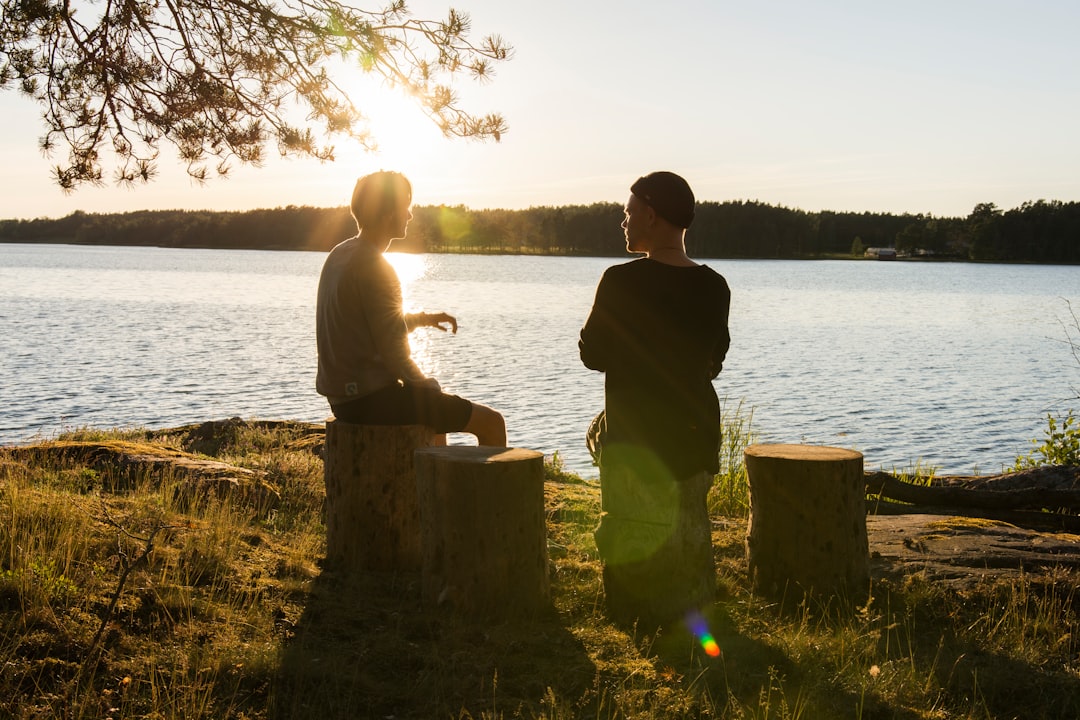
If you decide to say something, the delivery matters enormously.
This isn't a movie scene where you drop a grand declaration and then someone kisses someone in the rain. Real conversations are messier, kinder, and way more human than that. What works is leading with care rather than pressure. Something like: "I need to tell you something because I value our friendship too much to be weird about it. I've developed feelings for you. You don't have to respond right now, and whatever you say, I'm not going anywhere." That framing. Low pressure. High honesty.
Give them actual space to process. Their first reaction is not necessarily their real one. Shock is not rejection. Quiet is not rejection. Let them breathe.
What you're also doing, crucially, is showing up emotionally available. That's genuinely rare. And people feel it.
What to Do If They Feel the Same Way
Oh, the best-case scenario. You tell them. They pause. Then they tell you they've been feeling the same way for months.
First: breathe. Then, resist the urge to immediately fall into full relationship mode. Take it slow on purpose, even if everything in you wants to sprint. The friendship dynamic needs time to restructure into something romantic. Talk about what you both want. Talk about how you'll handle it if it doesn't work out. These conversations feel awkward early on, but they are the reason relationships built on friendship tend to last.
Research confirms couples who describe their partner as a close friend report significantly higher relationship satisfaction and long-term commitment (Vanderdrift et al., 2017). You've already built the hardest part. Now comes the good stuff.
What to Do If They Don't Feel the Same Way
This one is harder to write, but it deserves honesty.
If they don't feel the same way, you will feel it in your whole body. It will be genuinely awful for a while. Give yourself permission to grieve it without rushing to "get back to normal." Some distance is not betrayal. It's self-care. Trying to immediately return to the friendship like nothing happened is noble but often unrealistic. Your nervous system needs time to recalibrate.
A lot of friendships do survive this, by the way. Not all of them. But the ones that do come back tend to come back stronger, because you've both been honest and chosen each other anyway. That kind of friendship is rare and worth something real.
When the Friendship Becomes a Relationship: Navigating the Shift
Transitioning from best friends to partners is a specific kind of beautiful chaos.
You already know each other's worst habits, most embarrassing stories, and deepest fears. That's extraordinary. It's also a little exposing, because there's nowhere to hide behind "first date version of yourself." They already know you. They like you anyway. Lean into that.
The shift also means certain conversations about intimacy and desire become relevant in new ways. Navigating that openly, with the same honesty that's always defined your friendship, is what will set this relationship apart. Don't let the intimacy piece go unspoken just because everything else feels comfortable. Comfort can sometimes be a sneaky excuse for avoidance.
Physical intimacy is its own language, and it's worth exploring thoughtfully. Many couples who transition from friendship find that incorporating couples toys into their intimate life helps them discover new dimensions of each other beyond the already-familiar dynamic. It's one more way of saying: I'm curious about you. Still. Always.

The Pixie remote-controlled panty vibrator is quietly brilliant for couples who want to layer a little electric anticipation into their new dynamic. Discreet. Playful. And a fantastic excuse to hand your new partner a little bit of control in the most delightful way.
The Grief Nobody Mentions
Whether this goes well or not, something shifts the moment you realize you've fallen for your best friend.
The old friendship. The uncomplicated one, the one where you didn't have to think about how you looked when you laughed or whether that hug lasted a second too long. That version is gone. You don't get it back, even if the friendship survives and thrives. That's a small loss worth acknowledging, even in the middle of something good.
Grieving that doesn't mean you made a mistake. It just means you're human.
Wrapping Up
Falling in love with your best friend is not a problem to solve. It's something that happened to you, the way most meaningful things do. Without warning, without a manual, right in the middle of an ordinary Tuesday.
What you do with it is up to you. But the fact that you're taking it seriously, sitting with it, and thinking carefully about what it means for both of you? That already says something good about who you are in this friendship.
You deserve honesty. So do they. ✨
Want to make your journey even more exciting? I've handpicked some amazing toys and goodies at Hello Nancy that'll add extra sparkle to your intimate moments. (Here's a little secret—use 'dirtytalk' for 10% off!)
Frequently Asked Questions
Is it normal to fall in love with your best friend?
Completely normal, and actually very common. Research published in Social Psychological and Personality Science found that the majority of romantic relationships begin as friendships, often developing feelings gradually over months or even years. You're not alone in this.
Should I tell my best friend I'm in love with them?
It depends on how long you've held these feelings and whether you can realistically continue the friendship without it affecting you. If the feelings are persistent and are already changing how you show up in the friendship, telling them is usually the healthier choice. The key is to express it without placing pressure on them for an immediate answer.
Can a friendship survive if you confess feelings and they don't feel the same?
Yes, many do. But it usually requires some distance first. Expecting things to immediately return to normal is often unrealistic. Give yourself and your friend time to readjust before trying to rebuild the friendship on its new, honest foundation.
How do you know if your best friend likes you romantically?
Signs include lingering physical contact, jealousy when you date others, consistently prioritizing time with you, or conversations that feel more emotionally charged than typical friendship. That said, these signals can be ambiguous. The clearest answer almost always comes from a direct, calm conversation.
Do relationships that start as friendships last longer?
Research suggests they tend to. Couples who identify as close friends report higher relationship satisfaction, stronger commitment, and better long-term outcomes (Vanderdrift et al., 2017). Building romance on an existing foundation of trust and genuine understanding gives you a real head start.
How long does it typically take for friendship feelings to turn romantic?
Studies suggest it takes on average 12 to 24 months for friendship feelings to develop into romantic ones. So if this has been building slowly, that's completely consistent with how the psychology works. It doesn't make the feelings less real or less valid.
What if I'm scared of ruining the friendship by saying something?
That fear is valid and almost universal in this situation. But consider the other cost: staying silent while your feelings quietly reshape the friendship anyway. The friendship is already changing. The question is whether it changes with honesty or without it.
How do you transition from best friends to a romantic couple successfully?
Take it intentionally slow, even when your instinct is to rush. Talk explicitly about expectations, boundaries, and how you'd handle a breakup before you're in one. The same communication that made you great friends will make you a stronger couple, but it requires bringing those conversations into the new romantic context consciously.