Add RM50.04 MYR to get Free Gift



Nobody taught us this in health class. And somehow, the internet decided pineapple juice was the answer to everything.
Here's the thing: your vagina already knows what it's doing. It's a self-cleaning, pH-regulating, genuinely impressive piece of biology. But if you've ever felt self-conscious about how you smell or taste down there, before, during, or after intimacy, you're not broken. You're human. And there are real things you can do to feel more confident, comfortable, and yes, a little more delicious.
Let's get into it.
First, What Does a Healthy Vagina Actually Taste and Smell Like?

Your natural scent is not a problem to solve.
A healthy vagina has a mild, slightly tangy, sometimes musky smell. That's because of its naturally acidic pH environment, which sits between 3.8 and 4.5 for most people of reproductive age. This acidity is what keeps bacteria in check and protects you from infections. The taste? Typically somewhere between salty, slightly sour, and neutral. None of that is wrong. None of that needs fixing with a "feminine wash" that smells like a tropical gift shop.
What you're actually noticing when something smells "off" is usually a shift in that pH balance. And that's what's worth paying attention to.
Does What You Eat Really Affect How You Taste?

The pineapple myth deserves its own moment of reckoning.
Dr. Jen Gunter, M.D., a San Francisco-based gynecologist and author, has been refreshingly direct about this: "The urban myth is that pineapple can change vaginal odor, but there are no studies to prove this and no science behind it." Similarly, Dr. Kecia Gaither, board-certified in OB-GYN, confirms that medical experts have found no solid evidence that specific foods dramatically change vaginal taste or smell.
So why do so many people swear by pineapple?
It's probably a mix of placebo effect and the fact that eating more fruit generally means you're eating less of the stuff that does affect body odor, like red meat, processed foods, and alcohol. Your overall diet shapes your body chemistry. It's just not as simple as "drink pineapple juice and taste like a piña colada." Think of it more like a long game of ecosystem management.
Hydration, though, is genuinely underrated. When you're well-hydrated, your secretions are less concentrated, which means less intense odor. Drinking enough water is one of the simplest, most evidence-adjacent things you can do for vaginal freshness. Aim for the basics before you reach for anything exotic.
Hygiene That Actually Helps (and the Stuff That Makes It Worse)

Here's a rule that will save you from a lot of problems: less is more.
The vulva (the external part you can see) benefits from gentle washing with warm water daily. If you use soap, make it unscented and mild. Something fragrance-free and dermatologist-approved is your best friend. The vagina itself, the internal canal, genuinely does not need to be washed. It cleans itself. Introducing soaps, douches, or scented products inside disrupts the very bacteria, primarily Lactobacillus, that keep your pH acidic and your ecosystem balanced. Moreland OB-GYN specialists specifically note that "scented soaps and douching can throw off your natural pH balance and bring on infection." That well-meaning scented wash you bought? It might be the reason things smell worse, not better.
Wear breathable underwear.
Cotton is your vaginal best friend. Synthetic fabrics trap heat and moisture, which creates a playground for bacteria and yeast. Sleep without underwear when you can. Let things air out. It sounds simple because it genuinely is.
Your Gut Health Has More to Do With This Than You Think
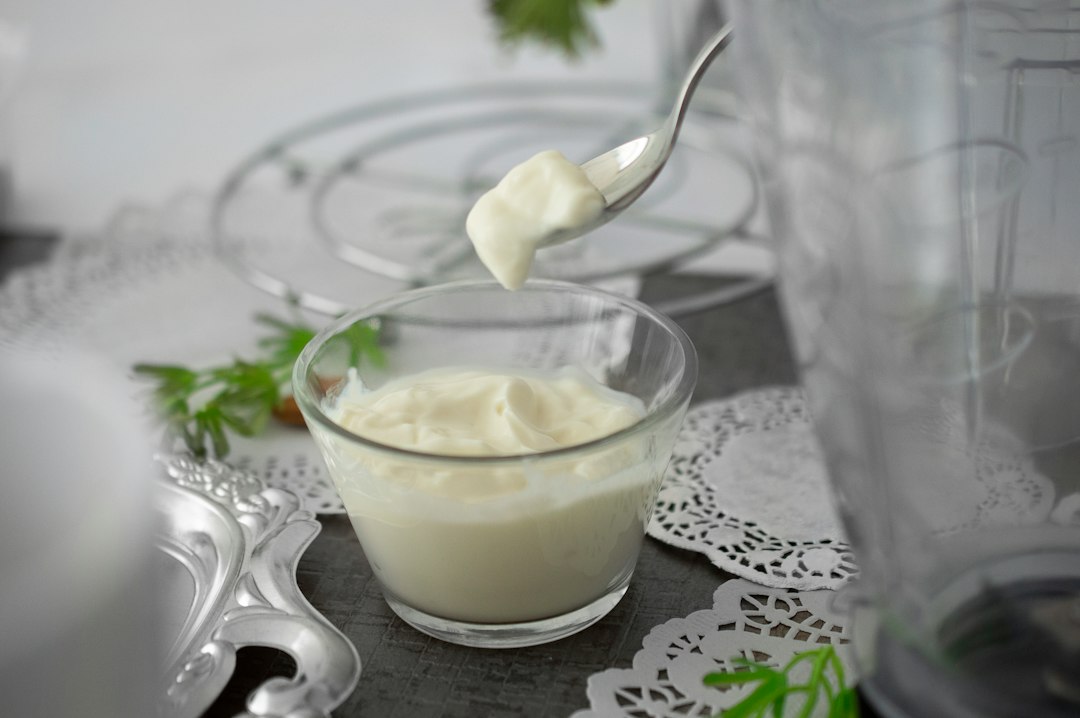
Your gut microbiome and your vaginal microbiome are more connected than most people realize.
Lactobacillus bacteria are the star players in a healthy vaginal environment. They produce lactic acid, which maintains that protective acidic pH. When your gut health is off, or when you've been on antibiotics, those populations can shift. Probiotic-rich foods like plain yogurt, kimchi, sauerkraut, and kefir help support Lactobacillus populations both in your gut and indirectly in your vaginal flora. Some people also take vaginal probiotic supplements specifically designed for this, though it's worth consulting a healthcare provider before adding anything new.
And yes, garlic and onions are delicious. They're also sulfur-rich, which can temporarily intensify body odor across the board, including down there. This doesn't mean you need to quit garlic. It means timing matters if you have a big date planned.
Lifestyle Habits That Actually Move the Needle

Smoking affects how you smell. Full stop.
Nicotine and cigarette chemicals circulate through your body and affect all secretions, vaginal ones included. If you've been looking for yet another reason to quit, add this one to the list. Alcohol works similarly: a heavy night out can make your entire body emit stronger, more pungent odors the next day. Moderation genuinely helps here.
Stress is sneakier than people expect. High cortisol can disrupt hormonal balance, which can in turn affect vaginal discharge and pH. This doesn't mean you need to eliminate stress (impossible). It means that when you're going through an intense season of life, your body may shift a little, and that's normal. The answer is never a scented spray. The answer is addressing what's actually going on.
Regular movement and sweating are good for you, but wearing sweaty workout clothes for hours after the gym creates a warm, damp environment that bacteria love. Change out of your gym clothes sooner rather than later. It's a small thing with a surprisingly big payoff.
What About Before Intimacy?

Skip the "freshening up" products. Seriously.
Feminine wipes, sprays, and deodorizing products marketed for use before sex are almost universally irritating. They contain fragrances and preservatives that can cause micro-irritation, upset pH balance, and ironically make things smell more synthetic and off-putting. A gentle rinse with warm water is all you need. If you want to feel fresh before intimacy, a quick, simple shower is your best option. Nothing fancy required.
If you're pairing intimacy with toys, using clitoral vibrators that are body-safe and easy to clean means you're also protecting your vaginal environment. Materials matter: medical-grade silicone, glass, and stainless steel are non-porous and don't harbor bacteria the way cheaper materials do. The Lem Clitoral Massager is a great example of a body-safe toy that won't introduce anything unwelcome to your vulvar zone.

Communication with your partner matters here too. If you're anxious about scent or taste, talking about it openly transforms that anxiety into something shared rather than something you carry alone. Most partners are far less focused on this than you are. And the ones who make you feel bad about your body's natural state? That's information.
When to Actually See a Doctor
Some changes in smell are your body's way of waving a flag.
A strong fishy odor, especially after sex, is often a sign of bacterial vaginosis. A thick, cottage cheese-like discharge with an intense yeasty smell points to a yeast infection. Neither of these is a hygiene failure. Both are extremely common and very treatable. The Mayo Clinic emphasizes that "if you're noticing an unusual smell like a fishy odor, you should see your health care team." No amount of diet tweaking or washing will fix a bacterial or yeast imbalance that needs medical treatment. See your gynecologist. Get tested. Get treated. Then go back to living.
Bottom Line
Your vagina is not a problem.
It has a natural smell, a natural taste, and a sophisticated self-cleaning system that has been running perfectly fine without scented washes and detox pearls. The goal isn't to make your body smell like vanilla or taste like fruit punch. The goal is to support what's already working: hydration, a balanced diet, breathable fabrics, gentle hygiene, and body-safe intimate products. When you take care of your overall health, your vaginal health reflects that. It really is that connected.
You deserve to feel comfortable and confident in your body, during intimacy and in everyday life. Exploring vibrators for women that are designed with body-safe materials is one genuinely good way to prioritize your pleasure without compromising your vaginal health. And pairing solo or partnered play with the right couples toys keeps things exciting while keeping things clean.
Your body is already doing so much right. Give it credit.
Want to make your journey even more exciting? I've handpicked some amazing toys and goodies at Hello Nancy that'll add extra sparkle to your intimate moments. (Here's a little secret—use 'dirtytalk' for 10% off!)
Frequently Asked Questions
Does pineapple really make your vagina taste better?
No peer-reviewed studies confirm that pineapple changes vaginal taste. Gynecologists like Dr. Jen Gunter have confirmed there is no science behind this popular myth. Eating a generally healthy, fruit-rich diet may contribute to a more neutral body odor overall, but no single food is a magic fix.
What foods make your vagina smell bad?
Sulfur-rich foods like garlic, onions, and asparagus can temporarily intensify body odor. Alcohol, red meat, and highly processed foods may also contribute to a stronger overall scent. These effects are temporary and not a sign that anything is wrong with your body.
Is it normal for your vagina to have a smell?
Completely normal. A healthy vagina has a mild, slightly tangy or musky scent that varies throughout your menstrual cycle. This is a natural result of the acidic pH environment that protects you from infections. No scent does not mean healthier.
Should I use feminine washes or wipes to smell better down there?
Gynecologists broadly advise against scented feminine hygiene products, wipes, and douches. These disrupt your vaginal pH and can lead to bacterial vaginosis or yeast infections. Warm water and a gentle, unscented soap on the external vulva is all you need.
Can probiotics help with vaginal odor?
Probiotic-rich foods like plain yogurt, kefir, and kimchi help support Lactobacillus bacteria, which maintain a healthy vaginal pH. Some people benefit from vaginal probiotic supplements, especially after antibiotic use. Talk to your doctor about what makes sense for you specifically.
How does hydration affect vaginal taste and smell?
When you're well-hydrated, your bodily secretions are less concentrated, which typically means a milder scent and taste. Dehydration concentrates everything, including vaginal fluids. Drinking adequate water daily is one of the simplest things you can do to support your overall vaginal health.
What does a fishy vaginal smell mean?
A strong fishy odor, especially noticeable after sex, is a common symptom of bacterial vaginosis (BV). It is not a hygiene failure. BV is very treatable with antibiotics prescribed by a doctor. See a gynecologist rather than trying to mask the smell with products.
Does wearing certain underwear affect vaginal smell?
Yes, fabric choice genuinely matters. Synthetic underwear traps heat and moisture, creating conditions where odor-causing bacteria thrive. Cotton underwear is breathable and helps keep the vulvar environment drier and fresher. Sleeping without underwear can also help with airflow.
Can stress change how my vagina smells?
Stress elevates cortisol, which can disrupt hormonal balance and subtly affect vaginal discharge and pH. This is temporary and normal. Managing stress through sleep, exercise, and self-care supports not just your mental health but your vaginal ecosystem as well.