Add RM50.04 MYR to get Free Gift



Your body is capable of more than one. Not metaphorically. Not aspirationally. Just literally, biologically, factually capable. And the reason most people don't know how to get there is simple: nobody taught us.
So let's fix that.
What Multiple Orgasms Actually Are (And Why They Feel Different)

A multiple orgasm is simply more than one orgasm occurring within a single sexual experience. They don't all have to happen back-to-back in rapid succession. Some people experience sequential multiples, with a short recovery pause of a minute or two in between. Others experience serial multiples, which are closer together and feel almost like one long, rolling wave that builds and crests repeatedly without fully stopping.
The key difference from a single orgasm is staying in an aroused state.
For people with vulvas, the refractory period (that post-orgasm window where everything feels too sensitive or you just want a nap) tends to be much shorter than for people with penises. That biological fact is why research consistently shows higher rates of multiple orgasms among vulva-owners. One frequently cited study found that 42.7% of respondents had experienced multiple orgasms, while a survey of 1,250 women aged 20 to 24 found that seven out of ten reported orgasming more than once in a single session (Gilbaugh & Fuchs, 1979; Delvin & Webber, online survey). The body's capacity is there. The gap is almost always in technique, timing, and nervous system awareness.
The Mindset Shift That Makes Everything Easier

Here's something counterintuitive: chasing multiple orgasms harder is the fastest way to have fewer of them.
Arousal lives in the nervous system. And the nervous system absolutely notices when you're grading your own performance in real time. The moment you shift from feeling into monitoring, your body starts pulling back. Cortisol (your stress hormone) doesn't care that you're technically in a pleasurable situation. It just knows you're tense, and it responds accordingly.
The shift that actually works is moving from goal-oriented to sensation-oriented. Instead of asking "did I get there again?" ask "what am I feeling right now?" That single pivot keeps you present in your body, which keeps arousal high, which keeps the door open for more. Think of it less like climbing a ladder and more like staying on a warm, slow tide. You don't swim against it. You just stay in the water.
If performance anxiety is something you navigate regularly, the guide on breaking the performance anxiety loop and actually enjoying sex again is worth bookmarking alongside this one.
How to Build the Foundation: Arousal, Edging, and the Art of Not Rushing

Most people skip straight to the orgasm part. That's the single biggest obstacle to having more than one.
Building sustained arousal before your first orgasm is what primes your body to keep going after it. Think of arousal like a furnace: a furnace that's been warming for an hour holds heat long after you turn it down. One that barely ignited goes cold fast. Slow, intentional foreplay, extended touch, breathwork, and mental engagement all raise what sex researchers call "the arousal plateau" — that sustained high level of physical readiness that makes subsequent orgasms significantly easier to reach.
Edging is the technique most often associated with multiple orgasms, and it works. It involves bringing yourself (or a partner) right to the edge of orgasm and then backing off slightly, repeating this cycle multiple times before finally allowing climax. Practiced regularly, edging trains your body to sustain high arousal and often makes the eventual orgasm more intense. It also extends the period your body spends in that "ready" state, which is exactly the window where a second or third orgasm becomes accessible.
For people who enjoy clitoral stimulation, incorporating a quality clitoral vibrator during edging practice can be genuinely transformative. The precision and consistency of vibration makes it much easier to ride that edge without accidentally tipping over or losing the thread of sensation entirely.
Working With Sensitivity: What to Do Right After Your First Orgasm

The post-orgasm sensitivity spike is real, and it's the thing that stops most people in their tracks.
Right after orgasm, the clitoris (and surrounding tissue) becomes hypersensitive. Direct stimulation can feel uncomfortable or even painful for a short window. This is your body processing the neurological intensity of what just happened. It's not a sign that you're done. It's actually a sign that your system fired properly.
The move here is to shift, not stop. Move stimulation away from the most sensitive spot temporarily. Switch to broader pressure over the pubic mound, internal stimulation, inner thighs, or wherever feels good without feeling like too much. Keep breathing slowly and deeply, because breath is what regulates the nervous system and keeps you from fully cooling down. After 30 seconds to a couple of minutes, sensitivity usually softens back into pleasure, and you can return to direct stimulation. Most people who give up at the sensitivity stage are actually 60 seconds away from being ready again.
If you're exploring internal and external stimulation together, the Namii 2's dual-action suction and vibration design is genuinely built for this exact kind of layered play.
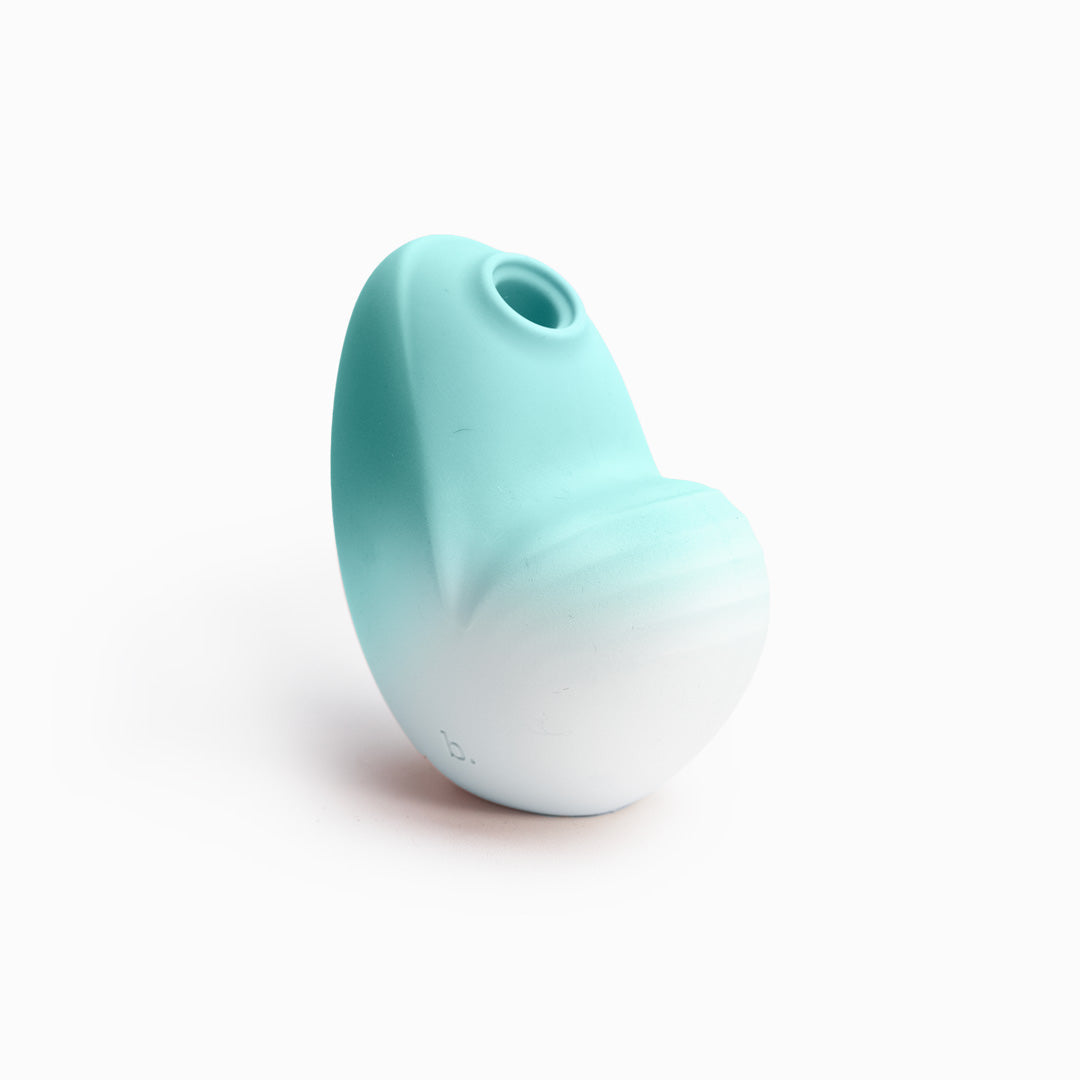
The Namii 2 lets you move between suction and vibration independently, so when one sensation becomes too intense, you can shift to the other without losing momentum entirely.
Breath and Body Awareness: The Underrated Tools Nobody Mentions

Slow, conscious breathing is genuinely one of the most powerful tools for extended arousal. Here's why.
Orgasm is a full-body neurological event. Shallow, held breath tells your nervous system that something threatening is happening. Deep, rhythmic breath signals safety, openness, and sustained engagement. People who learn to breathe through orgasm rather than holding their breath through it often find the orgasm itself lasts longer and that their body stays far more receptive immediately afterward. It's a small change with a surprisingly large payoff.
Body rocking and pelvic floor engagement matter too. Gently rocking your hips, squeezing and releasing your pelvic floor, and keeping your legs unclenched all help circulate the arousal energy rather than holding it locked in one concentrated spot. The more your whole body is in on the experience, the easier it becomes to sustain and revisit that peak state.
Multiple Orgasms With a Partner: Communication Is the Actual Foreplay

Solo practice is the fastest way to learn your own patterns. But multiple orgasms with a partner are absolutely achievable when communication is honest and real-time.
That means actually saying things like "softer for a second" or "keep exactly that" instead of staying silent and hoping your partner intuits the right adjustment. Most partners genuinely want to get it right. They're just working without information. Real-time feedback during sex isn't demanding or awkward. It's the thing that turns a good experience into an exceptional one. If you're not sure how to start those conversations, the piece on suggesting new things in bed without making it awkward is a genuinely useful read.
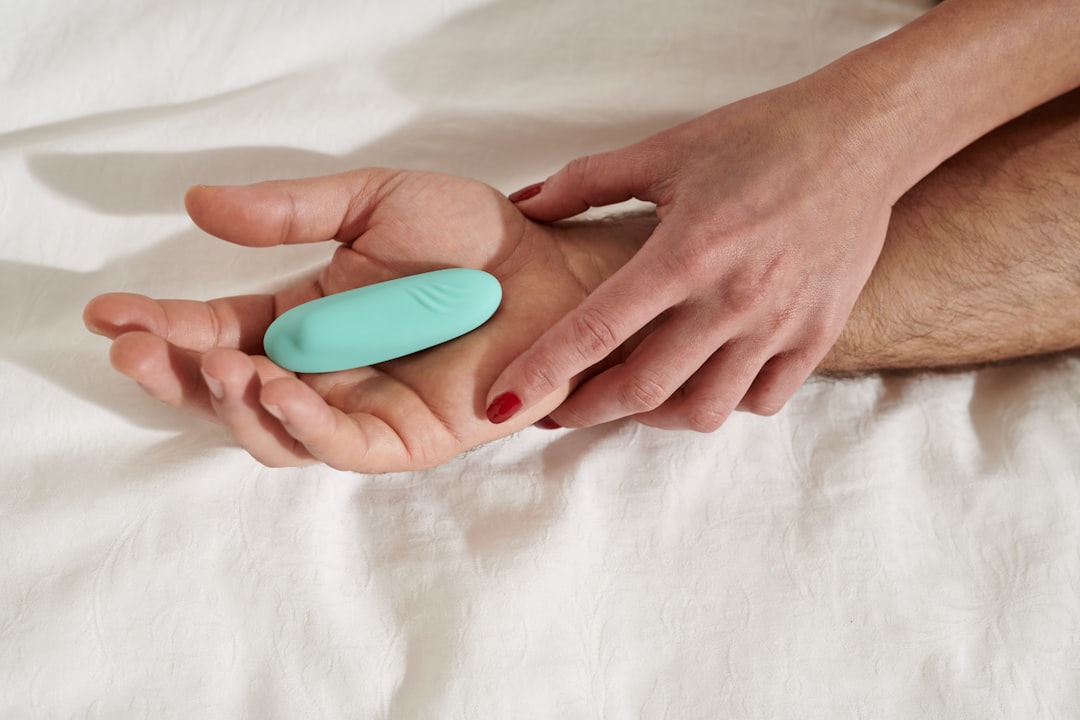
For partner play, incorporating couples toys designed for shared use opens up a whole new layer of options. A wearable like the Pixie remote-controlled panty vibrator hands stimulation control to your partner while you stay free to relax completely into the sensation, which is exactly the mental state where multiple orgasms become most accessible.
G-Spot Involvement: Why Internal Orgasms Change the Game

Clitoral orgasms and G-spot orgasms are neurologically distinct. Combining them is one of the most effective paths to multiple orgasms.
The G-spot (technically the urethral sponge along the anterior vaginal wall) responds to pressure and rhythmic stimulation rather than vibration alone. When paired with clitoral stimulation, the two pathways create a compound arousal effect that many people find far easier to sustain through multiple peaks than either type alone. Positions that angle penetration toward the front wall (like the ones explored in our guide to G-spot stimulation techniques that actually work) are a great starting point for partner exploration.
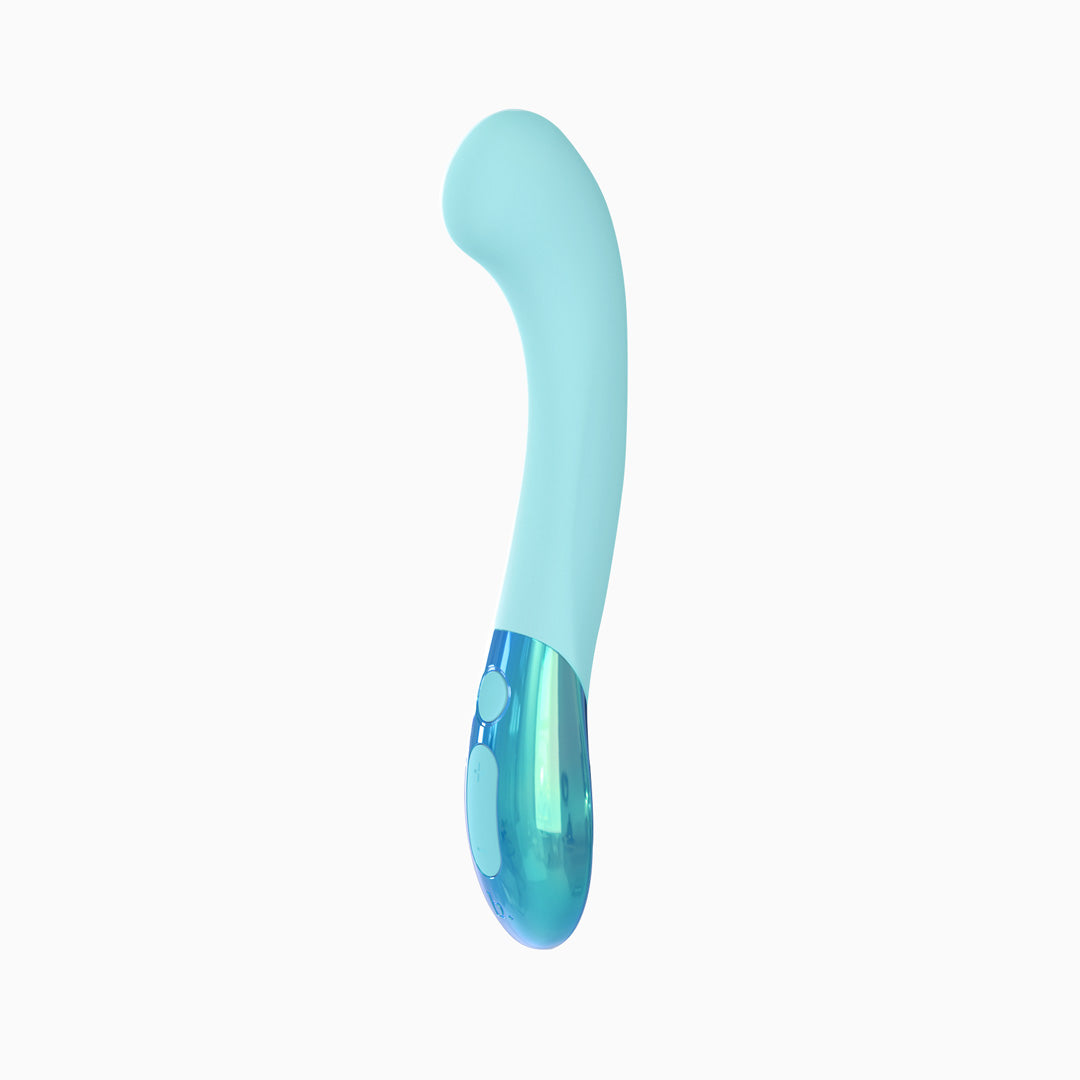
For solo G-spot exploration, the Gii Glow G-spot vibrator has a curved design specifically built for anterior wall stimulation, and the glow-in-the-dark silicone makes it an oddly charming choice for low-light sessions.
Can People With Penises Have Multiple Orgasms?

Yes. It's less commonly discussed, but absolutely real.
People with penises can experience non-ejaculatory orgasms, sometimes called "dry orgasms," which don't trigger the refractory period that makes consecutive sessions difficult. This requires learning to separate the muscular contractions of orgasm from ejaculation itself, which is something that takes practice with pelvic floor exercises (specifically, stopping the urge to ejaculate at the point of no return using a strong PC muscle contraction). A 2025 study published in the journal Sexual and Relationship Therapy documented multiple orgasm experiences in a large sample of men, noting that the majority who had experienced it described it as learnable rather than something they were simply born able to do. It's a skill. A patience-required, practice-dependent skill, but a skill nonetheless.
Practical Steps to Start Your Multiple Orgasm Practice

Knowing the theory is one thing. Actually getting there takes a bit of deliberate practice, ideally starting solo.
Start by extending your arousal time significantly before the first orgasm. Twenty to thirty minutes minimum. Use edging at least two or three times before allowing yourself to climax. After orgasm, keep one hand lightly resting on your body without moving, just maintaining warmth and contact while you breathe. After 30 to 90 seconds, start reintroducing stimulation gently, beginning away from the most sensitive area and slowly returning. Notice what feels good rather than pushing for a specific outcome. Many people discover their second orgasm happens almost by accident the first few times, precisely because they stopped trying so hard for it.
Consistency matters more than intensity here. A short practice a few times a week will teach your body the pattern far more effectively than one long marathon session every few months.
Want to make your journey even more exciting? I've handpicked some amazing toys and goodies at Hello Nancy that'll add extra sparkle to your intimate moments. (Here's a little secret — use 'dirtytalk' for 10% off!)
Wrapping Up
Your capacity for pleasure is not a fixed thing. It's responsive, trainable, and almost certainly larger than you've been led to believe. Multiple orgasms aren't something a lucky few are born with. They're the result of body awareness, patience, honest communication, and giving yourself genuine permission to stay in the experience rather than rushing through it. Start where you are. Be curious rather than competitive with yourself. Your body already knows the way. You're just learning to listen.
Frequently Asked Questions
How long does it take to learn how to have multiple orgasms?
It varies hugely depending on the person, but most people who practice intentionally start noticing changes within a few weeks of consistent solo exploration. The key is regular short sessions focused on edging and body awareness rather than occasional intense ones.
Is it normal to feel too sensitive for a second orgasm right away?
Completely normal. Post-orgasm hypersensitivity is a standard part of the physiological response, not a sign that you're finished. Shifting stimulation away from the most sensitive spot for 30 to 90 seconds and breathing slowly is usually enough to move through it.
Can you have multiple orgasms from penetration alone?
It's possible but less common. Most people find that combining internal stimulation with clitoral engagement makes multiple orgasms significantly more accessible. Four out of five women don't orgasm from penetration alone, so adding clitoral stimulation is almost always the more reliable path.
Does age affect your ability to have multiple orgasms?
Not in the way most people fear. While hormonal changes with age can affect arousal time and lubrication, the capacity for multiple orgasms doesn't simply disappear. Many people report becoming more multiorgasmic as they age, largely because they become more comfortable in their bodies and clearer about what they actually enjoy.
What is edging and how does it help with multiple orgasms?
Edging is the practice of bringing yourself to the edge of orgasm and then backing off before climax, repeated multiple times before allowing yourself to finish. It trains your nervous system to sustain high arousal for extended periods and often makes subsequent orgasms within a session far easier to reach.
Can people with penises have multiple orgasms?
Yes. By learning to separate orgasm from ejaculation using pelvic floor muscle control, people with penises can experience non-ejaculatory "dry" orgasms that don't trigger the standard refractory period. It takes consistent pelvic floor practice but is well-documented as learnable.
Do sex toys really help with achieving multiple orgasms?
They can be a significant help, yes. Toys that provide consistent, adjustable stimulation make edging much easier to control than manual stimulation alone. Dual-stimulation toys that combine clitoral and internal pleasure are particularly effective for layered arousal that tends to lead to multiple peaks.
How is a sequential multiple orgasm different from a serial one?
Sequential multiples have a brief recovery pause of a minute or two between orgasms. Serial multiples happen closer together, sometimes as continuous waves without a clear gap. Both are genuine experiences. Most beginners find sequential easier to achieve first, then discover serial multiples as their body awareness grows.