Add RM50.04 MYR to get Free Gift



Some relationships rewire your entire nervous system. Female friendships are exactly that, and most of us are only now starting to understand just how deeply true that is.
Why Female Friendships Hit Different: The Biology Behind the Bond

Here's the thing most stress textbooks got wrong for decades. When researchers studied the stress response, they primarily studied men, and they found the classic "fight or flight" pattern. But UCLA researchers discovered something entirely different happening in women under stress. They called it "tend-and-befriend," a neurological drive to seek out other women, nurture relationships, and create community when life gets hard. It's not a weakness. It's a survival strategy that evolution refined over thousands of years.
That response is powered by oxytocin.
Oxytocin is often called the "bonding hormone," and in women, its levels spike meaningfully during close social connection. Alisa Ruby Bash, PsyD, LMFT, has noted that women possibly more than men need to maintain those connections, because the resulting oxytocin and serotonin surge has measurable effects on mood, resilience, and even physical health. This isn't soft science. This is neurobiology telling you that calling your best friend when everything falls apart is one of the most intelligent things you can do.
And the data on longevity? Quietly remarkable.
Research consistently links strong social bonds, particularly close female friendships, to reduced risk of chronic illness, lower cortisol levels, and a longer life. Female friendships act as a biological buffer against stress. When you're sitting with your person over terrible takeout talking about everything and nothing, your body is literally healing itself.
The Art of Actually Showing Up: What Deep Female Friendship Requires

Science explains why we need these connections. But it doesn't tell you how to build them, and that part is genuinely harder.
Adult female friendships are complicated in a way we don't always admit out loud. There's the scheduling. The guilt when months pass. The weird vulnerability of asking someone "can we be closer?" without it feeling awkward. Most of us were handed no roadmap for this. We figured out dating, we read about romantic intimacy, but nobody gave us a guide for deepening a friendship with someone we already like but haven't quite let fully in yet.
Presence is the whole game.
Not perfect attendance. Not grand gestures. Just the willingness to be actually, genuinely there. To put the phone down. To ask the real question under the polite one. To say "I've been struggling" first, so your friend knows it's safe to do the same. According to research on interpersonal closeness, self-disclosure is one of the most reliable accelerants of intimacy. The friends who know your actual life, not the curated version, are the ones who end up mattering most.
Consistency beats intensity every single time. A text on a random Tuesday that says "this reminded me of you" does more relational work than a perfect birthday brunch you planned for three weeks.
Navigating the Hard Parts: Jealousy, Distance, and Growing Apart

Let's be real about the parts nobody posts about.
Female friendships can carry enormous weight, and sometimes that weight cracks the container. Jealousy is one of the most common and least-discussed strains. It shows up when a friend's promotion makes you feel behind. When her relationship looks easier than yours. When she makes a new circle and you feel quietly replaced. The trick is recognizing that jealousy in friendship is almost never about your friend. It's about something unresolved in your own story. The most mature version of this feeling is curiosity, not resentment. What does her life have that you actually want? That's useful information about yourself.
Growing apart, though, that's a different grief entirely.
Some friendships have seasons. A friendship that sustained you through your twenties may not fit who you are at thirty-five, and acknowledging that doesn't mean it failed. It means it was real and then it evolved. Giving a friendship permission to change, whether that means becoming more casual, or honestly, fading into warm memory, is an act of respect for what it actually was, not what you wish it could stay being.
And sometimes friendships need a direct, honest conversation. Not a confrontation. A reckoning. "I've felt distant from you and I miss you" is not dramatic. It's courageous. The friendships that survive those moments are the ones that turn into something genuinely unshakeable.
Intimacy Beyond Romance: How Female Friendships Shape Your Relationship with Yourself

Your closest female friendships are a mirror.
The women you surround yourself with shape how you see yourself in ways that can quietly outpace even romantic relationships. Research on social comparison and self-concept has shown that we build our identities partly through our closest relationships. A friendship where you feel fully seen and celebrated doesn't just feel good. It actually expands what you believe is possible for yourself.
This is why who you call your people genuinely matters.
If your friendships consistently leave you feeling small, compared, or like you have to edit yourself to fit, that's not friendship. That's an arrangement that costs more than it gives. You deserve friendships where your ambitions are cheered, your struggles are met with compassion rather than judgment, and your weirdness is not just tolerated but genuinely loved. That's the bar. And you are allowed to hold it.
If you're in a chapter of rebuilding your social life, or deepening the connections you already have, reading about how to keep the spark alive in your closest relationships can offer surprising crossover insight. The skills that sustain long-term love often translate directly into friendship too.
Building Your Circle Intentionally as an Adult

Making friends as an adult is genuinely awkward and the sooner we normalize that, the better.
The structures that handed us friendships as kids, school, sports teams, dorm floors, they disappear in adulthood. Nobody puts you in a room with fifty people your age and tells you to bond anymore. You have to build it actively and on purpose, which feels embarrassing until you realize that everyone else is also quietly hoping someone will make the first move.
So make the first move.
Invite the coworker you actually like to lunch, not a work lunch, a real one where you talk about your actual lives. Join the class, the club, the reading group, not because you love the activity but because repeated low-stakes exposure to the same people is genuinely how adult friendships begin. Harvard social scientist Robert Putnam spent years documenting how social capital is built through regular proximity and small shared experiences. The magic isn't in the grand friendship-making moment. It's in the third Tuesday in a row you both show up and suddenly feel like you know each other.
And nurture what you already have. Sometimes your richest connection is sitting right there in your contacts, slightly neglected.
The Full-Life Connection: Friendship, Pleasure, and Knowing Yourself

Full, joyful female friendships and a full, joyful relationship with yourself tend to grow together.
Women who feel genuinely connected to their friends often report greater confidence in all areas of life, including their relationship with their own bodies. That confidence matters. Whether you explore it through vibrators for women designed with your pleasure in mind, or simply through giving yourself more permission to ask for what you want in every context, self-knowledge is the thread that ties it all together. A confident woman with a solid circle of female friends is, frankly, unstoppable.
Your friendships are part of your wellness. Not a nice add-on. A core pillar.
And just like physical health or mental health, they need tending. They need you to show up for them the way you'd show up for anything else you care about. The science is on your side. The biology is literally built for this. Now it just takes the choice to prioritize it.
Want to make your journey even more exciting? I've handpicked some amazing toys and goodies at Hello Nancy that'll add extra sparkle to your intimate moments. (Here's a little secret, use 'dirtytalk' for 10% off!)
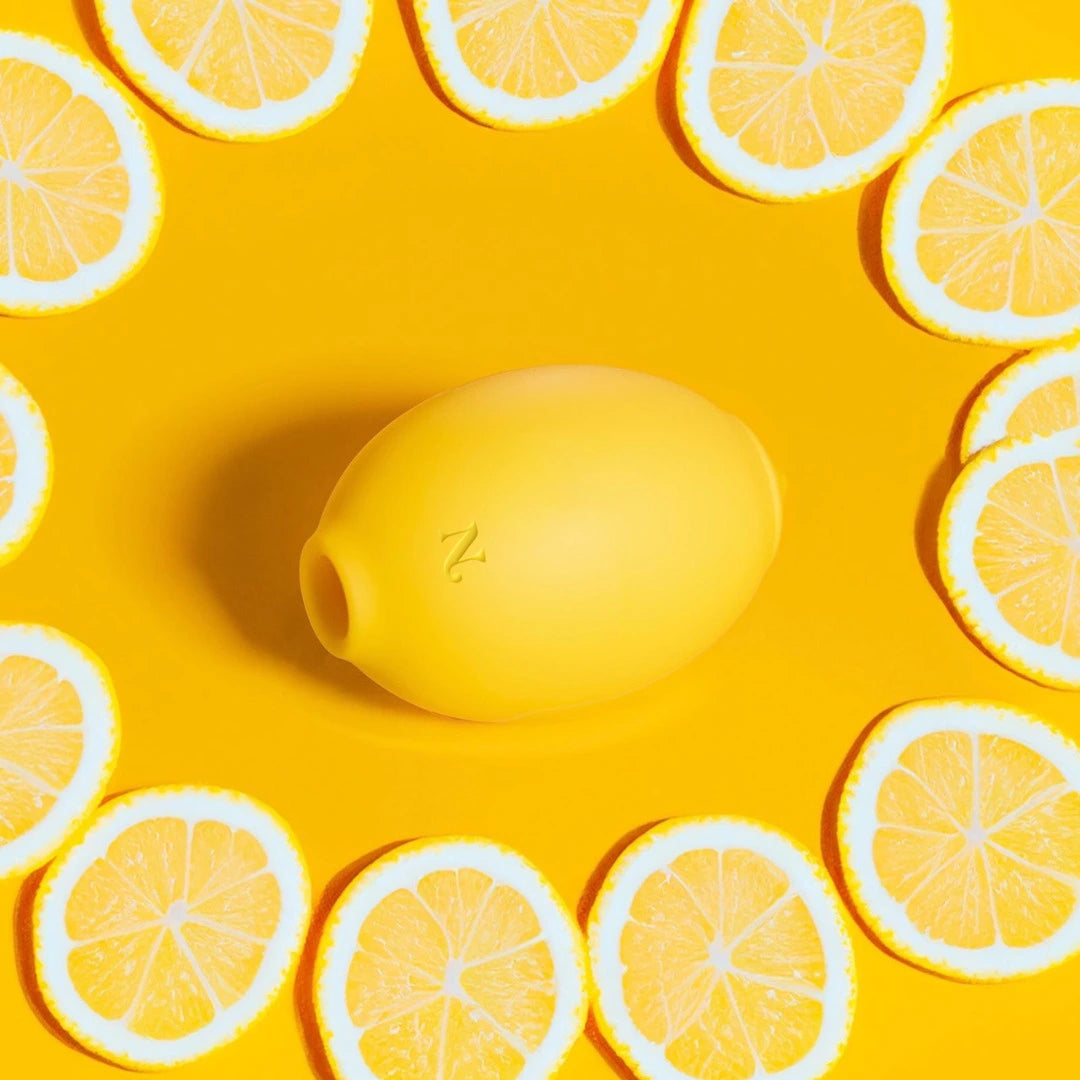
The Lem Clitoral Massager is one of those toys that just gets it right, designed for exactly the kind of self-care a woman building her best life deserves. You can also explore the full range of clitoral vibrators to find what feels right for you.
Frequently Asked Questions
Why are female friendships so important for mental health?
Female friendships trigger the release of oxytocin and serotonin, hormones that directly reduce stress and improve mood. Research links strong female social bonds to lower cortisol levels, better emotional regulation, and reduced risk of depression. They're not just emotionally comforting. They're biologically protective.
What is the "tend and befriend" response in women?
Coined by UCLA researchers, "tend-and-befriend" describes women's stress response. Instead of fighting or fleeing, many women instinctively seek social connection and nurture others under pressure. It's driven by oxytocin and is considered an evolved survival strategy distinct from the male-dominant "fight or flight" response.
How do you make female friends as an adult?
The most effective method is repeated low-stakes exposure. Join classes, community groups, or recurring social events where you see the same people consistently. Adult friendships rarely begin in a single grand moment. They grow through multiple ordinary encounters until familiarity becomes genuine connection. Making the first move matters more than you think.
Is it normal to feel jealous of a female friend?
Completely normal. Jealousy in female friendships is one of the most common and least-talked-about dynamics. It almost always points to something you want for yourself, not something wrong with your friend. Treat it as useful self-information rather than evidence of a bad friendship, and it loses most of its power.
How do you know when a female friendship has become toxic?
A friendship has crossed into toxic territory when you consistently feel worse after spending time together. Signs include chronic one-sidedness, constant competition, dismissal of your feelings, or feeling like you have to perform rather than simply be yourself. Healthy friendships should add to your energy, not drain it.
Can female friendships improve physical health?
Yes. Studies consistently link strong social bonds in women to lower blood pressure, reduced inflammation, stronger immune function, and greater longevity. Female friendships buffer the body's stress response by reducing cortisol. The health benefits are not just anecdotal. They're well-documented in peer-reviewed research.
How do you deepen a female friendship that feels surface-level?
Self-disclosure is the fastest path to depth. Share something real first, something beyond the polished version of your life. Ask questions that go underneath the obvious. Consistency matters more than intensity: showing up regularly in small ways builds trust faster than occasional grand gestures. Be the person who goes first.
Is it okay for a female friendship to naturally fade or end?
Yes, and releasing the guilt around this is important. Friendships, like all relationships, can have seasons. A connection that was deeply meaningful in one life chapter may simply not grow with you. Letting it shift into something more casual, or even fade respectfully, is a sign of emotional maturity, not failure.