Add RM50.04 MYR to get Free Gift



Let's be real. Most of us were never actually taught how this works. Not by sex ed, not by partners, not by anyone who should have spoken up sooner.
The clitoral orgasm is, for most people with a vulva, the most reliable path to climax. Research published in the Journal of Sex and Marital Therapy found that nearly 37% of women require clitoral stimulation to orgasm, and another 36% say it makes orgasms significantly better even when not strictly required (Herbenick et al., 2018). That's nearly three-quarters of people who need or deeply benefit from clitoral attention. Yet somehow, it's still treated like a bonus feature instead of the main event.
This guide changes that.
What the Clitoris Actually Is (Because Size Matters Here)

Here's what your high school textbook conveniently left out. The clitoris is not a tiny button. It's an entire internal organ shaped like a wishbone, extending 9 to 11 centimeters inside the body.
The visible tip, called the glans, is just the beginning. Underneath the surface, two crura (legs) wrap around the vaginal canal, and two vestibular bulbs flank the vaginal opening. Every single part of this structure can be stimulated, directly or indirectly. The glans alone contains over 10,000 nerve endings, making it one of the most densely innervated spots in the entire human body.
That's why even gentle touch can feel electric.
When people talk about clitoral stimulation, they usually mean stimulating the external glans. But the internal structure means that certain positions, angles, and types of penetration also activate clitoral tissue from the inside. Knowing this opens up the entire map of what's possible for your pleasure.
Why Clitoral Orgasms Can Feel Elusive

Most people who struggle to reach a clitoral orgasm aren't broken. They're rushing.
The clitoris needs time to become fully aroused before stimulation feels good rather than uncomfortable. Think of it like warming up an engine. Direct, intense contact on a cold engine just creates friction. But give it a few minutes of heat, blood flow, and anticipation, and everything shifts. The glans actually retracts slightly beneath the clitoral hood when aroused, which means the surrounding area often needs stimulation first.
Stress is the other big culprit. The body can't simultaneously be in threat-response mode and pleasure mode. When the nervous system is in fight-or-flight, blood flow moves away from the genitals. This is why orgasms feel easier on a relaxed Sunday morning than after a brutal Tuesday at work.
Performance anxiety adds another layer. The moment you start monitoring whether it's working, you exit the experience. Your brain is your biggest sex organ, and it needs to be present, not grading the performance.
Step-by-Step: How to Have a Clitoral Orgasm
Step 1: Create the Right Conditions
Before anyone touches anything, set the scene. This isn't soft-candle fluff advice. It's neuroscience.
Your nervous system needs to feel safe and unhurried before it can tip into pleasure. Lower the lights. Put your phone face-down. Give yourself permission to take twenty minutes with zero agenda. The absence of time pressure alone can change everything for people who have historically struggled to reach orgasm. A warm shower beforehand increases blood flow and reduces full-body tension, which speeds up arousal considerably.
Step 2: Start Far from the Destination
Start with your thighs, your stomach, the crease where your thigh meets your pelvis.
Those spots are packed with nerve endings that feed directly into clitoral arousal. Spending a few minutes here, whether that's your own hands or a partner's, causes the vestibular bulbs to engorge with blood and the lubrication process to begin. By the time you actually reach the clitoris, it's already primed and waiting. Skipping this step is the single most common reason stimulation feels like too much too fast or not enough at all.
Step 3: Approach the Clitoris Indirectly First
Don't go straight for the glans.
Instead, start with the labia, the clitoral hood, and the mons pubis (the soft mound just above the clitoris). Gentle pressure through the hood, rather than direct contact, is often more pleasurable in the early stages because it distributes sensation rather than concentrating it on a single hypersensitive point. Think circles, light pressing motions, or a gentle rocking movement over the whole area. Listen to what your body actually responds to rather than what you think you should be doing.
Step 4: Find Your Pressure and Rhythm
This is where things get personal. Really personal.
Some people prefer rapid, light strokes on one specific side of the glans. Others prefer firm, consistent circular pressure directly on top. Many people find a steady rhythm works better than varying the motion, because the nervous system builds toward orgasm through repetition, not novelty. The key is finding what works and staying with it instead of switching things up the moment something starts feeling genuinely good. That urge to switch is almost universal, and almost universally counterproductive right at the edge of climax.
If you're exploring with a partner, communication is everything here. Guiding their hand, saying "a little to the left" or "slightly slower" isn't a criticism. It's the most useful thing you can offer. Vibrators for women can also be incredibly helpful at this stage because they maintain a consistent rhythm that hands sometimes can't sustain.
Step 5: Breathe Into It (Seriously)
Holding your breath is the fastest way to stall an orgasm that's building.
Deep, intentional breathing keeps the parasympathetic nervous system engaged, the same system responsible for arousal and orgasm. When people get close to climax and instinctively hold their breath, they often accidentally interrupt the buildup. Try slow exhales through the mouth when sensation starts intensifying. Some people find that rocking the pelvis in rhythm with stimulation accelerates the process significantly, as it engages the internal clitoral structure simultaneously.
Step 6: Let Go of the Goal
This sounds counterintuitive, but it's the most important step.
Orgasm is not a performance. It's a release. The moment you shift focus from chasing the outcome to staying present in the sensation, the body tends to stop resisting. Pleasure builds on itself when you're paying attention to what's actually happening right now rather than tracking progress toward a finish line. For people who've struggled with orgasm for years, this single reframe sometimes makes the difference between "almost" and "finally." You deserve to be in your body for this, not watching it from the outside.
Using Toys to Help
Sometimes hands are enough. And sometimes, a little extra help is exactly right. ✨
Toys designed specifically for clitoral stimulation offer consistent, targeted sensations that can be difficult to replicate manually. The Berri edging clitoral massager uses a tapping motion that mimics how many people naturally stimulate themselves, making it feel intuitive right out of the box. For those who want the combination of suction and vibration, the Namii 2 delivers dual-action stimulation that activates both the glans and surrounding clitoral tissue simultaneously.
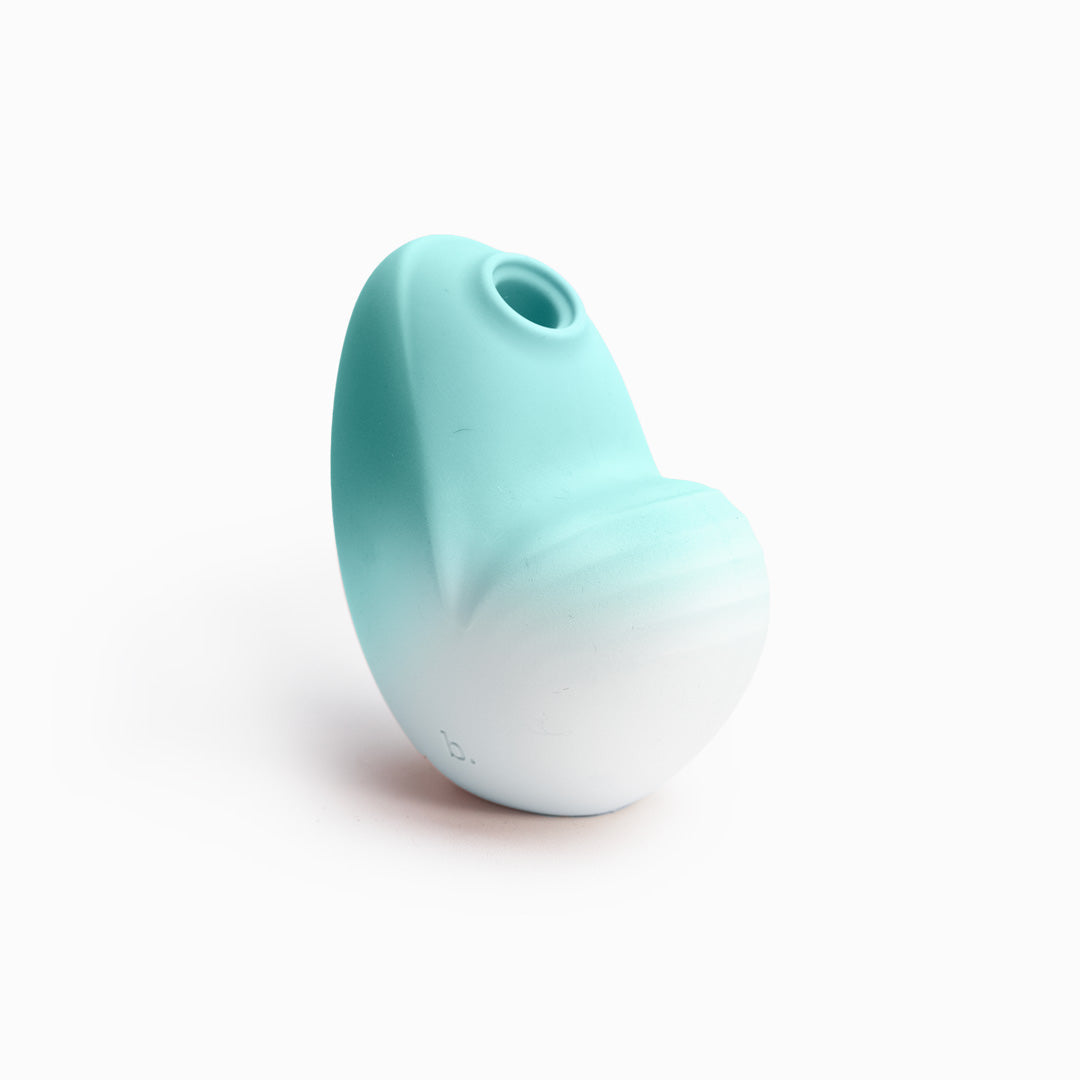
If you're just starting out with couples toys or exploring solo for the first time, something small and approachable, like a mini bullet vibrator, is a perfect entry point. No pressure, no overwhelm. Just exploration.
What a Clitoral Orgasm Actually Feels Like
People describe it in wildly different ways, and all of them are correct.
For some, it's a sharp, intense wave that radiates outward from the clitoris through the pelvis and thighs. For others, it's a slower, building warmth that peaks and then pulses in rhythmic contractions. Some experience full-body shaking. Others feel something quieter, more localized, but unmistakably pleasurable. There's no "right" version. Research consistently shows that orgasm experience varies dramatically between individuals and even between different orgasms in the same person. If your experience doesn't look like what you've seen in media, it's still completely valid.
The contractions that happen during orgasm are your pelvic floor muscles, specifically the pubococcygeus muscle, rhythmically engaging. They typically occur every 0.8 seconds and can range from 3 to 15 contractions depending on the intensity. Knowing what's physically happening can actually help some people recognize and relax into the experience instead of tensing up against it.
Tips for Partners
If you're helping a partner experience a clitoral orgasm, the most important thing you can bring is patience and curiosity.
Ask questions. Not anxious ones, but genuinely curious ones. "Does this feel good?" and "Would you like more or less pressure?" create the kind of safety that allows arousal to build. Avoid the temptation to interpret silence as approval. Check in. Stay present. And understand that their orgasm is not a reflection of your skill level. It's a reflection of their nervous system, their stress levels, their history, and dozens of factors that have nothing to do with you. Show up attentively and without ego, and you'll be leagues ahead of most. You can also read more about what happens during orgasm and beyond to deepen your understanding of your partner's responses.
Bottom Line
Your pleasure is not a mystery to be solved. It's a skill to be practiced.
Clitoral orgasms are available to most people with a vulva, but they require the right conditions: enough time, enough arousal, enough presence, and enough permission to actually enjoy what's happening. That last one is often the hardest. Give yourself that permission. You genuinely deserve this. If you're curious about how to expand your own experience further, exploring the world of sex toys for the first time can be a genuinely fun and low-pressure place to start.
Want to make your journey even more exciting? I've handpicked some amazing toys and goodies at Hello Nancy that'll add extra sparkle to your intimate moments. (Here's a little secret — use 'dirtytalk' for 10% off!)
Frequently Asked Questions
Why can't I orgasm from clitoral stimulation even when I try?
The most common reasons are insufficient arousal time, stress, or a focus on performance rather than sensation. The body needs to feel safe and unhurried before it can tip into orgasm. Starting slower, spending more time on indirect stimulation before touching the clitoris directly, and actively practicing relaxation during sex often makes a significant difference.
How long does a clitoral orgasm take to achieve?
It varies widely. Research suggests that on average, people with vulvas take around 14 minutes of sexual activity to reach orgasm, but this changes based on arousal level, stress, familiarity with their own body, and the type of stimulation. There is no normal or expected timeline. Give yourself as much time as you need.
Is it normal to need clitoral stimulation to orgasm during sex?
Completely normal. Research published in the Journal of Sex and Marital Therapy found that nearly 37% of women require clitoral stimulation to orgasm, and another 36% say it enhances their orgasms significantly. Only about 18% of women regularly orgasm from penetration alone. Needing clitoral stimulation is the majority experience, not the exception.
What is the best position for clitoral stimulation during penetrative sex?
Positions where the person with the vulva is on top (such as cowgirl or reverse cowgirl) tend to allow the most natural access to the clitoris, either through direct touch or grinding motion. The coital alignment technique (CAT), which involves the partner shifting upward to create consistent pubic bone contact against the clitoris, is also highly effective during missionary-style sex.
Can clitoral stimulation feel too intense or uncomfortable?
Yes, and this is very common. The glans clitoris is extremely sensitive, especially before full arousal. Stimulating it directly too early can feel overpowering or even painful. The fix is indirect contact: stimulate through the clitoral hood or alongside the glans rather than directly on it until your body is fully warmed up and inviting more intensity.
Do vibrators help with achieving a clitoral orgasm?
For many people, yes. Vibrators provide consistent, targeted stimulation that hands can struggle to maintain, especially over longer sessions. They're particularly useful for people who need a steady rhythm to build toward orgasm. Starting with a lower intensity and working upward gives the body time to adjust and respond.
How is a clitoral orgasm different from a vaginal orgasm?
Clitoral orgasms are typically described as more intense and sharply focused around the external genitalia, while vaginal orgasms (which may involve internal clitoral structures) often feel deeper and more diffuse. Many researchers now believe most "vaginal" orgasms are actually triggered by the internal legs of the clitoris being stimulated through the vaginal wall, making them part of the same system.
Can someone learn to have a clitoral orgasm if they never have before?
Yes. Orgasm is a learned response for many people, not an automatic one. Solo exploration is often the most effective starting point because it removes the pressure of another person's presence and allows full focus on your own responses. A regular masturbation practice, combined with the techniques in this guide, helps the nervous system recognize and repeat the orgasmic pathway over time.