


 Add ¥1,954 to get Free Gift


Your body is mid-chaos, and your brain is asking the one question your doctor's pamphlet definitely did not answer.
Yeast infections are genuinely one of the most common vaginal health experiences out there. And yet, the conversation around them stays weirdly hush-hush, especially when it comes to sex. So let's fix that right now, honestly and without the clinical cold shoulder.
What's Actually Happening During a Yeast Infection?

A yeast infection happens when Candida albicans, the fungus that normally lives in your vagina in small amounts, overgrows and throws everything off balance. Think of it less like an invasion and more like a neighborhood that lost its HOA. Things get messy when one resident takes over.
Symptoms typically include itching, burning, thick white discharge, and that general "something is definitely wrong down there" feeling. It's uncomfortable. Sometimes it's genuinely painful.
And no, it doesn't automatically mean you've done anything wrong. Antibiotics, hormonal shifts, a sweaty gym session in tight leggings, stress. All of these can tip the balance.
Can You Have Sex During a Yeast Infection?
Technically? Yes. Medically recommended? Not really.
Most healthcare providers advise against sex during an active yeast infection, and for good reasons that go beyond just "it'll hurt" (though it probably will). Here's the fuller picture.
First, friction during sex can seriously aggravate already inflamed tissue. That burning feeling you have at rest? It becomes significantly more intense when you add rubbing, pressure, and body heat. Your body is already in repair mode, and sex adds more stress to tissues that are screaming for rest.
Second, yeast infections are not classified as sexually transmitted infections. But that doesn't mean they can't be passed between partners. Candida can transfer through vaginal, oral, and anal contact. Many partners who are exposed never develop symptoms, but some do. And if your partner develops an infection you didn't know you gave them, they can re-infect you after your treatment is done. That loop is frustrating and entirely avoidable.
And third, some common lubricants and condom coatings can disrupt vaginal pH even further, which is the last thing you need while your flora is already struggling.
What Happens If You Do Have Sex Anyway?

Nothing catastrophic. But here's what tends to happen.
You might experience increased pain and irritation during and after sex. The infection itself may take longer to clear because the tissue keeps getting re-irritated before it can heal. And if you're using an antifungal cream or suppository, penetrative sex can physically remove some of the medication before it has time to work. That is not ideal.
If your partner does not already have symptoms and you have unprotected sex, they may develop a yeast infection within a few days. Research confirms that while transmission is not guaranteed, sharing genital contact during an active infection raises the risk meaningfully.
Using a condom lowers the risk of transmission and protects the medication from being displaced. It does not eliminate the discomfort entirely, though. So even with protection, it's worth asking: is this actually worth it right now?
What About Oral Sex During a Yeast Infection?
This one trips people up. Giving and receiving oral sex both carry transmission risks during an active yeast infection.
If you receive oral sex, your partner's mouth is in direct contact with the affected area. If you give oral sex to a partner with a penile or vulvar yeast infection, Candida can transfer to your mouth and throat, a condition called oral thrush. It is uncomfortable and absolutely possible to pick up this way.
Dental dams and condoms reduce but do not eliminate this risk. If your partner's oral health is already compromised or their immune system is under any stress, the risk is higher. So this is worth a real conversation, not just a hopeful shrug.
How Long Should You Wait Before Having Sex Again?
This is where the advice varies a little depending on which treatment you're using, and it's genuinely worth knowing.
If you're using a single-dose oral antifungal like fluconazole, most sources suggest waiting 48 to 72 hours after taking the pill and being completely symptom-free. If you're using a topical cream or suppository treatment that runs between one and seven days, the guidance leans toward waiting until you've finished the full course and symptoms are fully resolved. Some providers recommend waiting a full seven days after starting treatment before resuming sex, regardless of the method.
The key phrase is "symptom-free." Not "feeling better." Not "mostly fine." All the way cleared. If there's still itching, discharge, or discomfort, your body is still fighting. Give it the runway it needs.
And yes, that timeline might feel frustrating when you're in a relationship or just really want to reconnect with your partner. That's valid. It's also a pretty short window in the grand scheme of things.
Can You Have Non-Penetrative Sex or Use Toys?
Great question, and honestly one more people should ask.
Non-penetrative activities that avoid direct contact with the infected area can be a lot safer. External stimulation on other erogenous zones, kissing, manual stimulation of a non-infected partner. These carry much lower risk. But the vulvar area is usually involved in a vaginal yeast infection, so anything touching that zone is still potentially irritating.
As for vibrators for women and other toys. If you use a toy during an active infection, you need to sanitize it thoroughly afterward before using it again. Otherwise, you can re-infect yourself even after treatment clears the original infection. This is more common than people realize.
The Berri tapping clitoral massager and similar external toys are easier to clean thoroughly than toys designed for internal use. If you do want some solo pleasure while you heal, sticking to something easy to disinfect is a smarter move. But honestly, giving your body a full pause to recover is the most caring thing you can do for yourself right now.
Should Your Partner Get Treated Too?
Not automatically, but it depends.
If your partner has symptoms, they should absolutely get checked and treated. If they're asymptomatic, most guidelines say routine treatment of a symptom-free partner isn't necessary. But if you keep getting recurrent yeast infections, your partner may be a carrier reinfecting you without knowing. In that case, treating both of you at the same time makes a lot of sense.
This is worth bringing up with your healthcare provider, especially if this isn't your first rodeo.
How to Actually Prevent Reinfection
The most important thing is completing your full course of treatment even if symptoms ease up early. Stopping treatment too soon is one of the most common reasons yeast infections come back.
Beyond that, cotton underwear, avoiding scented soaps in the vulvar area, and changing out of wet swimwear promptly all help maintain the balance that keeps Candida in check. Probiotics containing Lactobacillus strains have some evidence supporting their role in vaginal flora balance, though they work best as a preventive measure rather than a treatment.
And if you're someone who frequently gets yeast infections after antibiotic use, talk to your doctor proactively. There are preventive antifungal options specifically for that scenario. You don't have to just accept the cycle.
What If Sex Is Already Part of Your Healing Ritual?
Some people genuinely find that pleasure and intimacy help them feel more embodied during discomfort. That's real and it matters. But there are ways to stay connected with yourself and your partner that don't involve contact with an actively irritated area.
Focusing on body kissing and erogenous zones that have nothing to do with your vulva can be surprisingly satisfying and intimate. The neck, inner wrists, the back of the knees. There's so much body to explore while one part heals.
Most couples toys designed for external play can be part of that exploration too, as long as they don't come into contact with the infected area and are cleaned between uses. Keep the connection alive without rushing the healing.
And if libido dips entirely while you're dealing with symptoms? That's normal. That's your body doing its job. Comfort over performance, always. ✨
Bottom Line
Sex during a yeast infection isn't catastrophic, but it's genuinely not a good idea. The risks of worsening your symptoms, disrupting treatment, and passing the infection to your partner are real and avoidable. The smart, kind, self-respecting move is to pause, treat fully, wait until you're symptom-free, and then get back to pleasure without guilt or discomfort getting in the way.
Your body is worth the wait.
And for anyone who's navigating this with a partner and feeling the tension of "not tonight" conversations, check out our piece on navigating different desire levels in a relationship. Timing mismatches are hard. You're not alone in that.
Want to make your journey even more exciting? I've handpicked some amazing toys and goodies at Hello Nancy that'll add extra sparkle to your intimate moments. (Here's a little secret — use 'dirtytalk' for 10% off!)
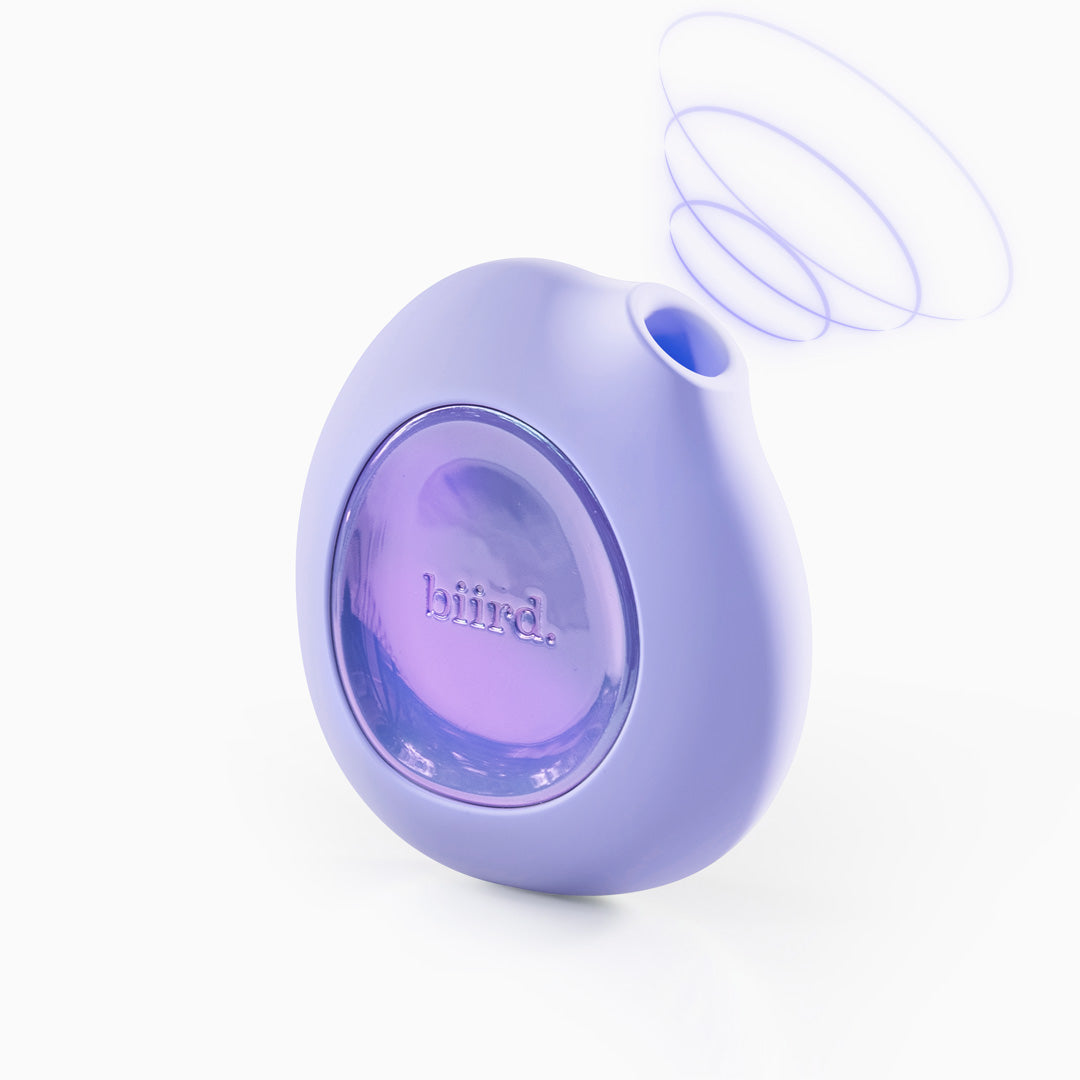
The Lumii clitoral suction stimulator is a great option to revisit once you've fully healed. It's contactless by design, using air pulse technology rather than direct rubbing, which makes it much gentler on sensitive tissue during recovery or just after. And once you're totally clear? Honestly, it's worth every second of that wait.
Frequently Asked Questions
Can having sex make a yeast infection worse?
Yes, sex during an active yeast infection can worsen symptoms by further irritating already inflamed tissue. It can also displace topical antifungal treatments before they've had time to work, prolonging recovery.
Can I give my partner a yeast infection during sex?
Yes, it's possible to transfer Candida to a partner through vaginal, oral, or anal contact, even though yeast infections aren't classified as STIs. Many partners exposed during sex never develop symptoms, but some do. Using a condom reduces but doesn't eliminate this risk.
How long after a yeast infection treatment can I have sex again?
Most healthcare providers recommend waiting at least 48 to 72 hours after a single-dose oral antifungal, or until you've completed a full topical treatment course (usually 1 to 7 days) and are completely symptom-free. Some guidelines suggest waiting a full 7 days to be safe. Symptoms should be entirely gone before resuming sex.
Is oral sex safe during a yeast infection?
Not really. Giving or receiving oral sex during a yeast infection carries real transmission risks. Candida can transfer to your partner's mouth, potentially causing oral thrush. Using a dental dam or condom reduces but doesn't fully eliminate this risk.
Should my partner be treated if I have a yeast infection?
If your partner has symptoms, yes, they should seek treatment. Symptom-free partners don't typically require routine treatment. However, if you experience recurrent yeast infections, your partner may be a carrier and treating both of you simultaneously may help break the cycle.
Can I use sex toys during a yeast infection?
Using toys that contact the infected area is not recommended during an active yeast infection. If you do use a toy, sanitize it thoroughly before using it again to prevent re-infection. External toys that avoid direct vulvar contact carry a lower risk but should still be cleaned carefully.
Does using a condom protect against transmitting a yeast infection?
Condoms reduce but don't fully prevent Candida transmission since the fungus can be present on skin not covered by a condom. They also help keep antifungal creams in place during treatment. Using one is smarter than not, but waiting until fully recovered is the safer choice.
Can a yeast infection come back after sex?
Yes. Having sex before fully clearing a yeast infection, especially unprotected sex, can cause reinfection from a partner who was exposed. Resuming sex too early can also disturb the vaginal environment before it has fully rebalanced. Waiting until completely symptom-free is the best way to avoid a repeat.

