Add ¥1,938 to get Free Gift


You grab whatever's in the cabinet. Coconut oil. Vaseline. Olive oil from the kitchen counter. No judgment. But here's the thing nobody spells out clearly: not all slippery things belong near your most sensitive skin.
This conversation matters more than most people realize. The wrong lubricant doesn't just cause discomfort. It can genuinely shift the bacterial balance inside your body, irritate delicate tissue, or silently wreck your contraception. So let's actually talk about it.
What's Even in These Things? A Quick (Non-Boring) Breakdown
Petroleum-based lubricants. think Vaseline, mineral oil, baby oil. are derived from crude oil, refined to varying degrees. They're thick, long-lasting, and deeply moisturizing for skin. That sounds great on paper. The problem is your vagina is not your elbow.
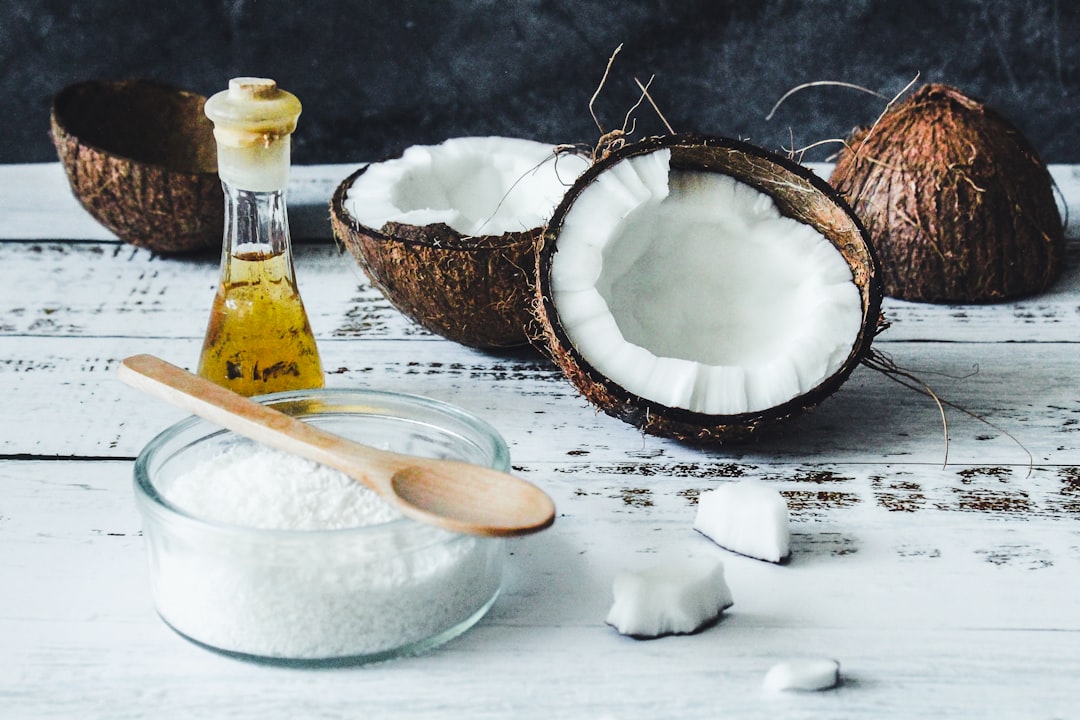
Natural oils are a different category entirely. Coconut oil, almond oil, olive oil, avocado oil. They come from plants, they feel luxurious, and they've become the darling of "clean beauty" culture. But plant-derived doesn't automatically mean body-safe in every context.
Both types are oil-based. That single fact has enormous implications for how you use them, with whom, and with what.
The Condom Problem No One Talks About Loudly Enough
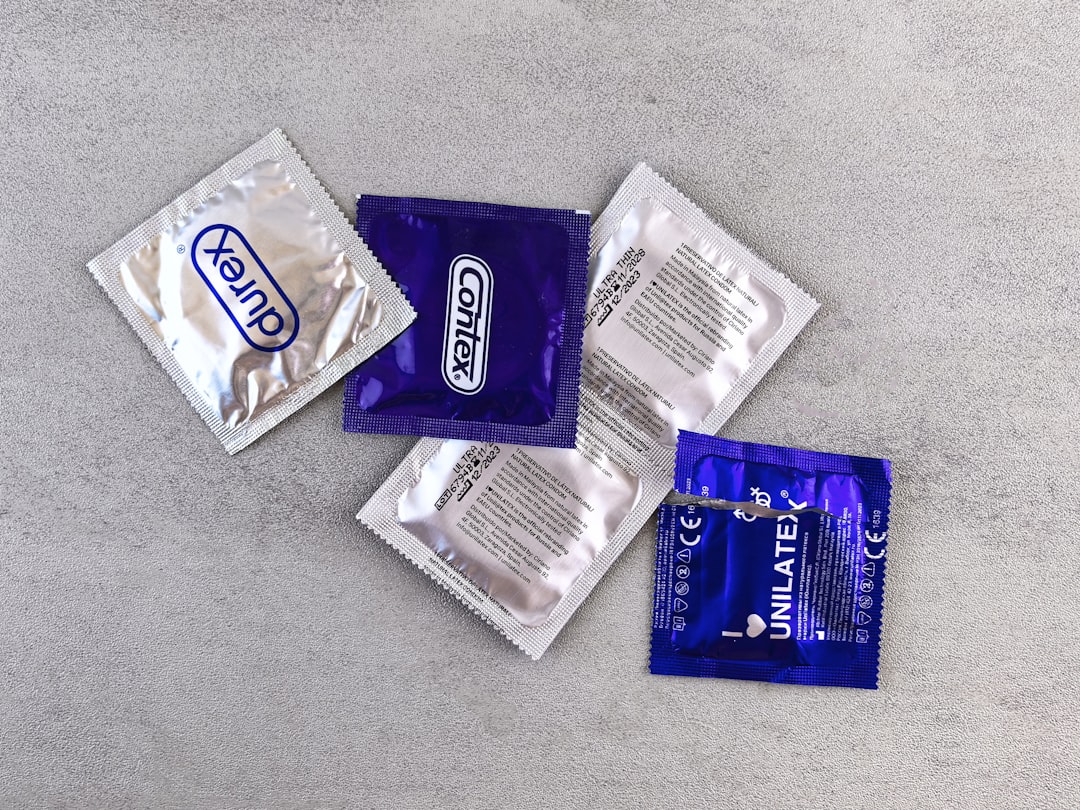
Here's the hard rule. Oil and latex do not get along.
Whether you reach for coconut oil or a tub of petroleum jelly, if you're using latex condoms or dental dams, any oil-based product will degrade the material. We're talking microtears you can't see, happening fast, which means your protection against STIs and unintended pregnancy can fail without warning. If barrier methods are part of your safer sex toolkit. and they really should be for many people. this alone is reason enough to keep oils out of the rotation for penetrative sex with condoms.
Polyurethane condoms are generally oil-compatible, but always check the packaging. Don't assume.
Petroleum Jelly and the BV Risk You Need to Know
A 2013 study of 141 women found that those who used petroleum jelly as a sexual lubricant had a notably higher risk of developing bacterial vaginosis compared to those who used other options (Fashemi et al., 2013). That's not a small footnote. That's a real finding.
Petroleum jelly is not water-soluble. It coats tissues and doesn't rinse away easily. That lingering film can trap bacteria and disrupt the vaginal pH that works hard to keep things balanced. The vagina is self-cleaning. it doesn't need help. but it does need you to stop working against it.
Most gynecologists actively advise against using petroleum jelly vaginally. The same goes for mineral oil and baby oil. Great for skin, problematic for the vaginal microbiome.
So Natural Oils Are the Answer, Right?
Not automatically. Natural oils are less disruptive than petroleum products for most people, but they still carry risks worth knowing.
Coconut oil, the most popular choice, has some natural antifungal properties. But those same properties can actually disrupt the balance of good bacteria in the vagina for people who are already prone to yeast infections or bacterial vaginosis. The oil's thick, lingering film can trap microbes and alter vaginal pH over time. So if you get infections frequently, coconut oil probably isn't your friend in that context.
Olive oil and almond oil are gentler for many people but can still leave residue. They're also prone to going rancid, which nobody wants near sensitive tissue.
The bottom line: natural oils are generally less harmful than petroleum products for vaginal use, but neither is the ideal lubricant for most sexual activity.
Where Natural Oils Actually Shine
External use is a completely different story. Massages, external vulvar dryness, non-penetrative intimacy where latex isn't involved. these are contexts where a high-quality natural oil like fractionated coconut oil or jojoba can genuinely feel wonderful and cause minimal harm.
They're also great for solo sessions without condoms, for people whose vaginal flora tends to be stable and resilient. Your body knows itself. Pay attention to it.
If you're incorporating couples toys made from silicone, however, note that oil can degrade silicone toys over time. always check material compatibility before you reach for any oil.
What Actually Makes a Lubricant Safe?
Safety comes down to a few core criteria. pH compatibility (vaginal pH sits around 3.8-4.5, so your lube should ideally be within that range). Osmolality, which is how your lube interacts with cell walls. condom compatibility. And ingredient transparency.
Water-based lubricants check the most boxes for most people. They're compatible with latex, easy to clean up, and generally gentler on vaginal tissue. Silicone-based lubes last longer and are water-resistant. great for shower situations. but aren't compatible with silicone toys.
For people who love the feel of an oil-based product, specially formulated oil-based intimate lubricants exist. They're designed with pH and microbiome in mind, unlike a jar of Vaseline or a bottle from your kitchen shelf.
Toy Compatibility Matters Too
If you use clitoral vibrators or any silicone-made pleasure products, oil degrades silicone over time. You won't see it happening, but the material breaks down at a microscopic level and becomes a harbor for bacteria. Stick to water-based lubricants with silicone toys, every time.
Something like the Berri tapping clitoral massager pairs beautifully with a water-based lube. It keeps the toy safe and your skin happy.
Namii 2, the clitoral suction and vibrator from our Biird collaboration, is another product where you want to be intentional about lube choice. Water-based, always.

The Honest Comparison: Natural Oil vs Petroleum
Petroleum-based products are harder to wash off, more likely to disrupt vaginal flora, linked to bacterial vaginosis in research, and generally not recommended by gynecologists for internal use. Natural oils are less chemically aggressive but still oil-based, still latex-incompatible, and still capable of disrupting a sensitive microbiome for some people.
Neither is the ideal choice for most sexual lubrication scenarios.
But natural oils come out slightly ahead for most people when condoms aren't involved and for external use. Just don't treat "natural" as a synonym for "risk-free."
Who Should Be Extra Careful
If you're prone to BV or yeast infections, both petroleum and natural oil lubes deserve extra caution. If you use latex condoms or dental dams, avoid both categories entirely for penetrative sex. If you have a known sensitivity or allergy, patch test any oil on your inner wrist before it goes anywhere else. And if you're exploring vibrators for women or any silicone toys, water-based is your non-negotiable. Your pleasure deserves the right foundation.
Bottom Line
Your body is not a one-size-fits-all situation. But the evidence is clear enough to say: purpose-made intimate lubricants, particularly water-based formulas, are the safest default for most people most of the time. Natural oils have a place, just a more specific one than social media would have you believe. And petroleum jelly belongs on your lips in winter, not inside you.
Want to make your journey even more exciting? I've handpicked some amazing toys and goodies at Hello Nancy that'll add extra sparkle to your intimate moments. (Here's a little secret. use 'dirtytalk' for 10% off!)
Frequently Asked Questions
Is it safe to use coconut oil as a sexual lubricant?
Coconut oil is generally safer than petroleum jelly for most people when used externally or internally without latex condoms. However, it degrades latex condoms and can disrupt vaginal pH for people prone to bacterial vaginosis or yeast infections. If you're infection-prone, a purpose-made water-based lube is a better choice.
Can you use Vaseline or petroleum jelly as a lubricant?
Most gynecologists advise against using Vaseline or any petroleum jelly vaginally. Research has linked it to an increased risk of bacterial vaginosis. It also doesn't wash off easily, which can leave a film that traps bacteria and disrupts vaginal balance.
Do natural oils break down condoms?
Yes. All oil-based products, including natural oils like coconut, olive, or almond oil, degrade latex condoms and dental dams. This can cause microtears that reduce protection against STIs and pregnancy. Only use water-based or silicone-based lubricants with latex barrier methods.
What lubricant is safest for vaginal use?
Water-based lubricants are considered the safest default for vaginal use because they're compatible with condoms, easy to rinse off, and gentle on vaginal tissue. Look for formulas that are pH-balanced (around 3.8-4.5) and free from glycerin, parabens, and fragrances.
Can I use olive oil as lube?
Olive oil can be used for external sexual activity without latex protection, but it isn't ideal for internal vaginal use. It can go rancid, leave residue, and degrade latex condoms and silicone toys. It's better suited for massage or external use than as a regular intimate lubricant.
Does using oil as lube increase the risk of yeast infections?
It can, especially for people already prone to yeast infections. Oils can alter vaginal pH and create an environment where yeast thrives. If you experience frequent yeast infections, it's best to avoid oil-based lubricants entirely and opt for a pH-balanced water-based formula instead.
Are natural oils safe to use with sex toys?
Not with silicone toys. Oil breaks down silicone at a microscopic level over time, making the surface porous and harder to clean. This creates a breeding ground for bacteria. Use water-based lubricant with any silicone toy. Glass and stainless steel toys are generally oil-compatible, but always check manufacturer guidance.
What is the difference between oil-based and water-based lubricants?
Water-based lubes are condom-compatible, easy to clean, and gentle on vaginal tissue. They may need reapplication. Oil-based lubes last longer and feel silkier but degrade latex condoms, can disrupt vaginal flora, and don't wash off easily. Each has its place. water-based is the safer everyday default.