Add ¥2,003 to get Free Gift


Something happens the moment you decide to actually talk about what you want in bed. Suddenly everything gets more interesting.
If you've been curious about BDSM but felt like the whole world came with a secret decoder ring you weren't given, the yes/no/maybe list is your starting point. It's not a test. It's not a contract. It's a conversation on paper, and honestly, it changes everything.
What Is a BDSM Yes/No/Maybe List, Exactly?
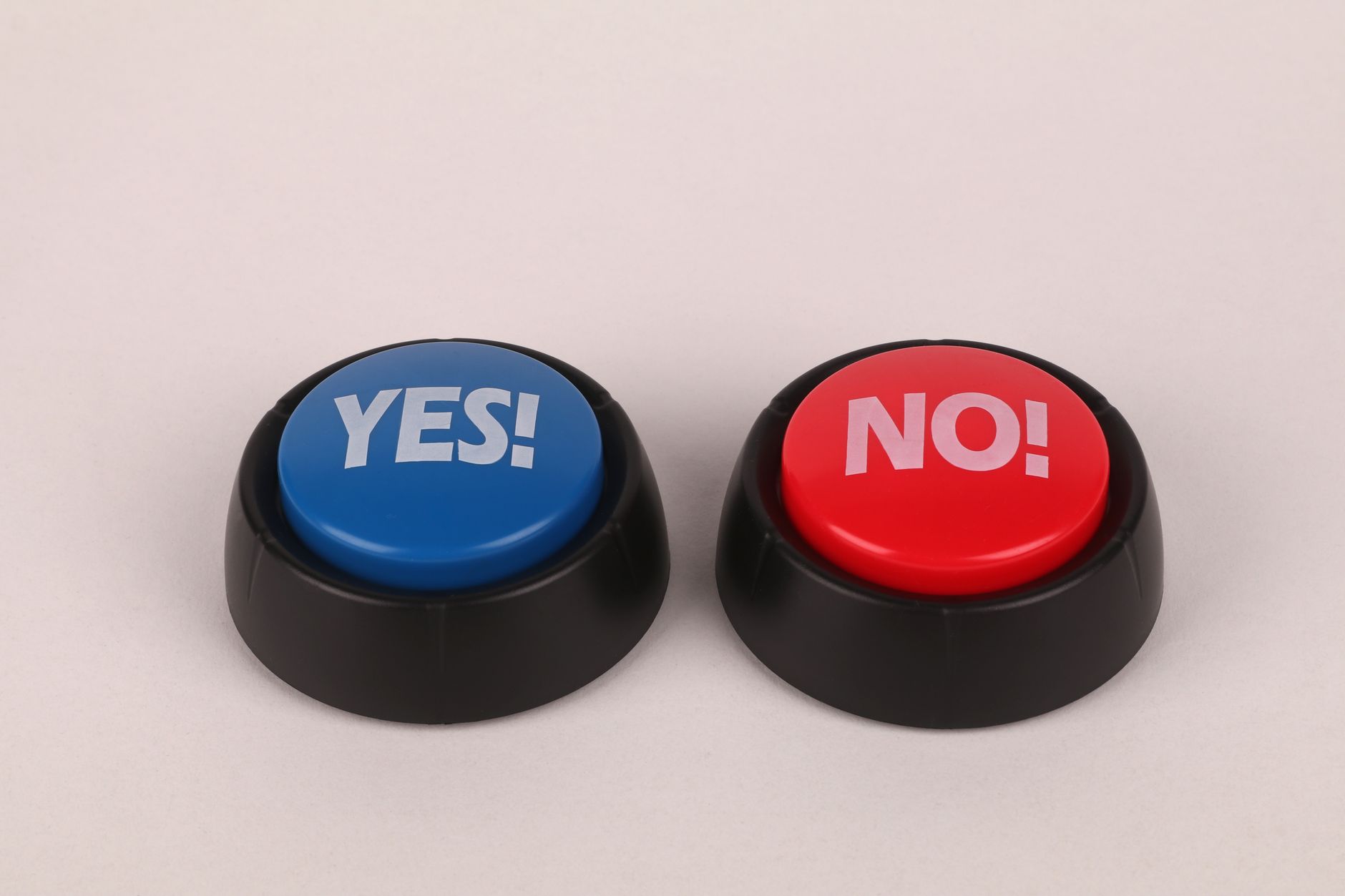
A yes/no/maybe list is a structured checklist that lets you and your partner independently review a range of activities, desires, and boundaries. You each mark every item as something you'd enthusiastically try (yes), something you're not interested in (no), or something you're genuinely open to but uncertain about (maybe). Then you compare notes.
Simple. Brilliant. Deeply intimate.
The tool has its roots in the BDSM and kink community, where open negotiation before play is considered non-negotiable. But here's the thing: it works for anyone, at any relationship stage, even couples who've been together for years and think they know everything about each other. Spoiler: there's almost always something surprising in the maybe column.
According to research published on DanceSafe's consent toolbox series, comparing lists and discussing the "maybes" specifically, not to change anyone's mind but to understand the thinking behind them, is one of the most valuable parts of the whole exercise.
Why Beginners Especially Need This Tool

When you're new to exploring kink and BDSM, the gap between "what you've heard about" and "what you actually want to try" is enormous. Without a framework, conversations about desires can feel overwhelming, awkward, or even impossible to start.
That's where the checklist earns its reputation.
Instead of sitting across from your partner and trying to spontaneously explain that you've been curious about bondage, sensation play, or kinky foreplay ideas you've been secretly researching at midnight, you both just fill out the list privately first. The paper does the heavy lifting. You just show up for the conversation that follows.
There's also something genuinely liberating about marking "maybe" next to something you're uncertain about. It signals openness without pressure. And that combination, curiosity without obligation, is exactly what good consent looks like.
The Foundation: Safe, Sane, and Consensual (SSC)
Before you even pick up a pen, one framework matters above everything else. The BDSM community has long operated under the principle of Safe, Sane, and Consensual, or SSC for short.
Safe means taking informed precautions to minimize physical and emotional risk. Sane means engaging from a clear, grounded headspace, not under the influence of substances or strong emotional distress. Consensual means every activity has been explicitly agreed to by all parties involved, freely and enthusiastically. This framework isn't bureaucracy. It's what makes exploration actually feel good.
How to Build Your Own Beginner BDSM Checklist

Building yours doesn't have to be complicated. Think of it in categories, covering physical sensations, power dynamics, roles, and emotional needs.
Sensations and Physical Play
This is often where beginners start. Consider activities like light spanking, hair pulling, scratching, biting, temperature play (think ice cubes or warm wax), and blindfolding. These sit at the gentler end of the spectrum and are perfect entry points. Mark each one yes, no, or maybe. Be honest. Nobody's grading you.
Bondage and Restraint
Restraint covers a surprisingly wide range. Silk ties or scarves feel very different from rigid restraints. Being held down by a partner's hands is different again. For beginners, starting soft and simple is always the right call. Add "type of restraint" as a note next to your answer, because specificity matters.
If you're the one curious about being restrained, being able to say "yes, with a quick-release mechanism in place" is just as valid as a plain yes. Nuance is welcome here.
Power Exchange and Role Dynamics
This is the heart of BDSM for many people. Dominance, submission, control, service, and authority all live in this category. Mark whether you're interested in being the one giving direction (dominant) or receiving it (submissive), or whether you're curious about switching between both roles.
Power dynamics also extend beyond the bedroom. Some people enjoy elements of 24/7 dynamic arrangements, and others keep things strictly scene-based. Both are completely valid. Your checklist should reflect your actual curiosity, not what you think you're supposed to want.
Dirty Talk, Degradation, and Praise
Verbal play is often underestimated as a category, but it can be deeply powerful. Some people love being praised, called good, and affirmed. Others are curious about consensual degradation or commanding language. These are separate preferences, and people can want one without the other.
Be specific here if you can. "I like being told I'm doing well" versus "I'm interested in harsh commands" are meaningfully different, and your checklist is the place to say so.
Aftercare Needs
Aftercare deserves its own section on your checklist, full stop. It's the care that happens after a scene: physical comfort, emotional reassurance, time to decompress, or simply being held quietly. What you need in those moments matters just as much as what happens during play. Asking for aftercare isn't weakness. It's wisdom.
For a deeper look at why this matters even for solo exploration, aftercare for solo play is a genuinely illuminating read.
The "Maybe" Column Is Where the Magic Lives
Here's what most guides skip over: the maybe column is not a cop-out. It's not "I'm too embarrassed to say yes". It's a genuine, important third category that says "I'm curious but I need more information, conversation, or context before I decide."
Things land in the maybe column for all kinds of reasons. Something might sound interesting in theory but unknown in practice. Something might appeal in a specific context but feel wrong in others. Or you simply haven't thought about it enough to feel confident either way.
When you and your partner compare lists, the maybes are where the best conversations happen. Approach them with curiosity, not pressure. "Tell me more about what appeals or worries you here" is always the right question.
Comparing Your Lists: A Practical Approach
Once you've both filled out your checklists separately (separately matters, no peeking), sit down and compare them in a relaxed, neutral setting. Not in bed. Not immediately before play. A couch, a kitchen table, or a quiet café works fine.
Start with mutual yeses. These are your green-lit areas where both of you are enthusiastic. Then move to the maybes that overlap, where one or both of you feel curious. Finish by acknowledging hard nos, with zero pressure to explain them unless someone genuinely wants to share. A no is always a complete answer.
If you're looking to warm things up with the best foreplay games for couples before your first BDSM scene, that's a genuinely good idea. Easing in creates safety.
Safewords: The Other Essential Tool
No beginner's guide to BDSM is complete without a clear conversation about safewords. A safeword is a pre-agreed word or signal that means stop immediately, no questions, no negotiation. The classic traffic light system works well: red means full stop, yellow means slow down or check in, green means everything is good.
Choose words that would never come up naturally during play. "Pineapple" works. "Banana" works. "No" and "stop" often don't work because those words can be part of consensual roleplay. Whatever you choose, both of you need to know it before anything starts.
Your Checklist Isn't a One-Time Thing
Here's the part most people don't realize: the list evolves. What felt like a firm no six months ago might have shifted to a maybe. What you were curious about might have moved from maybe to yes or been crossed off entirely after trying it once.
Revisit your checklist every few months, or whenever you're about to explore something new. Desires change. Relationships grow. Comfort levels shift. The checklist is a living document, not a binding contract, and treating it that way keeps communication healthy and ongoing.
For anyone navigating feelings of shame around their curiosity, healing sexual shame is a topic worth spending time with. You deserve to explore without apology.
Toys That Complement BDSM Exploration
Some couples toys pair beautifully with the kind of exploration a yes/no/maybe list opens up. If your checklist reveals mutual interest in sensation play and adding vibration to the mix, the Pixie remote-controlled panty vibrator is worth a close look. Its partner-controlled design fits naturally into power dynamic play, and the remote element adds a layer of anticipation that's genuinely exciting.

For those whose checklists light up around clitoral stimulation, exploring clitoral vibrators designed with varied intensity settings gives you full control over your experience, exactly the kind of agency that makes good exploration possible.
Bottom Line
The yes/no/maybe list isn't just a beginner's tool. It's one of the most honest, caring things you can do for a relationship at any stage. It says: your desires matter, my desires matter, and we're going to figure out where those overlap together.
Start simple. Be honest. Embrace the maybes. And remember that the conversation the list starts is more valuable than any single item on it.
Want to make your journey even more exciting? I've handpicked some amazing toys and goodies at Hello Nancy that'll add extra sparkle to your intimate moments. (Here's a little secret, use 'dirtytalk' for 10% off!)
Frequently Asked Questions
What should a BDSM yes/no/maybe list include for beginners?
A beginner's checklist should cover physical sensations (spanking, biting, temperature play), restraint types, power dynamics and roles, verbal play preferences, and aftercare needs. Starting broad and then getting specific as you grow more comfortable is the best approach. Don't pressure yourself to have an answer for everything right away.
How do you use a yes/no/maybe list with a partner?
Fill out the list separately, without discussing it beforehand. Then compare your answers in a relaxed, pressure-free setting. Start with your mutual yeses, explore the maybes with curiosity, and respect every no without demanding an explanation.
Is a yes/no/maybe list only for BDSM relationships?
Not at all. The list works for any couple at any stage of a relationship, whether you're exploring kink for the first time or simply wanting to deepen communication about desires and boundaries. Many therapists and sex educators recommend it as a general intimacy tool.
What does "maybe" mean on a BDSM checklist?
Maybe means you're curious or open but need more information, context, or conversation before committing. It's not a weak answer. It's an invitation to talk more. Many people find that their most exciting discoveries come directly from exploring the maybe column together.
How often should you update your BDSM yes/no/maybe list?
Revisit it every few months or any time you're about to explore something new together. Desires, comfort levels, and curiosity all shift over time, and your checklist should reflect where you actually are right now, not where you were a year ago.
Do you need a safeword if you're using a yes/no/maybe list?
Yes, always. The checklist is for pre-scene negotiation, but a safeword is your in-the-moment tool to pause or stop play at any point. They work together, not instead of each other. Agree on a safeword before any BDSM activity, every single time.
Can a BDSM checklist help with sexual shame or embarrassment?
Yes, significantly. Filling out a list privately before sharing it removes the pressure of having to say something out loud cold. Many people find it much easier to check a box on paper than to voice a desire directly, making the checklist a genuinely shame-reducing tool for communication.
What is the SSC principle in BDSM and why does it matter for beginners?
SSC stands for Safe, Sane, and Consensual. It's the foundational ethical framework of the BDSM community. For beginners, understanding SSC means knowing that responsible exploration is always grounded in informed risk-taking, clear-headed decision-making, and enthusiastic mutual agreement.