Add ¥1,934 to get Free Gift


Something hurts, but you can't quite name it. That's the almost relationship. It lives in that unbearable grey zone between "just friends" and "actually together."
You text constantly. You laugh easily. You know each other's coffee orders, their childhood fears, the specific tone of voice they use when they're pretending to be fine. But if someone asked you what you are, you'd stumble over your own answer.
And that stumble? That's the whole problem.
What Is an Almost Relationship, Really?

An almost relationship is what happens when two people share real emotional intimacy without ever committing to anything real. Think of it as a relationship with all the feelings and none of the structure. Psychology researchers call it relational ambiguity, and the data is not comforting. Research published in Psychology Today confirms that relational ambiguity has been found to increase anxiety, rumination, and attachment insecurity. So if you've been feeling quietly unhinged about someone who technically hasn't done anything "wrong," that's not your anxiety being dramatic. That's your nervous system accurately reading the situation.
The tricky part is almost relationships feel real enough to keep you hooked, but undefined enough to leave you with no legitimate claim to your own feelings. You can't say "my partner did this," so you end up quietly suffering and telling yourself it's fine.
It is not fine.
Sign 1: You're Always Available, But Never Prioritized

Here's a pattern worth paying attention to. You rearrange your Thursday night plans the moment they text. You keep your weekends loosely free, just in case. But when you actually need something, a last-minute favor, emotional support on a hard day, someone to show up, they're suddenly very busy.
Availability flowing one direction is not a partnership. It's a convenience arrangement.
In a healthy relationship, both people feel like a priority some reasonable percentage of the time. When you're in an almost relationship, you've unconsciously accepted the role of "always there" without ever being offered the title or the reciprocity that should come with it. The worst part is that nobody explicitly agreed to this dynamic. It just slowly became the rule.
Sign 2: The Future Is a Conversation You Can Never Quite Have
Every time the conversation drifts toward "so what are we actually doing?" something interrupts it. A joke lands at exactly the right moment. Their phone buzzes. The vibe shifts. Suddenly you're talking about something else entirely, and you don't know how you got there.
This is not accidental.
When someone genuinely wants a future with you, they don't feel threatened by conversations about the future. They might feel nervous, sure. But they engage. They show up in the discomfort because they care more about you than about keeping things comfortable. When someone avoids that conversation persistently, they're telling you something really clearly. You just don't love the answer, so you keep giving them chances to say something different.
Sign 3: Intimacy Goes Up, Commitment Talk Goes Down

This one is subtle and absolutely devastating. The emotional intimacy deepens. The physical closeness increases. You feel seen, wanted, chosen. Then the moment you try to name what this is, the temperature drops ten degrees.
Intimacy without commitment is a trap dressed up as connection.
People in almost relationships often get more vulnerable, more emotionally invested, and more attached over time, while the actual relationship status remains exactly where it started. Your heart is doing all the relationship math as if you two are officially together. But the terms were never agreed upon. This mismatch between felt connection and official commitment is exactly what emotional health researchers point to as a primary driver of self-worth erosion in situationships.
Sign 4: You're Editing Yourself to Keep the Peace

You catch yourself not sending that text because it might seem "too much." You don't bring up the fact that they cancelled twice in a row because you don't want to rock the boat. You laugh off the thing that actually stung.
That constant self-editing? It is emotional labor with no return on investment.
In a grounded, secure relationship, you don't spend enormous energy managing how your needs come across. You trust that expressing yourself won't blow everything up. Almost relationships train you to believe your needs are a liability, that wanting more will scare them off, that asking direct questions is somehow unreasonable. None of that is true. But after months of operating that way, the belief gets baked in, and it starts to feel normal to make yourself smaller for someone who never even asked you to commit to them.
Sign 5: Your Body Knows Before Your Brain Does
You feel a low-level anxiety you can't fully explain. There's a vague sense of dread every Sunday evening. Your stomach does something particular when their name appears on your screen, and it's not entirely a good feeling. It's a mix of excitement and dread, which, let's be honest, is not how joy is supposed to feel.
Your nervous system is not confused. It's cataloguing data.
That anxious undercurrent you've been living with is your body tracking the inconsistency, the hot-and-cold energy, the absence of safety. Chronic relational stress from ambiguous dynamics has been linked to sleep disruption and persistent low-grade anxiety. Your body was sounding the alarm long before your mind was ready to listen. Now might be a good time to start paying attention.
How to Actually Deal With It

First, get clear on what you actually want. Not what seems reasonable, not what they seem capable of giving. What do you want? Because your pleasure, your emotional life, and your time are all worth protecting. Starting from that truth changes the entire conversation.
Then, have the direct conversation. Not as an ultimatum dressed in anxiety, but as a real, calm statement of where you are. Something like: "I've really valued what we have. I also need more clarity about where this is going for me to keep investing in it." That's not dramatic. That is self-respecting.
If their response is deflection, vagueness, or making you feel like you asked for something unreasonable, that is your answer. A clear "I don't want a relationship right now" is painful but usable. Endless ambiguity is not. When someone is genuinely interested in building something real with you, they don't make you feel like an inconvenience for asking. They meet you in it.
Sometimes the healthiest thing you can do is exit the grey zone entirely. Creating space from someone you care about is genuinely hard. But staying in a dynamic that slowly erodes your self-worth is harder in the long run. The almost relationship borrows your time and emotional energy now and repays nothing later. You deserve something that is fully, unambiguously yours.
And while you're doing that important work of reclaiming your emotional clarity, it's worth investing energy back into yourself in whatever ways feel good. If that includes clitoral vibrators or solo pleasure practices that remind you your body is wonderful and deserving of care, then absolutely lean into that. Pleasure and self-respect are not separate things. They belong to the same life.
If you want some inspo on how to reconnect with yourself on your own terms, the best masturbation positions for women guide is a genuinely good starting point for reclaiming that relationship with your own body.
For couples toys and intimate products that actually support the kind of mutual, equal pleasure that real relationships are built on, it's worth exploring options when you're ready.
Sometimes you also need a little help from the Berri edging clitoral massager, which is the kind of slow-build, on-your-own-terms pleasure that feels really different from someone else's hot-and-cold energy. Just saying.
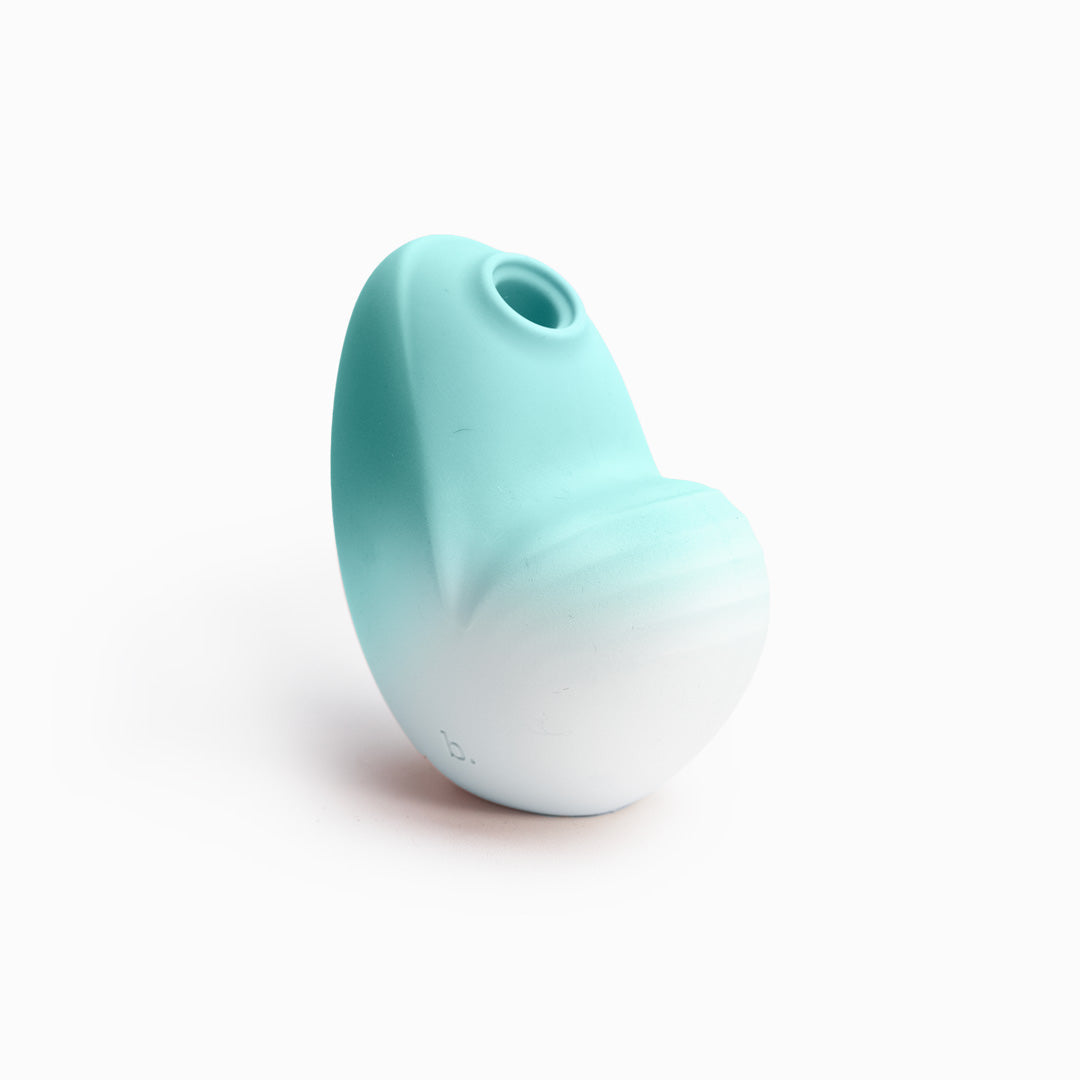
The Namii 2 is a clitoral suction toy worth knowing about. Gentle, responsive, and built for exactly the kind of pleasure that belongs to you and nobody else.
Bottom Line
The almost relationship is not a small thing. It costs real emotional energy, real time, and often real confidence. Naming what it is, clearly and without softening it, is the first step to getting out from under it. You are not too much. You are not unreasonable for wanting something defined. You are not dramatic for needing clarity.
You just deserve a full yes.
Want to make your journey even more exciting? I've handpicked some amazing toys and goodies at Hello Nancy that'll add extra sparkle to your intimate moments. (Here's a little secret — use 'dirtytalk' for 10% off!)
Frequently Asked Questions
What is the difference between an almost relationship and a situationship?
They overlap a lot, and most people use them interchangeably. A situationship tends to describe a more casual, often physical arrangement without romantic commitment. An almost relationship usually carries deeper emotional investment from at least one person, where feelings are real but the label never comes. The pain is similar either way.
How long do almost relationships typically last?
They can last anywhere from a few weeks to several years, which is part of what makes them so draining. Without a defined structure, there's no natural endpoint, so they tend to continue until one person either forces a direct conversation or quietly pulls away. The ambiguity itself is what keeps them going.
Can an almost relationship turn into a real relationship?
Yes, it can. But it requires one person to clearly name what they want and the other to respond with an equally clear yes. Hoping the dynamic gradually evolves on its own rarely works. The person who has been avoiding commitment usually needs a direct, low-pressure conversation to move in either direction.
Why do almost relationships hurt so much even though you were never officially together?
Because the emotional investment was real, even if the label wasn't. Your brain doesn't distinguish between a labelled relationship and an unlabelled one when it comes to attachment. The loss is genuine. The grief is real. The fact that you were "never official" doesn't make the pain smaller. It just makes it harder to justify to other people.
How do I bring up the "what are we" conversation without scaring them off?
Lead with your own experience rather than a demand. Try something like: "I really value what we have, and I'd love to know where you see this going." Keep it calm and genuinely curious rather than accusatory. And remember: if they get scared off by a straightforward, kind question about your connection, that is also extremely useful information about whether this is going anywhere.
Is it possible to be in an almost relationship without realizing it?
Absolutely. Almost relationships are designed to feel like almost-enough. The connection is real, the chemistry is there, and the hope keeps filling in the gaps where commitment should be. Most people only recognize the pattern in retrospect, once the ambiguity has gone on long enough to start causing visible damage to their self-esteem or daily mood.
What does it mean if someone keeps you in an almost relationship for months?
It usually means they enjoy what they're getting without wanting the responsibilities that come with commitment. That's not always malicious. Sometimes people are genuinely confused about their own feelings. But regardless of their internal reasoning, the impact on you is the same. You deserve clarity, not indefinite waiting.
How do I get over an almost relationship when there was no official breakup?
Give yourself permission to grieve it as a real loss, because it was one. Don't minimize what you felt just because it didn't have a formal title. Create distance from the person if you can. Talk about it with people who won't brush it off with "but you weren't even together." Rebuilding your sense of self after an almost relationship takes real time and real tenderness toward yourself.