Add $94.20 to get Free Gift



Something shifts, and you notice it before you can name it. The texts feel a little slower. The butterflies have gone quieter. You're not arguing, but you're not electric either.
This is the honeymoon phase ending. And I promise you, it is not the beginning of the end.
What Actually Happens to Your Brain When the Spark Fades

Here's what nobody tells you when you're deep in the giddy, can't-stop-texting stage. A 2020 study published in Frontiers in Psychology found that early romantic love is maintained by dopamine-rich and oxytocin-rich regions of the brain, essentially the same circuits tied to reward, motivation, and craving. Your brain on new love is running a kind of beautiful, chemical high. A 2015 study out of New York University found that this honeymoon phase can last up to 30 months. Two and a half years. So when those feelings settle, it doesn't mean your relationship is broken. It means your nervous system finally exhaled.
The shift from infatuation to genuine attachment is biology doing exactly what it's built to do.
And yet, it can feel like grief. We've been sold the idea that love should always feel urgent and breathless, and when it stops, we panic. We wonder if we chose wrong, if the passion is gone for good, or if something in us broke. None of that is true. What's actually happening is that your relationship is graduating from a chemistry experiment into something far more layered and real. The question is whether you're willing to build what comes next.
Comfort vs. Stagnation: How to Know the Difference

Not every quiet period means trouble. Comfortable gets a bad reputation it genuinely does not deserve.
The real relationship red flags aren't familiarity or silence. They're contempt, stonewalling, and persistent emotional unavailability. Relationship researcher Dr. John Gottman, who spent decades studying couples, identified contempt as the single greatest predictor of relationship breakdown. Contempt isn't frustration. It's when you stop seeing your partner as an equal and start treating them like someone beneath your patience. That is worth worrying about. Not the fact that you can now eat in silence without it feeling awkward.
Comfort is intimacy wearing its house clothes.
How to Rebuild Desire (And No, It's Not About Date Nights)

Every relationship article you've ever read will tell you to book a date night. I'm going to give you something more useful.
Desire in a long-term relationship is less about novelty and more about presence. Esther Perel, the celebrated relationship therapist and author of Mating in Captivity, argues that desire is kept alive by mystery and separateness. When we see our partners as fully known and entirely predictable, we lose the erotic pull that comes from reaching toward someone just slightly out of grasp. The antidote isn't a fancy dinner. It's allowing both of you to remain surprising. Pursue your own interests. Come home with stories they didn't know yet. Let them do things without you. This creates emotional breathing room, and desire needs room to move.
You can't miss someone who never leaves the room.
This matters for your physical connection too. If intimacy has gone flat, the issue usually isn't frequency. It's that curiosity has left the building. Slowing down, asking different questions in and out of the bedroom, trying something neither of you has done before. These shifts genuinely rewire closeness. Couples who explore together, whether that's new experiences, new conversations, or toys for couples designed to reignite sensation, tend to report much higher satisfaction over time. The exploration itself is the point.
The Communication Skills Nobody Actually Taught You
Most of us learned to argue from people who were also bad at it.
Post-honeymoon conflict has a very specific texture. It's less dramatic than early passionate fights and far more grinding. It's the same disagreement about dishes that somehow becomes a disagreement about respect, which somehow becomes a disagreement about whether you even want the same life. Sound familiar? The problem was never the dishes. Unspoken needs have been quietly stacking for months, and now they're all showing up dressed as a chore argument. That's what makes it so exhausting.
Name the feeling before you name the problem.
Instead of "you never help," try "I've been feeling invisible lately, and I need to talk about that." It sounds small but it completely changes the conversation. You're no longer attacking. You're inviting. And when your partner doesn't feel cornered, they're far more able to actually hear you. This is the shift that saves relationships after the honeymoon, not grand gestures, but the daily practice of choosing honesty over resentment.
Keeping Physical Intimacy Alive When Life Gets Loud
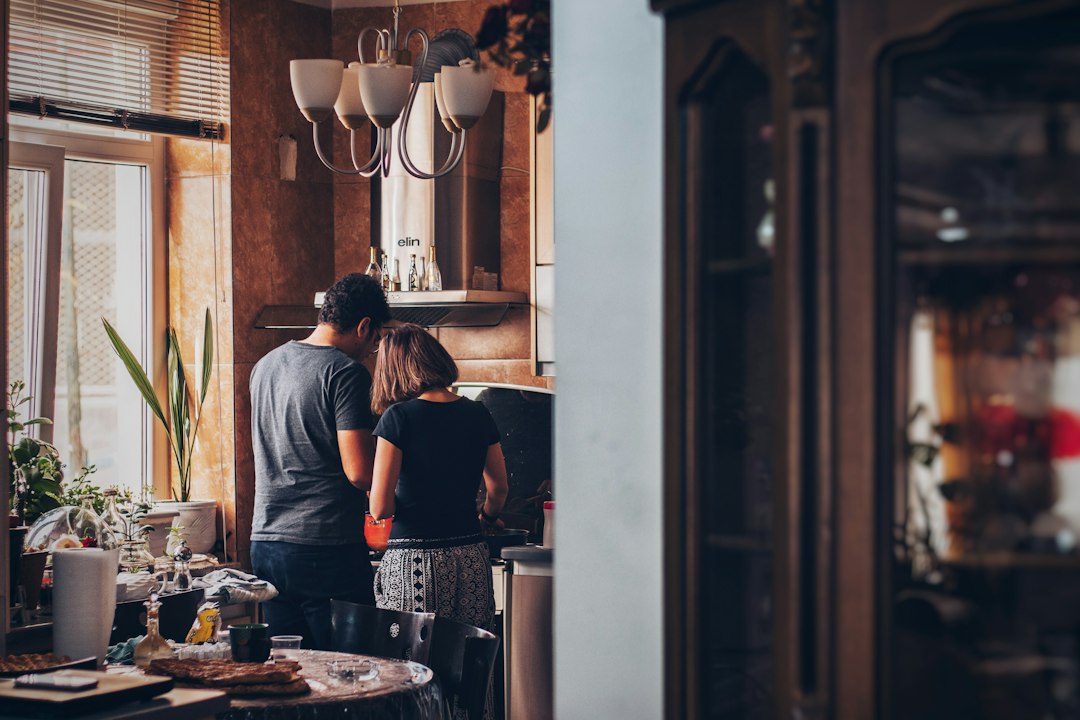
Life after the honeymoon phase brings jobs, fatigue, and the audacity of Tuesday evenings that feel too tired for anything.
But physical intimacy doesn't need to be a production. It lives in small, consistent touchpoints: the hand on the back passing through the kitchen, the deliberate eye contact across a room, the ten-second hug that researcher Dr. Jan Kerstin Uvnäs Moberg has linked to oxytocin release and genuine stress reduction. These aren't consolation prizes for not having wild passionate sex. They are the infrastructure that makes desire possible. You can't skip the foundation and wonder why the building won't stand.
And when you do want to go deeper? ✨
That's a great time to bring in something new. If clitoral vibrators have never been part of your shared bedroom vocabulary, introducing one can completely reframe how you explore pleasure together. The Berri Edging Clitoral Massager is a perfect example, designed for slow, teasing build-up that works beautifully when you've got all the time in the world to actually enjoy each other.

Bring curiosity back into the bedroom, and the rest of the relationship tends to follow.
Rituals: The Underrated Secret of Long-Term Couples

The couples who thrive long-term don't have more passion than anyone else. They have better rituals.
A ritual doesn't mean a five-course dinner or a weekend away (though those are lovely). It means the Sunday morning walk that belongs only to you two. The in-joke that's been running for three years. The specific way you debrief a bad day. These small, repeated acts of attention signal to your partner: I am still choosing you. Not because it's exciting right now. Because you matter. That distinction, choosing versus feeling, is actually the cornerstone of lasting love. Choosing is what the honeymoon phase never had to do, because chemistry was doing all the work. This is where you become architects rather than passengers.
This is the phase worth falling into.
When to Get Extra Support
Sometimes the post-honeymoon adjustment is harder than typical.
If communication feels genuinely impossible, if the same fights loop endlessly with no resolution, or if one or both of you feel chronically unseen, that is not a character flaw in your relationship. It's a signal that you might benefit from a professional who can help you navigate what you can't see from the inside. Couples therapy has a genuinely strong evidence base, and going early, before things are dire, tends to produce far better outcomes than waiting until you're both exhausted. Think of it less like repair work and more like understanding the signs your partner is right for you and building from a more honest place.
Asking for help is one of the most intimate things a couple can do.
Wrapping Up
The honeymoon phase ending isn't a loss. It's an invitation.
It's the moment where the relationship stops being something that happens to you and starts being something you actually build. That takes more effort than the early days, yes. But it also produces something the early days never could: real knowing. Being truly known by someone who still chooses you anyway? That's not less than the butterflies. That's bigger than the butterflies. And if you're ready to invest in both your connection and your pleasure along the way, starting with vibrators for women to reignite solo and partnered exploration, you're already doing something right.
You've got this. And so does your relationship.
Want to make your journey even more exciting? I've handpicked some amazing toys and goodies at Hello Nancy that'll add extra sparkle to your intimate moments. (Here's a little secret, use 'dirtytalk' for 10% off!)
Frequently Asked Questions
How long does the honeymoon phase typically last?
Research varies quite a bit on this. A 2015 NYU study found that the honeymoon phase can last up to 30 months, while some couples feel the shift much sooner, sometimes within a few weeks or months. It depends on the individuals, the relationship's pace, and external stressors like distance or major life changes.
Is it normal to feel less attracted to your partner after the honeymoon phase?
Completely normal. The intense attraction of early love is partly neurochemical, driven by elevated dopamine and oxytocin. When those levels stabilize, attraction shifts from urgency to something quieter and more chosen. This doesn't mean it's gone. It means it's changed form.
Can you get the honeymoon phase back in a long-term relationship?
You can't replicate the original neurochemical rush, but you can absolutely recreate excitement and desire. Novel experiences, emotional vulnerability, physical exploration, and intentional separation (doing things independently) all help reignite that feeling of reaching toward someone. It looks different, but it can feel just as good.
What are the biggest signs the honeymoon phase is over?
You start noticing your partner's habits more clearly, some of which aren't charming. Silence no longer feels uncomfortable, which is actually positive. Conflict becomes more mundane and repetitive rather than passionate. You feel more comfortable being your unfiltered self. All of these are natural signs of moving into a deeper relationship stage.
How do you keep the spark alive after the honeymoon phase ends?
Invest in novelty, not just routine. That means new shared experiences, genuine curiosity about each other's evolving inner lives, physical affection that isn't always goal-oriented, and honest conversations about what you both need now, not just what worked at the start. Small, consistent gestures beat grand occasional ones every time.
Does the honeymoon phase ending mean the relationship is in trouble?
Not at all. The end of the honeymoon phase is a natural developmental stage every relationship goes through. It signals growth, not failure. The relationships that struggle are the ones that mistake comfort for indifference and stop investing in connection. The end of the phase is a beginning, not a warning sign.
How does physical intimacy change after the honeymoon phase?
Sex and physical closeness often shift from spontaneous and frequent to more intentional and sometimes less frequent. This is common and manageable. What matters most is that both partners feel desired and emotionally connected. Introducing new elements, honest conversations about needs, and consistent non-sexual affection all help keep physical intimacy alive and meaningful.
Should you go to couples therapy when the honeymoon phase ends?
You don't have to, but going early is always smarter than waiting until things are really hard. Couples therapy is most effective as a preventative and growth tool, not just a crisis intervention. If communication feels stuck or the same arguments keep looping without resolution, it's absolutely worth exploring.