


 Add $94.08 to get Free Gift


Your body has been sending you pleasure signals your whole life. You just never had a roadmap.
Sensory mapping is the practice of intentionally exploring your own body to discover where, how, and in what way touch creates sensation, comfort, or arousal. Think of it less like a clinical exercise and more like getting properly acquainted with yourself, maybe for the very first time.
Most of us grow up learning almost nothing useful about our own bodies. We get biology textbooks that label the parts but never explain what those parts actually feel like to live in. Sensory mapping flips that script entirely. It hands the pen back to you.
What Sensory Mapping Actually Means (And Why It Matters)

Sensory mapping is not a new-age concept invented by wellness influencers. It has real scientific grounding. In 2016, neuroscientist Lauri Nummenmaa and colleagues at the University of Turku published a landmark study in the Archives of Sexual Behavior charting the topography of human erogenous zones. Their finding? The entire body surface is capable of contributing to sexual arousal. Not just the obvious zones. Every square inch of you.
That changes everything.
What the research confirmed is that erogenous sensitivity varies dramatically between individuals and also depends on context, mood, and even who is doing the touching. There is no universal map. Your map is yours alone, built from your nervous system, your history, your preferences, and your present moment. That is exactly why self-exploration through sensory mapping is so valuable. No app, no partner, no article can hand you your map pre-made.
Primary vs. Secondary Erogenous Zones
Science generally divides erogenous zones into two camps. Primary zones have direct connections to sexual nerve pathways. Think genitals, inner thighs, lips. Secondary zones respond to context. The nape of your neck, the inside of your wrist, the small of your back. These need the right conditions to light up, but when they do, the sensation can be just as electric. The distinction matters because it teaches you something important: arousal is not purely anatomical. It is neurological and emotional. Touch plus context plus intention equals something far bigger than any of its parts.
How to Actually Do a Sensory Map (Step-by-Step Is Too Rigid, So Let's Do It Differently)

Forget rigid instructions. Sensory mapping works best when you treat it like a slow, curious conversation with yourself rather than a checklist to complete.
Start with setting. This sounds fussy, but your nervous system is genuinely influenced by your environment. A warm, private space where you feel zero pressure to perform or achieve anything is non-negotiable. Dim the lights, put your phone face-down, and give yourself at least 30 uninterrupted minutes. This is not about reaching orgasm. That is a different goal entirely. This is about noticing.
Begin with the least obvious places. Run a fingertip lightly along your scalp, the back of your knee, the inside of your elbow. Pay attention to what registers as pleasant, neutral, or irritating. You are not looking for fireworks immediately. You are calibrating. The difference between a touch that feels nice and one that makes you flinch is information, and all of it is useful.
Gradually move toward more sensitive territory at your own pace. Notice how pressure changes sensation. Notice how temperature does the same. Cold hands on warm skin feel completely different from warm hands on warm skin, and your body will tell you which it prefers. Keep a mental note or even jot things down afterward. Patterns emerge over multiple sessions, not just one.
The Role of Breath in Unlocking Sensation
Here is something that gets skipped in almost every conversation about pleasure: breath is not just background noise. It is an active tool. Shallow breathing literally constricts sensation by keeping your nervous system in a low-grade state of alertness. When you breathe slowly and fully into your belly, you shift into a parasympathetic state. Blood flows more readily to the skin's surface. Touch registers with more depth and nuance.
Try it. Take three long, slow exhales before you begin any self-touch. The difference is noticeable within seconds.
Using Different Textures and Temperatures
Your fingertips are not the only tool you have. The texture of what touches your skin dramatically shifts how the sensation lands. Feather-light fingernails feel nothing like a firm palm. Silk against inner thigh skin feels entirely different from terrycloth. Mapping with different textures reveals preferences you likely never consciously identified before. Some people discover they are incredibly responsive to soft scratching on the scalp. Others find that firm pressure on the lower back is unexpectedly grounding and arousing at the same time. These are not quirks. They are just your nervous system speaking its own language.
Bringing a Partner Into Your Sensory Map

Sharing your sensory map with a partner is one of the more intimate things you can do. And I mean that seriously, not as a romantic cliché.
Most people go years, sometimes entire relationships, without ever telling their partner exactly what kind of touch feels best and where. We hint. We redirect a hand quietly. We hope they figure it out. Sensory mapping gives you something concrete to share. "I found that the back of my neck is really sensitive" is a gift to a partner who genuinely wants to please you. It removes guesswork and replaces it with real information.
If you are exploring this together, consider trying a guided partner mapping session. One person lies still while the other explores slowly and asks simple questions. Hot, warm, neutral, cool. Firm or light. Keep it curious rather than goal-oriented. The experience of being genuinely paid attention to, touch by unhurried touch, is powerful on its own. If you want to deepen this kind of couples toy play that follows your map, introducing sensation-focused tools after you have done the groundwork makes them far more effective.
Communication Is the Real Map Key
No map is useful if you keep it folded in your pocket. The whole point of sensory mapping is eventually voicing what you discover, whether to a partner or simply to yourself. Even solo, narrating internally what feels good rewires your brain's association between touch and pleasure. It strengthens the connection. For more on how to find your voice when talking about what you want in intimate moments, the guide on dirty talk for beginners is a genuinely good starting point.
Adding Tools to Your Sensory Exploration

Once you have a basic understanding of your own touch preferences, adding a tool designed for pleasure exploration can open up entirely new layers of sensation. Vibration, pulsation, and tapping all activate nerve endings in ways that fingers simply cannot replicate. The Berri Edging Clitoral Massager is worth mentioning here because its tapping function mimics a sensation that many people discover during sensory mapping they enjoy, rhythmic, repetitive contact that builds without overwhelming. It is a genuinely thoughtful design for people who are still learning what their body responds to.
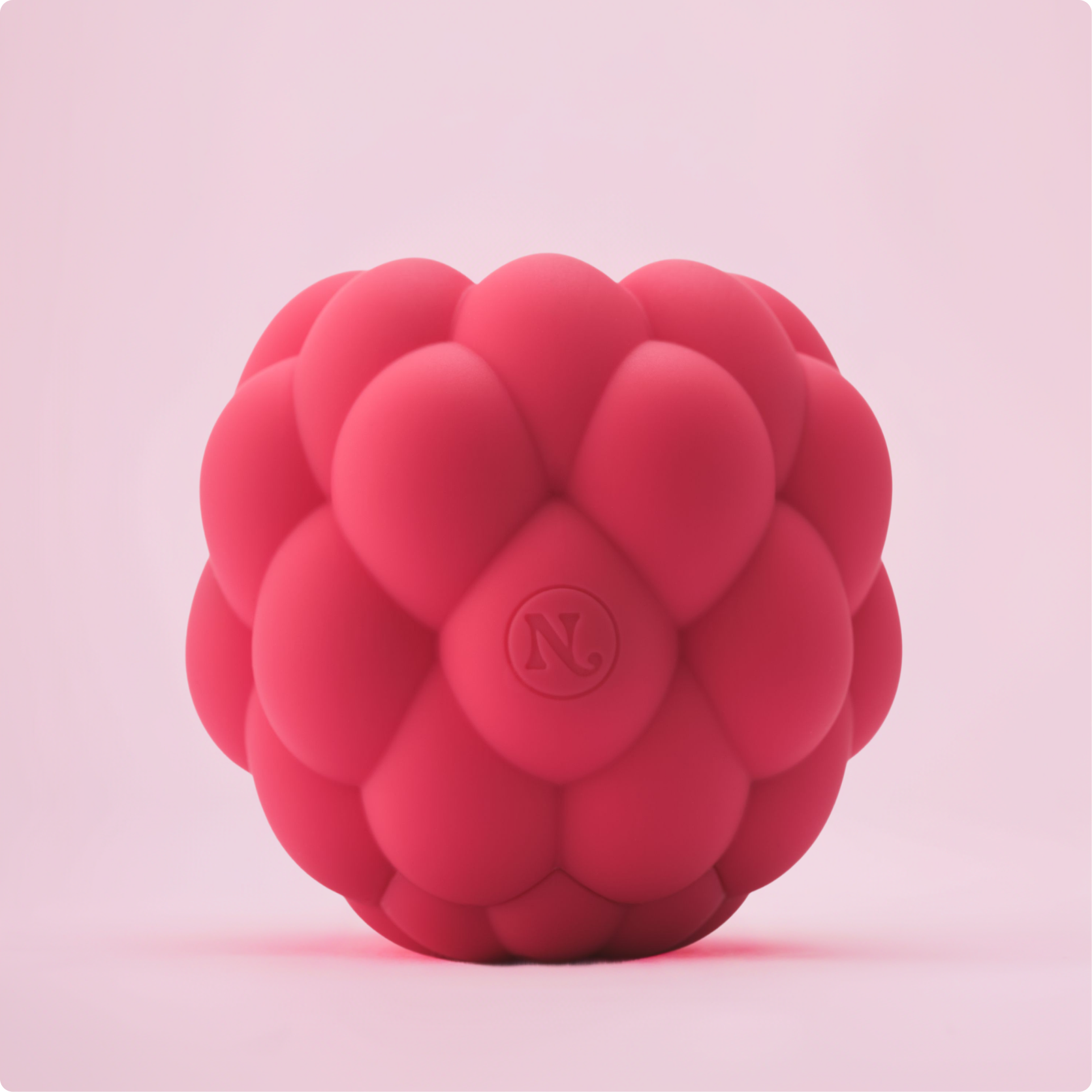
That said, tools work best after you have done some mapping by hand first. Knowing your baseline response to touch makes it much easier to understand what a vibrator is adding to the experience, rather than just overwhelming it. Think of clitoral vibrators as amplifiers, not substitutes, for the self-knowledge you build through mapping.
Why Sensory Mapping Is Different for Everyone (And That's the Whole Point)

Age, hormones, stress levels, medication, and even the season can all shift your sensory responses. The map you draw at 25 may look genuinely different at 35. This is not a flaw in the system. It is the system working correctly.
Your body is not static. It updates itself constantly based on experience, health, and circumstance. Regular sensory check-ins, even brief ones, keep you current with yourself. That is not indulgence. That is self-literacy.
And for anyone navigating changes like postpartum recovery, peri-menopause, or life after trauma, sensory mapping can be a gentle and empowering re-entry into bodily pleasure without pressure or performance. Research into body-based approaches to sexual wellbeing consistently shows that intentional self-touch, when practiced in safety and without goal-attachment, helps rebuild the connection between body and mind that stress or trauma can sever (Nummenmaa et al., 2016, Archives of Sexual Behavior).
If you are curious about why orgasm sometimes feels elusive even with all the right conditions in place, the article on takes forever to orgasm addresses this honestly and without shame.
Building a Regular Practice
Sensory mapping is not a one-time activity. It is closer to a practice, something you return to and refine over time the same way you might return to yoga or journaling. Even five minutes of intentional self-touch without an agenda changes your relationship with your body over weeks. The benefits are cumulative.
Start small. One session. No pressure. Just curiosity.
Then do it again next week and notice what has shifted. You might find that the spot that felt neutral last time now registers as genuinely pleasant. You might find that something you thought you liked actually falls flat without the right context. All of that is rich, useful information. You are not failing at the practice. You are doing the practice.
If you want to widen your toolkit as your mapping practice deepens, exploring what vibrators for women can add to your sessions is a worthwhile next step. Not because you need them, but because variety teaches your nervous system new things.
Bottom Line
You have spent your whole life in this body. Sensory mapping is simply the practice of finally listening to what it has been trying to tell you. No expertise required. No special equipment necessary. Just time, attention, and a little well-earned curiosity about the most intimate thing you will ever own.
Your pleasure is worth mapping. Actually worth it.
Want to make your journey even more exciting? I've handpicked some amazing toys and goodies at Hello Nancy that'll add extra sparkle to your intimate moments. (Here's a little secret — use 'dirtytalk' for 10% off!)
Frequently Asked Questions
What is sensory mapping for sexual pleasure?
Sensory mapping is the intentional practice of exploring your body to identify where and how different types of touch produce pleasant, neutral, or arousing sensations. It is a self-directed process with no goal other than awareness. Over time it builds a personal, accurate picture of your unique pleasure responses.
How do I start sensory mapping my body at home?
Begin in a warm, private space with no time pressure. Use your fingertips to explore less obvious areas first, like the back of your knee, scalp, or inner wrist, before moving toward more sensitive zones. The key is curiosity over goal-seeking. Take notes afterward so you can track patterns across multiple sessions.
Can sensory mapping improve intimacy with a partner?
Yes, significantly. When you have mapped your own responses, you have concrete, specific information to share with a partner instead of vague hints. It removes guesswork on both sides. Partner mapping sessions, where one person explores while the other gives simple feedback, can be one of the more genuinely connecting experiences a couple shares.
What are primary and secondary erogenous zones?
Primary erogenous zones have direct neural pathways to sexual arousal, including the genitals, inner thighs, and lips. Secondary zones are context-dependent, areas like the nape of the neck or lower back that respond to touch under the right emotional and environmental conditions. Both matter, and your body likely has strong opinions about both.
Does your sensory map change over time?
Absolutely. Hormonal shifts, age, stress, medication, and life experiences all influence how your body registers touch. A map drawn at one point in your life may look quite different a decade later. Regular sensory check-ins keep you accurately connected to your current body rather than operating on outdated assumptions.
Can sensory mapping help after trauma or during body changes like menopause?
It can be a gentle, low-pressure way to re-establish a connection with your body after experiences that created distance from it. The practice works best without any performance goal, which makes it well-suited to recovery and transition periods. Always move at your own pace, and consider working with a somatic therapist if past trauma is part of the picture.
Should I use sex toys during sensory mapping sessions?
Not necessarily at the start. Mapping by hand first gives you a baseline understanding of your touch preferences. Once you have that foundation, introducing a toy like a tapping massager or a wand can reveal additional layers of sensation. Think of tools as an add-on once you understand what you are adding them to.
How does breathing affect sensory pleasure and body awareness?
Slow, deep breathing activates the parasympathetic nervous system, which increases blood flow to the skin's surface and heightens tactile sensitivity. Shallow breathing keeps your nervous system in a subtle stress state, which genuinely dulls sensation. Even three slow exhales before beginning a sensory session can produce a noticeable difference in how touch registers.
What textures or tools work best for sensory body mapping?
Variety is the whole point. Fingertips, fingernails, a soft feather, silk fabric, or a small massage tool all produce distinct sensations. Temperature adds another dimension entirely. Cold hands versus warm hands on the same patch of skin feel completely different. Experimenting with contrast across multiple sessions is what builds a genuinely detailed personal map.


