Add $94.20 to get Free Gift


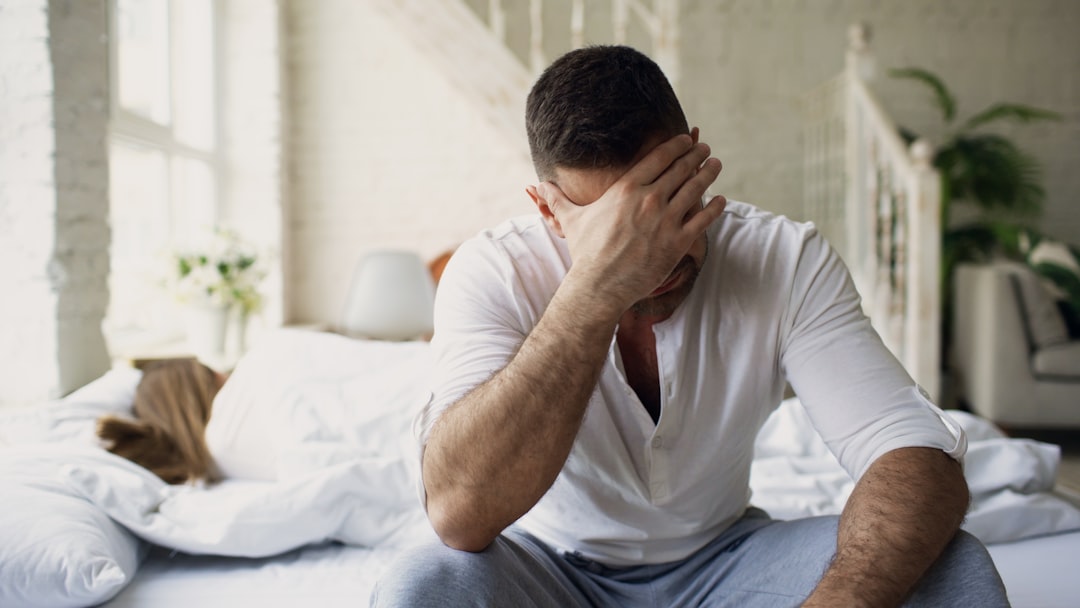
Your body has been telling you this all along. You just didn't have the words for it yet.
Sex and mental health aren't two separate conversations happening in different rooms. They're the same conversation, spoken in different languages. When one shifts, the other feels it almost immediately, and most of us spend years trying to figure out why.
Here's the part that tends to catch people off guard: you don't need a diagnosed condition for this connection to matter. Everyday stress, a rough week, a difficult relationship dynamic, a stretch of loneliness — all of it lands in your body. And your sexual self is usually the first to notice.
The Brain Is the Biggest Sex Organ (Seriously)
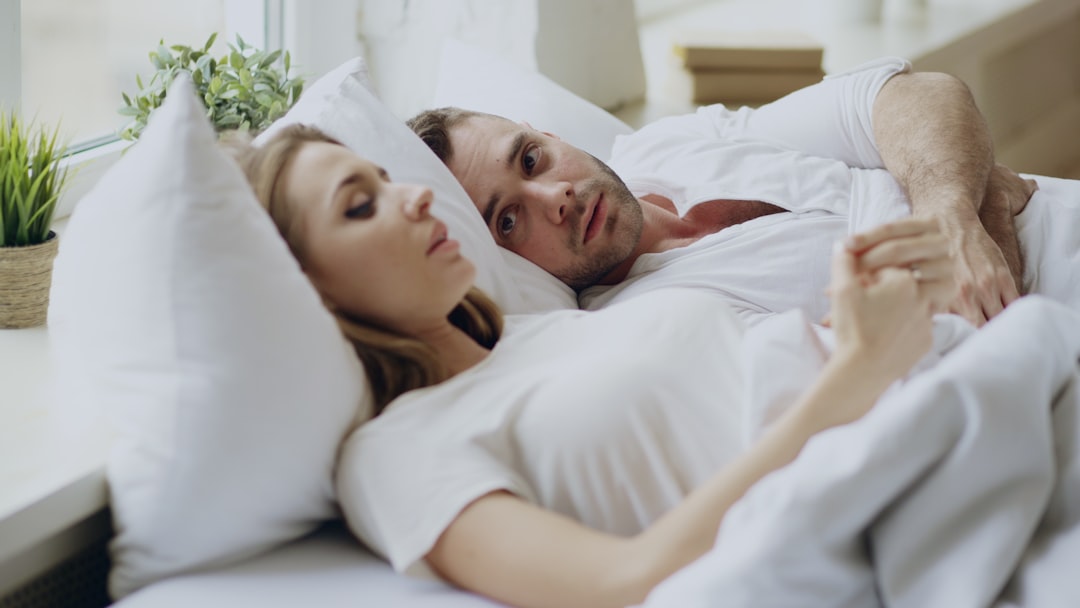
Let's start with the basics. Desire doesn't originate between your legs. It starts upstairs.
The brain manages arousal through a cocktail of neurotransmitters — dopamine for motivation and pleasure, serotonin for mood regulation, oxytocin for bonding and trust. When your mental health is compromised, that cocktail gets disrupted. Depression, for instance, tends to flatten the dopamine response. You don't just feel sad. You stop wanting things. Food loses flavor. Music sounds flat. And yes, sex starts to feel like a concept from a different life.
Research consistently confirms this link. Up to half of people with a history of mood disorders experience moderate to severe loss of sexual desire (Therapy Group DC, 2024). That's not a coincidence or a character flaw. That's neuroscience.
Anxiety works differently, but the damage is just as real. When your nervous system is stuck in fight-or-flight, your body is not prioritizing reproduction. It's prioritizing survival. Blood flow gets redirected, muscle tension increases, and the parasympathetic "rest and connect" state that's actually required for good sex becomes nearly impossible to access. So if you've ever felt completely unable to relax during intimacy even though you wanted to be present, anxiety might be the hidden guest in the room.
How Stress Quietly Kills Your Libido

Chronic stress is the slow leak in the tire. You don't notice it until you're already stranded.
Cortisol, the body's main stress hormone, directly suppresses testosterone production in all bodies regardless of gender. Lower testosterone means lower drive, less sensitivity, and a general sense of "meh" around intimacy. Add to that the cognitive load of stress — the mental to-do lists, the hypervigilance, the constant low-grade worry — and there's simply no bandwidth left for desire.
This isn't about willpower. It's about biology. And the frustrating part is that stress tends to compound itself: low libido can strain your relationship, which creates more stress, which further suppresses desire. Round and round it goes.
The good news? The same practices that support mental health tend to support sexual wellbeing too. Movement, sleep, breathwork, setting limits on phone use. If you've been trying to figure out phone rules that protect your relationship's intimacy, you're already doing the work — even if it doesn't feel explicitly sexual.
Trauma, the Body, and Intimacy
Trauma deserves its own section because it operates on its own timeline.
Traumatic experiences — whether from childhood, past relationships, or specific sexual events — can leave the nervous system in a state of chronic dysregulation. This shows up during intimacy in ways that can feel confusing or even shameful: sudden numbness, dissociation, unexpected tears, physical shutdown, or the opposite, a kind of frantic disconnection from the present moment.
Somatic therapist and researcher Bessel van der Kolk has written extensively about how "the body keeps the score" — trauma isn't just a memory stored in the mind but a physical pattern held in the body's tissue, posture, and reflexes. This is why talk therapy alone sometimes isn't enough when healing the intersection of trauma and sexuality. Body-based approaches, EMDR, and sex-positive therapy can make a significant difference here.
If intimacy feels like navigating a minefield rather than a space of pleasure, that's not a personal failure. That's a body doing exactly what it learned to do to stay safe. The path forward is gentle, not forceful.
The Two-Way Street: Sex Supports Mental Health Too

This relationship isn't just one direction.
Sexual activity — including solo pleasure — releases a cascade of feel-good neurochemicals. Oxytocin reduces cortisol. Endorphins elevate mood. Dopamine reinforces the reward circuit. Regular sexual activity has been associated with lower blood pressure, better sleep, reduced anxiety, and stronger immune function. If you want a deep dive into the specific data, the science-backed benefits of masturbation make a genuinely compelling case for treating self-pleasure as a wellness practice, not a guilty side activity.
This is why sexual self-care isn't indulgence. It's maintenance. When you take pleasure seriously, you're quite literally supporting your neurological health.
For people in relationships, physical intimacy also builds attachment security, which is one of the most protective factors for long-term mental wellbeing. Partners who feel emotionally safe with each other tend to have more satisfying sex. And partners who have more satisfying sex tend to feel more emotionally safe. It's a virtuous cycle once you get it turning.
Antidepressants, Medication, and Your Sex Life

Nobody warns you enough about this.
SSRIs and SNRIs, the most commonly prescribed antidepressants, are known to affect sexual function in a significant portion of users. We're talking delayed orgasm, reduced sensitivity, lower desire, or in some cases complete anorgasmia. For some people the tradeoff is worth it. For others, the sexual side effects become their own source of distress, sometimes severe enough to discontinue medication without telling their doctor.
This is a conversation worth having with your healthcare provider before it becomes a crisis. There are adjustments available: timing doses differently, switching medications, adding supplemental support. You don't have to choose between your mental health and your sex life. But you do have to advocate for yourself in that appointment room, which means knowing that this is a real and common issue, not a personal sensitivity to complain about.
If you're exploring vibrators for women or any form of pleasure tools and you're on antidepressants, higher-intensity stimulation can sometimes help bridge the sensitivity gap. The Berri edging clitoral massager with its tapping function, for instance, offers a different kind of stimulation that many people find more effective when direct touch feels muted.

Talk to your doctor. And also, know your options.
Body Image, Self-Worth, and Desire

This one is undertalked and overdue.
Body image is mental health. When you can't settle into your body because you're narrating it from the outside — cataloguing what's wrong, what someone else might think, what you should look different from — desire gets crowded out. You can't be present in a body you're busy criticizing. And you can't fully receive pleasure when part of your attention is performing for an imagined critic.
Research from the University of Minnesota's Center for Collegiate Mental Health points to the strong overlap between self-image concerns and sexual dissatisfaction, especially in young adults. The correlation runs both ways — improving body image improves sexual satisfaction, and meaningful, positive sexual experiences can strengthen how we relate to our bodies.
This is one reason why exploring solo pleasure intentionally matters so much. Clitoral vibrators and other pleasure tools aren't just about orgasm. They're about building a relationship with your own body that's based on curiosity and pleasure rather than appraisal and performance.
Practical Ways to Support Both at Once

You don't need to overhaul your entire life. Small, consistent moves add up faster than you'd think.
Sleep is the first domino. Chronic sleep deprivation tanks testosterone, elevates cortisol, and numbs emotional responsiveness. If your sex drive has been low and you've been sleeping badly, start there before you do anything else. Getting sleep right isn't boring, it's foundational.
Movement matters in ways beyond fitness aesthetics. Exercise raises dopamine and serotonin, reduces cortisol, and improves body image and sensory awareness. Even a 20-minute walk changes your neurochemical landscape. Couples who move together — literally exercise together — also tend to report stronger emotional and sexual connection, which makes sense when you consider that shared physical activity builds oxytocin.
Communication is the unsexy superpower. Most sexual disconnection in relationships isn't a physical problem, it's a conversational gap. Partners who can talk about what they actually want, what feels off, what they're afraid of, build a kind of safety that makes desire possible even during difficult seasons. If you want to go deeper on this, the relationship tips on building stronger bonds are genuinely worth your time.
And finally: get professional support if you need it. Sex-positive therapists exist. Psychiatrists who understand the sexual side effects of medications exist. You deserve care that treats your whole self, not just the parts that are easiest to talk about.
Bottom Line
Your mental health and your sex life are not competing priorities. They're the same priority, approached from different angles.
When you tend to your mind — through rest, connection, therapy, movement, or simply giving yourself permission to feel good — your body responds. And when you tend to your body through pleasure, presence, and curiosity, your mind gets quieter. The two systems are in constant conversation. Learning to listen to both, without judgment, is one of the most genuinely radical things you can do for your overall wellbeing.
You deserve both. At the same time. That's not too much to ask.
Want to make your journey even more exciting? I've handpicked some amazing toys and goodies at Hello Nancy that'll add extra sparkle to your intimate moments. (Here's a little secret — use 'dirtytalk' for 10% off!)
Frequently Asked Questions
Can depression cause low sex drive even if I feel okay emotionally some days?
Yes, absolutely. Depression affects neurochemistry in ways that don't always match your moment-to-moment emotional state. Even on days that feel manageable, underlying shifts in dopamine and serotonin can suppress sexual desire without you feeling "obviously" depressed. It's worth mentioning to your doctor even if the connection isn't obvious to you yet.
Why does anxiety make it hard to orgasm even when I want to have sex?
Anxiety activates your sympathetic nervous system, which is the fight-or-flight response. Orgasm actually requires the opposite state: a relaxed, parasympathetic mode where the body feels safe enough to fully let go. When anxiety is running the show, that relaxation becomes incredibly difficult to access, no matter how willing or attracted you feel in the moment.
Do antidepressants always cause sexual side effects?
Not always, but it's common enough that it deserves an honest conversation with your prescribing doctor before you start. SSRIs in particular are associated with delayed orgasm, reduced sensitivity, and lower desire in a significant percentage of users. Alternatives exist, and dose timing adjustments can sometimes help. You don't have to quietly tolerate it.
Can improving my sex life actually improve my mental health?
Yes, and the research supports it. Sexual activity releases oxytocin, endorphins, and dopamine, all of which have measurable positive effects on mood, sleep, and stress levels. Solo pleasure counts too. Treating your sexual wellbeing as part of your overall self-care routine isn't indulgent — it's genuinely good for your brain.
How does trauma affect sexual intimacy long-term?
Trauma can leave the nervous system in a state of chronic dysregulation, which means the body may respond to intimacy with shutdown, dissociation, hypervigilance, or unexpected emotional reactions. These responses aren't conscious choices. They're learned protective patterns. Body-based therapies and working with a sex-positive trauma-informed therapist can help rewire those responses over time.
Is it normal for my sex drive to disappear during periods of high stress?
Completely normal. Cortisol, the primary stress hormone, directly suppresses the hormones responsible for sexual desire. Your body deprioritizes reproduction when it perceives a threat. The tricky part is that chronic stress keeps cortisol elevated long after the immediate stressor passes, so the low libido can linger well beyond the stressful event itself.
How can I improve both my mental health and sex drive at the same time?
Focus on the foundations: quality sleep, regular movement, reducing chronic stressors, and open communication in relationships. These aren't separate interventions for mental health and libido — they're the same interventions, because the two systems share the same neurological infrastructure. Therapy, especially with a sex-positive clinician, can accelerate the process significantly.
Does poor body image actually reduce sexual satisfaction?
Yes, significantly. When you're mentally narrating your body from the outside during sex, you're pulled out of the present-moment sensory experience. That cognitive distraction directly reduces arousal and the likelihood of orgasm. Building a more neutral or positive relationship with your body through solo exploration and mindfulness has real, documented effects on sexual satisfaction.