Add £9.12 to get Free Gift


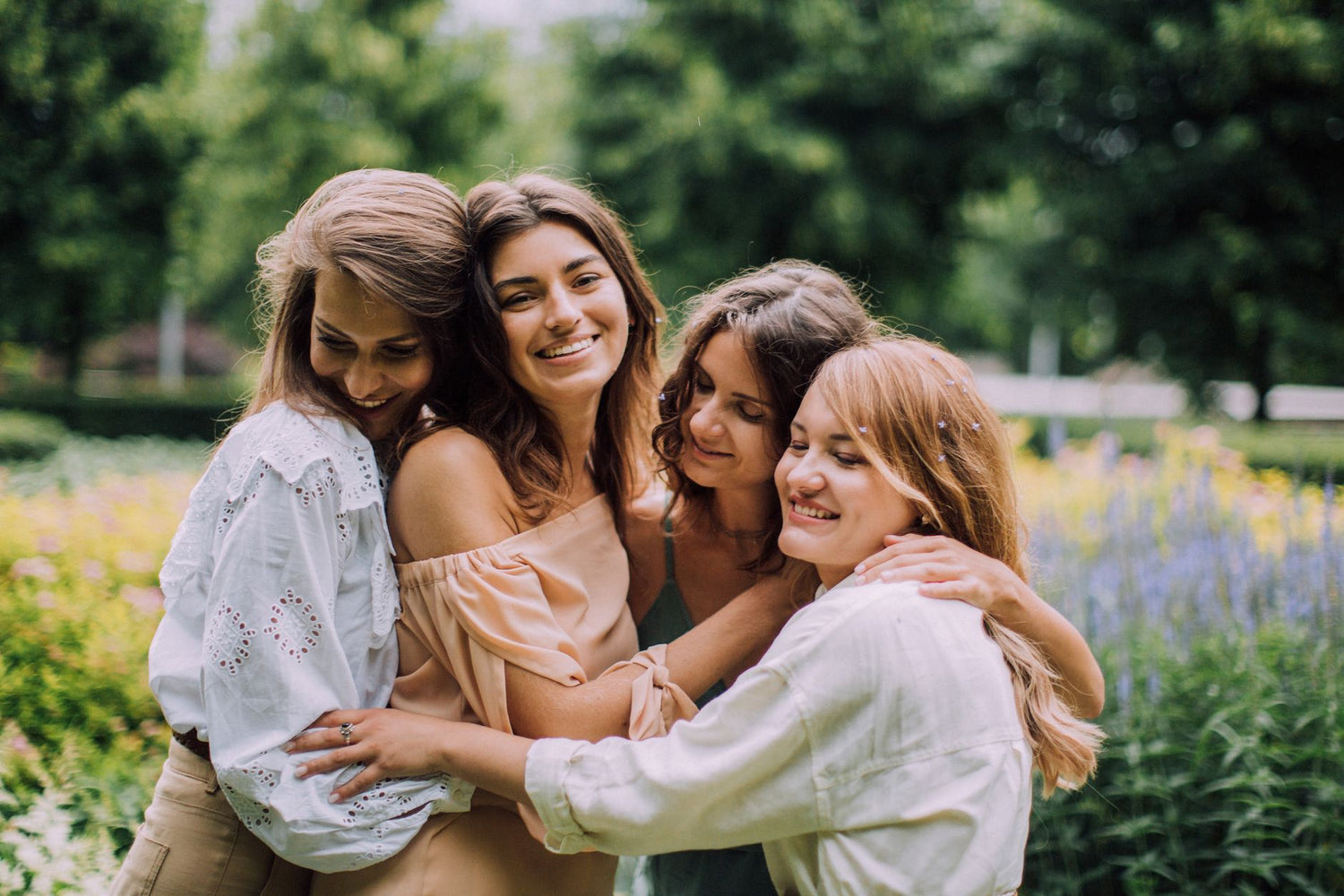
We put the question out to our community. No essay prompts, no right answers, just one simple ask: what does International Women's Day mean to you? The replies came flooding in, and honestly? Some of them stopped me mid-scroll.
Because IWD is one of those dates that means everything to some people and feels like corporate noise to others. Both reactions make sense. And both deserve space.
A Day That Started With a Strike, Not a Hashtag
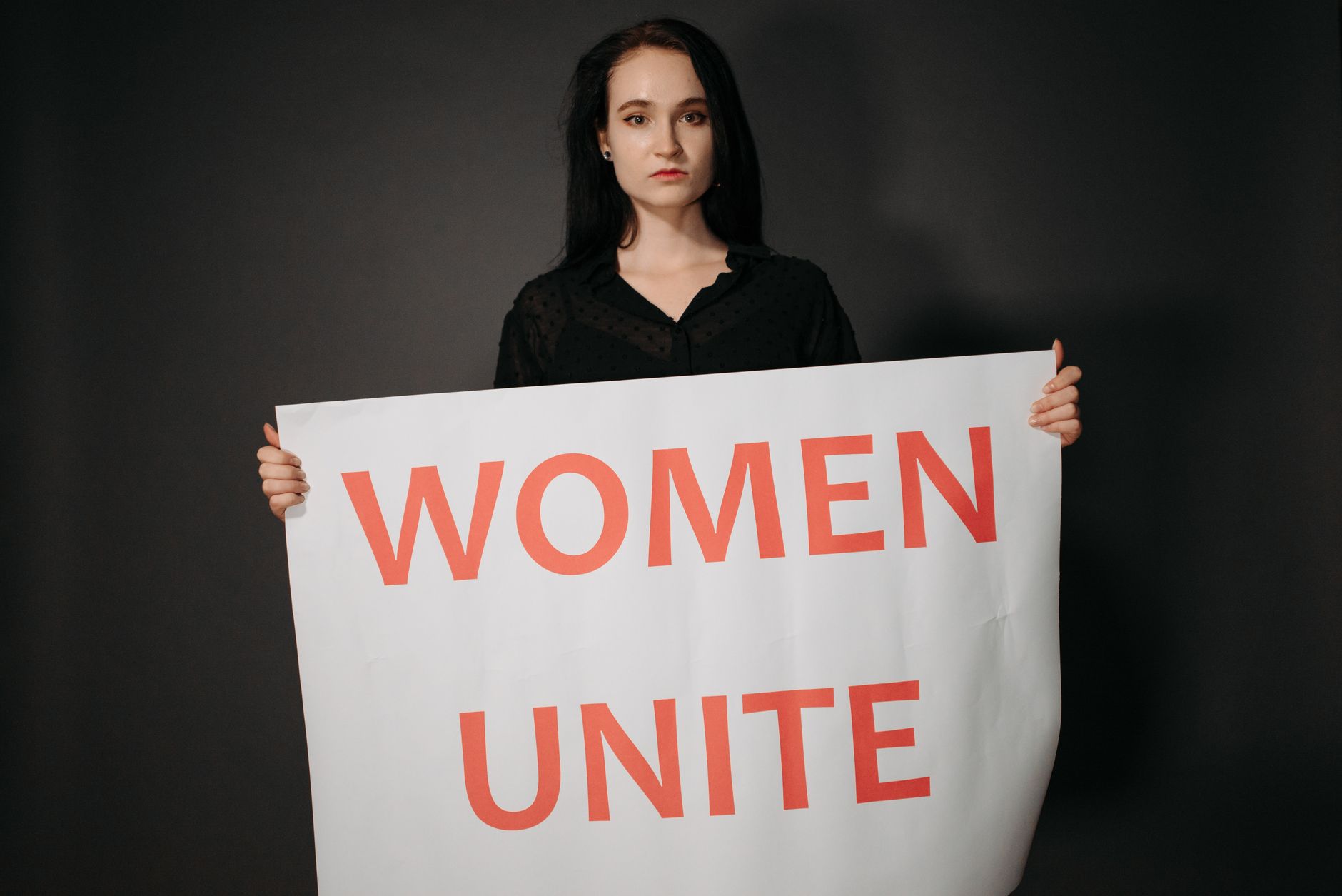
Before we get into what our community said, let's ground this in what IWD actually is. March 8th didn't emerge from a marketing campaign. It grew from the labor movements of the early twentieth century, when women workers in the US and Europe organized strikes demanding the right to vote, fair wages, and basic dignity. When female workers walked off the job in Petrograd in 1917, demanding bread and peace, that date became tied to women's resistance forever. The United Nations officially recognized International Women's Day in 1977, and here we are, still marking it more than a century later.
The 2025 IWD theme is "Accelerate Action." According to the World Economic Forum, at the current rate of progress, full gender parity won't arrive until 2158. That's not a typo.
Think about that for a second.
So We Asked. And You Answered.

We gathered responses from our Hello Nancy community across DMs, comment threads, and our newsletter. No filters, no editing for polish. What came back was messy, honest, and genuinely moving.
Some people said IWD is a reminder. A reminder that the rights they exercise today, the right to work, to vote, to own property, to say no, were fought for by someone who never got to see those rights materialize. That lands differently when you sit with it.
Others were more skeptical. One person wrote: "It feels like brands slap a purple filter on their logo and call it activism." And honestly, she's not wrong to notice that. Performative allyship is real, and calling it out isn't cynicism. It's clarity.
Several responses pointed inward. IWD as a mirror. A day to ask yourself: am I actually living in a way that honors what I say I believe? Do I uplift other women in my daily life, not just on this one calendar date? That question hit differently coming from a 24-year-old who'd only just started voting.
IWD Through the Lens of Pleasure and Body Autonomy

Here's what surprised me most. A significant chunk of our community connected IWD directly to bodily autonomy and pleasure. Not in a provocative way. In a deeply political one.
For a lot of people, particularly those with vulvas, the right to know their own body, to explore it without shame, to prioritize their own pleasure without guilt, is genuinely radical. We still live in a culture where sexual confidence and self-esteem are unevenly distributed. Women are taught to perform pleasure for others long before they're encouraged to understand their own.
That's why conversations about clitoral vibrators and sexual wellness tools aren't frivolous. They're connected to a much bigger story about whose comfort matters, whose desires count, and who gets to take up space.
One community member put it simply: "IWD means I get to want things. Out loud."
I keep coming back to that line.
The Generational Split No One Talks About
Something interesting emerged when we looked at the responses by age group. Older respondents, particularly those in their 50s and 60s, spoke about IWD with a kind of earned reverence. They remembered when certain rights were theoretical, when the conversation was about survival, not self-actualization.
Younger respondents were more ambivalent. Not apathetic, but more demanding. They want action, not acknowledgment. They're less moved by a social media moment and more interested in whether their workplace actually pays them equally, whether their healthcare covers what they need, whether the laws in their country still treat their body as their own.
That tension isn't a problem. It's a sign the movement is alive.
Both generations are right, just speaking from different coordinates on the same map. Progress made is worth naming. Progress not yet made is worth pushing toward. The conversation about accepting your desires without apology is, in its own way, part of that ongoing push.
What "Accelerate Action" Actually Looks Like in Real Life
The official 2025 theme asks us to move faster. But what does that look like when you're not a policy maker or a CEO?
For most of us, it looks like smaller, daily choices. It looks like actually paying the women in your life for their expertise instead of asking for free advice. It looks like recommending your female colleague for the project, loudly, before someone else takes credit. It looks like choosing vibrators for women made by women-led companies that reinvest in female wellness, not just profit from it.
It looks like having the uncomfortable conversation about pay with your peers. It looks like not laughing at the joke that wasn't funny. It looks like amplifying the voice that gets talked over in the meeting.
None of these are grand gestures. All of them are action.
Community Voices: The Quotes That Stayed With Me
I want to leave room for the actual voices here, because no reframe from me could do them justice.
"IWD is the one day I let myself feel proud of how far I've come without immediately minimizing it." That one is from a woman who spent a decade recovering from an abusive relationship and is now running her own business.
Another said: "It means my daughter will grow up in a world where being powerful isn't considered unfeminine." She sent that at 11pm, probably after bedtime battles and a full workday. The fact that she still had that thought at 11pm says everything.
And then there was the one that read: "Honestly? It means I get to take up space. I spent so long shrinking. IWD is my annual reminder that I don't have to." I read that one out loud to three people.
Taking up space. That's the whole thing, isn't it.
Why IWD Still Matters, Even When It Feels Complicated
The critiques of International Women's Day are valid. Brands do co-opt it. The conversation does sometimes center the most visible and privileged women. One day a year is genuinely not enough.
And yet. The day still matters because it creates a moment of collective reflection that doesn't exist the rest of the year. It's a permission slip for people who rarely let themselves think about their own rights, their own bodies, their own desires. And it's a gathering point for communities like ours who believe that pleasure, autonomy, and equality aren't separate conversations. They're the same one.
If you want to explore your own version of that conversation, connecting with couples toys or solo wellness tools designed with your pleasure in mind is one small, very personal act of taking up space. That counts.
So does simply saying, out loud, what IWD means to you.
Bottom Line
IWD isn't a monolith. It's a mirror, a megaphone, a permission slip, and sometimes a provocation. What it means depends entirely on where you're standing. The most honest thing our community showed us is that all of those meanings are valid at the same time. The point isn't to agree on one definition. The point is to keep asking the question.
Want to make your journey even more exciting? I've handpicked some amazing toys and goodies at Hello Nancy that'll add extra sparkle to your intimate moments. (Here's a little secret. use 'dirtytalk' for 10% off!)
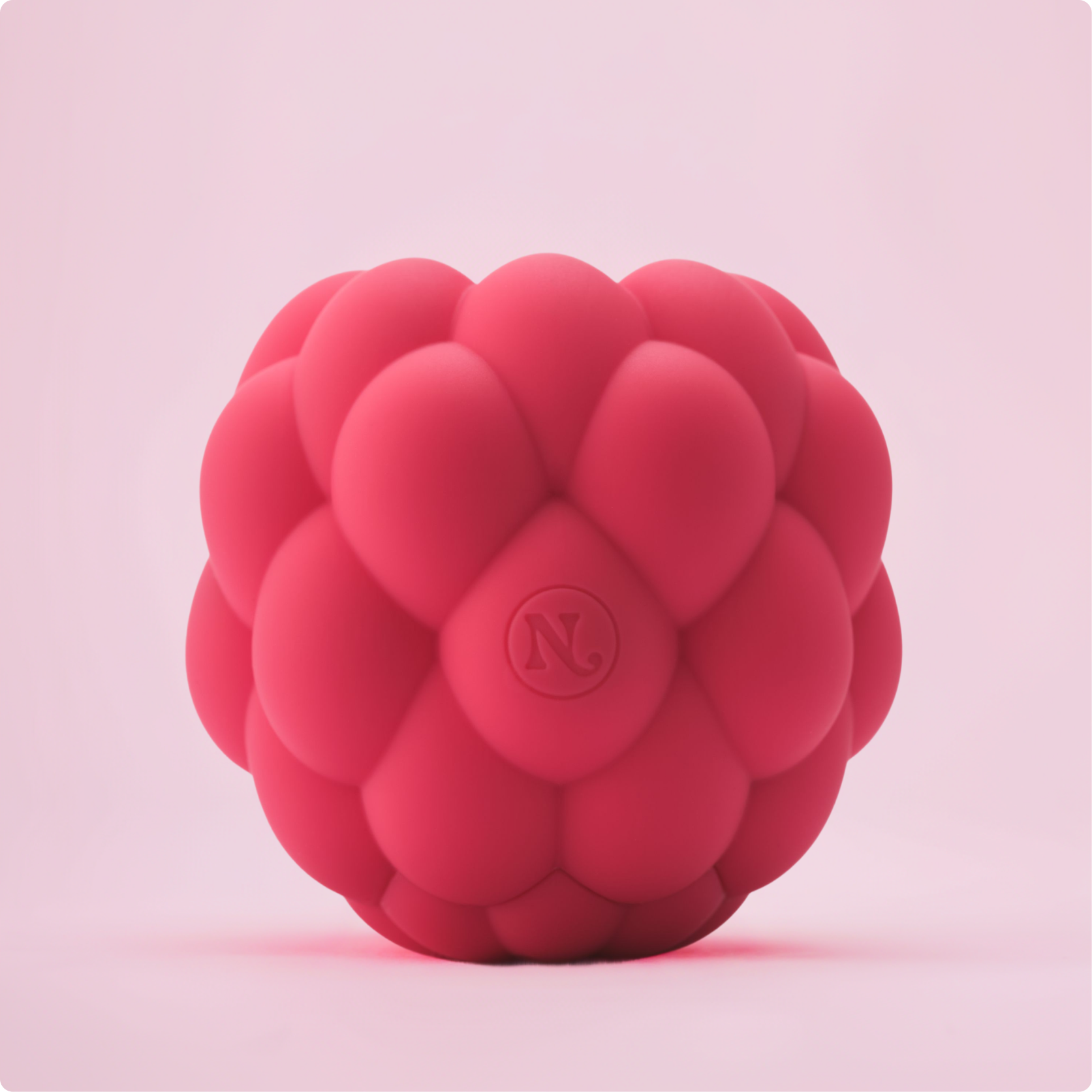
The Berri Edging Clitoral Massager is one of those toys that feels genuinely made for people who want to reclaim pleasure on their own terms. Tapping stimulation, body-safe materials, and a design that says "I know what I want." That's a very IWD energy if you ask me.
Frequently Asked Questions
What does IWD stand for and when is it celebrated?
IWD stands for International Women's Day, celebrated annually on March 8th. It has roots in the labor and suffrage movements of the early 1900s and was officially recognized by the United Nations in 1977.
What is the theme for International Women's Day 2025?
The IWD 2025 theme is "Accelerate Action," which calls for faster, more decisive progress toward gender equality. According to the World Economic Forum, at the current rate of progress, full gender parity won't be reached until 2158.
Why do some people feel IWD has become too commercialized?
Many critics point out that brands use IWD as a marketing opportunity without making meaningful commitments to gender equity. Performative gestures like purple logos or one-day campaigns can overshadow the day's political roots. It's a fair concern, and it's why community-led conversations matter more than brand campaigns on this date.
How can individuals take meaningful action on International Women's Day?
Meaningful action doesn't have to be large-scale. Recommending a female colleague, paying women fairly for their expertise, having honest conversations about pay equity, and supporting women-led businesses are all real forms of acceleration. Small daily choices compound over time.
Is bodily autonomy considered a women's rights issue?
Absolutely. Bodily autonomy, which includes reproductive rights, sexual health, and the freedom to explore one's own pleasure without shame, sits at the heart of gender equality. Policies and cultural norms that restrict what people can do with their own bodies disproportionately affect women and people with uteruses.
How do younger generations view International Women's Day differently from older generations?
Older generations often approach IWD with deep reverence for hard-won rights. Younger generations tend to be more demanding, less satisfied with symbolic recognition, and more focused on structural change in workplaces, healthcare, and legislation. Both perspectives are valid and necessary for the movement to progress.
What does gender parity mean and why does it matter?
Gender parity refers to equal representation, rights, and opportunities across all genders in economic, political, social, and personal spheres. It matters because persistent inequality limits human potential at a societal level, not just for individuals.
How is sexual wellness connected to women's empowerment?
Sexual wellness is a form of bodily autonomy. When people with vulvas feel entitled to understand and enjoy their own pleasure, it's a direct expression of self-ownership. Cultural shame around female sexuality has historically been used as a tool of control, so reclaiming that space is a genuinely political act.