Add £9.12 to get Free Gift


Something shifts when you open a dating app at 32 that just didn't exist at 22. The stakes feel different. The patience feels thinner. And honestly? That's not a bad thing.
Your 30s are not a dating emergency. They're actually your best shot at finding something real.
Here's what nobody says out loud: dating apps in your 30s work completely differently from how they worked when you were younger. The strategy that got you a situationship at 24 won't build a lasting relationship at 34. The energy you spent on endless swiping is better placed somewhere more deliberate now. Experts agree that the secret isn't finding the right app. It's showing up with the right approach.
Why Your 30s Are Actually a Dating Superpower
Let's get one thing straight. The cultural narrative that being single in your 30s is some kind of failure is genuinely outdated.
A 2019 Pew Research Center study found that nearly 50% of adults aged 18 to 29 have tried online dating, while 38% of adults aged 30 to 49 have used it too. The platforms are populated with people your age who are equally serious, equally done with games, and equally ready for something that actually sticks. You're not swimming against the current. You're swimming in the right lane.
Self-awareness is your biggest asset right now. In your 20s, you were figuring out who you were. In your 30s, you already have a decent map of yourself. Your values are clearer. Your deal-breakers aren't invented out of stubbornness. They come from actual experience.
That clarity is magnetic.
Choosing the Right App (Not Just the Most Popular One)
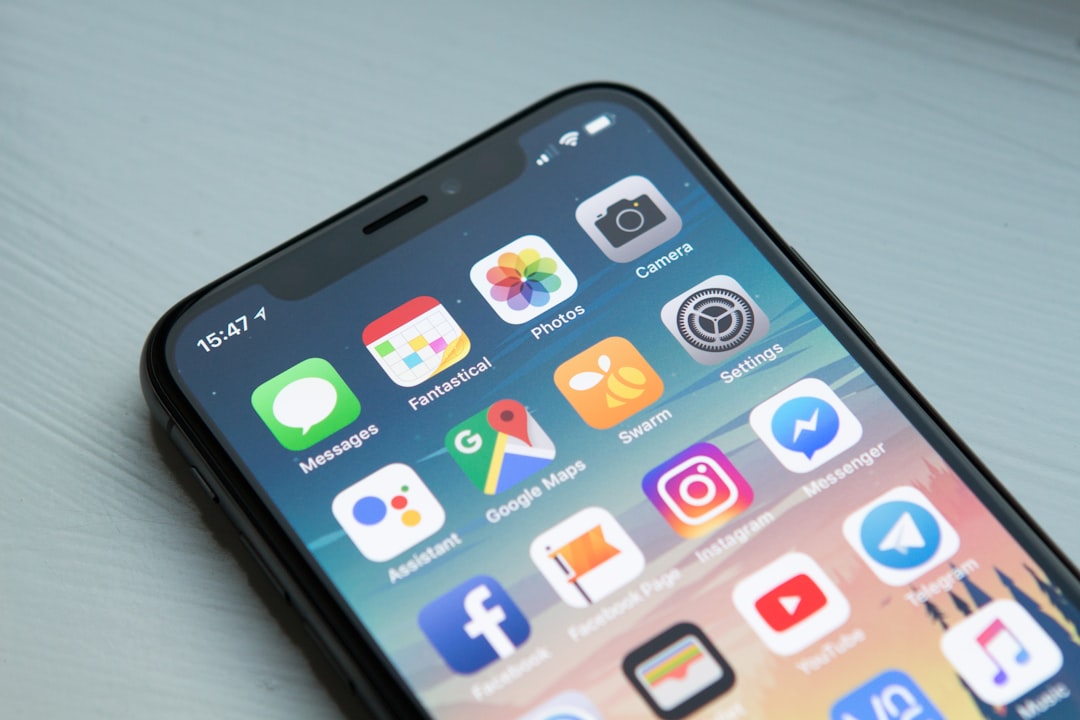
Not all dating apps are built for what you're looking for right now. Platform choice matters more than most people think.
According to relationship expert Tennesha Wood, founder of Broom List matchmaking, Hinge and Bumble tend to attract more intentional daters in their 30s. Hinge's prompt-based profiles encourage deeper self-expression. Bumble places the first move in the hands of women. Neither of these is a coincidence. They're designed for people who think before they swipe. If you're craving genuine connection, these platforms give you more meaningful signal.
Tinder, by contrast, is optimized for volume. That's useful if you're in an exploratory phase. But if you know what you want, spending hours on a high-volume platform is like grocery shopping when you're hungry with no list. You'll grab everything and regret most of it.
Match and eHarmony still serve a strong 30-plus demographic, particularly for people looking at long-term compatibility rather than casual dating. Don't dismiss them as "old school." Think of them as filtered.
Consider pairing your app dating with quality couples toys for when things naturally progress. Pleasure planning and partner planning go hand in hand.
Build a Profile That Actually Sounds Like You
Your profile is not a resume. It's not a mood board. It's a conversation starter.
The most common mistake people make in their 30s is writing profiles that are either aggressively serious ("I know what I want, I'm not here to play games") or so guarded they reveal nothing real. Both extremes repel the exact people you're hoping to attract. Authenticity isn't a buzzword here. It's a literal strategy.
Choose photos that show you in motion. You laughing at a dinner table. You hiking somewhere you love. You with your dog, your friends, your hobby. Static posed photos in front of a bathroom mirror communicate that you don't have much else going on. Even if that's not true, it reads that way.
Write your prompts like you're texting a friend. Not performing for an audience. Not summarizing your LinkedIn. Something honest and slightly specific always wins. "I'm looking for someone to debate podcast recommendations with" tells someone more about you than "I love to laugh and travel."
As therapist and dating expert Dr. Rachel Needle has noted, your 30s are a time when authenticity becomes the most effective dating tool you have. People in this decade have developed enough self-awareness to spot performative profiles quickly. So drop the act.
Swipe Smarter, Not More
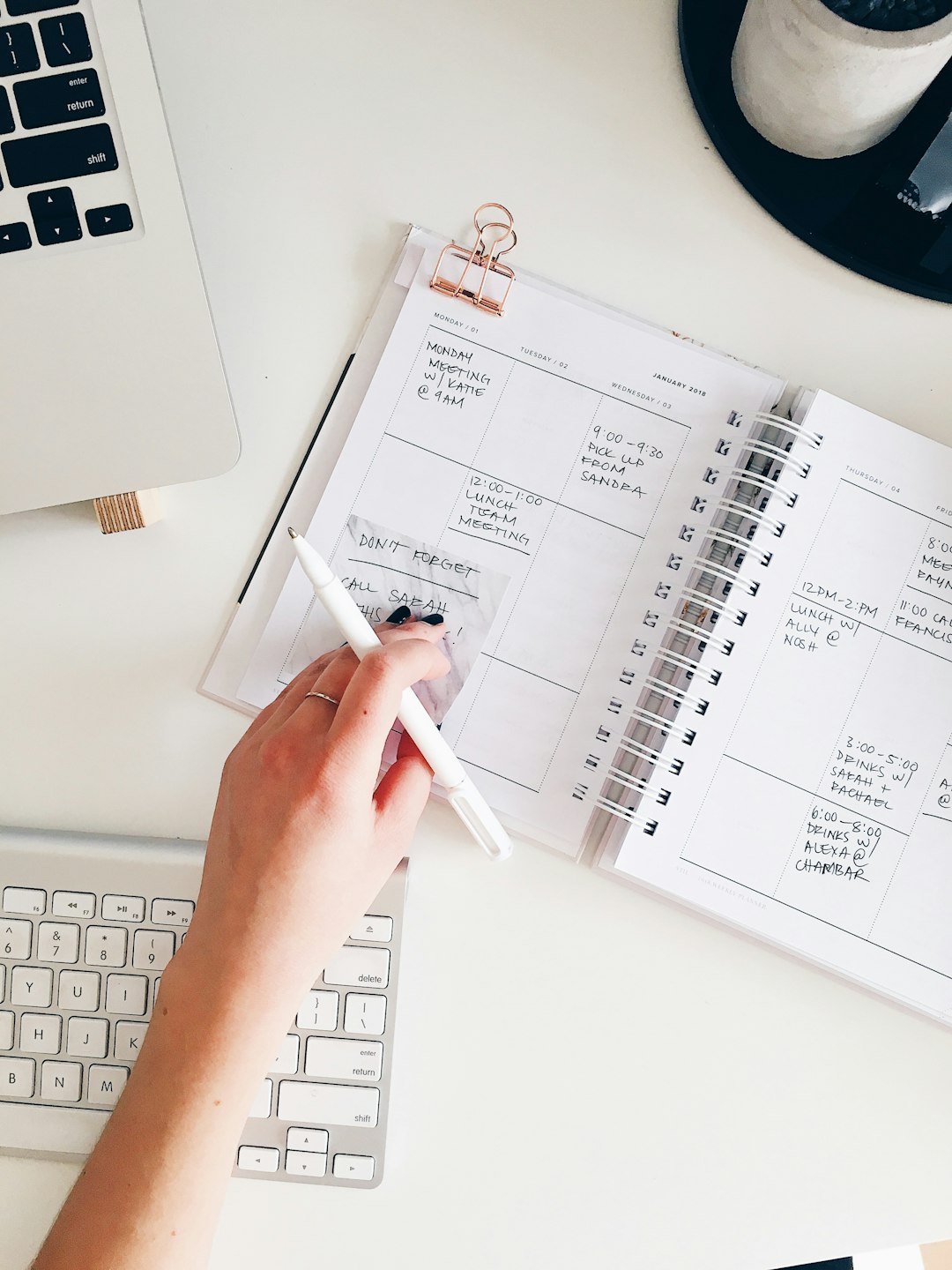
Gamification is real and it's working against you.
Dating apps are designed to keep you scrolling. The dopamine hit of a new match is engineered, not accidental. This becomes a problem in your 30s because infinite swiping eats up time you actually have less of now. You have a career, friendships, hobbies, maybe a complicated family dynamic. Your bandwidth is finite. Guard it.
Set a daily intention for your app use. Fifteen to twenty minutes of focused, thoughtful engagement beats three hours of distracted swiping every single time. Read profiles properly. Respond to prompts, not just photos. If someone's bio tells you they have completely different values, trust that information.
The paradox of choice is real in dating apps. More options don't create more satisfaction. They create more paralysis. Narrowing your focus to fewer, more intentional interactions will lead to better conversations, better dates, and honestly, better outcomes.
Your First Message Is a Door, Not a Sales Pitch
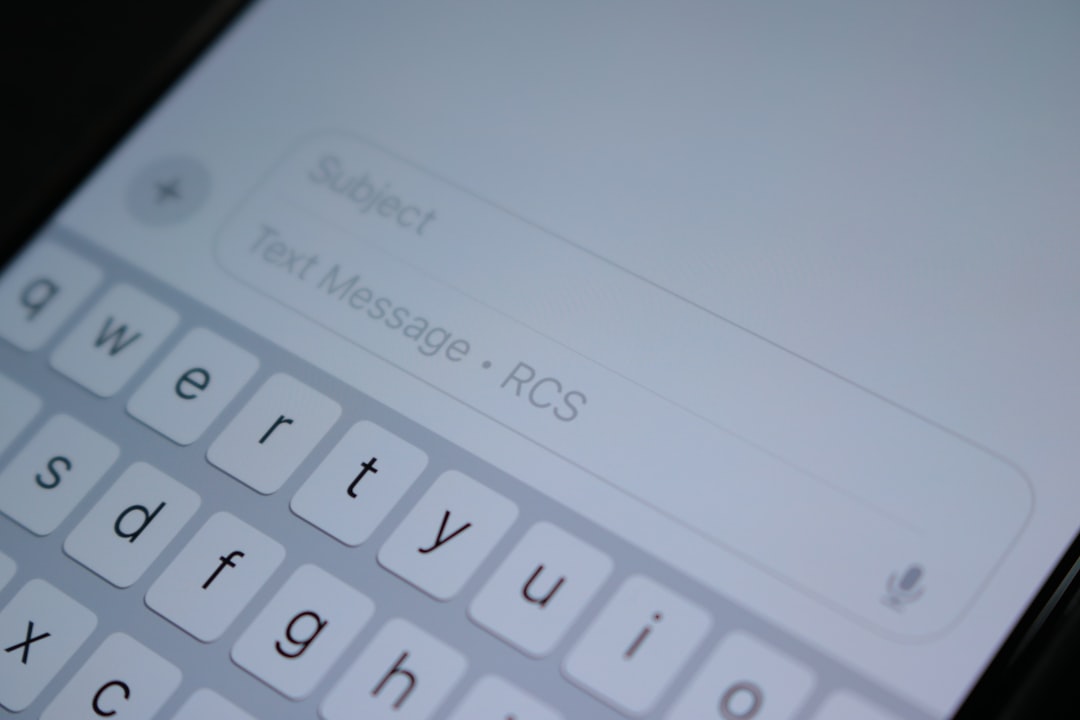
The opening message is where most people tank their own potential.
"Hey" is not a door. It's a wall. A simple, specific observation about something in their profile, something that shows you actually read it, is what separates you from everyone else in their inbox. Reference a book they mentioned. React to their travel photo. Ask something genuinely curious about their prompt answer. You're not trying to impress them. You're trying to start an actual conversation.
In your 30s, you don't have the energy for weeks of low-effort text limbo. Move toward a real conversation quickly. If the chat is flowing naturally after a few exchanges, suggest a call or a date. You don't need to perform mystery. You need to be interested and interesting.
For people who understand the art of taking your time, this same patience applies to building early romantic rapport. Don't rush. Don't drag it out either.
Managing the Emotional Weight of App Dating

Rejection hits differently when your time horizon feels shorter.
It just does. Acknowledging that is not weakness. It's emotional intelligence. The pressure of "I should have figured this out by now" is a narrative that many people in their 30s carry without questioning it. Experts consistently say: drop the timeline. Urgency makes people settle. It also makes people come across as desperate, which ironically slows everything down.
Build your life alongside dating, not around it. The apps work better when they're one avenue rather than the whole road. Invest in your friendships, your body, your creative pursuits. When you're genuinely busy and content, you show up to dates with a different energy. Grounded. Open. Not scanning every interaction for a life partner.
For anyone navigating the vulnerability of putting yourself out there again, especially after a long relationship, learning to set healthy boundaries with your past is part of showing up well in new connections.
When to Take It Offline (And How to Know)
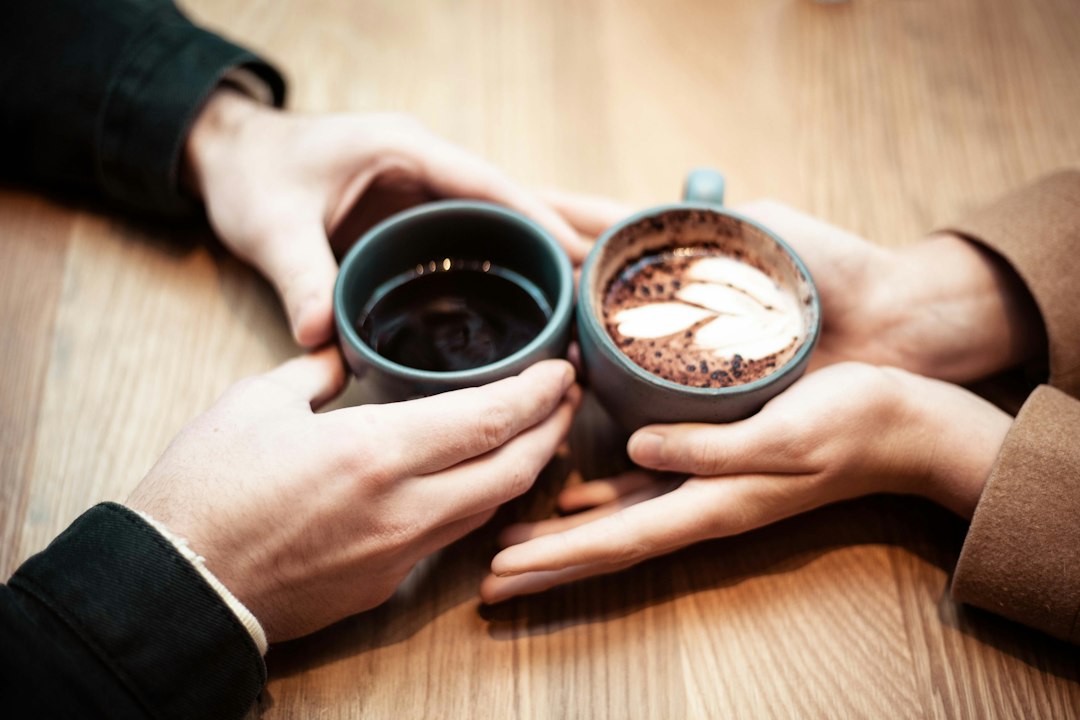
The goal of a dating app is to eventually not need the app.
If a match has been chatting with you for three weeks and hasn't suggested meeting, that's information. In your 30s, you have enough context about human behavior to recognize when someone is keeping you in their roster without any real intention. It's okay to name that. It's okay to move on.
Suggest a first date that's low pressure and conversational. Coffee, a walk, a casual drink. Not a three-course dinner with performance pressure baked in. The goal is just to see whether the in-person chemistry matches the digital chemistry. Sometimes it does. Sometimes it doesn't. Both outcomes are useful.
Keep your vibrators for women and your self-pleasure practice strong throughout all of this. Your needs don't pause while you date. Staying connected to your own pleasure keeps you grounded and clear about what you're actually looking for in a partner.

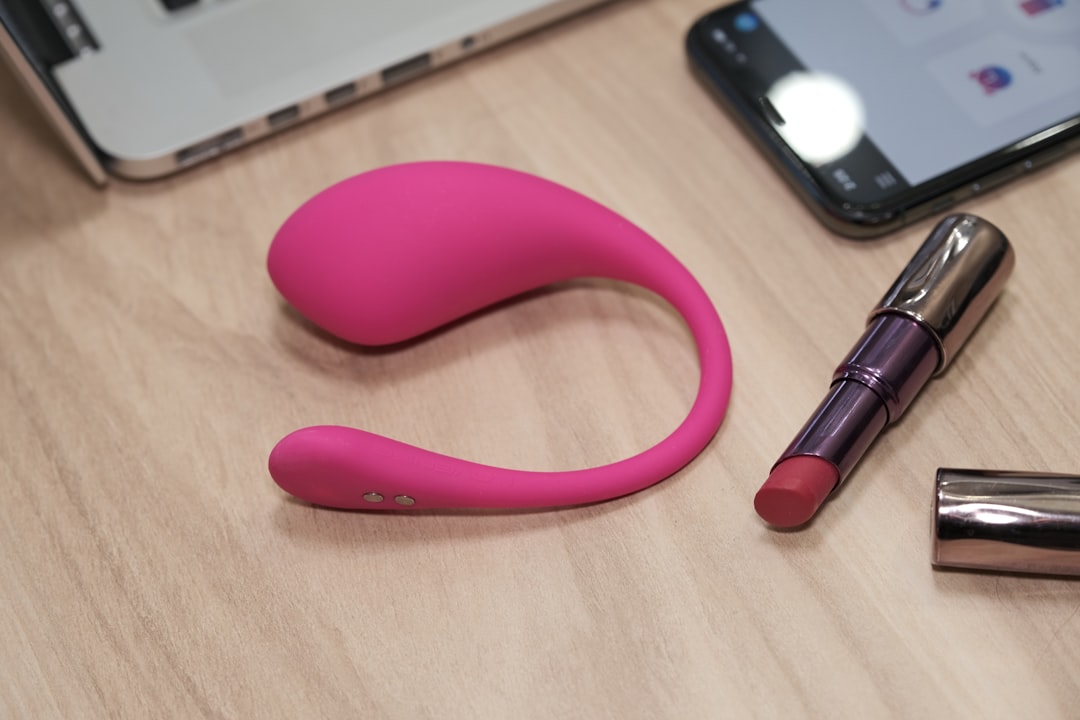
Speaking of staying connected to yourself, the Berri Edging Clitoral Massager is an incredible companion for exactly that. It's a tapping clitoral massager designed to build arousal slowly and intentionally. A little solo date night ritual while you navigate the bigger romantic picture.
The Mindset That Changes Everything
Stop treating dating like a job interview and start treating it like a discovery process.
The people who do best on dating apps in their 30s are not the most attractive or the most accomplished. They're the most curious. Curious about the people they meet, curious about what they actually want, curious about what good partnership looks like for them specifically at this moment in their life. Curiosity takes the pressure off. It also makes you more enjoyable to talk to.
You're not auditioning. You're exploring.
And if you're newly approaching the clitoral vibrators aisle of your pleasure journey alongside your dating journey, that's also exploration worth celebrating. Knowing yourself physically and emotionally makes you a better partner when you do find the right person.
Want to make your journey even more exciting? I've handpicked some amazing toys and goodies at Hello Nancy that'll add extra sparkle to your intimate moments. (Here's a little secret, use 'dirtytalk' for 10% off!)
Frequently Asked Questions
Is it normal to feel anxious about dating apps in your 30s?
Completely normal. Many people in their 30s feel a mix of pressure and self-awareness that didn't exist in their 20s. Therapists note that this anxiety often comes from a fear of running out of time, which isn't as urgent as it feels. Reconnecting with what you genuinely want, rather than what you think you should want by now, usually helps significantly.
What are the best dating apps for people in their 30s?
Hinge and Bumble are frequently recommended for their design-forward approach to meaningful matches. Hinge's prompt system encourages richer profiles, while Bumble gives women control over who initiates. Match and eHarmony also serve the 30-plus crowd well, particularly for those seeking long-term relationships.
How many dating apps should I use at the same time in my 30s?
Most experts suggest one or two apps maximum. More than that leads to decision fatigue and shallow engagement. It's better to be thoughtfully active on one platform than passively present on five.
How long should you chat before meeting someone from a dating app in your 30s?
One to two weeks of real conversation is generally enough to gauge basic compatibility and safety. Prolonged chatting without meeting often creates false intimacy or gives someone an easy excuse to avoid real connection. If the conversation is good, suggest meeting sooner rather than later.
How do I write a good dating app bio in my 30s?
Be specific and be yourself. Generic phrases like "love to laugh" or "looking for my person" tell a potential match nothing distinctive about you. Reference something real: a niche interest, a strong opinion, something that would only be true about you. That specificity is what prompts a genuine first message.
Why does dating app rejection feel harder in your 30s?
Because the stakes feel higher. In your 20s, a no felt like a speed bump. In your 30s, it can feel like another chapter closing. But relationship therapists consistently remind us that rejection in dating is almost never personal. It's usually a mismatch, not a verdict on your worth. Keeping perspective and continuing to invest in your own life outside dating helps rebuild resilience quickly.
Should I mention that I want kids on a dating app in my 30s?
Yes. If this is a non-negotiable for you, stating it on your profile saves everyone time and filters for compatibility from the start. Many apps now have a dedicated field for this exactly because it matters so much. Clarity is kind, not aggressive.
How do I avoid dating app burnout in my 30s?
Set time limits. Treat app-browsing like social media: a daily window, not a constant background tab. Take deliberate breaks when the experience stops feeling generative and starts feeling draining. A week off occasionally resets your energy and perspective without harming your chances at all.
Are dating apps worth using in your late 30s?
Absolutely. Research consistently shows that people in their 30s and beyond use dating platforms with more intention and clarity than younger users. The pool may feel smaller, but the quality of engagement is often much higher. Plenty of lasting relationships start from swipes at 37 or 39.