Add £9.12 to get Free Gift


Some nights you just lie there — not tired, not wired. Just... flat. And the idea of wanting sex feels like remembering a language you used to speak fluently.
Depression steals a lot of things. Energy, motivation, the ability to feel excited about basically anything. But the one thing people almost never talk about out loud is how completely it can shut down your sex life. And if you're on antidepressants? Sometimes the medication that's supposed to help also turns your desire down to near zero. It's a cruel irony, and you deserve a real conversation about it.
So let's have one.
Why Depression Kills Your Libido (It's Not Just In Your Head)

Research from Klarity Health Library shows that between 25% and 75% of people diagnosed with major depressive disorder experience some form of sexual dysfunction. Low libido tends to be the most distressing symptom of all. That's not a small number. That's potentially most people living with depression.
Here's what's actually happening physiologically. Depression disrupts the brain's dopamine and serotonin systems. Those are the same chemical pathways that regulate pleasure, motivation, and arousal. When they're misfiring, your body's natural drive to seek out pleasurable experiences, including sexual ones, goes offline. It's not weakness. It's neuroscience.
And the shame spiral that follows makes it worse. You feel low, so you withdraw from your partner. They sense the distance, tension builds, and suddenly your relationship also feels like it's breaking. Which deepens the depression. Which kills the desire further. It's a loop nobody tells you how to exit.
The Antidepressant Paradox Nobody Warned You About
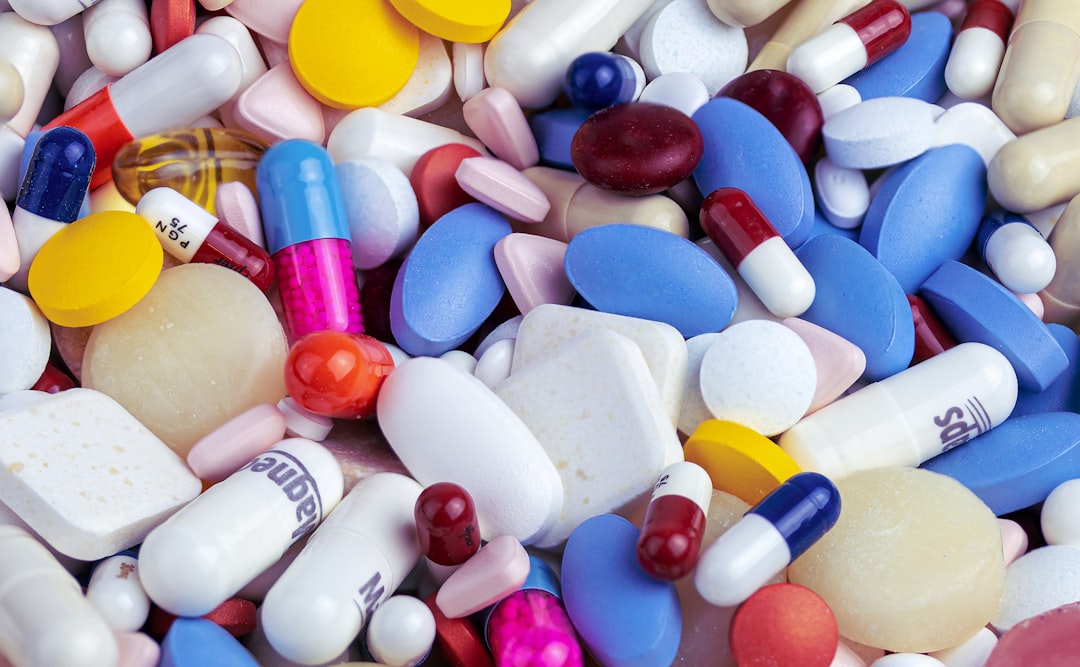
SSRIs. The most commonly prescribed antidepressants in the world. They genuinely help millions of people manage depression. They also, in many cases, dramatically dampen sexual desire, delay orgasm, or make it harder to get aroused at all.
This isn't a side note on a pamphlet. For some people, it's the biggest barrier to actually staying on their medication.
The mechanism makes sense once you understand it. SSRIs increase serotonin availability, which is great for mood. But serotonin can suppress dopamine. And dopamine is basically the brain's pleasure-and-motivation engine. Less dopamine activity often means less sexual interest, reduced genital sensation, and a much longer road to orgasm. It's the medication working exactly as intended, with one very inconvenient byproduct.
The good news? There are real strategies. Talking to your prescriber about adjusting your dose, switching to a different medication like bupropion (which has fewer sexual side effects), or timing intimacy around when medication levels are naturally lower are all legitimate options. One thing I want to be clear about: never stop or change your antidepressant without talking to a doctor first. That part really matters.
Rebuilding Desire When Your Brain Is Working Against You
Reconnecting with your body while you're depressed isn't about forcing yourself to want sex. It's about slowly reopening the channels.
Mindfulness-based approaches have actual evidence behind them. A 2021 study from Lori Brotto, PhD, a leading researcher in sexual health psychology at the University of British Columbia, found that mindfulness-based sex therapy significantly improved sexual desire and satisfaction in people experiencing low libido, including those whose desire was affected by depression and medication. The key isn't thinking your way into desire. It's learning to feel sensation without judgment.
Solo exploration is one of the gentlest entry points back into your body. If partnered sex feels like too much pressure, taking the relational performance anxiety off the table entirely can help. Exploring what feels good on your own terms, through touch, breath, and curiosity rather than goal-oriented thinking, is a legitimate form of healing. Many people find that using vibrators for women specifically designed for gentle, exploratory pleasure helps them reconnect with sensation that depression had muted.
And if you're in a relationship, consider what intimacy looks like without the expectation of sex. Non-sexual touch, being held, slow and intentional physical closeness without pressure. These small acts of connection rebuild the erotic bridge that depression burns.
Communication Is the Real Aphrodisiac Here
Your partner cannot read your mind. And if you've been withdrawing, they're probably filling in the blanks with their own anxious story. That story is almost certainly worse than the truth.
Telling your partner honestly what's happening, even just "depression is affecting my sex drive right now and it has nothing to do with you or us", creates breathing room. It shifts the dynamic from rejection to collaboration. And that emotional safety is actually one of the fastest routes back to desire.
If couples conversations feel impossible right now, therapy helps. A sex-positive therapist or even just a regular couples counsellor who understands depression can facilitate conversations that feel impossible alone. This isn't about fixing a broken relationship. It's about navigating a hard season together with real tools rather than silence.
Small, Physical Things That Actually Move the Needle
Sleep. Movement. Nutrition. I know, I know, this sounds like a wellness listicle. But hear me out, because this is specific.
Depression disrupts sleep architecture, which tanks testosterone and estrogen levels. Both of those hormones regulate libido in people of all genders. Getting consistent, quality sleep isn't just about feeling rested. It's directly tied to how much your body wants sex. Even modest improvements in sleep quality, like a consistent bedtime and limiting screens before bed, measurably affect desire.
Physical movement, even 20 minutes of moderate exercise a few times a week, has been shown to improve both depression symptoms and sexual function. It increases blood flow, elevates dopamine and endorphin levels, and reduces cortisol (the stress hormone that directly suppresses libido). You don't need a gym. A walk counts.
Sensory grounding is underrated too. Long showers. Skin care routines. Noticing texture. These aren't frivolous. When depression numbs sensation, deliberately returning to embodied experience, even outside of any sexual context, slowly reawakens the nervous system.
Choosing Pleasure Tools That Work With Your Current State
When arousal is diminished and orgasm feels harder to reach, the right kind of physical support genuinely helps. Not as a replacement for emotional work. But as a complement.
Clitoral vibrators specifically are often the most effective option when depression has muted sensation. They require less effort, they're direct, and they don't demand performance. The Berri Edging Clitoral Massager uses tapping stimulation which some people find easier to feel through the general numbness that depression creates, because the rhythmic pattern gives the nervous system something specific and consistent to respond to.
Namii 2, a dual-action clitoral suction and vibration toy, is another option worth exploring if you find that standard vibration isn't cutting through. The suction component works differently than vibration and can reach people whose bodies are currently less responsive to conventional stimulation.

Solo pleasure during depression isn't self-indulgence. It's a form of checking in with your body and refusing to let the illness take everything.
When to Ask for More Support
If sexual dysfunction is affecting your quality of life or your relationship in significant ways, bring it up directly with your mental health provider or GP. Most people don't. Because it feels embarrassing or like a smaller concern than everything else. It isn't.
Sexual wellbeing is part of overall wellbeing. A good provider will take it seriously and explore options with you. Whether that's adjusting your treatment plan, referring you to a sex therapist, or simply validating that what you're experiencing is real and treatable. You're allowed to advocate for that part of yourself.
If you'd like to explore what emotional and relational patterns might be tangled up in all of this, the article on sex as coping and when it's quietly hurting you is worth reading. And for anyone navigating this while also exploring solo pleasure for the first time, the best masturbation positions guide offers a low-pressure, body-affirming starting point.
Here's the Thing
Depression affecting your sex life doesn't mean your desire is gone forever. It means it's buried under something heavy right now. And the path back isn't willpower or "just trying harder." It's treating the whole picture. Your mood, your body, your relationships, and yes, your pleasure.
You deserve all of it back. That's not a luxury. That's the goal.
Want to make your journey even more exciting? I've handpicked some amazing toys and goodies at Hello Nancy that'll add extra sparkle to your intimate moments. (Here's a little secret — use 'dirtytalk' for 10% off!)
Frequently Asked Questions
Can depression really cause low sex drive, or is it just the medication?
Both. Depression itself disrupts dopamine and serotonin, the brain chemicals that regulate desire and pleasure. And many antidepressants, especially SSRIs, can further reduce libido as a side effect. It's often a combination of both factors working together, not just one or the other.
How do I talk to my partner about depression affecting my sex drive?
Be direct but gentle. Something like, "My depression is affecting my desire right now and it has nothing to do with you" goes a long way. Framing it as something happening to you, not between you two, takes the weight of rejection off your partner and opens space for real support.
Which antidepressants have fewer sexual side effects?
Bupropion (Wellbutrin) is commonly associated with fewer sexual side effects compared to SSRIs, and some people experience improved libido on it. Mirtazapine is another option sometimes discussed. Always talk to your prescribing doctor before switching or adjusting your medication.
Is it normal to have no interest in sex while depressed?
Completely normal, and very common. Research shows up to 75% of people with major depressive disorder experience sexual dysfunction. Losing interest in sex is a recognized symptom of depression, not a character flaw or a sign something is permanently wrong with you.
Can masturbation help with depression-related low libido?
Yes. Solo exploration without performance pressure can help you gently reconnect with your body and sensation. Orgasm releases dopamine and oxytocin, both of which temporarily improve mood. It's not a cure for depression, but it's a valid, body-affirming way to stay connected to your own pleasure.
Does exercise actually help improve sex drive during depression?
It does, and the research is fairly consistent on this. Even moderate exercise several times a week boosts dopamine, reduces cortisol, and improves blood flow. All three of those things directly support libido. It also improves depression symptoms themselves, which addresses the root cause.
How long does it take for sex drive to come back after treating depression?
It varies a lot by person and treatment approach. Some people notice improvement within weeks of starting effective treatment; for others it takes months. If your libido hasn't improved after your depression symptoms have, it may point to a medication side effect worth discussing with your doctor separately.
Can a sex therapist help with depression-related sexual dysfunction?
Absolutely. Sex therapists are trained to work with exactly this kind of intersection between mental health and sexual wellbeing. Mindfulness-based sex therapy in particular has strong evidence behind it for improving desire in people dealing with depression and medication side effects.