Add £9.00 to get Free Gift


Somebody in your group chat swears by it. You've seen it recommended in five Reddit threads. And yes, it smells genuinely amazing. But before you reach into that kitchen pantry for your next intimate moment, let's talk through what coconut oil for anal actually means in practice.
The appeal is obvious. Coconut oil is natural, affordable, widely available, and has that silky texture that feels like it was made for this. But "natural" doesn't automatically mean "safe for every use case," and anal play comes with its own specific set of considerations.
Your body deserves the honest version of this conversation.
Why People Reach for Coconut Oil in the First Place

Here's the thing about water-based lubes: they dry out. Fast. And for anal play, that's not a minor inconvenience. The anal canal doesn't self-lubricate the way vaginal tissue does, which means you're entirely dependent on whatever you bring to the table. When a water-based lube evaporates mid-session and you forget to reapply, friction becomes a real issue. Tiny tears in delicate tissue are not the vibe anyone's going for.
Coconut oil, being oil-based, doesn't absorb into the skin or evaporate quickly. It stays slippery. For extended intimate sessions where reapplying every few minutes would kill the momentum, that longevity genuinely matters. It also has a naturally smooth consistency that feels less clinical than some commercial options.
That said, longevity isn't the whole story.
The Real Safety Picture: What Coconut Oil Does (and Doesn't) Do Well

Let's get specific, because "it's natural, so it's fine" is not a safety plan. Coconut oil has legitimate antimicrobial properties, which some people cite as a benefit. And sure, that sounds great on paper. The problem is that the anal microbiome is a delicate ecosystem, and anything that disrupts the bacterial balance there can create real downstream problems. Disrupting that environment, even with something that seems benign, can increase vulnerability to infection rather than protect against it.
The bigger and more urgent concern is latex compatibility. Coconut oil, like all oil-based lubricants, degrades latex. Fully. If you're using latex condoms during anal sex and you add coconut oil, that condom is no longer reliably protecting you or your partner. The oil breaks down the latex on a molecular level, making it far more likely to split or fail mid-use. This is not a small risk to hand-wave away, especially given that anal sex carries a higher transmission risk for STIs compared to vaginal sex.
Polyurethane condoms, however, are oil-safe. So if you genuinely want to use coconut oil and you need barrier protection, that's the switch to make.
What About Toys?
This one's a mixed bag. Coconut oil plays beautifully with glass, metal, and genuine silicone toys. If you're exploring with something like the Anii handcrafted glass plug, you're in the clear. Glass is non-porous and oil-compatible, making it one of the most hygienic options for anal exploration anyway.
The issue arises with latex toys, jelly rubber, PVC, or any "mystery material" toys that aren't explicitly body-safe silicone. Oil degrades those materials in the same way it degrades latex condoms, and the resulting chemical breakdown can irritate sensitive tissue. If you're not 100% sure what your toy is made of, stick to a water-based lube until you know.
Hygiene Matters More Than You Think Here
Double-dipping fingers into a large shared container of coconut oil is one of the most common ways people accidentally introduce bacteria into the mix. Every time you go back for more, you're potentially transferring microbes back into the jar, where they can grow over time. A small dedicated scoop or a spoon to portion it out before you start keeps things clean. Ideally, decant a small amount into a separate container specifically for intimate use, and don't share it with your kitchen.
Coconut oil can also be tricky to clean up. Because it's oil-based, it doesn't rinse away easily with water alone. It can linger on skin and on fabric, and sheets will very much notice. A towel underneath is your best friend here. Warm water and a gentle soap handle the skin cleanup fine, but your bedding may need a proper wash cycle with a degreasing detergent.
When Coconut Oil for Anal Actually Works
There are genuinely good use cases for this. If you're engaging in solo exploration with a glass or metal toy and you're not using any latex products, coconut oil can be a perfectly comfortable and pleasurable option. The texture is real. The slip is real. The longevity is real.
It's also worth knowing that the anal tissue, unlike vaginal tissue, isn't as pH-sensitive in the same way. The bacterial disruption concerns that dominate conversations about vaginal use are less of a primary worry anally, though they're still worth keeping in mind. The bigger considerations for anal specifically are the latex issue, the toy material issue, and the cleanup factor.
For partnered anal sex where condoms are part of the picture, coconut oil simply isn't the right call unless you've already switched to polyurethane. For solo play with body-safe materials, it can genuinely work well. Context is everything.
What to Use Instead (Or Alongside)
If coconut oil isn't the right fit for your specific situation, you've got solid alternatives. Silicone-based lubes are long-lasting, body-safe, and latex-compatible. They're the gold standard for anal play for a reason. The one catch is that silicone lube can degrade silicone toys over time, so if your toys are silicone, water-based is actually the safer pairing there.
Water-based lubes are universally compatible with condoms, toys of any material, and bodies of any anatomy. The downside is longevity, but reapplying frequently is a habit worth building. Think of it less as interruption and more as part of the rhythm. Keeping clitoral vibrators or other pleasure tools nearby means you can turn a reapplication pause into something useful rather than a mood-killer.
If you love the idea of oil-based but want something specifically formulated for intimate use, there are products designed exactly for that with better-controlled ingredients and proper pH considerations built in.
Reading Your Body's Signals
Do a patch test before committing to any new lube, including coconut oil. Apply a small amount to your inner forearm, wait 24 hours, and check for irritation. Coconut oil allergies are rare but not unheard of. And if you experience any itching, burning, or unusual discharge after anal play, stop using whatever you introduced and check in with a healthcare provider. Your body communicates clearly when something isn't right. Listen to it.
Anal play, when approached with good information, the right materials, and genuine communication with your partner, is something a lot of people find deeply pleasurable. You deserve to enjoy it without avoidable complications.
If you're just starting out with anal exploration and want a broader picture of what to expect from your first foray into sex toys, the first sex toy buying guide at Hello Nancy is a genuinely useful starting point. Choosing body-safe materials from the beginning saves a lot of headaches later.
Bottom Line
Coconut oil for anal isn't automatically dangerous, but it's not automatically safe either. The answer depends entirely on what else is happening. No latex condoms? Glass or metal toys? Solo play? Coconut oil can work. Latex condoms in the mix? Unfamiliar toy materials? The risk isn't worth it. Know your setup, choose accordingly, and don't let "natural" substitute for "informed."
Want to make your journey even more exciting? I've handpicked some amazing toys and goodies at Hello Nancy that'll add extra sparkle to your intimate moments. (Here's a little secret—use 'dirtytalk' for 10% off!)
For body-safe glass exploration specifically, the Anii glass plug by Biird is a gorgeous option that pairs perfectly with coconut oil when conditions are right.
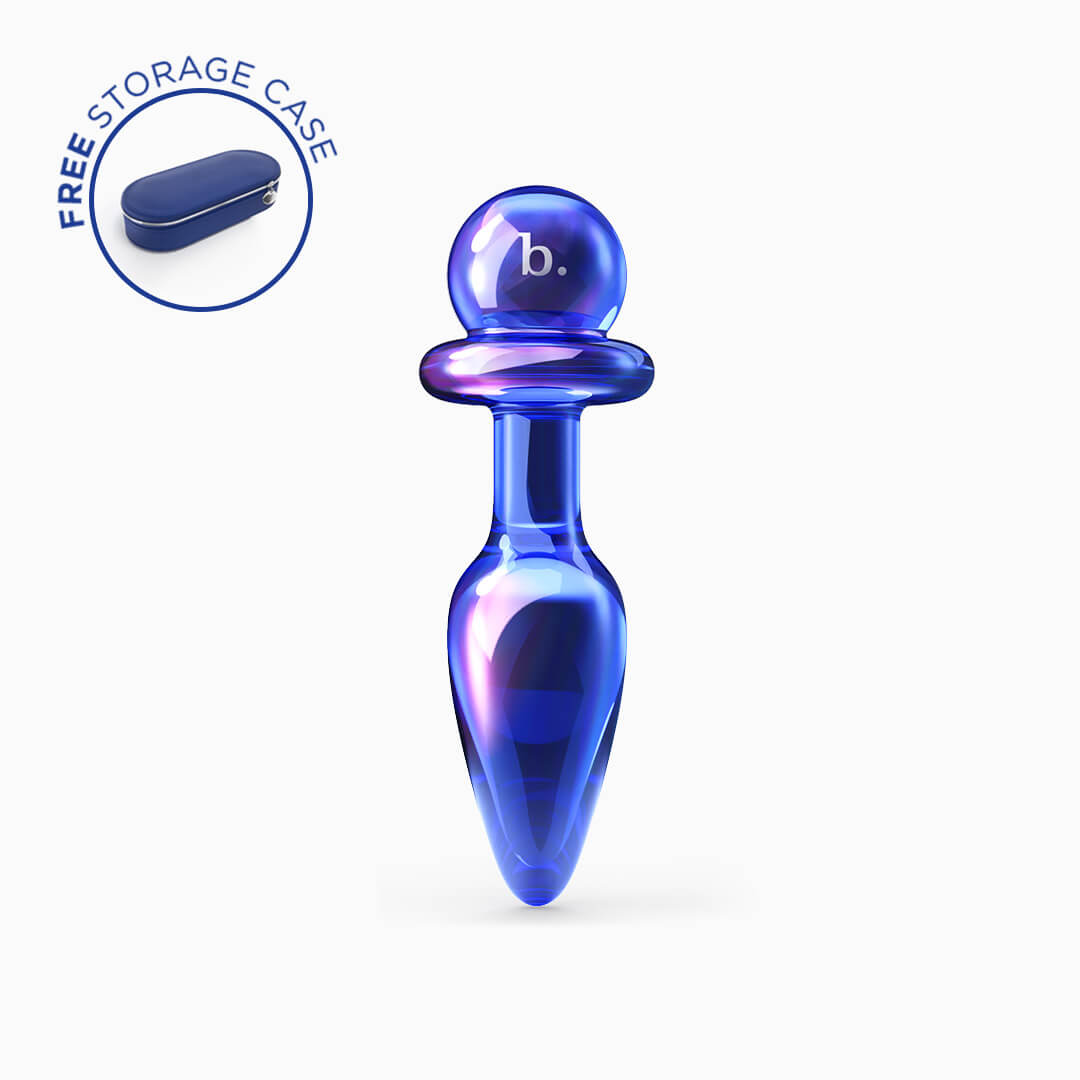
And if you're looking to explore more vibrators for women or couples toys that complement intimate play, Hello Nancy has you covered with body-safe options across every category.
Frequently Asked Questions
Is coconut oil safe to use as anal lubricant?
Coconut oil can be safe for anal use in specific situations. It works well with glass, metal, and polyurethane products, and is a reasonable option for solo play without latex. However, it degrades latex condoms and some toy materials, so the safety depends entirely on what else you're using.
Can you use coconut oil with latex condoms for anal sex?
No. Coconut oil, like all oil-based lubricants, breaks down latex on a molecular level. Using it with latex condoms significantly increases the risk of condom failure during anal sex. Switch to polyurethane condoms if you want to use an oil-based lube.
Does coconut oil work with silicone anal toys?
It depends on the toy material. Genuine silicone toys are generally compatible with coconut oil. However, latex, jelly rubber, or PVC toys can be damaged by oil-based lubes. Glass and metal toys are fully compatible and actually the ideal pairing.
Can coconut oil cause infection if used anally?
It's possible, particularly if bacteria are introduced via a contaminated container or if the anal microbiome is disrupted. Always use a clean scoop to portion out coconut oil rather than double-dipping fingers. If you notice irritation or unusual symptoms after use, consult a healthcare provider.
How do you clean up coconut oil after anal play?
Coconut oil doesn't rinse away with water alone. Use warm water and a gentle soap on skin. For bedding, a wash cycle with a degreasing detergent does the job. Using a dedicated towel or waterproof blanket underneath saves your sheets from oil staining.
What is the best lubricant for anal sex if not coconut oil?
Silicone-based lubricants are widely considered the best for anal sex due to their long-lasting slip and latex compatibility. Water-based lubes are the most universally compatible option and safe with all toy materials, though they require more frequent reapplication.
Is coconut oil better than water-based lube for anal?
Coconut oil lasts longer than water-based lubes because it doesn't evaporate or absorb as quickly. That's a genuine advantage for anal play. But the material and condom compatibility restrictions mean it's not suitable for every situation. "Better" depends entirely on your specific context.
Can coconut oil be used for anal during pregnancy?
This is a conversation best had with your OB or midwife, who knows your specific health picture. In general, the same rules apply. Latex compatibility and hygiene remain key concerns. Don't skip the professional consultation on this one.