Add £9.00 to get Free Gift


Your gut already clocked it. Maybe it was that weird pause before they turned their phone screen down, or the way they laughed at a notification but told you it was "nothing." Social media has a way of making relationship cracks visible long before either partner is ready to talk about them.
Here's the uncomfortable truth: the digital layer of a relationship can reveal more about someone's emotional availability than a hundred deep conversations. And ignoring those signals? That's where things get messy.
Why Social Media Feels Like a Relationship Minefield
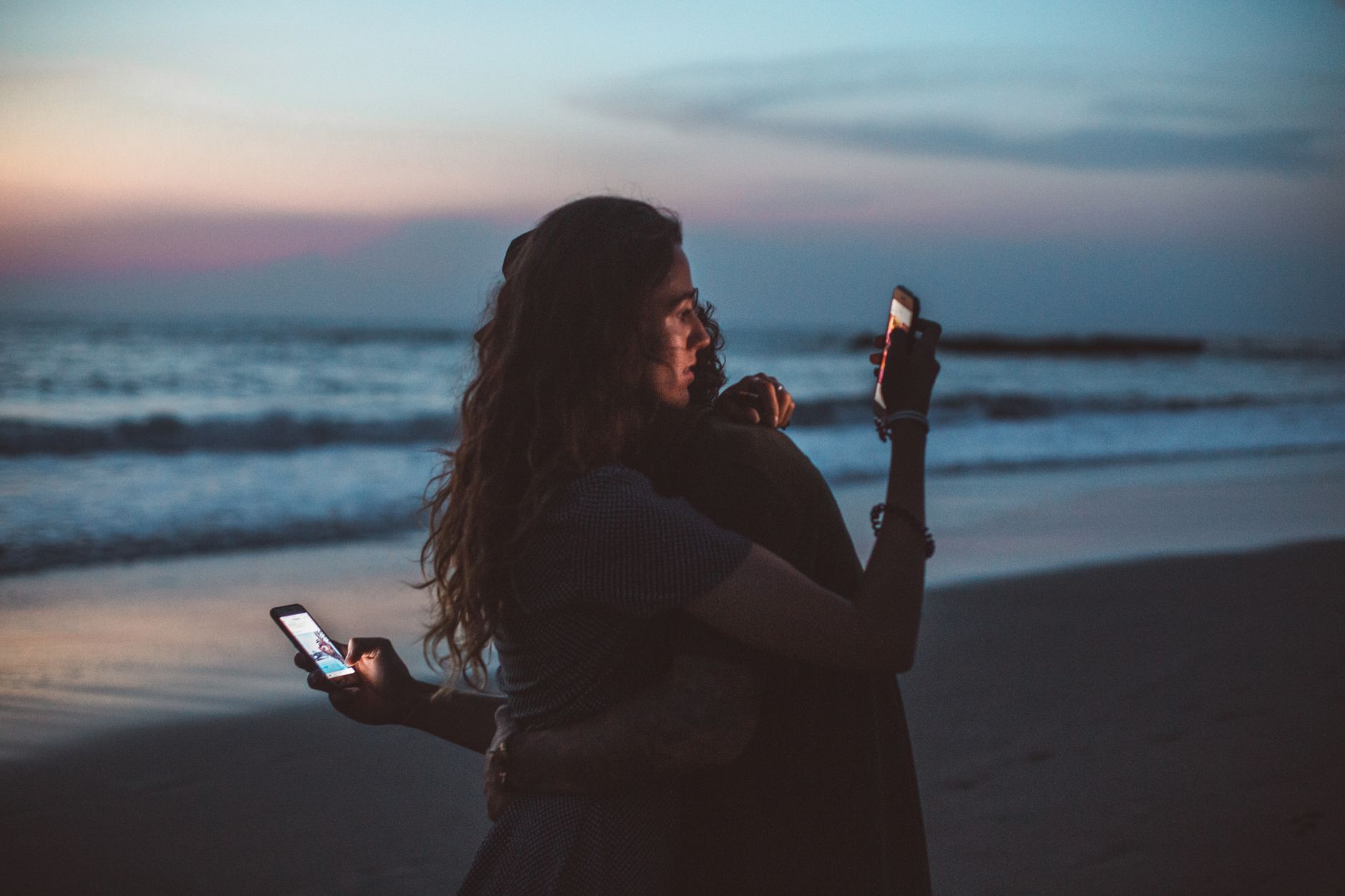
Social media wasn't designed with your love life in mind. It was built for engagement, likes, and dopamine hits. But when two people are in a relationship, those same features become fertile ground for jealousy, control, and secrecy. A 2023 report by the National Association for Media Literacy Education found that 42% of couples cite social media as a reason for miscommunication, largely because tone and nuance dissolve in text-based interactions (NAMLE, 2023).
That stat alone should give us pause.
The tricky part is that not every weird behavior online means your relationship is doomed. Context matters enormously. But there's a difference between a quirk and a pattern, and learning to read that difference is the whole point of this article.
The 12 Red Flags Worth Paying Attention To
1. They're Completely Absent From Your Online Life
Some people genuinely prefer privacy online, and that's perfectly valid. But when your partner never acknowledges your existence on social media, not a single tag, no couple photo, no mention across months or even years, it starts to feel less like privacy and more like erasure. If they're posting their brunch, their gym selfies, their nights out with friends, but somehow you never appear, ask yourself why your presence in their life isn't worth one post.
It stings more than it should, and that sting is information.
2. They Check Their Phone Obsessively and Secretly
Everyone checks their phone too much these days. But there's a specific kind of phone behavior that feels different: the screen tilted away, the app closed the second you walk into the room, the sudden need to step out to "take a call." A 2023 study found that 55% of people who were hiding digital activity deleted their browser history weekly to conceal social media use from their partners (Gitnux, 2023). Secrecy isn't the same as privacy. One is a boundary; the other is a wall.
3. They Follow Exes Anonymously
This one is subtle but worth naming. Following an ex publicly is one thing; following them from a second account, or lurking their profile regularly without ever mentioning it, is another conversation entirely. According to a 2024 survey, 42% of individuals in relationships followed ex-partners anonymously on multiple platforms simultaneously (Gitnux, 2024). A pattern of quiet digital surveillance of someone from their past signals something that hasn't been processed or released.
4. They Police Your Online Presence
Controlling who you can follow, demanding you remove certain photos, or having meltdowns because you liked someone's post? Those are not signs of love. They are signs of control. This kind of digital jealousy has been linked in longitudinal research to psychological and physical intimate partner violence over time (Bartholomew & Cobb, 2011; ScienceDirect, 2023). Feeling like you have to curate your entire online identity to manage someone else's insecurity is exhausting, and it's not sustainable.
Your online presence is yours.
5. They're Emotionally Closer to Online Friends Than to You
Having online friends is genuinely wonderful. But when your partner seems to share more vulnerability, more humor, more of themselves in comment sections and DMs than they ever do with you face to face, that gap is something to notice. Emotional intimacy displaced to the internet while the in-person relationship feels hollow is a red flag dressed in casual pixels.
6. They Have a "Public" Persona That's Totally Disconnected From Real Life
Every human being edits themselves for an audience. That's normal. But when the person your partner performs online bears almost no resemblance to the person you live with, it creates a disorienting kind of disconnection. Are they warm and funny on Instagram but cold and dismissive at home? Are they posting about "gratitude" and "growth" online while gaslighting you behind closed doors? The contrast deserves attention.
7. They React Disproportionately to Your Online Interactions
Someone likes your photo. Your partner doesn't speak to you for two hours. You comment on a colleague's post, and suddenly there's an interrogation waiting for you at dinner. A 2023 YouGov poll found that 34% of millennials say their partner's constant social media jealousy has directly damaged their relationship (WorldMetrics, 2023). Disproportionate reactions to totally ordinary online behavior are a sign of deep insecurity that no amount of reassurance will fully fix.
Insecurity at that level needs professional support, not a quieter Instagram account from you.
8. They Vaguebook About Your Relationship
"Vaguebooking" is when someone posts deliberately cryptic or dramatic content clearly designed to fish for reactions, often related to something happening in their real life. If your partner regularly posts emotionally charged content that seems aimed at you, or at others about you, without ever actually talking to you directly, that's a communication pattern worth addressing. Performing relationship problems online instead of discussing them privately is both passive-aggressive and a form of social manipulation.
9. They Monitor Your Location Through Social Check-Ins
If they've never asked you directly where you are but seem to know every time based on where you checked in or who tagged you, pay attention. Surveillance disguised as casual awareness is still surveillance. Feeling like your social media is being monitored as a tracking tool is a legitimate red flag, not paranoia.
Trust doesn't need GPS.
10. They Weaponize Their Online Behavior During Arguments
Deleting couple photos after a fight. Suddenly following a bunch of new people in a pointed way. Posting thirst traps the moment things get tense. These behaviors use social media as an emotional weapon, designed to provoke anxiety or jealousy in you while giving them plausible deniability. It's a specific kind of manipulation that looks immature on the surface but can actually be quite calculated underneath.
11. They Have Hidden Accounts You Weren't Supposed to Find
A finsta (fake Instagram) for close friends is one thing, and genuinely some people use them for low-stakes silliness. But discovering that your partner has an entirely separate online identity with a different name, a different bio, and followers who don't know you exist? That's a completely different conversation. Hidden accounts maintained across months are rarely innocent, and the explanation usually matters less than the fact that it was hidden at all.
12. They Use Social Media to Compare You to Others Constantly
Pointing out other people's bodies, lifestyles, or relationship aesthetics in ways that make you feel inadequate is a slow-burn red flag that often hides behind humor. "I'm just saying, look how fit they are" or "their relationship looks so much more fun" might seem offhand, but as a repeating pattern it chips away at your self-worth methodically. It plants the seed that you are somehow not enough, and it does so using real people's curated highlight reels as the measuring stick.
You deserve a partner who compares you to no one.
The Bigger Picture: When Digital Behavior Reflects Real Values
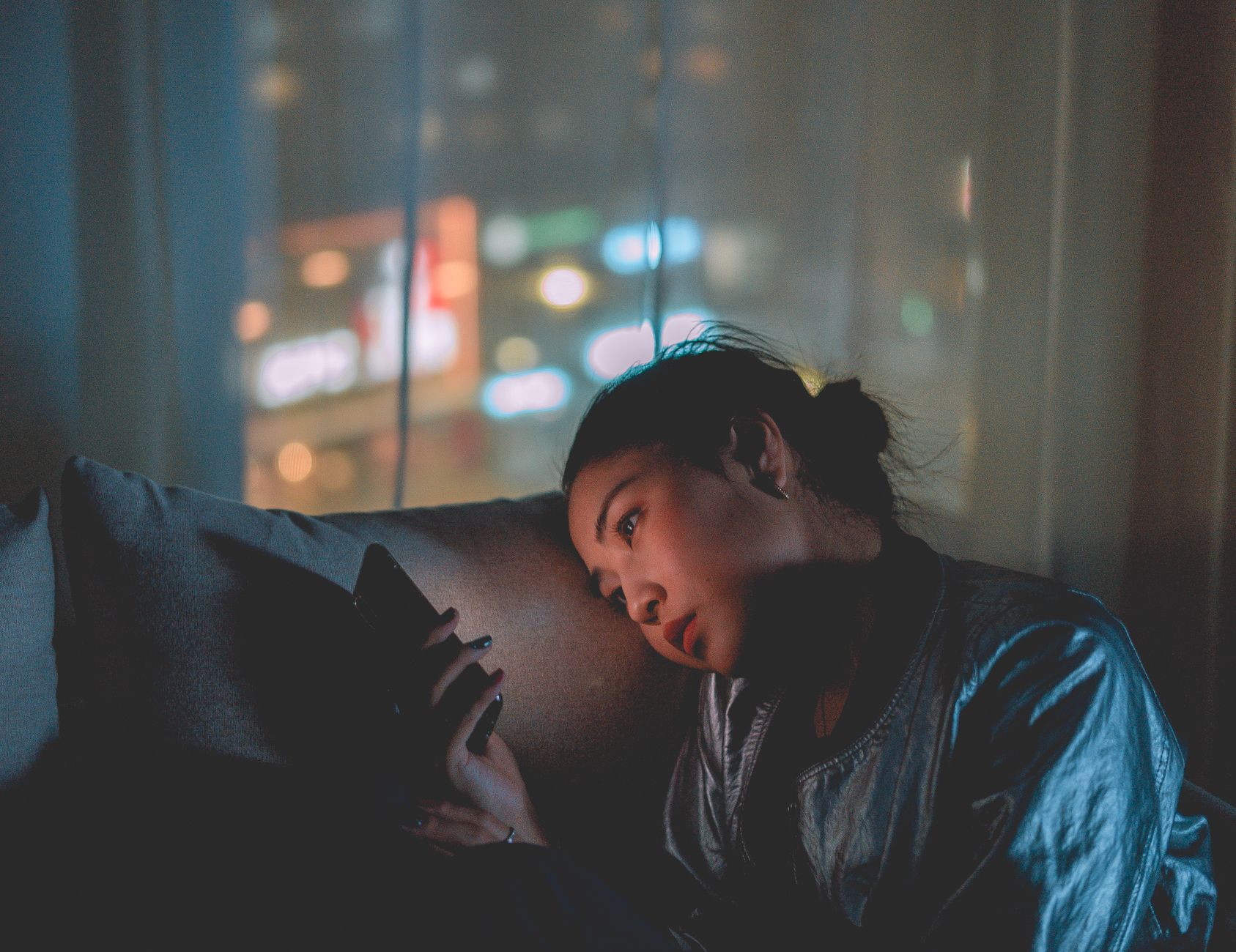
None of these red flags exist in a vacuum. Noticing one in isolation doesn't mean your relationship is over. But a cluster of them, especially patterns that repeat despite honest conversations, tells you something important about your partner's emotional availability, their relationship with honesty, and how they handle insecurity and intimacy.
If you've identified with several things on this list and felt that familiar knot in your stomach, trust that feeling. You can read more about healing and finding your way back to yourself when relationships have left you feeling diminished.
The patterns that feel small in the beginning rarely stay small.
What You Can Actually Do About It
Noticing a red flag is step one. What comes next is the harder, more important work. Start by naming the specific behavior, not a sweeping accusation, but a concrete observation. "When you deleted our photos after the argument last week, I felt like I didn't matter" lands very differently from "you always do this."
If the conversation goes nowhere, or if it keeps cycling through the same loop without resolution, that cycle itself is data. Healthy relationships have ruptures and repairs. What they don't have is a permanent stalemate where one person's discomfort is consistently dismissed.
And if you're the one with the controlling or secretive behavior? Recognizing it is genuinely brave. That recognition is the beginning of changing it.
Consider what your relationship actually looks and feels like offline, away from the feeds and the notifications. If that offline version feels good, solid, and safe, then some of the social media friction might be workable. But if the offline version feels just as murky? The digital stuff is probably just a symptom of something deeper that deserves real attention.
Good communication, the kind that happens face to face with actual emotional risk involved, is still the most powerful tool in any relationship. No algorithm has cracked that yet. If you're curious about building more real communication and trust with your partner, that's a genuinely good place to start.
When Pleasure Gets Lost in All of This
Relationship tension has a funny way of creeping into the bedroom. When trust erodes, when you're spending energy monitoring or being monitored, desire and intimacy take a hit. If you've been feeling disconnected from your own pleasure lately, that's worth tending to independently of whatever's happening in your relationship.
Reconnecting with your body on your own terms is a genuinely radical act when you're in a stressful relational dynamic. Exploring vibrators for women designed around your pleasure, not anyone else's, is one small way to come back to yourself. The Berri tapping clitoral massager is a favorite for anyone who wants something that feels intuitive, satisfying, and entirely yours.

Your pleasure doesn't go on hold just because things are complicated.
Wrapping Up
Social media doesn't ruin relationships. But it does make it much harder to hide the cracks that were already there. The 12 red flags we've talked about are really just digital expressions of very human patterns: secrecy, control, emotional unavailability, and the slow erosion of trust. Paying attention to them isn't paranoia. It's self-respect.
You deserve a relationship where you feel secure enough not to check. Where you're not reading between the lines of every post, dissecting every like, or dreading what you'll find. That version of love exists. And recognizing what doesn't feel right is the first step toward actually finding it.
Want to make your journey even more exciting? I've handpicked some amazing toys and goodies at Hello Nancy that'll add extra sparkle to your intimate moments. (Here's a little secret, use 'dirtytalk' for 10% off!)
Frequently Asked Questions
What are the biggest social media red flags in a relationship?
The most common red flags include secret phone behavior, hidden accounts, your partner never acknowledging you online while being publicly active, and using social media to manipulate or surveil you. These behaviors often signal deeper issues with trust, honesty, and emotional availability that go beyond the digital space.
Is it a red flag if my partner never posts about me on social media?
Not necessarily on its own. Some people genuinely prefer to keep their relationship private online, and that's completely valid. The red flag appears when your partner is active and public about other parts of their life but consistently excludes you, creating a pattern that feels like deliberate erasure rather than personal preference.
How do I bring up social media red flags without starting a fight?
Focus on specific behaviors and how they made you feel rather than making sweeping accusations. Saying "when this happened, I felt unseen" is far more productive than "you always do this." Pick a calm, neutral moment, not during or right after a conflict, and approach it as a conversation about your needs rather than an interrogation about their motives.
Can social media jealousy actually damage a relationship long-term?
Yes, absolutely. Research has found that social media-driven jealousy that goes unaddressed can escalate into controlling behavior, emotional withdrawal, and even relationship dissolution. A 2023 YouGov poll found that 34% of millennials reported their partner's social media jealousy directly damaged their relationship. Without professional support or serious commitment to change, it tends to get worse over time, not better.
What's the difference between healthy privacy and secretive behavior online?
Privacy is a boundary that your partner communicates openly. They might say "I keep my online life separate from my relationship" and that applies consistently. Secrecy, on the other hand, involves concealment: hidden accounts, deleted history, apps closed when you walk in. The key difference is transparency. One is a choice they've shared; the other is something being actively kept from you.
Should I check my partner's social media if I'm feeling suspicious?
Honestly, the urge to check usually tells you more about the state of the relationship than anything you'd actually find. If you feel compelled to monitor your partner's accounts, the more important question is whether you feel safe and trusted in this relationship. Open conversation about your concerns will serve you far better than digital surveillance, and what you find snooping is rarely the whole picture anyway.
Is it a red flag if my partner follows a lot of attractive people on Instagram?
Following attractive people online is extremely common and doesn't automatically indicate a problem. The red flag would be if it's accompanied by comparison behavior, like pointing out those accounts to make you feel inadequate, or if the following happens in a targeted way designed to provoke your insecurity. Context and pattern are everything here.
What should I do if my partner controls my social media use?
Any attempt to control what you post, who you follow, or how you engage online is a form of coercive behavior that goes beyond normal relationship boundaries. Name it clearly, and if your partner can't respect your digital autonomy after a genuine conversation, consider whether this pattern shows up in other areas of your relationship too. Speaking with a therapist or counselor can help you evaluate your next steps.