Add 807.60؋ to get Free Gift


Let's be real. Most of us roll over, grab our phone, or shuffle to the bathroom. Nobody warned us that what happens after intimacy matters just as much as everything before it.
Aftercare is that intentional window of physical and emotional tending that follows sex, intense play, or even a deeply vulnerable solo session. It's not a nicety. It's a need. And science is catching up with what your body already knew.
Research shows that approximately 46% of women and 41% of men have experienced postcoital dysphoria at some point, that sudden wave of sadness or disconnection after sex, even when it was good (Schweitzer et al., as cited by Raftery, 2024). Aftercare is the antidote. It's not about grand romantic gestures. It's about showing up in the five to fifteen minutes that follow intensity.
Whether you're practicing BDSM, navigating a new relationship, recovering from a solo session, or simply trying to feel more held after sex, this guide has 25 concrete ideas across physical and emotional care.
Why Aftercare Isn't Optional

Here's what's actually happening in your body after intense intimacy. Oxytocin, dopamine, and adrenaline have all spiked and are now crashing back down simultaneously. That's a lot of neurochemistry moving at once.
Without a gentle landing, that crash can feel like inexplicable sadness, irritability, or emotional flatness. This is sometimes called "drop" in kink communities, but it happens outside of BDSM too. Your nervous system just ran a marathon. Aftercare is the cool-down.
The good news? Even simple touch between partners promotes oxytocin, supporting bonding and emotional regulation long after the moment has passed. You don't need a spa-level ritual. You need intention.
Physical Aftercare: Grounding the Body

Physical aftercare is about bringing your body back into a state of comfort and safety. Your nervous system responds to physical signals first, so starting here makes everything easier.
Drink water. Seriously, this is the most underrated one. Intimacy is physical exertion, and hydration helps your body regulate temperature, reduce muscle tension, and recover faster. Keep a bottle on the nightstand before you even start.
A warm shower or bath together (or alone) can act as a literal reset button. The warmth relaxes muscles, the ritual creates a clear psychological transition, and it gives you something to do if conversation feels hard. No pressure to perform connection. Just warmth.
Gentle massage is another favorite. You don't need training. A few minutes of slow, deliberate touch across the back, shoulders, or scalp signals to the nervous system that the intensity has passed and safety has arrived.
Eating something small matters more than most people expect. Nuts, fruit, crackers, a piece of chocolate. Blood sugar often dips after intense physical activity and emotional experience. A small snack stabilizes mood in a very real, very unglamorous way. 🍫
Cleaning up together, if that's your thing, can feel like a shared act of care rather than a clinical chore. Warm washcloths are a classic for a reason. They're practical and surprisingly tender at the same time.
Rest without agenda. Simply lying still, breathing together without needing to talk or perform closeness, is deeply restorative. Stillness is underrated.
Blankets and warmth deserve their own mention. Body temperature drops after arousal peaks. Wrapping up prevents that mild chill that can accidentally feel like emotional coldness. Grab the blanket. It matters.
Stretching, especially if the session involved intense physical positions or restraint, helps release stored tension and lactic acid. A few gentle stretches together can also be playful and connected rather than clinical.
Finally, skincare or lotion application. Slow, gentle lotion applied to the arms, legs, or back is a form of touch that says "I'm still here, you're still safe." It also works beautifully for solo aftercare, a quiet act of self-tending after solo play that you genuinely deserve.
Emotional Aftercare: Tending the Inner Space

Physical grounding opens the door. Emotional aftercare is what you walk through.
Start by simply asking: "How are you feeling right now?" Not "was that okay?" which invites a reflexive "yes." Instead, an open question creates space for real answers. Curiosity, not assessment.
Affirmations said aloud land differently post-intimacy than they do in everyday conversation. The nervous system is open and receptive. Saying "I feel safe with you" or "that was really special to me" in this window has outsized emotional impact. Use it.
Checking in about what felt good and what didn't is part of emotional aftercare too. It doesn't have to be a debrief or a critique session. A light, warm "was there anything you wanted more or less of?" builds trust over time and dramatically improves future intimacy. Open communication is genuinely erotic in the long game.
If emotions surface unexpectedly, make room for them. Crying after sex or intense play is common, and it doesn't mean something went wrong. It often means something went right. The body releases what it's been holding. Witnessing that in your partner without panic is one of the most loving things you can offer.
Laughter counts as emotional aftercare too. If something was silly or awkward, let it be funny. Shared laughter after intimacy creates a sense of ease that deepens connection more than any serious conversation could.
For solo sessions, journaling for five minutes afterward can serve as your own emotional witness. Write what you feel without editing. It creates closure and builds self-awareness about what you enjoy, what you need, and how your body communicates with you.
Listening to music together is a genuine mood regulation tool. Research confirms that music fosters social bonding and emotional regulation, which are exactly what aftercare aims to achieve. Make a playlist. Return to it together.
Talking about something completely unrelated is also valid aftercare. Sometimes the best emotional reset is ten minutes of discussing a TV show or a weird thing that happened at work. It signals that you are whole people beyond the intimacy, and that matters.
Aftercare for Kink & BDSM Scenes
If you've been exploring kink together, aftercare becomes especially non-negotiable.
Sub-drop and dom-drop are real, documented neurological experiences. After an intense scene, the crash of oxytocin and adrenaline can hit hard, sometimes days later. Planning aftercare before the scene even begins is part of responsible, conscious kink.
Physical grounding is the first priority after intense play. Blankets, warmth, water, and gentle touch communicate safety to a nervous system that just went through something extraordinary. The return to softness has to be intentional. If you're new to exploring this territory, a BDSM checklist for beginners can help you map out aftercare preferences before you even start.
Verbally reestablishing the dynamic. After a scene where roles and power were exchanged, a clear verbal or physical signal that "the scene is over, we are equals again" helps both partners decompress. This could be as simple as using each other's real names, removing a collar or cuff, or sharing a specific phrase you've agreed on.
Follow-up care the next day deserves its own moment. A text, a call, a check-in. Delayed drop is real and can surprise even experienced practitioners. Checking in 24 to 48 hours later shows care that extends beyond the bedroom and builds deep relational trust.
Solo Aftercare: Yes, You Deserve This Too
Solo intimacy is intimacy. Full stop.
After a solo session, especially one involving a vibrator or toy that generated intense sensation, your nervous system still needs a soft landing. The fact that there's no partner present doesn't mean the landing can skip. You are still there. You still count.
Wrap yourself in something warm. Make a cup of tea. Wash your hands slowly and mindfully instead of rushing. Put on music or a comforting show. These tiny acts signal to your body that pleasure was safe, welcome, and complete. If you're exploring what works best for solo sessions with vibrators for women, building a post-session ritual will actually make the whole experience richer over time.
For those who experience emotional vulnerability after solo play, brief journaling or even just sitting quietly for a few minutes without immediately picking up your phone creates psychological completion. It honors the experience rather than abandoning it.
Building Your Aftercare Toolkit
Think of aftercare as a ritual you design in advance, not improvise in the moment.
Having a dedicated nightstand setup makes a real difference. Water, a small snack, a soft cloth, lotion, and your comfort playlist queued up. The fact that you prepared it communicates care before a single word is spoken. For those exploring more adventurous territory together, pairing your aftercare kit with quality couples toys that you've already discussed and consented to creates a fuller, more intentional experience from start to finish.
Communicating aftercare needs before intimacy, not after, is key. Ask your partner: "What do you need when we're done?" Some people want to talk. Some want silence. Some want to be held tightly. Some need space. Knowing this in advance transforms aftercare from guesswork into genuine care.
And revisit the conversation periodically. What you needed six months ago may have shifted. Aftercare needs evolve with the relationship, with life stress, and with how comfortable you become with each other. Check in again. Curiosity keeps connection alive.
If you want to go deeper on vulnerability and intimacy without shame, the work starts with unlearning. Healing sexual shame is one of the most powerful things you can do to open up your capacity for both giving and receiving care.
The Full List: 25 Aftercare Ideas at a Glance
Because sometimes you want the whole picture in one place, here are all 25 ideas organized across physical and emotional care.
Physical: drink water, take a warm shower or bath, give or receive a gentle massage, eat a small snack, clean up together with warm cloths, rest in stillness, wrap in a warm blanket, stretch together, apply lotion slowly, sleep.
Emotional: ask "how are you feeling right now?", offer verbal affirmations, do a gentle debrief, hold space for unexpected emotions, share laughter, journal solo, listen to music together, talk about something unrelated, write a short appreciation note, revisit aftercare preferences together in a future conversation.
For kink/BDSM specifically: prepare the aftercare setup before the scene, use grounding touch immediately after, verbally signal the end of the scene, check in 24-48 hours later, and have a follow-up conversation about what came up emotionally.
Clitoral vibrators and other intimate toys can be a wonderful part of your pleasure ritual, and the aftercare you build around them is what turns a single experience into an ongoing, nourishing practice.
Bottom Line
Aftercare isn't a bonus track. It's part of the song.
Every body, every partnership, every solo session deserves a soft landing. The ideas in this article aren't complicated. They don't require a spa budget or a therapist on speed dial. They require only intention. The willingness to say, with your actions: "what we just shared mattered, and so do you."
Start with one idea. Add another. Build the ritual slowly until it becomes as natural as the intimacy itself. You deserve to feel held, not just during, but after. Always after. ✨
Want to make your journey even more exciting? I've handpicked some amazing toys and goodies at Hello Nancy that'll add extra sparkle to your intimate moments. (Here's a little secret, use 'dirtytalk' for 10% off!)
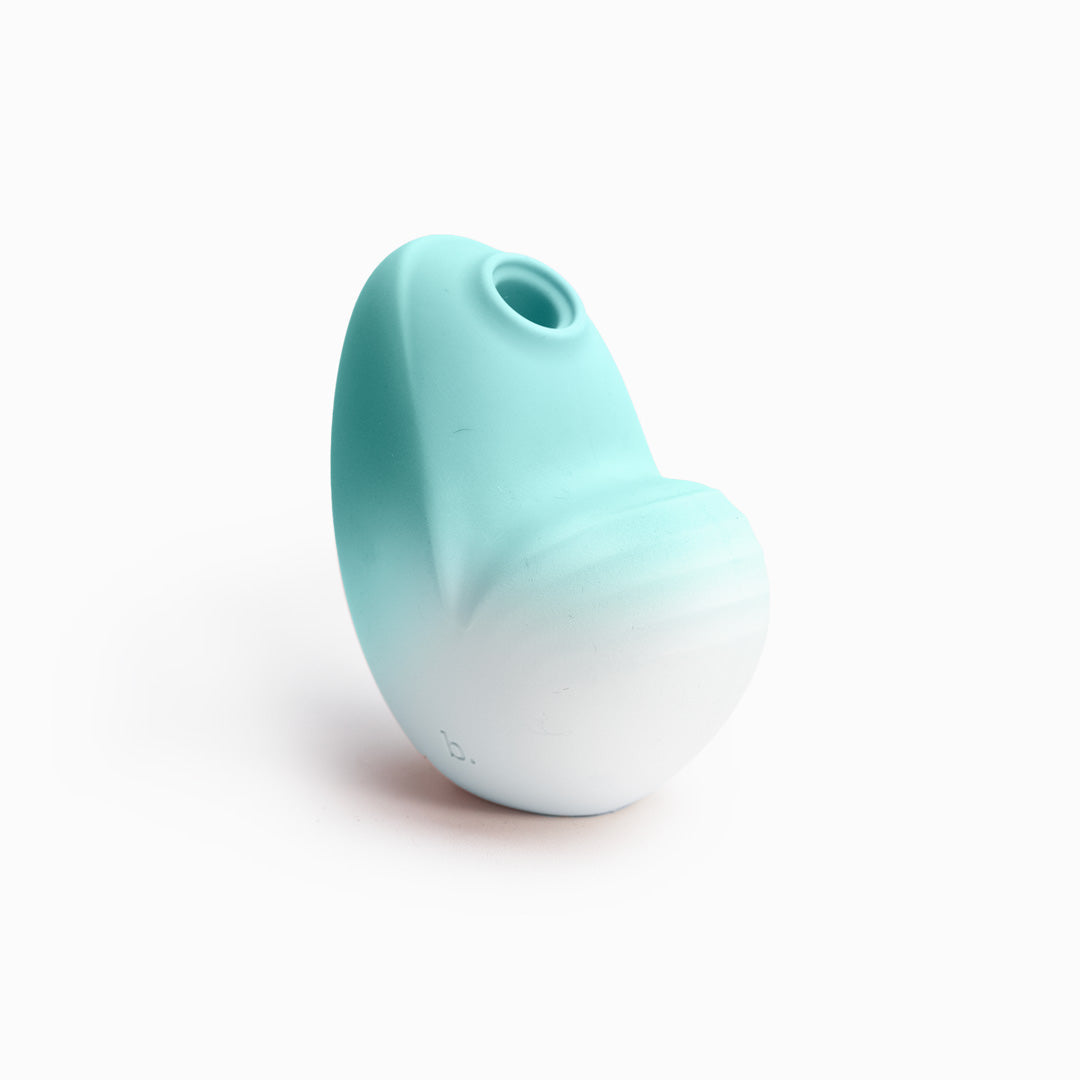
The Namii 2 is a gorgeous dual-action clitoral suction toy that pairs beautifully with an intentional aftercare ritual. Something this thoughtfully designed deserves an equally thoughtful wind-down.
Frequently Asked Questions
What is aftercare and why is it important after sex?
Aftercare is the intentional physical and emotional care that follows sex, intense play, or solo intimacy. It matters because your body experiences significant hormonal shifts during and after sex, including drops in oxytocin and dopamine, that can cause emotional vulnerability, sadness, or irritability if left unaddressed. Aftercare creates a soft, safe landing for your nervous system.
How long should aftercare last after sex?
There's no fixed rule. For most people, five to fifteen minutes of intentional care is enough to feel grounded and connected. After intense kink or BDSM scenes, aftercare may extend much longer, and follow-up check-ins the next day are also considered part of the process.
What is aftercare for solo play?
Solo aftercare involves tending to yourself physically and emotionally after masturbation or solo sex toy use. Simple acts like drinking water, wrapping in a blanket, journaling, or putting on music can help your nervous system transition out of arousal and into rest. It honors the experience rather than rushing past it.
What is sub-drop and how does aftercare help?
Sub-drop is a crash in mood, energy, and emotional stability that can occur after a BDSM scene, caused by the sudden drop in adrenaline, oxytocin, and endorphins. It can happen immediately or 24 to 48 hours later. Structured aftercare, including warmth, grounding touch, reassurance, and follow-up check-ins, directly counteracts sub-drop by supporting emotional regulation and hormonal recovery.
What are easy physical aftercare ideas I can try tonight?
Keep it simple. Drink water, share a small snack, take a warm shower, or apply lotion to each other's arms or back. These actions ground the body and signal safety to the nervous system without requiring any elaborate ritual or preparation.
How do I talk to my partner about aftercare needs?
Bring it up before intimacy, not after. Try asking: "What do you usually need after we're together?" or "Is there something that would help you feel more comfortable after sex?" Making it a casual, curious conversation rather than a heavy talk removes the pressure and opens real dialogue.
Can aftercare improve relationship satisfaction over time?
Yes, meaningfully. Consistent aftercare builds emotional safety, deepens trust, and reinforces that both partners feel valued beyond the sexual act itself. Research on sexual satisfaction consistently links post-sex connection, including touch, communication, and presence, to long-term relationship quality.
What is postcoital dysphoria and is it related to a lack of aftercare?
Postcoital dysphoria (PCD) is the experience of sadness, anxiety, or emotional distress following consensual sex, even when the sex was enjoyable. Research suggests it affects about 46% of women and 41% of men at some point. While PCD has multiple causes including hormonal shifts and past experiences, consistent aftercare can reduce its intensity and frequency by providing emotional reassurance and physical grounding immediately after sex.