Adj hozzá még $12.00, hogy megkapd a Ingyenes ajándék jutalmat


You're doing everything "right." The mood is there. Your partner is attentive. And yet. Nothing. If that hits close to home, you're not broken and you're definitely not alone.
Anorgasmia is the clinical term for consistent difficulty reaching orgasm, whether it's happening less often than you'd like or not at all. Research suggests only about 25% of women consistently orgasm from vaginal sex alone, yet the conversation around why some of us struggle to get there remains frustratingly quiet.
Let's fix that.
What Exactly Is Anorgasmia?

Anorgasmia isn't a personality flaw or a sign you're doing intimacy wrong. It's a recognized sexual health condition with real physiological and psychological roots.
There are a few distinct flavors. Primary anorgasmia means you've never experienced an orgasm. Secondary anorgasmia means you used to, and now you can't. Situational anorgasmia is when orgasm is possible in some scenarios (say, solo) but not others (partnered sex, for example). Understanding which type applies to you is genuinely useful because the path forward looks different for each one.
The body is not failing you on purpose. It's responding to something.
6 Reasons Anorgasmia Happens
1. Medications Are Quietly Messing With Your Orgasm
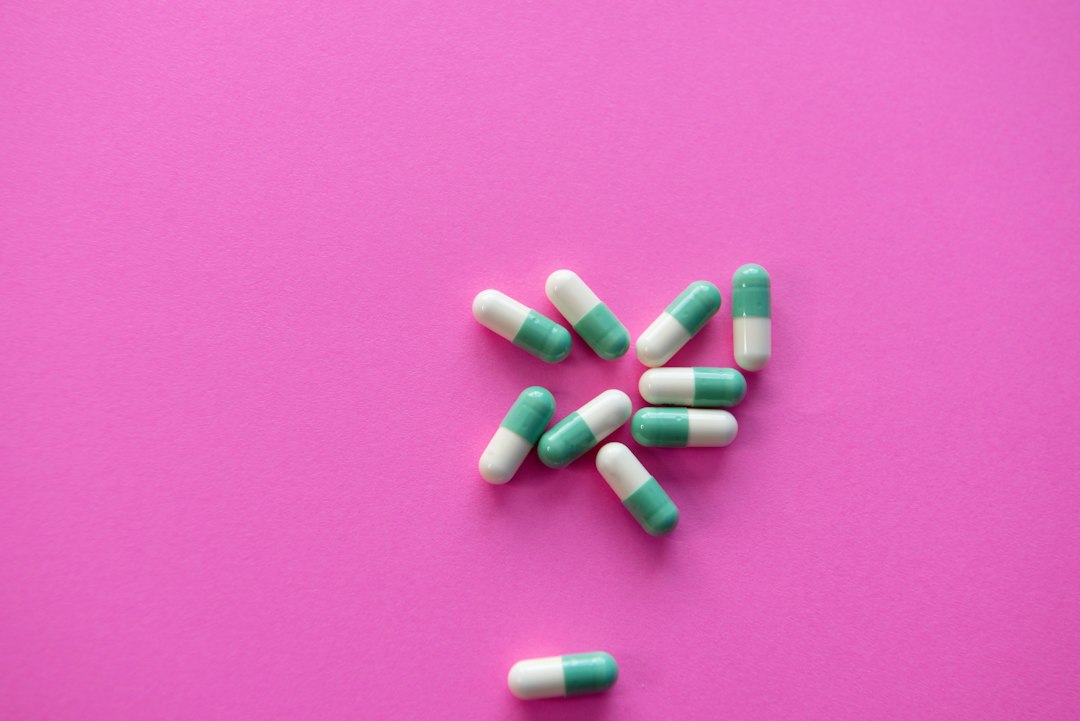
SSRIs and SNRIs, the antidepressants millions of people take daily, are among the most common culprits. They work by flooding the brain with serotonin, which is great for mood but genuinely terrible for orgasm. Delayed or absent orgasm is listed as a side effect for good reason. It's not in your head.
Other medications that can interfere include certain blood pressure drugs, antihistamines, and antipsychotics. If your orgasms seemed to disappear around the time you started a new prescription, that's worth a conversation with your doctor.
2. Hormones Are Doing Their Own Thing
Estrogen, testosterone, and progesterone all play roles in sexual arousal and orgasmic response. When they shift, everything shifts with them. Perimenopause, menopause, postpartum recovery, hormonal birth control, and thyroid imbalances can all quietly dial down your capacity for orgasm without any obvious announcement.
This is especially common and especially under-discussed in postpartum bodies. The combination of hormonal upheaval, physical recovery, and sleep deprivation is a triple hit that no one adequately warns new parents about.
3. Your Nervous System Is on High Alert
Orgasm requires the body to enter a parasympathetic state. Essentially, you have to feel safe enough to let go. Chronic stress, anxiety disorders, or a background hum of tension make that neurological shift genuinely difficult. Your nervous system is busy keeping you ready to deal with threats. Pleasure gets deprioritized.
This isn't weakness. It's biology.
4. Past Trauma Is Stored in the Body
Sexual trauma, emotional abuse, or even deeply ingrained shame from childhood messaging about sex can create real barriers to orgasm. The brain learns to dissociate or guard against vulnerability during intimacy. That's a protective response, and it deserves compassionate, skilled support to work through rather than sheer willpower.
Research published in journals on sexual psychology consistently shows that relationship between psychological safety and orgasmic function is tight and bidirectional. Meston & Buss (2009) note in Why Women Have Sex that emotional connection and mental safety are foundational to physical sexual response in many individuals.
5. Not Enough of the Right Stimulation
Here's something the media genuinely botches. Most vulva owners need direct clitoral stimulation to orgasm, yet penetrative sex remains the dominant script. The clitoris has around 8,000 nerve endings and extends internally in a wishbone shape. Intercourse alone stimulates a fraction of that anatomy.
If orgasm feels elusive during partnered sex but more accessible during solo exploration with clitoral vibrators, that's not a dysfunction. That's anatomy being honest with you.
6. Relationship Dynamics and Communication Gaps
Feelings of disconnection, resentment, or simply not feeling seen by a partner can make orgasm very difficult. Intimacy requires some degree of emotional presence. When that's missing, the body often knows before the mind admits it. Poor communication about what actually feels good is equally impactful. Many people have never been asked what they want in bed, and many have never dared to say.
3 Ways That Actually Help

1. Self-Exploration as a Real Practice (Not an Afterthought)
The evidence is genuinely clear on this. Directed masturbation, a structured approach to self-exploration developed in the 1970s by Dr. LoPiccolo and Dr. Lobitz, remains one of the most effective first-line treatments for anorgasmia. The premise is simple. You learn your own body before expecting someone else to navigate it. You build a map.
This is where vibrators for women become genuinely therapeutic rather than just fun. Consistent, focused stimulation helps train the nervous system to recognize and build toward orgasm. The Berri edging clitoral massager is particularly well-suited here because its tapping sensation mimics a rhythm the body can gradually learn to follow.

Start without any goal of orgasm. Seriously. Remove the finish line entirely and explore what feels interesting, surprising, or pleasant. That shift alone can reduce the performance anxiety that blocks everything.
2. Sex Therapy and Talking to the Right Professional
A certified sex therapist is not just for couples in crisis. Solo sessions with a good sex therapist can be transformative for anyone navigating anorgasmia, especially when the roots are psychological. They can help identify patterns, work through shame, and provide evidence-based exercises that a Google search can't replicate. If trauma is part of the picture, trauma-informed therapy should come first.
Talking to a gynecologist or endocrinologist about hormonal factors is equally worth it. A simple blood panel can reveal thyroid issues, low testosterone, or estrogen shifts that no amount of mindset work will fix on its own. Physical and psychological causes often stack on top of each other, so addressing both simultaneously tends to produce better results.
3. Communication as a Sex Skill
Telling a partner what feels good is not being difficult. It's being collaborative. Many people with anorgasmia find that learning to voice their needs in real time, before, during, and after sex, creates a meaningful shift. This doesn't have to be a heavy conversation. It can start with something as low-stakes as guiding a hand or saying "a little to the left" without apology.
For couples navigating this together, exploring couples toys can be a practical and fun entry point into more explicit communication about pleasure. There's something about bringing a new element into the bedroom that naturally opens up the conversation about what each person enjoys. If you want to read more about how partners can close the orgasm gap together, the piece on techniques that actually work is worth bookmarking.
A Note on Patience (The Unsexy but Necessary One)
Anorgasmia responds to time, attention, and the right support. It rarely resolves overnight, and that's genuinely okay. The body often needs consistent input before it rewires. Progress might look like more arousal without orgasm, then occasional orgasm, then more consistent experience. Every step in that direction counts.
Give yourself the same patience you'd give a friend going through the same thing.
Want to make your journey even more exciting? I've handpicked some amazing toys and goodies at Hello Nancy that'll add extra sparkle to your intimate moments. (Here's a little secret, use 'dirtytalk' for 10% off!)
Frequently Asked Questions
Can anorgasmia be cured permanently?
For many people, yes. Anorgasmia caused by medications or hormonal imbalances can often be resolved by addressing those root causes. Psychological anorgasmia responds well to sex therapy and directed self-exploration, though the timeline varies. "Cure" is less useful a word than "significantly improved," which is absolutely achievable for most.
Is anorgasmia common in women?
Very. Studies consistently show that a significant portion of women experience difficulty reaching orgasm at some point in their lives, and around 10-15% of women report never having had an orgasm. It is one of the most common female sexual concerns, yet it remains underdiscussed in clinical and everyday settings.
Can antidepressants cause anorgasmia?
Yes, and this is one of the most documented causes. SSRIs and SNRIs frequently delay or prevent orgasm as a side effect. If you suspect your medication is affecting your sexual response, talk to your prescribing doctor. There are options, including dose adjustments, switching medications, or adding a supplementary treatment.
What is the difference between primary and secondary anorgasmia?
Primary anorgasmia means a person has never experienced an orgasm. Secondary anorgasmia develops after a period of being able to orgasm without difficulty. Both are valid and treatable, but they often have different underlying causes and respond to slightly different interventions.
Can stress cause anorgasmia?
Absolutely. Chronic stress keeps the nervous system in a sympathetic (fight-or-flight) state, which directly interferes with the parasympathetic response required for orgasm. Reducing stress through sleep, movement, therapy, or simply giving yourself uninterrupted space for pleasure can have a real and measurable impact on orgasmic function.
How does a sex therapist help with anorgasmia?
A sex therapist helps identify and work through both the psychological and relational factors contributing to anorgasmia. They use evidence-based techniques like directed masturbation exercises, sensate focus, and cognitive reframing to help clients rebuild their relationship with pleasure. Sessions are talk-based, not physical.
Can hormonal changes after childbirth cause anorgasmia?
Yes, and this is extremely common yet rarely talked about. Postpartum estrogen and testosterone drops, combined with physical recovery and exhaustion, can significantly affect orgasmic response. For most people, this is temporary, but it may take months, and seeking support from a gynecologist or pelvic floor physiotherapist can accelerate recovery.
Does using a vibrator help with anorgasmia?
For many people, yes. Vibrators provide consistent, focused stimulation that can help train the nervous system to build toward orgasm, especially for those who have never experienced one. Directed masturbation programs often incorporate vibrators as a therapeutic tool. Many clinicians actively recommend them as a first step.