Add ₱776.40 to get Free Gift


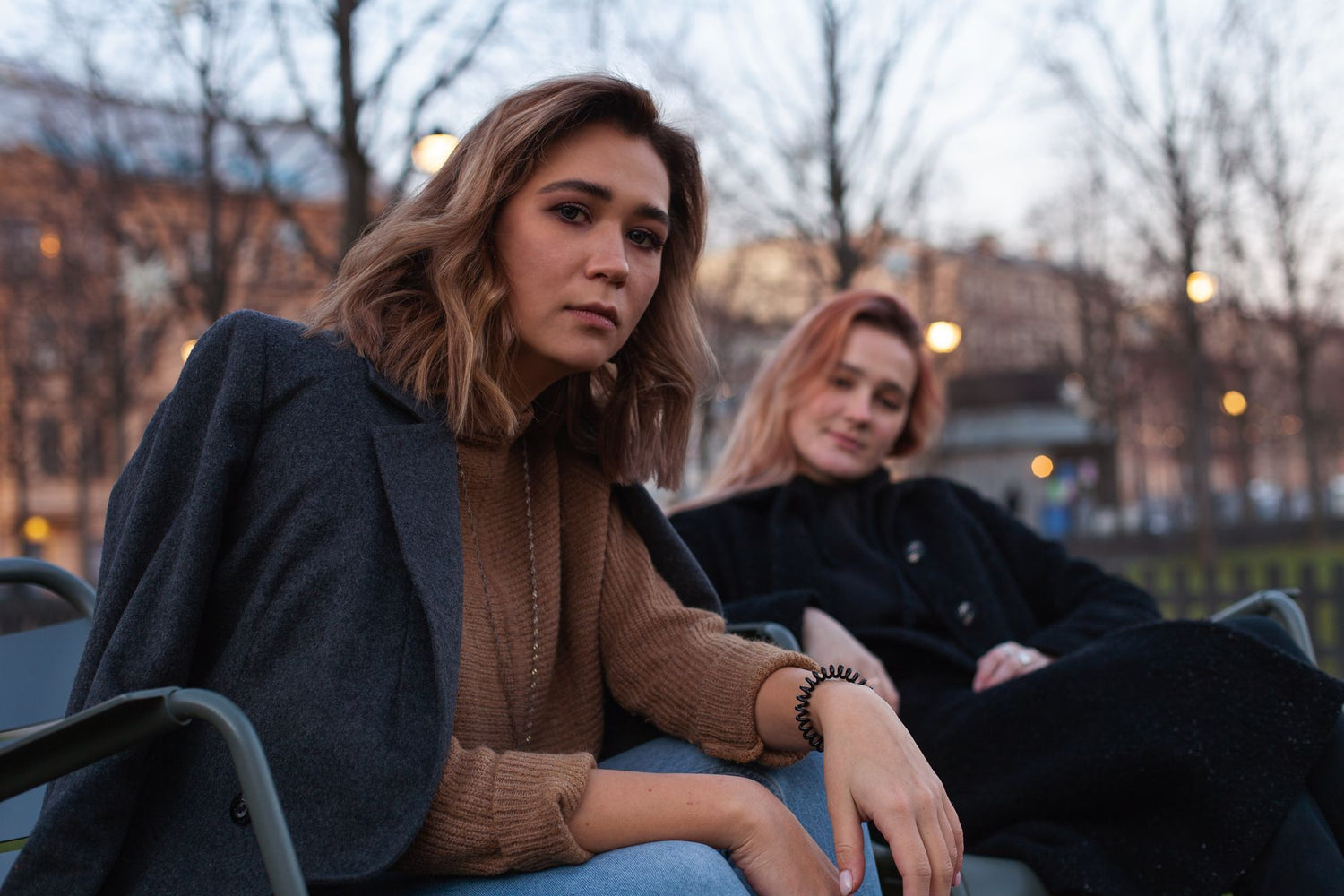
Somebody has been calling it the friend zone. And they've been getting it completely wrong this entire time.
I don't mean the feelings are fake. Those are real, and they hurt. What I mean is the story we tell ourselves about those feelings. that story? That's where everything falls apart.
What the Friend Zone Actually Is (And Isn't)

The "friend zone" is a pop culture term, not a scientific one. It describes a dynamic where one person in a friendship wants something romantic or sexual and the other person simply... doesn't. That's it. That is the whole thing.
But the way we talk about the friend zone turns a straightforward human situation into something almost sinister. It reframes a person's right to choose their own relationships as an injustice done to someone else. And that framing is the problem.
Here's what research from Halatsis and Christakis (2009) found: over 57% of people have felt romantic attraction to an opposite-sex friend. So this experience is genuinely common. But feeling attraction doesn't create an obligation on the other person's part. That part tends to get lost in the story.
The friend zone narrative treats friendship like a transaction. You deposit kindness, patience, and time. You expect romance in return. When the return doesn't come, you feel robbed. But nobody agreed to that contract. Only you knew about it.
The Entitlement No One Wants to Talk About

Let's get honest about something uncomfortable.
The friend zone concept, at its core, often carries an unspoken belief: that being a "good" person entitles you to someone's romantic interest. That consistency, availability, and sweetness are debts the other person now owes you. This is entitlement. It doesn't always look mean or aggressive. Sometimes it looks like sadness. Sometimes it looks like martyrdom. But it's still entitlement.
Misattribution of arousal is a real psychological phenomenon where we confuse emotional closeness, familiarity, and comfort for romantic love. Dr. Art Aron's research on closeness and attraction suggests our brains don't always cleanly separate "I feel safe with this person" from "I am in love with this person." The warm, trusted feeling of a deep friendship can absolutely get mislabeled as romantic longing. And that confusion is genuinely hard to sit with.
But it doesn't change what the other person owes you. Which is nothing, romantically speaking. A good friendship, honesty, and basic decency? Yes. Their heart? No.
Why We Blame the Person Who Said No
Saying someone "friend zoned" you subtly shifts the blame onto them.
Think about that phrase for a second. "She friend zoned me." "He keeps me in the friend zone." The other person becomes the architect of your suffering. They made a choice. And somehow that choice became an act of cruelty in the retelling. But choosing who you are and aren't attracted to isn't cruel. It's just being human.
This framing is particularly common in straight relationships and tends to carry a gendered weight. Women who decline romantic interest get painted as manipulative or oblivious. Men who do the same get called emotionally unavailable or cold. Neither of those labels accounts for the simplest explanation: they just don't feel that way about you. And that is 100% allowed.
If you've ever felt stuck in someone's orbit, unable to move forward or let go, our article on moving forward when love doesn't go the way you planned is worth reading. Because healing from unrequited feelings and healing from betrayal share more DNA than most people realize.
What the Feelings Are Actually Telling You
If you feel what people call the friend zone, those feelings are data. They're not a verdict on your worth, and they're definitely not someone else's fault.
Sometimes the feelings mean: I'm lonely and I've projected a relationship onto the most available person. Sometimes they mean: I genuinely care about this person and I'm grieving that the relationship can't be what I imagined. Sometimes they mean: I have a pattern of attaching to unavailable people because available vulnerability feels too scary. All of these are worth exploring. None of them require blaming someone for not loving you back.
Actually examining the pattern is where the real work lives. Do you tend to "fall" for people who are already partnered, emotionally unavailable, or ambiguous? Do you stay in friendships that cause you ongoing pain because the proximity to someone feels better than losing them? These questions matter more than any label.
If you're noticing recurring patterns in how you connect with partners, the piece on habits that create genuinely healthy relationships might reframe some things for you.
Can You Stay Friends After the Feelings Come Up?
Sometimes yes. Often it's complicated.
If you're the one with unrequited feelings, staying in a friendship immediately after a rejection often just delays the grief. You need space. Not to punish the other person, not because they did anything wrong, but because you are a human being who needs room to feel things without constantly sitting across from the person who triggered them. Taking space is not drama. It's self-respect.
If the friendship was genuinely mutual and deep before the feelings surfaced, there's often something worth preserving. But it takes time, honesty, and a commitment from both people to stop tiptoeing around an invisible pink elephant. The friendship that comes out the other side of that conversation? That can actually be incredible. You'll have talked about something most people are too scared to name.
Attraction, Connection, and What We Actually Deserve
Here's what I actually believe: you deserve reciprocal connection.
You deserve someone who is genuinely excited to be with you, not someone you've convinced yourself might eventually come around. The energy spent pining after someone who's not interested is energy you could be spending building something real with someone who actually wants to show up. That's not a consolation prize. That's the whole point.
And the person who said no? They deserve to have their "no" respected. Not resentfully tolerated while you wait for them to change their mind. Not dragged through subtle guilt. Actually respected. Because the thing about healthy relationships is that they start with two people who both want to be there. Not one person who's convinced themselves patience is a love language.
When you shift from "why won't they choose me" to "what do I actually want in a partner and where do I find that person," everything changes. The grief gets lighter. The friendships stop feeling like consolation prizes. You stop auditioning for a role in someone else's story and start writing your own.
For anyone curious about building intimacy with a partner who genuinely wants to explore it with you, the experience is completely different when the desire is mutual. Mutual desire changes everything.
The Conversation We Should Be Having Instead
Instead of "how do I escape the friend zone," the better question is: how do I get better at reading mutual interest earlier?
This isn't about playing games or withholding warmth. It's about being honest with yourself sooner. If you notice you're developing feelings, name that to yourself. Then make a decision: do you say something, or do you create some distance to protect your own heart? Both are valid. What isn't valid is staying and simmer-resenting someone for not reading your mind.
Being direct is scary. Saying "I like you as more than a friend and I wanted you to know" is one of the most vulnerable things a person can do. But it's also the only move that actually respects both of you. It gives the other person a chance to respond honestly. It gives you an answer instead of a fantasy. And it moves things forward, one way or another, which is always better than standing still.
If you want to explore what genuine mutual chemistry feels like, starting with your own body and your own relationship with desire is a powerful first step. Vibrators for women designed around pleasure you actually want are a good place to begin. Understanding what you enjoy solo builds the confidence to articulate what you want with a partner.
Bottom Line
The friend zone is real, but it's not a place someone puts you.
It's the gap between what you want and what another person wants. That gap is uncomfortable. It can genuinely hurt. But it's not an injustice and it doesn't make the other person a villain. The real work isn't figuring out how to escape the friend zone. The real work is learning to be honest about your feelings sooner, grieving the ones that go unreturned, and directing your energy toward people who meet you in the middle.
You deserve that kind of reciprocity. Go find it.
Want to make your journey even more exciting? I've handpicked some amazing toys and goodies at Hello Nancy that'll add extra sparkle to your intimate moments. (Here's a little secret. use 'dirtytalk' for 10% off!)

The Berri Edging Clitoral Massager is one of those clitoral vibrators that quietly reminds you: your pleasure, on your terms, is always worth prioritizing.
Frequently Asked Questions
Is the friend zone a real psychological concept?
It's a real experience but not a formal psychological term. Psychologists describe it as a case of unrequited romantic interest within an existing friendship. The feelings are real. The "zone" itself is more of a pop culture shorthand than a clinical concept.
Why do people fall for their friends in the first place?
Closeness, familiarity, and emotional safety are powerful. Research suggests that our brains can misattribute the warmth of a deep friendship as romantic attraction. The more time and vulnerability you share with someone, the more your nervous system can interpret that as love.
Can you get out of the friend zone?
Sometimes, yes. But it requires an honest conversation, not strategic behavioral changes designed to "make" someone like you. If both people are open to exploring something more, that conversation can change things. If not, you have your answer and can move forward.
Is staying friends after unrequited feelings possible?
Yes, but usually not immediately. You typically need time and space away from the friendship first. Once the feelings have settled and you've genuinely processed the grief, some friendships do come back stronger and more honest than before.
Why does the friend zone concept get criticized as misogynistic?
Because it often frames a person's romantic rejection as something they did to the person who asked. It implicitly suggests that being kind or attentive entitles someone to a relationship in return. Critics argue this particularly targets women, who are cast as gatekeepers withholding something they "owe."
How do I stop developing feelings for friends I can't date?
First, notice the pattern. If this happens repeatedly, it's worth exploring why you're drawn to unavailable situations. Therapy, journaling, and honest self-reflection all help. Creating some distance when feelings emerge, rather than doubling down, also gives your emotions room to settle.
What's the difference between the friend zone and unrequited love?
Unrequited love is when you love someone who doesn't love you back. The friend zone specifically refers to situations within an existing friendship where one person wants romance and the other doesn't. The key difference is that "friend zone" often implies resentment or blame, while unrequited love is more emotionally neutral as a concept.
Should I confess my feelings to a friend even if I think they'll say no?
Generally, yes. Clarity is kinder to yourself than ongoing ambiguity. Knowing where you stand lets you grieve and move forward. Staying silent while hoping keeps you stuck. Just go in prepared for any answer, and give the other person space to respond honestly without pressure.