


 Add ₱774.00 to get Free Gift


Somebody should have told you this before your first trip to the drugstore. Grabbing a bottle of coconut oil or baby oil and sliding it next to a box of condoms feels perfectly logical. It is not.
Oil and latex are a genuinely terrible combination. Not in a "mildly reduce effectiveness" way. In a "the condom can begin breaking down within 60 seconds of contact" way. And yet, this mistake happens constantly, because nobody actually explains why.
What Happens When Oil Meets Latex
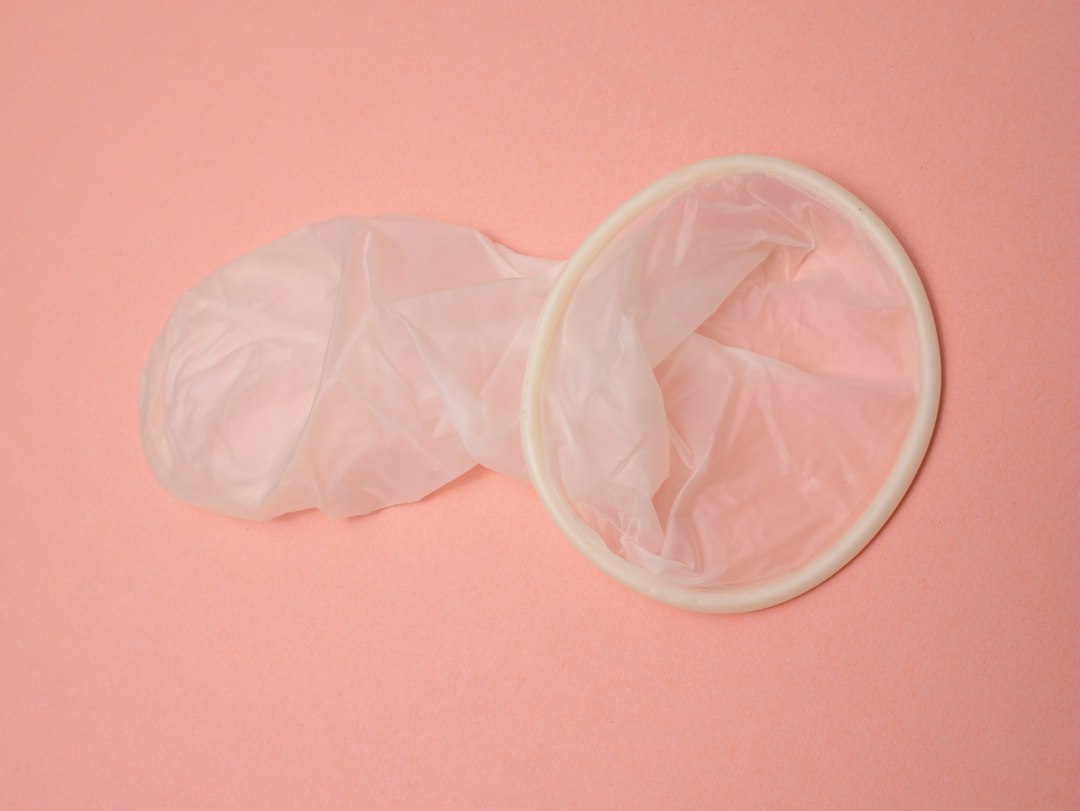
Latex is a polymer. Think of it like a web of tightly linked molecular chains that give a condom its stretch, strength, and barrier integrity. When oil comes into contact with that polymer, it doesn't just sit on top. It actively penetrates the material, disrupting those molecular bonds and causing the latex to swell, weaken, and lose elasticity.
The result is a condom that looks completely normal from the outside but has the structural integrity of wet tissue paper.
Research published in Contraception (Voeller, Coulson, Bernstein & Nakamura, 1989) found that mineral oil lubricants cause rapid deterioration of latex condoms, with measurable degradation observable within minutes of exposure. A follow-up study by Steiner et al. (1994) in the International Journal of STD & AIDS reinforced that oil-based products significantly increase condom breakage during actual intercourse. These aren't fringe findings. They're consistent, replicated, and decades old. We've known this for a long time.
The condom might not visibly tear in the moment. That's the sneaky part. The weakening happens invisibly, and the break can occur at exactly the wrong moment.
Which Oils Are Actually the Problem?
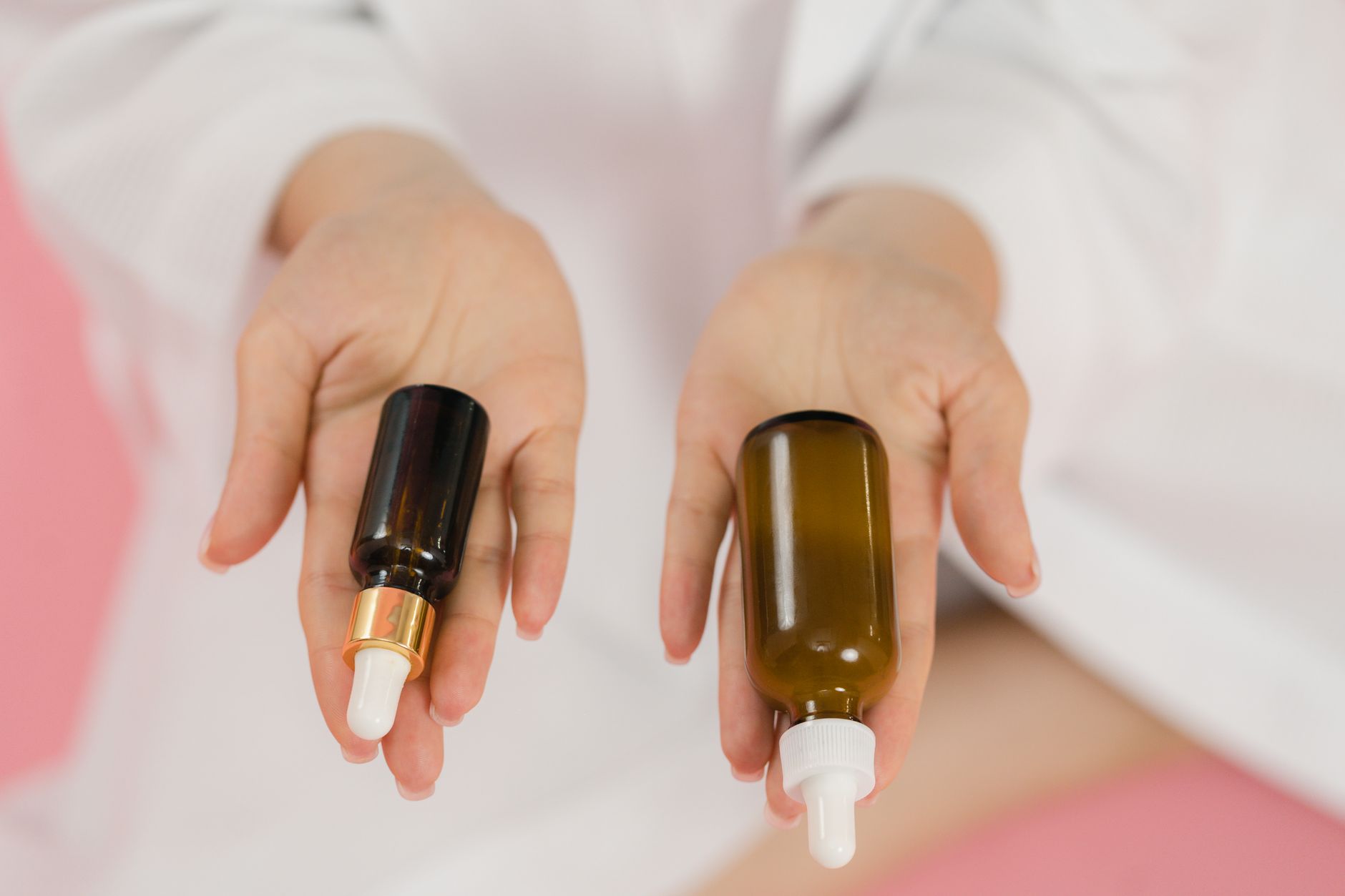
Here's where people get tripped up. They assume that "natural" oils are fine. Coconut oil feels wholesome and clean. Olive oil is in your salad. Baby oil sounds gentle enough for, well, babies. None of that matters when we're talking about latex chemistry.
Oil is oil.
Coconut oil, olive oil, baby oil, petroleum jelly (Vaseline), mineral oil, vegetable oil, body lotion, massage oils, and oil-based makeup removers all carry the same risk. Even products you'd never think of as "lubricants" can cause the same latex degradation if they come into contact with a condom. Some people use moisturizer or body butter during sex and don't even realize they've set up a condom to fail.
And polyurethane condoms? Some oil-based lubes might be safer with those, but the evidence isn't strong enough to count on it. If you're using any condom for STI prevention or pregnancy prevention, water-based or silicone-based lube is the only safe call.
Safe Alternatives That Actually Work
Let's talk about what you can use, because "just don't use oil" is only half the answer.
Water-based lubricants are the gold standard for condom compatibility. They're safe with latex, polyurethane, and polyisoprene condoms, and they're compatible with virtually all vibrators for women and other toys. The trade-off is that they dry out faster than oil and may need reapplication during longer sessions. That's a fair price for knowing your barrier protection is actually working.
Silicone-based lubricants are the longer-lasting alternative. They stay slick through water, don't absorb into skin as quickly, and are completely safe with latex condoms. The one catch: silicone lube degrades silicone sex toys. So if you're using a silicone clitoral vibrator or any silicone toy alongside a condom, stick to water-based to protect both.
The short version: water-based for toys and condoms together, silicone-based for condoms alone when you want lasting glide.
When Oil-Based Lube Is Actually Fine
Oil-based lube isn't evil. It just has a narrow use case when barrier protection is involved.
If you're having sex without condoms, in a fluid-bonded relationship where STI status has been discussed and pregnancy prevention is handled another way, oil-based lubricants can be genuinely lovely. They're rich, long-lasting, and feel luxurious for massage and external stimulation. Coconut oil for external clitoral play, for example, is perfectly reasonable. Just know that oil-based lubes can also disrupt vaginal pH and potentially increase risk of bacterial vaginosis in some people, so even without condoms, they're not universally risk-free internally.
Context matters every time.
The Toy Situation Deserves Its Own Mention
This one catches people off guard. If you're using couples toys during sex alongside a condom, you've got two compatibility rules running at once. Silicone toys plus silicone lube equals degraded toy surface over time. Latex condom plus oil lube equals compromised barrier. The answer that satisfies both is water-based lube, every time.
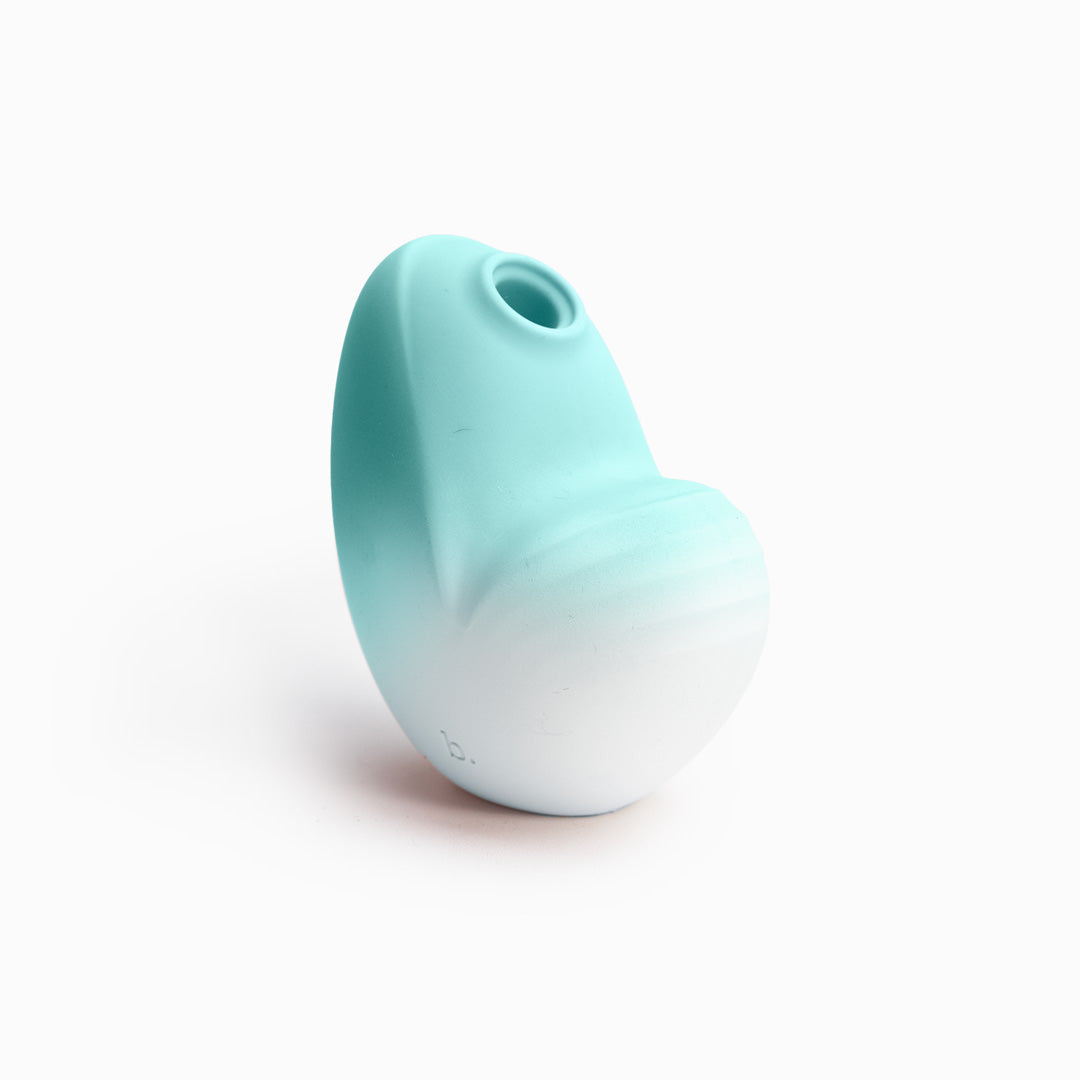
Something like the Namii 2 clitoral suction toy works beautifully with water-based lube and is designed for partnered use where condom safety might be part of the picture. Knowing your lube is compatible with both your toy and your protection method means you're not quietly sabotaging either.
Having a thoughtful lube strategy is honestly one of the most underrated parts of a satisfying sex life. It sounds boring on paper. In practice, getting it right changes everything.
How to Check Your Lube Label
This is the practical bit. If you already have a lubricant and you're not sure whether it's oil-based, here's how to tell quickly. Look at the ingredients list. If you see anything ending in "-oil", "petroleum", "glycerin" (sometimes tricky because it can be in water-based formulas too), "butter", or "wax" as a primary ingredient, it's likely oil-based. Water-based lubes list water (aqua) first. Silicone-based lubes list dimethicone, cyclopentasiloxane, or similar silicone compounds first.
When in doubt, flip it over and read before you use it.
And if you want to browse options curated specifically for pleasure-forward sex, women's vibrators and accessories at Hello Nancy are paired thoughtfully with safety in mind. Knowing your ingredients is genuinely empowering. It puts you in charge of your own protection.
Want to make your journey even more exciting? I've handpicked some amazing toys and goodies at Hello Nancy that'll add extra sparkle to your intimate moments. (Here's a little secret, use 'dirtytalk' for 10% off!)
Frequently Asked Questions
Can I use coconut oil with a latex condom?
No. Coconut oil is still an oil, and it degrades latex in exactly the same way as mineral oil or any other oil-based product. It might feel natural and skin-friendly, but it will weaken a latex condom's structure quickly. Use water-based or silicone-based lube with any latex condom instead.
Does oil-based lube affect polyurethane or nitrile condoms the same way?
Polyurethane and nitrile condoms are generally more resistant to oil degradation than latex. However, research on their long-term oil compatibility is far less robust than for latex. If STI or pregnancy prevention is your goal, switching to water-based lube is the safest choice regardless of condom material.
How quickly does oil degrade a latex condom?
Studies show that degradation can begin within 60 seconds of oil contact. The condom may not visibly tear immediately, but its structural integrity is compromised fast enough to matter. Don't rely on how the condom looks or feels as a safety indicator after oil exposure.
Is Vaseline safe to use as lube with condoms?
No. Vaseline (petroleum jelly) is oil-based and causes the same latex degradation. It also traps bacteria, which can increase the risk of infections. It is not recommended as a sexual lubricant at all, whether with or without condoms.
Can I use silicone lube with a latex condom?
Yes. Silicone-based lubricants are completely safe with latex condoms. They last longer than water-based options and don't dry out during use. Just avoid using silicone lube with silicone sex toys, as it can break down the toy's surface over time.
What is the best lube to use with condoms and sex toys at the same time?
Water-based lubricant is the safest choice when using both a condom and a sex toy together. It's compatible with latex, polyurethane, and polyisoprene condoms, and it won't degrade silicone toy surfaces. It's the universal option that works across all combinations.
Does body lotion or massage oil count as oil-based lube for this purpose?
Yes. Any oil-containing product, including body lotion, massage oil, body butter, or even moisturizer, can degrade a latex condom if it comes into contact with it. Always check ingredients before any oil-adjacent product gets near a condom.
Is oil-based lube safe to use internally without condoms?
Oil-based lubes can disrupt vaginal pH balance and potentially increase the risk of bacterial vaginosis in some people. Even without condoms, they're not ideal for internal vaginal use. For anal use without condoms, oil-based lube is generally longer-lasting and many people use it comfortably, though personal sensitivity varies.


