Add ₱777.60 to get Free Gift


Something nobody warned you about: most flavored lubes taste like candy but behave like a chemistry experiment inside your body.
That strawberry sweetness? Often glycerin-based. And glycerin, while not evil in theory, is essentially a sugar alcohol that can tip your vaginal pH off balance and roll out the welcome mat for yeast infections. Not exactly the intimate experience you signed up for.
The good news is that clean, genuinely body-safe flavored lubes do exist. You just need to know what you're actually looking for, because the word "natural" on a label is doing a lot of unpaid marketing work and very little legal heavy lifting.
Why Most Flavored Lubes Are a Sneaky Problem
Here's the core tension: flavored lubes need to taste like something. And making something taste good without real food typically means synthetic flavoring agents, artificial sugars, or glycerin derivatives. All three of those can disrupt your body's delicate internal environment.
The vaginal microbiome operates at a slightly acidic pH, roughly between 3.8 and 4.5. When you introduce sugars or osmotically active ingredients like glycerin into that environment, the balance shifts. Research on lubricant ingredients confirms that high-osmolality products and sugar-based compounds are associated with increased risk of bacterial vaginosis, yeast overgrowth, and localized irritation (Edwards & Panay, 2016, Climacteric). That's not a small caveat buried in the fine print. That's the whole conversation.
But here's what makes clean flavored lubes possible: you can absolutely get pleasant flavor from fruit extracts, organic flavor compounds, and plant-derived sweeteners that don't feed yeast or wreck pH. The formula just has to prioritize your body first and the taste second.
What Actually Makes a Flavored Lube "Clean"
Clean isn't just a vibe. It's a specific checklist. And once you understand it, shopping gets a whole lot easier.
First thing to look for: a glycerin-free formula. Glycerin is one of the most common culprits in conventional flavored lubes. If it's in the first five ingredients, put it back. Second, check for parabens, which are preservatives linked to hormonal disruption. Third, scan for artificial dyes. Your mucous membranes absorb things differently than your skin does, so dyes that seem harmless topically can cause irritation internally.
What you actually want to see: aloe vera as a base (it's naturally pH-neutral and genuinely soothing), organic fruit flavor concentrates, and maybe a gentle plant-derived preservative like potassium sorbate. Water-based formulas with those foundations are your best friends. They're compatible with couples toys and condoms alike, which silicone or oil-based alternatives often aren't.
Osmolality matters too, even though it sounds like a word invented to make you feel bad at the pharmacy. Basically, a lube's osmolality describes how it interacts with your tissues on a cellular level. ISO-osmolar or low-osmolality products are closest to your body's natural fluids, meaning they hydrate rather than dehydrate. High-osmolality lubes can pull moisture from delicate tissue. That's the opposite of comfortable.
The Ingredient Swap Guide: What to Ditch, What to Choose
Swapping bad ingredients for good ones isn't complicated once you see it side by side.
Instead of glycerin, look for aloe vera juice or water as the primary base. Instead of artificial strawberry flavor, look for organic strawberry extract or natural flavor derived from real fruit. Instead of propylene glycol (another osmolality offender), look for plant-derived humectants like sodium hyaluronate, which is genuinely hydrating rather than just coating. Instead of synthetic preservatives like methylparaben or propylparaben, look for vitamin E (tocopherol) or potassium sorbate.
Simple enough? It really is. The cleaner formulas tend to have shorter ingredient lists, which is itself a green flag. If you can't pronounce six of the twelve ingredients, that's the lube telling you something.
Flavors That Work Without Wrecking the Vibe
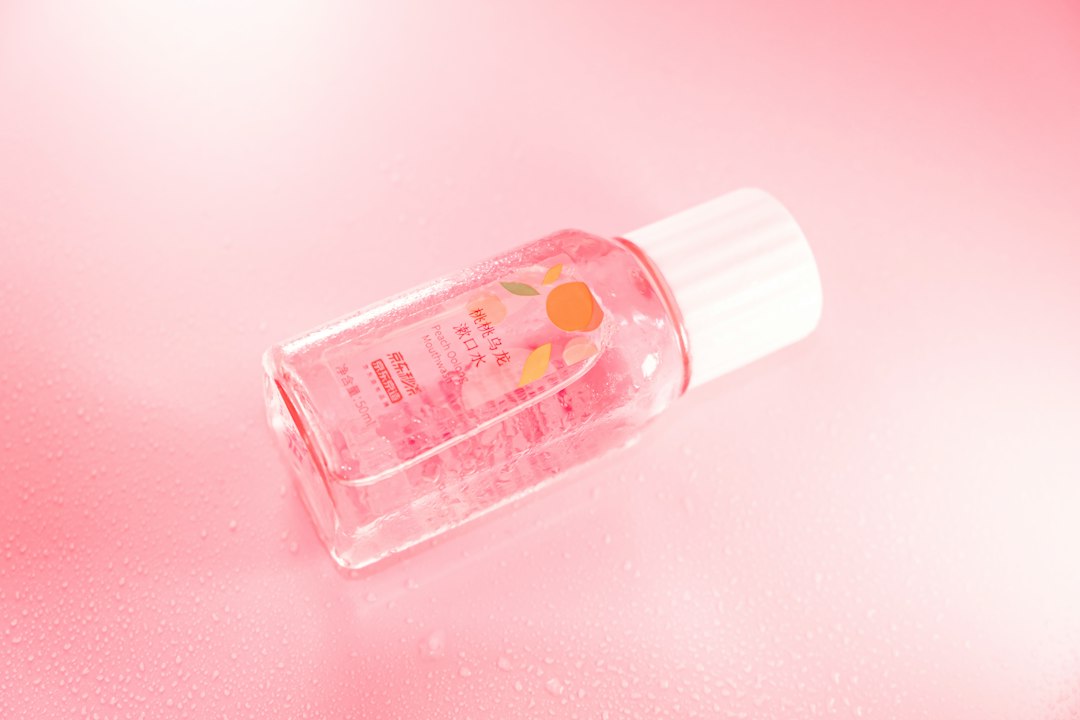
Certain flavor profiles lend themselves naturally to clean formulas. Fruit-forward options like watermelon, mango, and citrus are easiest to achieve through real fruit concentrates without needing artificial boosters. Vanilla is also a relatively clean-achievable flavor, especially when sourced from natural vanilla extract rather than synthetic vanillin.
Mint is trickier. A lot of mint-flavored lubes use menthol derivatives that can cause tingling sensations. For some people, that's a feature. For others, especially those with sensitive skin or a history of irritation, it can feel less like a tingle and more like a full alarm system. If you're prone to sensitivity, stay in the fruit lane until you know your body's preferences.
And yes, chocolate. Chocolate-flavored lube is a category. Most commercially available chocolate lubes are basically sugar bombs. If you want that flavor profile, look for one that uses organic cacao extract and nothing else to achieve it. They exist, and they're worth seeking out.
Where Flavored Lube Actually Belongs (and Where It Doesn't)
Flavored lube was designed with oral intimacy in mind. That's its home. It makes oral sex more sensory, more playful, and more comfortable for both people involved.
Where it gets murkier is penetrative use. Even a clean, glycerin-free flavored lube is formulated with taste as a variable, which sometimes means slightly different osmolality or pH than a plain water-based lube. Using it externally and orally is generally low-risk with a clean formula. Using it internally for penetrative sex is fine with genuinely clean products, but worth being mindful about if you're already prone to infections. Know your body.
If you're exploring vibrators for women or other toys alongside lube, always double-check compatibility. Most silicone toys pair beautifully with water-based lubes, and clean flavored formulas that are water-based work exactly the same way.
Reading a Label Without a Chemistry Degree
Grab the bottle. Flip it. The first five ingredients are the majority of what's actually in there. If water or aloe vera is first, that's a good sign. If glycerin is in the top three, put it back. If you see any of these, walk away: PEG compounds, chlorhexidine gluconate (an antimicrobial that can kill good bacteria), nonoxynol-9 (a spermicide that damages tissue with regular use), or anything ending in "-paraben."
A short list is a good list. Five to eight ingredients in a flavored lube is achievable and indicates a thoughtful formula. Fifteen ingredients usually means something is being masked or artificially extended.
If you want a deeper breakdown of how to choose your very first toy or lube without the overwhelm, the first vibrator guide at Hello Nancy is genuinely one of the most useful starting points out there.
Pairing Your Lube With the Right Toy
Here's the practical part. A great clean lube doesn't exist in isolation. It works with your body and your toys together as a system.
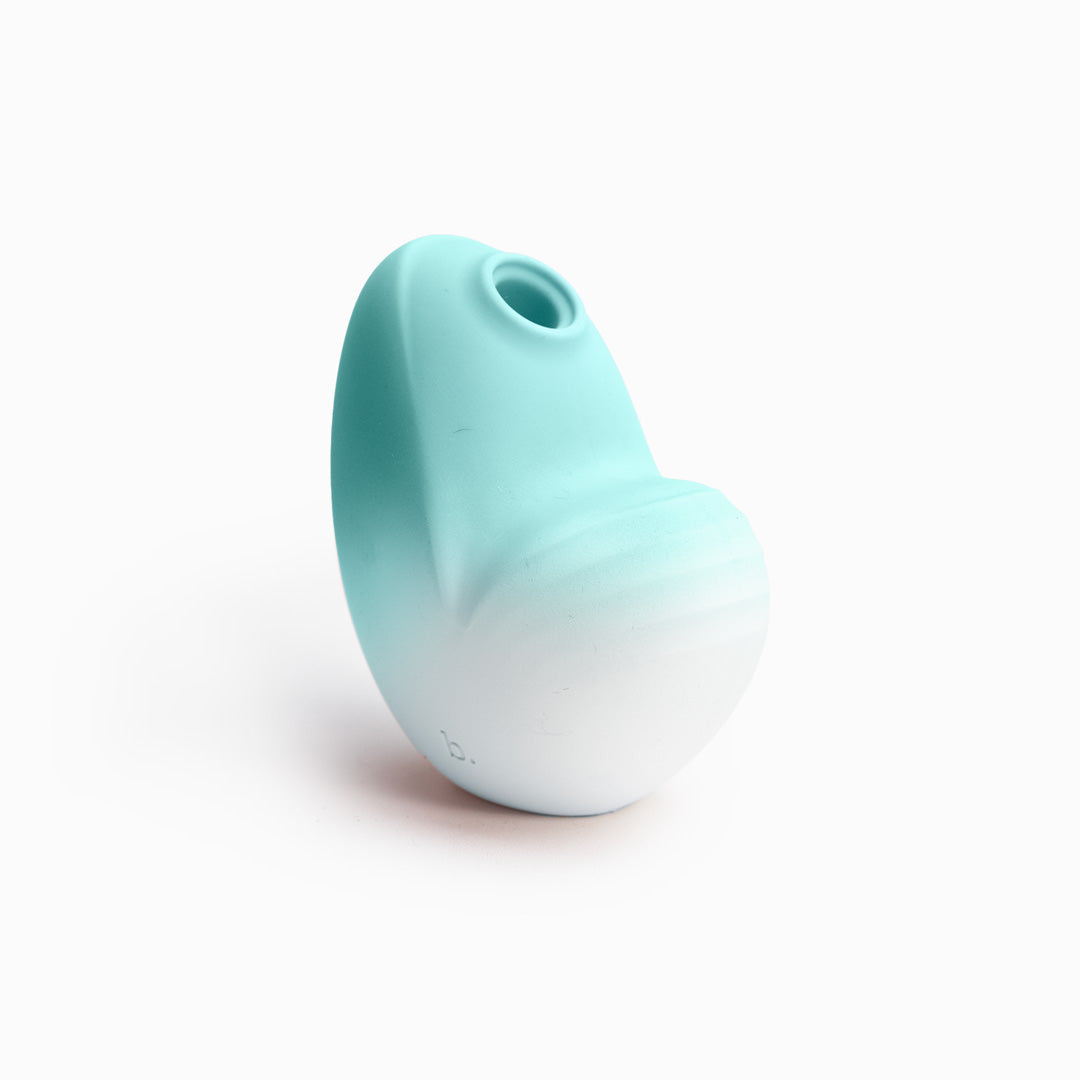
For anyone using clitoral vibrators, a small amount of water-based lube applied to the contact point can completely transform the sensation. It reduces friction, improves suction for air-pulse toys, and makes everything feel more intentional. If you've been using a toy like the Namii 2, which combines clitoral suction and vibration, a drop of clean water-based lube at the tip is genuinely a game-changer.
For glass toys or firm insertables, lube is even more essential. Something like the Kalii glass G-spot dildo benefits enormously from a generous, clean water-based application. Glass is non-porous and silky, but it still needs slip. A flavored lube here works perfectly for solo play that starts with oral exploration and moves to toy use.
Bottom Line
Flavored lube doesn't have to be a compromise. You don't have to choose between something that tastes good and something that's genuinely safe for your body. Clean formulas with real fruit extracts, aloe vera bases, and zero glycerin exist, and they work exactly as promised.
Your body deserves both. The pleasure and the protection. Don't settle for lube that trades one for the other.
Want to make your journey even more exciting? I've handpicked some amazing toys and goodies at Hello Nancy that'll add extra sparkle to your intimate moments. (Here's a little secret. use 'dirtytalk' for 10% off!)
Frequently Asked Questions
Are natural flavored lubes safe for vaginal use?
Yes, if the formula is glycerin-free, paraben-free, and uses natural fruit extracts rather than artificial sugars. The key is checking osmolality and pH compatibility. A clean water-based flavored lube that lists aloe vera or water as its base and skips synthetic sweeteners is generally safe for both oral and vaginal use.
Can flavored lube cause a yeast infection?
Conventional flavored lubes containing glycerin or artificial sugars can increase yeast infection risk because sugar compounds alter vaginal pH and feed yeast overgrowth. A glycerin-free formula using organic flavor compounds significantly reduces that risk.
What ingredients should I avoid in flavored personal lubricants?
Avoid glycerin, parabens, propylene glycol, nonoxynol-9, chlorhexidine gluconate, PEG compounds, and artificial dyes. These ingredients can disrupt vaginal pH, damage sensitive tissue, or cause irritation with regular use. Shorter ingredient lists are generally a sign of a cleaner, more thoughtful formula.
Is flavored lube safe to use with sex toys?
Water-based flavored lubes are compatible with all toy materials including silicone, glass, and ABS plastic. Avoid oil-based flavored lubes with silicone toys, as oil can degrade silicone over time and trap bacteria in the surface.
What does glycerin-free mean on a lube label?
Glycerin-free means the formula does not contain glycerin, a sugar alcohol commonly used as a humectant and sweetener in lubes. Since glycerin can disrupt vaginal pH and contribute to yeast infections, glycerin-free formulas are recommended for people with sensitive skin or a history of yeast or bacterial infections.
Can I use flavored lube for oral sex?
Absolutely. Flavored lube was designed specifically for oral intimacy. Choose an edible, body-safe formula with natural flavoring and no toxic additives. Swallowing small amounts of a clean formula is generally safe, but avoid ingesting large quantities of any lube product.
What is the best natural base for flavored lubricant?
Aloe vera juice is one of the best natural bases for flavored lube. It's naturally soothing, pH-neutral, and genuinely moisturizing without being osmotically aggressive on delicate tissue. Water is also a clean base, especially when paired with hyaluronic acid or sodium hyaluronate for added hydration.
Are organic flavored lubes better than regular flavored lubes?
Organic certification means the ingredients were grown without synthetic pesticides or chemicals, which is a meaningful distinction for products used on or inside your body. However, organic doesn't automatically mean glycerin-free or pH-balanced. Always read the full ingredient list alongside any certification claims.
How do I know if a flavored lube is disrupting my pH?
Signs of pH disruption include unusual discharge, mild burning or itching after use, recurring yeast infections, or a change in vaginal odor. If you notice any of these after using a flavored lube, discontinue use and switch to a glycerin-free, pH-balanced alternative. Persistent symptoms are worth discussing with a healthcare provider.