Add ₱781.20 to get Free Gift



Your body said yes. But it feels like nothing is happening.
That disconnect between feeling genuinely turned on and not producing natural lubrication is way more common than anyone lets on. And honestly? It has very little to do with how attracted you are to your partner or how much you're enjoying yourself. Your body is just doing something complicated in the background, and it deserves a real explanation, not shame.
Let's talk about it.
What Actually Creates Lubrication in the First Place

Lubrication is not simply a reaction to desire. It's a chain reaction involving your brain, your hormones, your nervous system, and your blood flow, all firing in a specific sequence. When arousal signals travel from your brain through the parasympathetic nervous system, blood rushes to the vaginal walls, causing them to "sweat" a plasma-like fluid through a process called transudation. Two additional glands near the vaginal entrance, the Bartholin's glands, contribute extra moisture.
That's a lot of moving parts.
And any single link in that chain can be disrupted without you even realizing it. Stress, medication side effects, hormonal shifts, or even mild dehydration can quietly block the whole process. The result? You're mentally and emotionally aroused, but your body hasn't caught up. Or rather, it got interrupted somewhere along the way.
Hormonal Shifts: The Most Common Culprit

Estrogen is the hormone most responsible for keeping vaginal tissue healthy, elastic, and capable of producing lubrication. When estrogen dips, the tissues thin and dryness follows. This isn't just a menopause story, though that's when it gets the most attention.
Estrogen can drop significantly during the postpartum period, especially while breastfeeding. It fluctuates throughout the menstrual cycle, often hitting a low just before your period. Hormonal birth control, particularly combined pills or hormonal IUDs, suppresses estrogen and progesterone in ways that sometimes reduce natural lubrication as a side effect. If you recently switched contraceptive methods and suddenly noticed a change, that connection is real and documented.
The relationship between hormones and lubrication is genuinely bidirectional. Low estrogen means less vaginal moisture, but the dryness itself can cause discomfort that then raises anxiety around sex, which makes the whole thing worse.
Stress and Anxiety: When Your Nervous System Picks a Fight
Stress does something sneaky to arousal. It activates the sympathetic nervous system, the "fight or flight" mode, which actively competes with the parasympathetic system that creates lubrication. Essentially, your body decides that keeping you alert to threats is more urgent than getting you wet. Cortisol, the main stress hormone, rises and disrupts the hormonal balance needed for healthy lubrication.
Anxiety about sex itself is especially insidious.
If you've experienced dryness before and you're anxious about it happening again, that anxiety creates the exact physiological conditions guaranteed to produce dryness again. It becomes a self-reinforcing cycle. Research published through Ubie Health highlights that "stress and anxiety can interfere with lubrication in several ways," including redirecting blood flow away from reproductive tissue and interfering directly with arousal signals. Learning to reconnect with your body after periods of stress is a genuinely powerful first step, not just a platitude.
Medications That Quietly Affect Lubrication
Several common medications list vaginal dryness as a side effect, but it's rarely discussed openly during prescriptions. Antihistamines, the kind you take for allergies or colds, dry out mucous membranes throughout your body, including vaginal tissue. Antidepressants, particularly SSRIs and SNRIs, are well-known for their sexual side effects, including reduced arousal response and decreased lubrication.
This is not your fault, and it doesn't mean the medication isn't working.
Anticholinergic drugs, certain blood pressure medications, chemotherapy agents, and even some asthma inhalers can contribute to dryness. If you started a new prescription around the same time you noticed a shift in lubrication, it's worth bringing up with your prescribing doctor. There are often alternatives or adjustments available. You don't have to just accept it as a permanent trade-off.
Lifestyle Factors You Might Not Have Connected
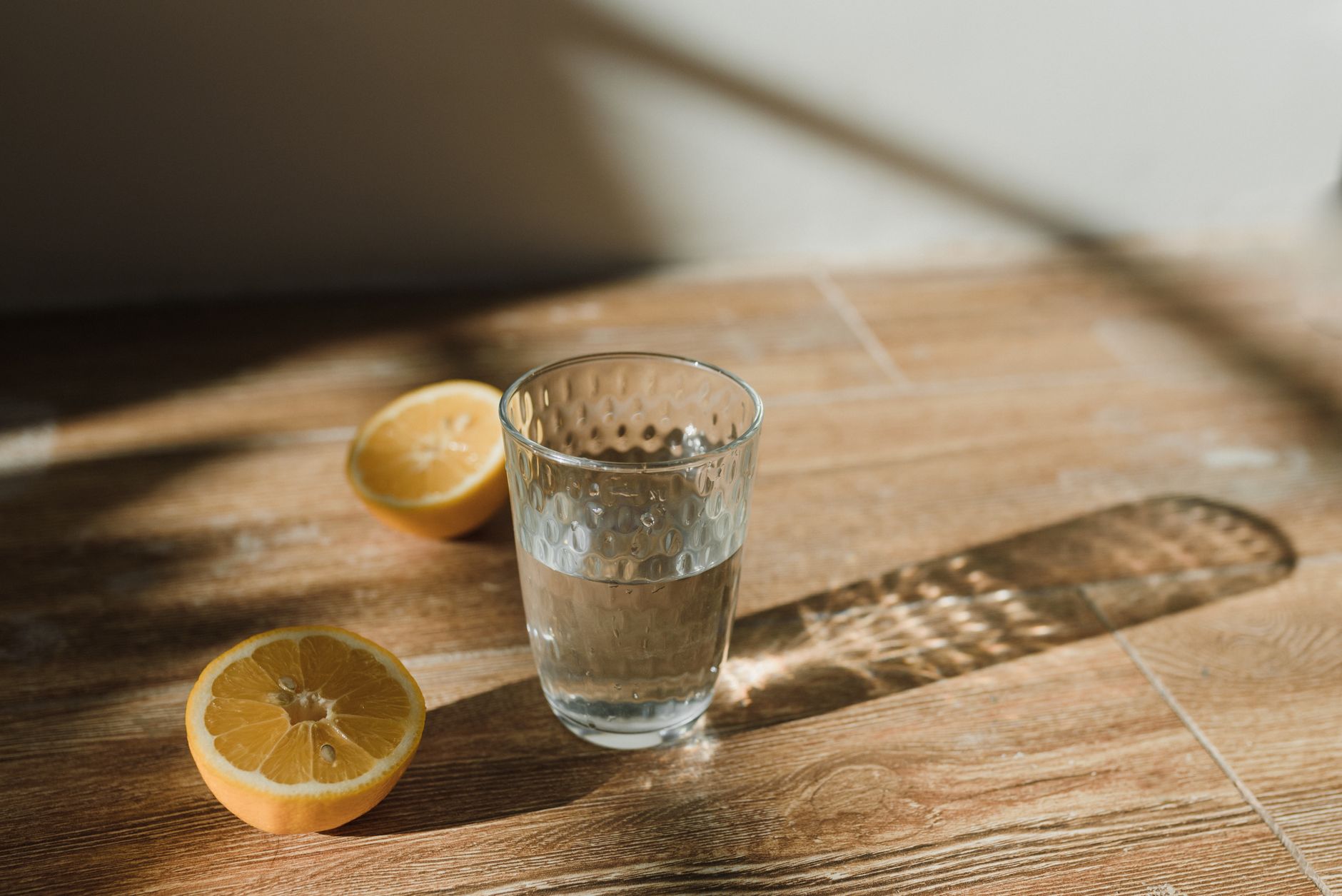
Dehydration is a surprisingly underappreciated cause. Your vaginal tissues, like all mucosal tissue, need adequate hydration to stay supple and produce moisture. If you're chronically under-drinking water, dryness throughout the body, including vaginally, is a predictable consequence.
Smoking is another factor worth naming directly.
Nicotine constricts blood vessels, which reduces blood flow to the pelvic region. Since lubrication depends on blood flow to the vaginal walls, smoking can meaningfully reduce your body's arousal response over time. Excessive alcohol, meanwhile, may lower inhibitions but it also dehydrates you, disrupts hormonal balance, and reduces overall blood flow. That combination consistently works against natural lubrication, even when you're feeling subjectively turned on.
The Mind-Body Gap: When Arousal Is Mental but Not Yet Physical
There's a concept in sexual medicine called "arousal non-concordance." It describes the gap between psychological arousal and physiological response. Your mind and body don't always read from the same script, and that's completely normal. Research suggests this disconnect happens frequently and doesn't indicate low desire or dysfunction.
Sometimes the body just needs more time.
Extended foreplay, more varied stimulation, and a genuinely relaxed environment all help close that gap. So does removing the pressure of expecting immediate physical response. If you focus only on penetration as the goal, you skip the warm-up your nervous system actually needs. Using quality clitoral vibrators during foreplay can meaningfully increase blood flow to the pelvic region, helping the body catch up with what the mind is already feeling.
When to Actually Talk to a Doctor
Most cases of dryness during arousal have identifiable, manageable causes. But a few situations warrant a medical conversation rather than a DIY fix. Persistent dryness accompanied by pain during sex, burning, itching, or unusual discharge could point to a condition like genitourinary syndrome of menopause, an autoimmune disorder, or a skin condition affecting vaginal tissue.
Don't dismiss pain.
If you've adjusted your hydration, addressed stress, ruled out medications, and are still experiencing significant dryness that makes sex uncomfortable or painful, that's your signal to book an appointment. A gynecologist or sexual health specialist can check hormone levels, examine tissue health, and offer options ranging from topical estrogen to other treatments specifically designed for this. You deserve a full picture, not a half-answer from a quick online search.
What Actually Helps
Personal lubricant is not a consolation prize. It's a genuinely useful tool that makes sex more comfortable and pleasurable for everyone involved, regardless of how much natural lubrication your body produces. Water-based lubricants work with most vibrators for women and sex toys safely. Silicone-based lubricants last longer and feel incredibly smooth, though they're not compatible with silicone toys.
Building a longer, more intentional arousal phase matters enormously.
If you've been rushing straight to penetration, slowing down isn't just about romance. It's about giving your parasympathetic nervous system adequate time to do its job. Toys that focus on clitoral stimulation during foreplay, communication with your partner about pace, and removing performance pressure all help the body respond more fully. Sometimes the best thing you can do is simply take sex less seriously for a while.
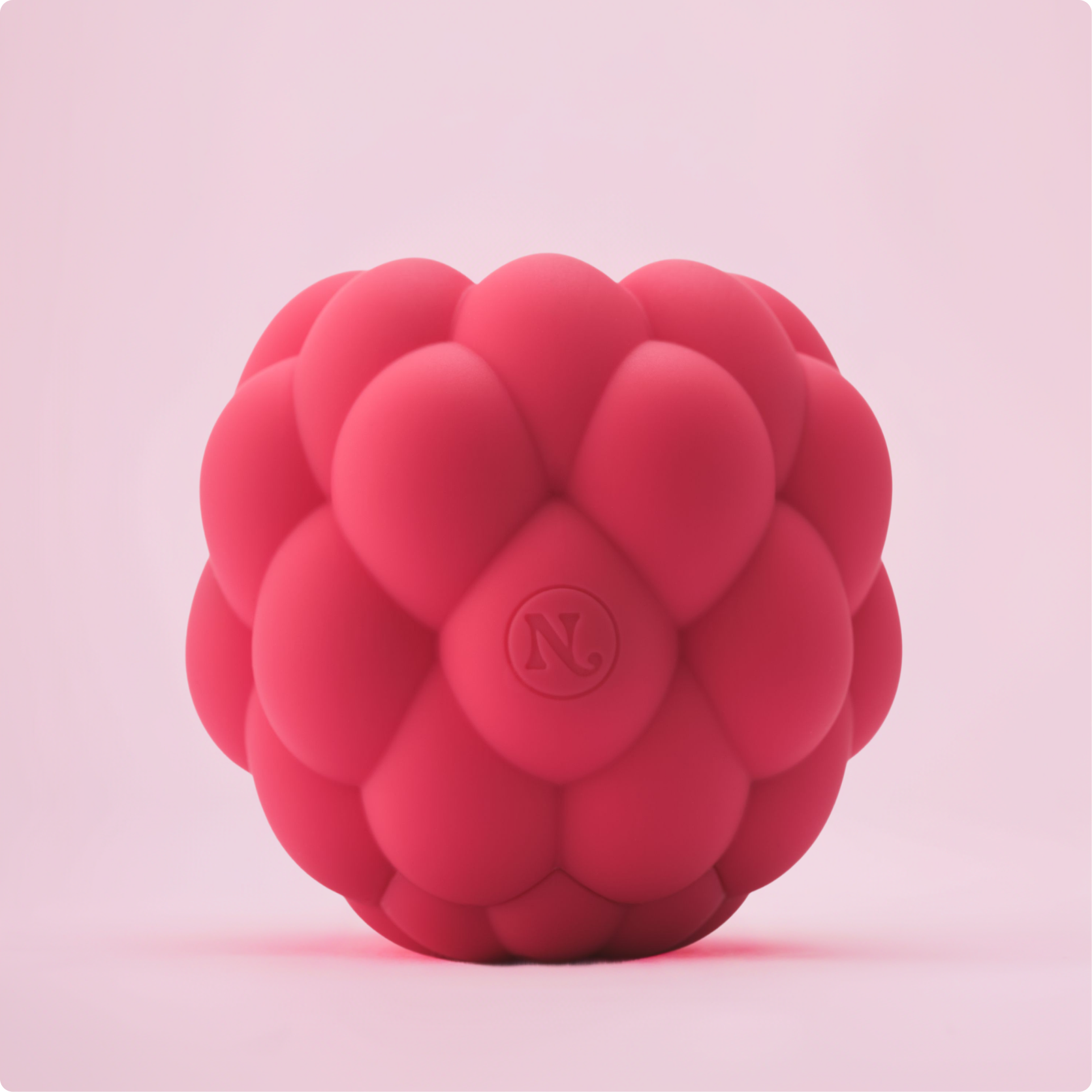
A product like the Berri edging clitoral massager is specifically designed for extended, gradual build-up. That kind of slow, deliberate stimulation is exactly what the body needs when the mind-body gap feels wide. It's not about forcing a response. It's about creating the conditions for one.
If you experience common sexual relationship challenges alongside dryness, you're genuinely not alone, and there are real, practical paths forward that don't require just pushing through discomfort.
Bottom Line
Dryness during arousal is not a verdict on your desire, your body, or your relationship. It's a symptom. And like every symptom, it has a cause, usually more than one working together. Hormones, stress, medications, hydration, and the brain-body timing gap are all legitimate players. Once you know what you're dealing with, the solutions become a lot less overwhelming.
Your pleasure matters enough to investigate.
Want to make your journey even more exciting? I've handpicked some amazing toys and goodies at Hello Nancy that'll add extra sparkle to your intimate moments. (Here's a little secret — use 'dirtytalk' for 10% off!)
Frequently Asked Questions
Why am I turned on but not wet?
This experience is called arousal non-concordance. It means your mental and emotional arousal is real, but your physiological response hasn't caught up. Stress, hormones, medications, dehydration, or simply needing more foreplay time can all cause this disconnect. It is not a sign that something is wrong with your desire.
Can birth control cause vaginal dryness during arousal?
Yes. Hormonal contraceptives, especially combined pills and hormonal IUDs, suppress estrogen and progesterone, which can reduce natural vaginal lubrication. If you noticed dryness after starting or switching birth control, that is a recognized side effect worth discussing with your doctor. Alternatives or adjustments are often available.
Does stress really affect vaginal lubrication?
Absolutely. Stress activates the sympathetic nervous system, which competes with the parasympathetic nervous system responsible for producing lubrication. Cortisol, the main stress hormone, also disrupts the hormonal balance needed for healthy arousal response. Managing stress is a genuinely effective way to improve lubrication over time.
What medications cause vaginal dryness as a side effect?
Antihistamines, SSRIs, SNRIs, certain blood pressure medications, anticholinergic drugs, and some chemotherapy agents are all known to reduce vaginal lubrication. If you suspect your medication is contributing to dryness, speak with your prescribing doctor. There are often alternatives that don't carry this side effect.
Can dehydration cause vaginal dryness during sex?
Yes. Vaginal tissue is mucosal tissue, and like all mucosal membranes, it depends on adequate hydration to function properly. Chronic under-drinking can contribute to reduced natural lubrication. Increasing your daily water intake is a simple, underrated first step when addressing dryness.
Is it normal to be dry during arousal after having a baby?
Very normal. The postpartum period, especially while breastfeeding, causes estrogen levels to drop significantly. This hormonal shift directly reduces vaginal lubrication and can persist for as long as you are breastfeeding. Using a quality personal lubricant during this period is a practical and completely valid solution.
What type of lubricant should I use if I get dry during arousal?
Water-based lubricants are the most versatile. They work safely with all toy materials, including silicone, and are easy to clean up. Silicone-based lubricants last longer and feel smoother, but should not be used with silicone sex toys. Avoid any lubricant with added fragrances, flavors, or warming agents, as these can irritate sensitive vaginal tissue.
When should I see a doctor about vaginal dryness during arousal?
See a doctor if dryness is accompanied by pain during sex, burning, itching, or unusual discharge. Persistent dryness that doesn't improve with lifestyle changes, lubricants, or addressing potential medication causes also warrants a medical evaluation. A gynecologist can check hormone levels and offer targeted treatments.