


 Add ₱769.20 to get Free Gift


Something's off. Sex feels fine. Technically. But you can't quite get there, or the pressure you need keeps climbing higher. Sound familiar?
This is what people call Death Grip Syndrome. It's not a clinical diagnosis in any medical textbook, but the experience behind that nickname is very real, very common, and surprisingly fixable once you understand what's actually happening.
What Death Grip Syndrome Actually Means

Death grip syndrome refers to penile desensitization that develops from masturbating with a consistently tight, fast, or high-pressure grip. Over time, the nerve endings in the penis adapt to that intense level of stimulation. Gentler sensations, including oral sex or penetrative sex with a partner, start to feel like almost nothing by comparison.
The term was coined casually in online communities, not in a lab. But the underlying mechanism is real. Nerves are remarkably adaptable. When exposed to the same intense input repeatedly, they recalibrate their baseline. What used to feel overwhelming starts to feel normal, and anything below that threshold barely registers.
It's not permanent damage in most cases.
Why This Happens (The Science Bit, Made Simple)

Your body is wired to adapt. That's generally a feature, not a bug. But when it comes to sexual sensation, that adaptability can work against you. The mechanoreceptors in penile tissue respond to pressure and friction. Flood them with the same intense signal often enough, and they start treating that signal as the new normal. Researchers describe this as sensory recalibration. The nerves don't die. They just reset their sensitivity threshold upward.
Frequency matters too. Daily or multiple-times-daily masturbation with a hard grip compounds the effect faster. It's also worth noting that grip tightness alone isn't the only culprit. Friction without adequate lubrication contributes significantly by putting additional mechanical stress on delicate surface tissue.
This is the body doing exactly what it's designed to do. It's just inconvenient.
Signs You Might Be Dealing With It
Recognizing death grip syndrome doesn't require a doctor's visit to start addressing it. There are some patterns worth noticing.
You might find it hard to orgasm during partnered sex, even when you're genuinely aroused and attracted. You might need increasingly intense or specific stimulation to climax solo. Your erections might feel less reliable when the sensation isn't precisely what you're used to. You might also notice that standard touch from a partner, their hand, their mouth, penetration, just doesn't feel like much. None of these are character flaws or signs something is broken beyond repair. They're feedback from your nervous system.
If you're also experiencing fatigue, low libido, or loss of morning erections, those point to hormonal or cardiovascular causes worth discussing with a doctor. That's a different situation entirely.
How to Fix Death Grip Syndrome

The good news? Most people recover within two to six weeks by making a few intentional changes. There's no magic pill. But the reset process is genuinely straightforward once you commit to it.
Step One: The Sensory Reset Break
Taking a break from masturbation for two to four weeks is the most direct way to start recalibrating your nerve endings. This isn't about shame or abstinence for its own sake. It's pure biology. The nerves need time without the intense stimulus to lower their threshold back down. Think of it like resetting your spice tolerance after eating very hot food for months.
Some people find this straightforward. Others find it genuinely difficult. Both are valid. Channeling that energy into physical exercise, creative projects, or simply staying busy helps enormously.
Step Two: Change Your Technique
Once you return to solo play, the technique shift is everything. Use a much lighter grip than feels natural at first. Slow down dramatically. Add a quality water-based lubricant. These changes feel almost anticlimactic initially, and that's exactly the point. You're intentionally giving your nerves stimulation below their current threshold so they readjust downward over time.
This works. It just requires patience. And it might feel frustrating before it feels good again.
Step Three: Invite More Partnered Touch
If you have a partner, this is an excellent time to lean into their kind of stimulation. Their touch will feel different from your own, and that difference is actually therapeutic here. The variation helps your nervous system recognize a wider range of input as pleasurable rather than fixating on one narrow type. Communication is essential. Let them know what's going on. Most partners appreciate honesty over frustration in the bedroom, and honest conversations about desire and intimacy almost always deepen connection rather than damage it.
Step Four: Explore Tools That Reintroduce Sensation
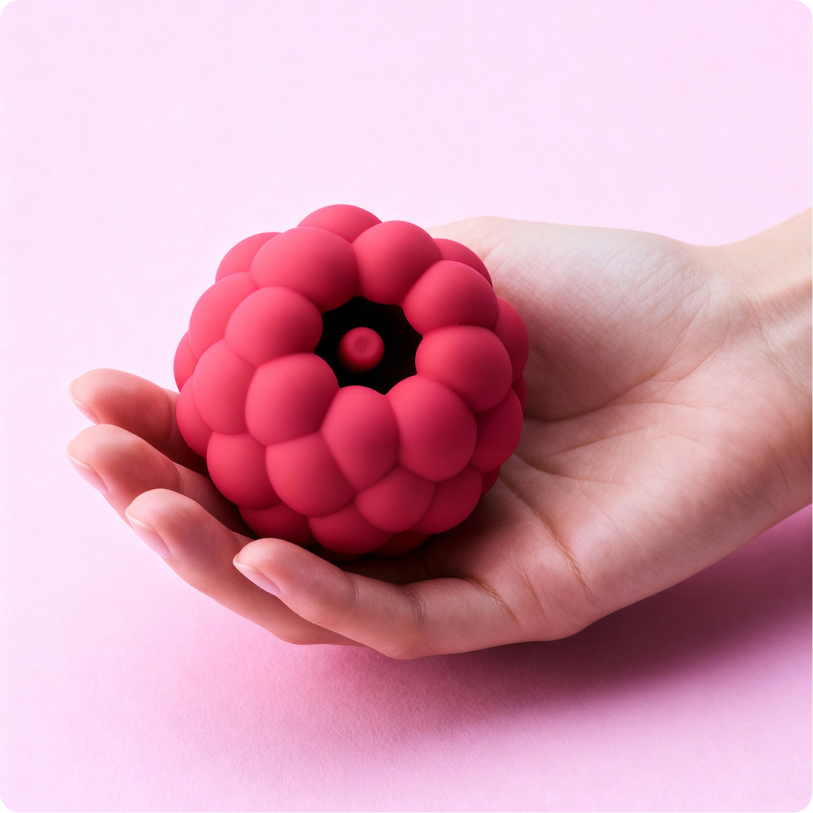
Sex toys designed with gentler, more varied stimulation can actually be therapeutic during recovery. Vibrators for women introduce a completely different kind of sensation, and for people with vulvas who have developed their own version of this pattern (yes, it happens), products like the Berri edging clitoral massager help with exactly this kind of sensitivity recalibration. For those exploring solo recovery with a penis, a quality couples toy used during partnered sessions introduces unpredictable, varied sensation that breaks the habitual pattern.
Step Five: Be Genuinely Patient
Two to six weeks sounds short on paper. In practice, it can feel like forever, especially when your sex life feels disrupted. The timeline varies. Some people notice changes in two weeks. Others take two months. Neither is wrong. The trajectory matters more than the speed.
What About the Emotional Side?
Here's something the clinical explainers tend to skip. Finding out that your masturbation habits have affected your sex life can bring up a lot of feelings. Embarrassment. Worry. Even a strange kind of grief for the ease you assumed sex would always have. Those feelings make complete sense.
Death grip syndrome is nobody's fault. It's a physiological response to habitual behavior. Treating it with the same practical compassion you'd give any other body-related issue is the most useful frame here. Your body adapted. Now you're asking it to adapt again. That's a completely normal conversation to have with yourself.
Can Anyone Develop This?
Technically, yes. While death grip syndrome is most discussed in people with penises, people with vulvas can develop analogous sensitivity patterns from habitual high-intensity vibrator use at the same setting and speed every time. The mechanism is identical: nerves adapt to a consistent, high-pressure stimulus and recalibrate upward. The solution is also the same. Reduce intensity, vary sensation, introduce breaks. Clitoral vibrators with adjustable intensity settings are particularly useful here because they give you genuine control over that recalibration process.
Healthline notes that "there isn't a lot of research available on death grip syndrome" by name, but the underlying sensory adaptation process is well-documented in neuroscience literature. The experience is real even where the formal research is still catching up.
A Few Things Worth Ruling Out First
Not every case of reduced penile sensitivity is death grip syndrome. Conditions like diabetes, cardiovascular disease, and hormonal imbalances can all reduce sensation. If you've taken a meaningful break, changed your technique, and still see no improvement after six to eight weeks, a conversation with a urologist or GP is genuinely worth having. This is about getting complete information, not catastrophizing.
Also worth knowing: certain medications, particularly antidepressants in the SSRI family, are well-documented to delay orgasm and reduce sensation. If you're on one and experiencing these issues, that conversation belongs with the prescribing doctor, not a recovery protocol.
Wrapping Up
Death grip syndrome is one of those things that sounds alarming and turns out to be deeply manageable once you know what you're dealing with. Your nervous system adapted. It can adapt again. A reset break, a lighter touch, some patience, and honest communication with yourself and any partners involved are genuinely enough for most people. You're not broken. You're just a human with a very responsive nervous system.
Want to make your journey even more exciting? I've handpicked some amazing toys and goodies at Hello Nancy that'll add extra sparkle to your intimate moments. (Here's a little secret. Use 'dirtytalk' for 10% off!)
Frequently Asked Questions
Is death grip syndrome a real medical condition?
Death grip syndrome is not an official clinical diagnosis, but the underlying mechanism is real and recognized. It describes penile desensitization caused by habitually tight or high-pressure masturbation, and the sensory adaptation process behind it is well-documented in neuroscience.
How long does it take to recover from death grip syndrome?
Most people see meaningful improvement within two to six weeks. Recovery involves taking a break from masturbation, then reintroducing stimulation with a lighter grip and lubrication. Some cases take up to two months, which is still within the normal range.
Can death grip syndrome cause permanent damage?
In most cases, no. The desensitization is a functional adaptation, not structural nerve damage. With a sensory reset and technique changes, the vast majority of people fully regain normal sensitivity. Persistent symptoms beyond eight weeks without improvement are worth discussing with a doctor to rule out other causes.
Can people with vulvas get death grip syndrome too?
Yes. People with vulvas can develop an equivalent pattern from habitual high-intensity vibrator use at a fixed setting. The nerves recalibrate upward just as they do in penile tissue. The fix is the same: reduce intensity, vary the type of stimulation, and give the nerves time to reset.
What is the best masturbation technique to avoid death grip syndrome?
Use a relaxed, light grip rather than a tight one. Always use lubrication to reduce friction-related desensitization. Vary your speed, pressure, and technique regularly so your nerves don't lock in to a single pattern as the only route to orgasm.
Does death grip syndrome cause erectile dysfunction?
Death grip syndrome itself doesn't directly cause erectile dysfunction. However, the anxiety and frustration around not being able to orgasm with a partner can create a psychological feedback loop that affects erection quality. Addressing the sensitivity issue usually helps resolve this secondary effect too.
Should I stop masturbating completely to fix death grip syndrome?
A temporary break of two to four weeks is recommended to allow nerve sensitivity to reset, but permanent abstinence is not necessary or required. After the reset period, returning to masturbation with a lighter grip and lubrication is perfectly fine and actually helps reinforce healthy sensation patterns.
Can a sex toy help with death grip syndrome recovery?
Yes, selectively. Toys that offer varied, gentler stimulation can help reintroduce a wider range of sensory input during recovery. The key is choosing something that doesn't replicate the same high-pressure pattern that caused the issue. Variable intensity settings are particularly useful for this reason.


