Add ₱769.20 to get Free Gift


Somebody, somewhere, decided that eating the right thing could make you irresistible. And honestly? They weren't entirely wrong.
Aphrodisiacs have been part of human courtship since ancient Egypt, ancient Rome, and basically every civilization that ever noticed two people giving each other that look across a dinner table. The word itself comes from Aphrodite, the Greek goddess of love. So yes, this is old, old magic we're talking about.
But here's where it gets genuinely interesting. Modern science isn't laughing at the concept anymore.
What Actually Is an Aphrodisiac?
An aphrodisiac is any food, drink, herb, or substance believed to increase sexual desire, arousal, or pleasure. The category is wider than most people think. It covers everything from the oysters on your anniversary dinner plate to the maca powder sitting forgotten in your pantry, to the glass of red wine that makes everything feel softer and warmer.
The science splits these into two camps. The first is psychological aphrodisiacs. Things that work because of suggestion, ritual, context, or placebo. The second is physiological aphrodisiacs. Things that may genuinely affect blood flow, hormone levels, neurotransmitter production, or nerve sensitivity. Both camps are real. Both matter.
And here's the thing nobody usually admits: the line between the two is gloriously blurry.
The Classic Ones (and What the Science Actually Says)
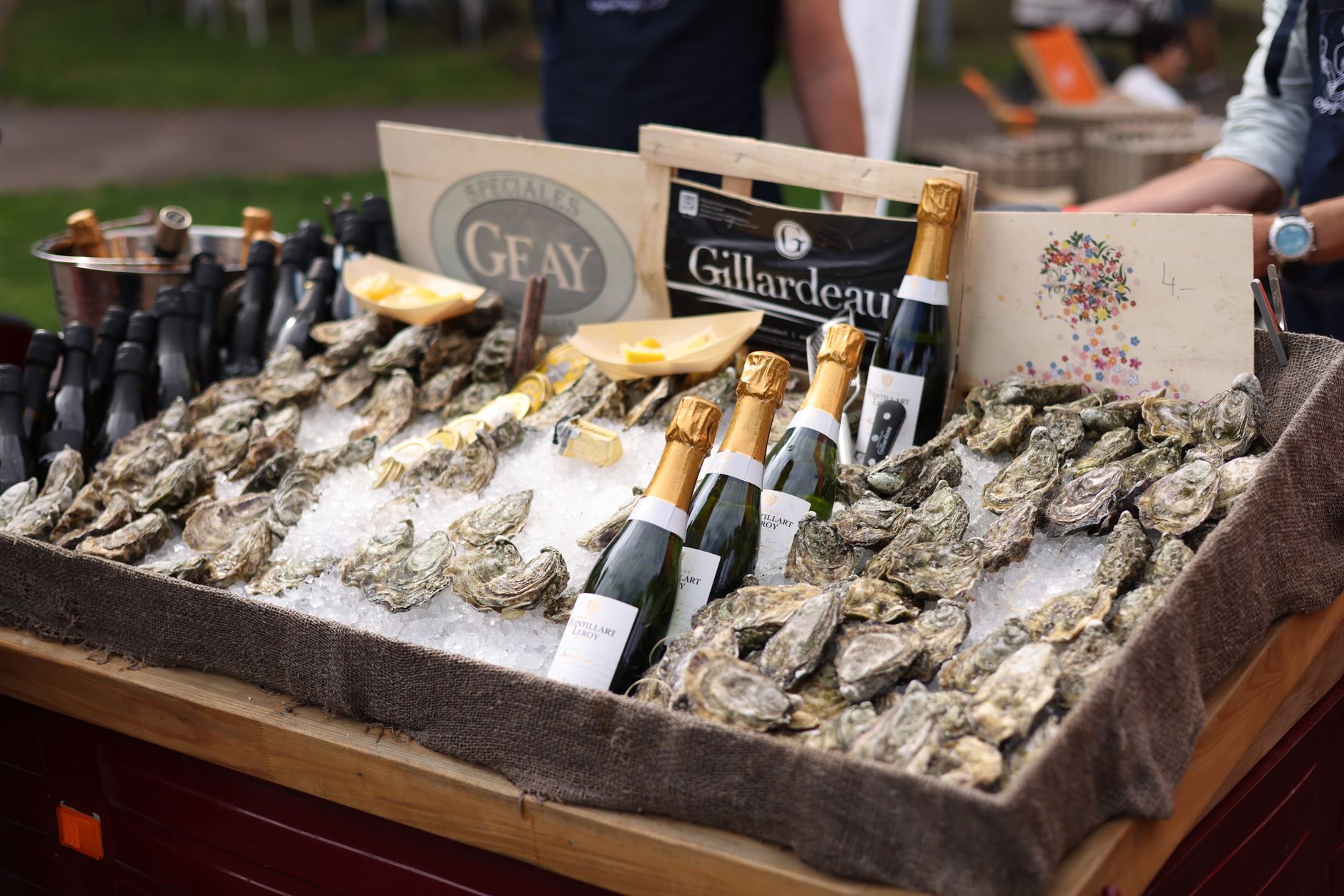
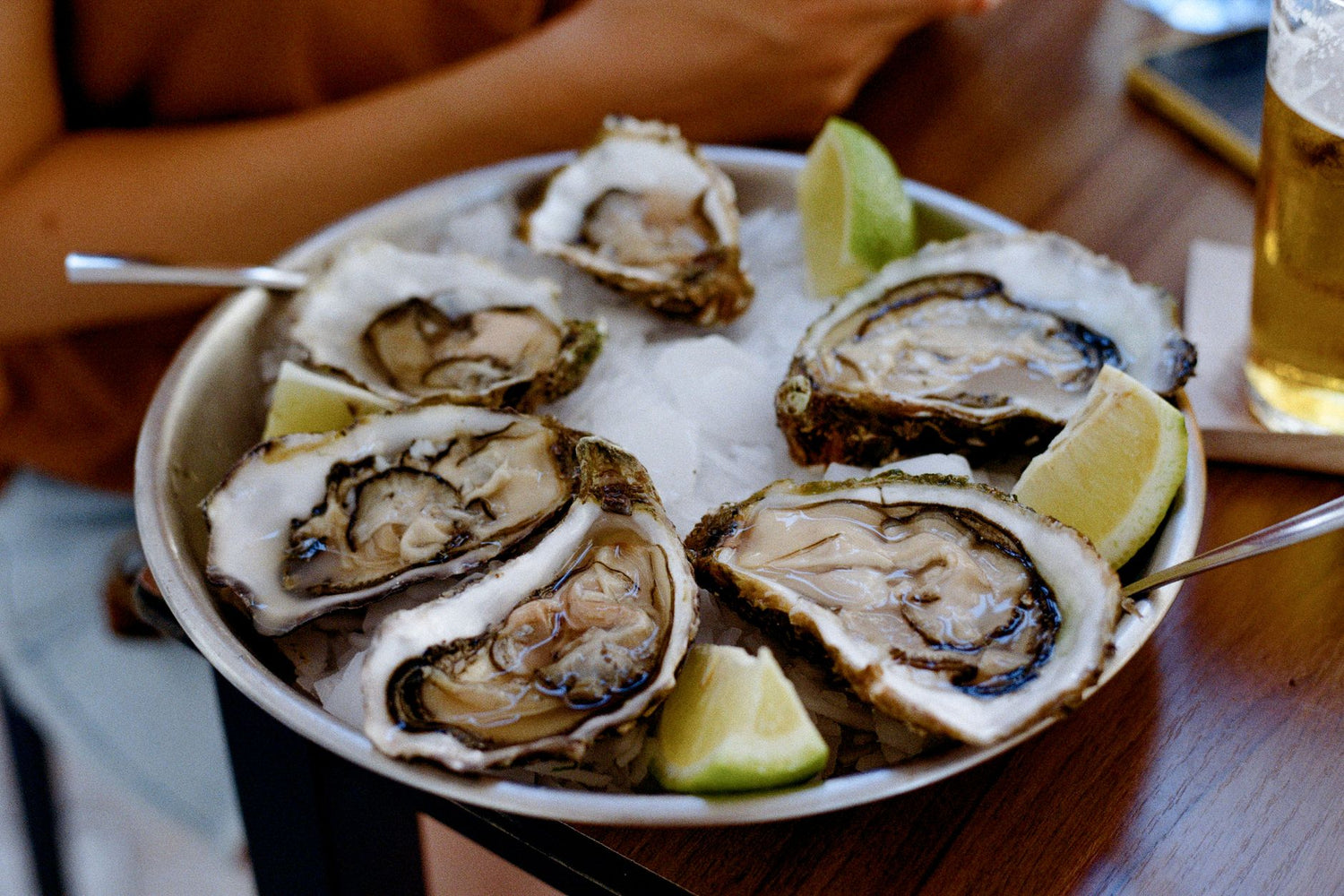
Oysters are the poster child of aphrodisiac foods, and they've earned some of that reputation. They're genuinely high in zinc, which supports testosterone production in all bodies. They also contain rare amino acids that some researchers believe may trigger a spike in sex hormones. The evidence is preliminary, but it's not nothing.
Chocolate is next in line. Dark chocolate specifically contains phenylethylamine, a compound your brain releases when you're attracted to someone. It also contains small amounts of serotonin precursors. Studies haven't confirmed it reliably increases arousal, but it does lift mood. And a lifted mood is, frankly, doing a lot of the work.
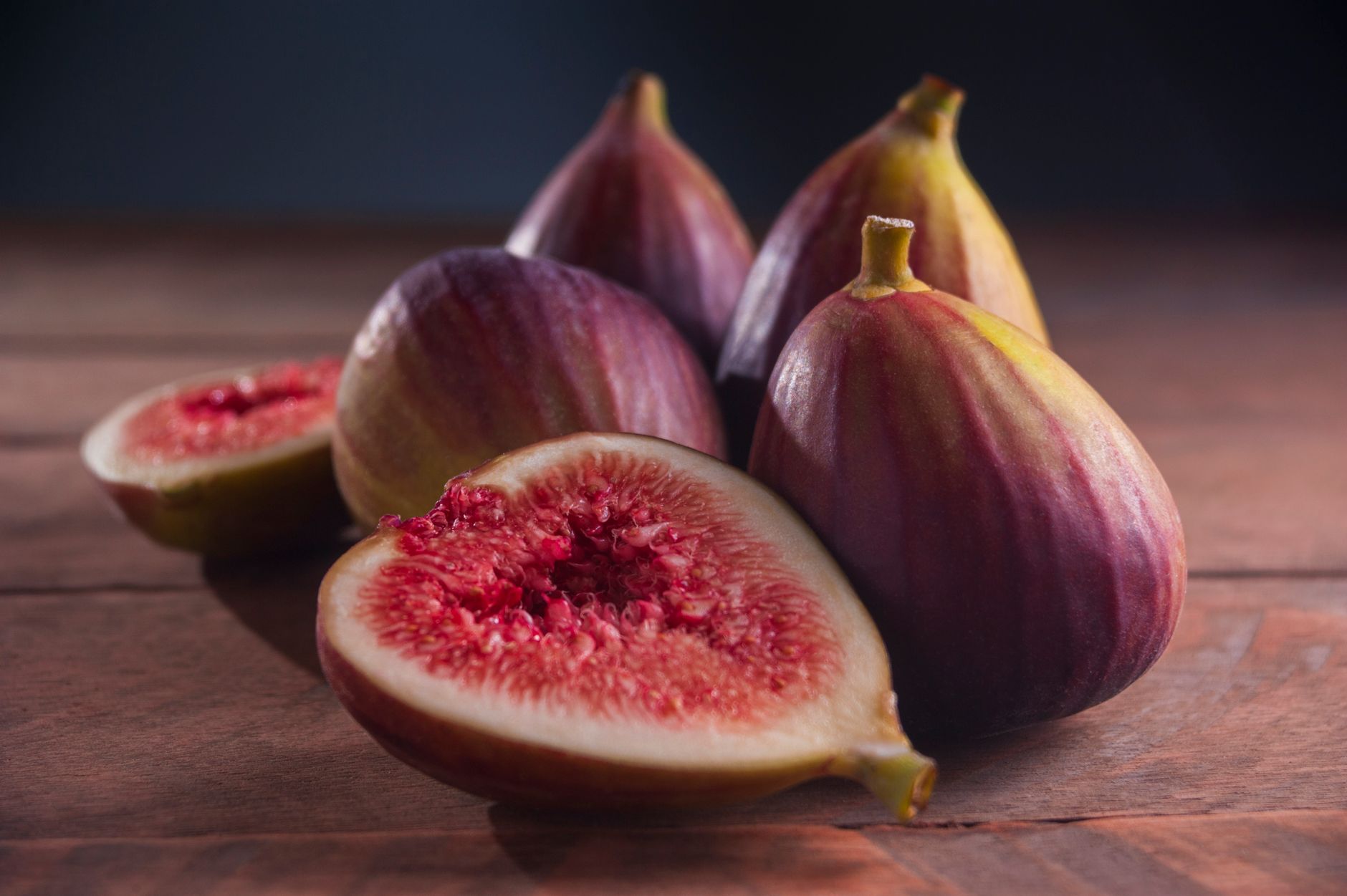
Strawberries, figs, honey, pomegranate. These foods don't have dramatic clinical backing, but they share something important: they activate the senses. Texture, color, taste, smell. All of that is erotic information your nervous system is processing in real time.
Spicy foods like chili peppers trigger the release of endorphins. Your heart rate rises. Your lips tingle. Your skin flushes. Your body genuinely does not distinguish clearly between that feeling and early arousal. That's not a metaphor. That's physiology.
Herbs and Supplements Worth Actually Knowing
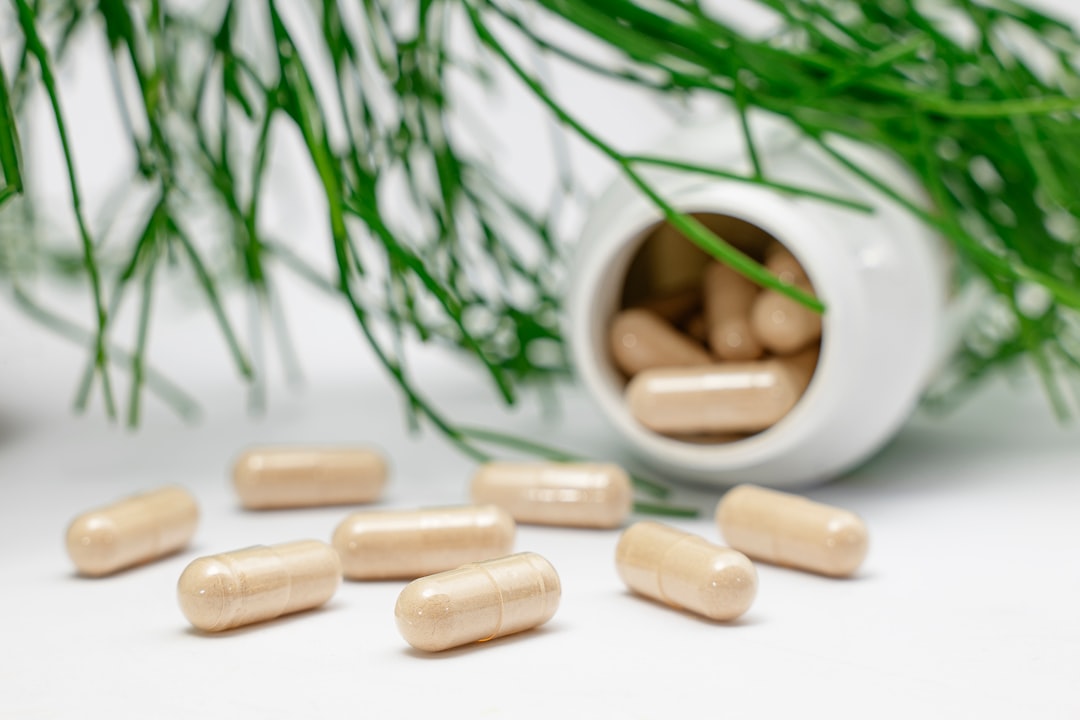
Maca root is the one that's earned genuine scientific attention. A 2023 randomized, double-blind trial found that gelatinized maca root showed meaningful results in participants experiencing sexual dysfunction. Earlier research noted it may help counter libido loss linked to antidepressants, specifically SSRIs. The sample sizes are still small, but the signal is consistent enough to be worth paying attention to.
Saffron is another. Several small studies suggest that saffron may improve sexual function in both men and women, particularly those experiencing desire issues tied to stress or antidepressant use. It's also one of the most expensive spices in the world, which makes it feel appropriately luxurious for the purpose.
Ginseng, ashwagandha, tribulus terrestris. These adaptogens are regularly recommended for supporting libido indirectly by reducing cortisol and supporting stress response. When your nervous system isn't in fight-or-flight mode, your body actually has space to feel turned on. That's not woo. That's basic endocrinology.
Fenugreek is underrated. Some research suggests it supports free testosterone levels. Ginkgo biloba has been studied for its potential to improve circulation, which matters enormously for arousal in all bodies.
The Psychology of Desire: Why Setting the Stage Matters

Here's something the science is very clear on: context is a more powerful aphrodisiac than any food on earth.
Desire doesn't live in a vacuum. It lives in the space between two people, or in the quiet attention you give yourself. A candlelit dinner works not just because of the oysters. It works because of the slowdown. The eye contact. The deliberate act of saying this evening is for us. The sensory environment you create primes your nervous system for pleasure before a single bite is taken.
Researchers who study sexual response consistently find that reducing stress, increasing novelty, and deepening emotional safety are the three most reliable drivers of desire. Aphrodisiacs are most effective when they're woven into a ritual that already supports those three things.
If you're curious about how to ask for what you want in bed, that conversation and the openness it creates might honestly be the most powerful aphrodisiac of all.
Building Your Own Aphrodisiac Experience
The beauty of aphrodisiacs is that they invite you to be intentional. Desire often dulls not because it disappears, but because life becomes too automatic. You eat the same things, follow the same routine, have the same conversations.
Breaking the pattern is half the magic.
Try building an evening around sensory exploration. Start with something spicy to get the blood moving. Add dark chocolate for the mood lift. Serve oysters if they appeal to you, not because they're obligatory but because the experience of sharing something indulgent is bonding. Use texture, temperature, and taste as foreplay long before anything else happens. Couples toys can layer beautifully into that kind of intentional, exploratory evening. Pairing sensory rituals with physical play creates a whole experience that's genuinely greater than the sum of its parts.
For those exploring pleasure solo, the same principle applies. An evening designed around your own senses, your own appetite, your own comfort is deeply valid. Take yourself seriously as someone whose pleasure matters. Because you do.
If you want support for that kind of solo exploration, the clitoral vibrators at Hello Nancy pair wonderfully with a slow, intentional evening. Something like the Berri edging clitoral massager is designed specifically for building tension gradually, which aligns perfectly with the aphrodisiac philosophy of slow build and heightened sensation.
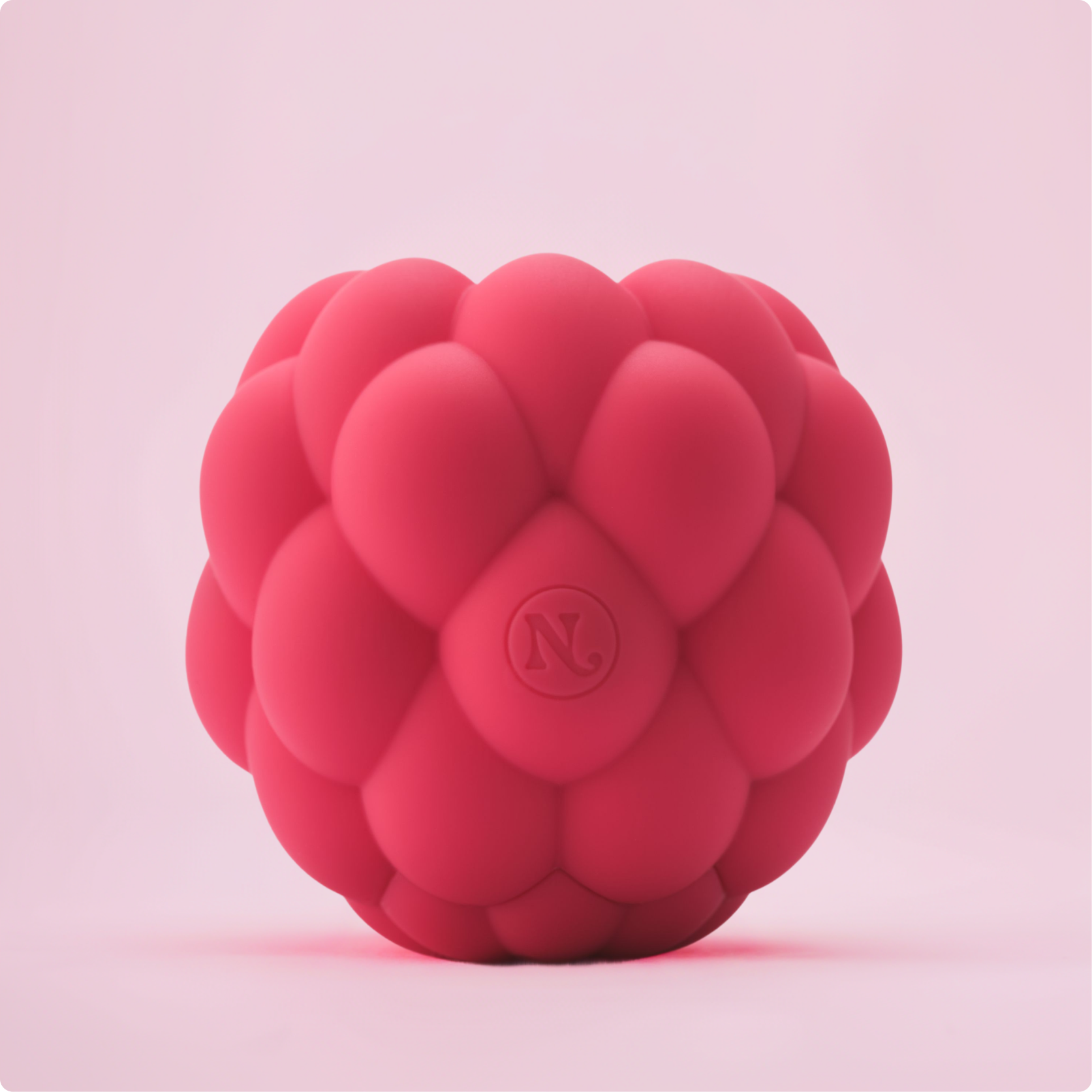
The Berri's tapping sensation mimics exactly the kind of gradual, teasing build that aphrodisiac rituals are designed to create. Worth knowing.
What to Avoid (and Why)
Not everything marketed as an aphrodisiac deserves your money or your trust. Spanish fly, for example, is genuinely dangerous. It contains cantharidin, a toxic compound that causes a burning sensation sometimes mistaken for arousal but can cause serious harm to internal organs. Avoid it completely.
Be skeptical of anything making dramatic, unqualified claims. Supplements that promise to "double your libido overnight" are selling you a fantasy, not a result. Good herbs work gently, over time, in the context of an overall healthy lifestyle. Quick fixes in this space are almost always either useless or harmful.
Alcohol is complicated. Small amounts lower inhibitions and can make desire feel more accessible. More than a little, though, and it actively suppresses arousal and sensation. It's one of the most common desire dampeners masquerading as a stimulant. The connection between mental health and sex is real, and alcohol's effect on your neurochemistry is part of that conversation.
The Bigger Picture: Pleasure Is a Practice
You can't eat your way into a better sex life in one evening. But you can use food, herbs, and sensory rituals to build a relationship with your own desire over time. Aphrodisiacs work best not as a one-night trick but as part of a broader commitment to treating pleasure as something you actively cultivate, not something that just happens to you.
Think of it as tending a garden.
The soil matters. Sleep, stress management, emotional honesty with your partner or yourself, regular movement. These are the conditions under which desire grows naturally. Aphrodisiacs are the fertilizer. They help when the conditions are already supportive. They can't do the whole job alone.
Connecting with quality vibrators for women or exploring new forms of sensation are part of that same practice of tending your pleasure garden. The more attention you give it, the more it gives back.
Want to make your journey even more exciting? I've handpicked some amazing toys and goodies at Hello Nancy that'll add extra sparkle to your intimate moments. (Here's a little secret — use 'dirtytalk' for 10% off!)
Frequently Asked Questions
Do aphrodisiacs actually work scientifically?
Some do, with caveats. Maca root and saffron have the strongest evidence for supporting sexual desire, particularly in people experiencing low libido or SSRI-related sexual dysfunction. For most classic aphrodisiac foods like oysters and chocolate, the effects are real but work through mood, sensation, and psychological priming rather than direct hormonal impact.
What foods are natural aphrodisiacs for women?
Dark chocolate, oysters, saffron, maca root, fenugreek, and pomegranate are among the most studied. Saffron in particular has shown promising results for women experiencing desire issues linked to stress or antidepressant use. The key is combining these foods with a sensory-rich, low-stress environment for best results.
How long does it take for aphrodisiacs to work?
Food-based aphrodisiacs like chocolate or chili can create mood and sensation shifts within an hour of eating them. Herbal supplements like maca root or ashwagandha typically require consistent use over several weeks before noticeable effects appear. Think of herbs as a long-term support system, not a quick fix.
Can aphrodisiacs improve libido in long-term relationships?
Yes, particularly when used as part of a broader ritual to create novelty and intentionality. Long-term desire often fades due to routine, not incompatibility. Using aphrodisiac-themed evenings as a way to slow down, engage the senses, and prioritize connection can meaningfully refresh desire between partners.
Is maca root safe to take daily for libido?
Maca root is generally considered safe for most adults when taken in food-equivalent amounts. Most studies use doses between 1.5 and 3 grams per day. If you're pregnant, breastfeeding, or have a hormone-sensitive condition, check with your doctor before adding it to your routine.
What is the most powerful natural aphrodisiac?
Context and emotional safety consistently outperform any food or herb. That said, among edible aphrodisiacs, maca root has the most consistent scientific support. Saffron is a close second, especially for desire issues tied to mood. Combined with an intentional sensory environment, either can meaningfully shift how connected and open you feel.
Does chocolate really increase sexual desire?
Dark chocolate contains phenylethylamine and small amounts of serotonin precursors that can lift mood and create a mild sense of euphoria. Studies haven't confirmed it directly increases arousal, but a better mood and lowered stress do support desire. Think of it as creating the right emotional conditions rather than flipping a biological switch.
Are there aphrodisiac drinks that boost libido?
Pomegranate juice has antioxidant properties that support circulation, which matters for arousal. Red wine in small amounts can lower inhibition and enhance mood. Ashwagandha or maca lattes are popular options that support stress reduction over time. Avoid relying on alcohol heavily, though. It suppresses sensation and arousal more than it enhances them with higher intake.