Add RM50.04 MYR to get Free Gift


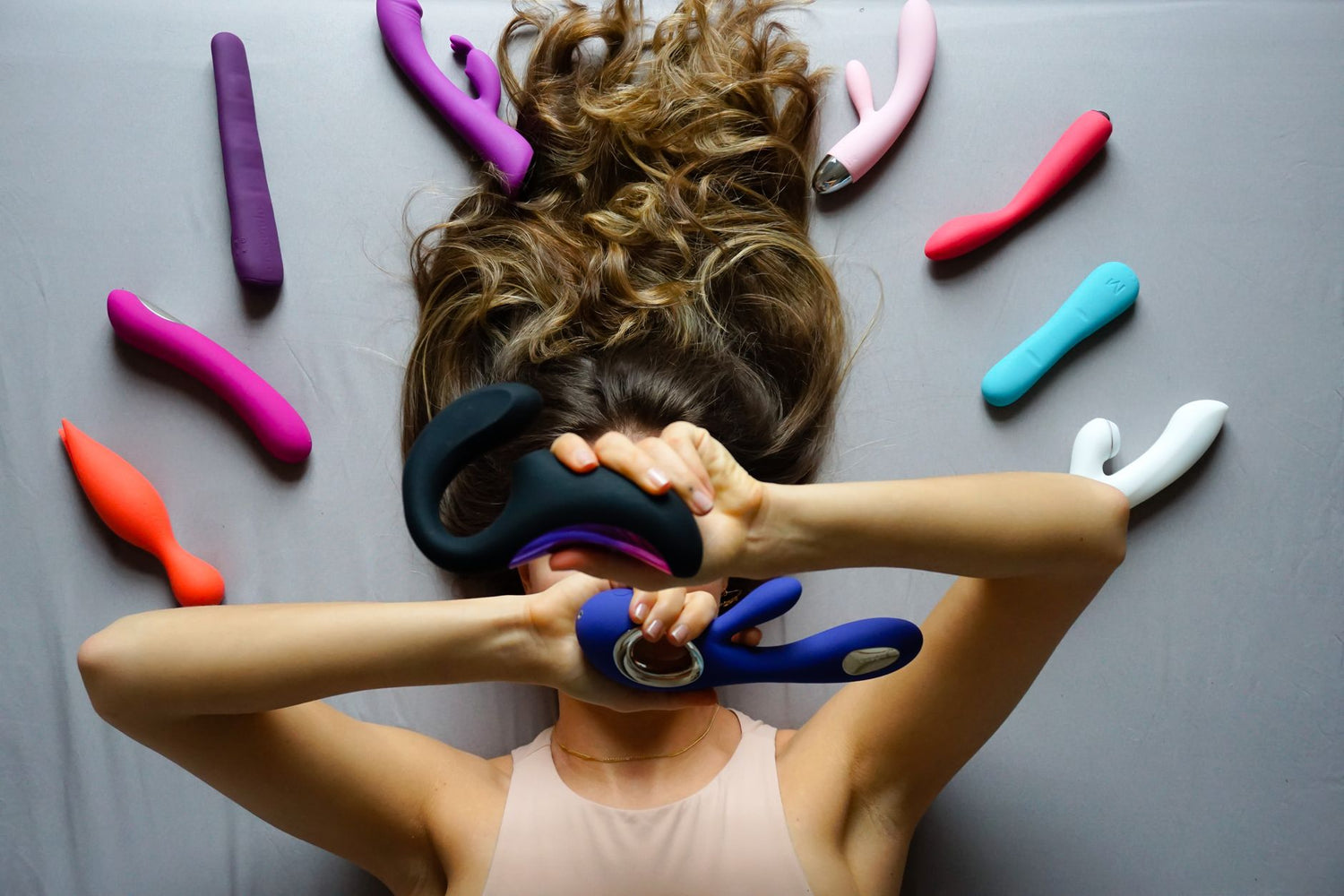
That toy has been sitting in your nightstand for three years and you've never once questioned it. Maybe it's time you did.
Most of us treat our vibrators and intimate toys like old friends. We trust them, we count on them, and we definitely don't interrogate them. But here's the thing nobody talks about: sex toys have a lifespan, and using one past its prime isn't just ineffective. It can actually be harmful to your body. So let's have the honest conversation you didn't know you needed.
Why Replacing Sex Toys Actually Matters for Your Health
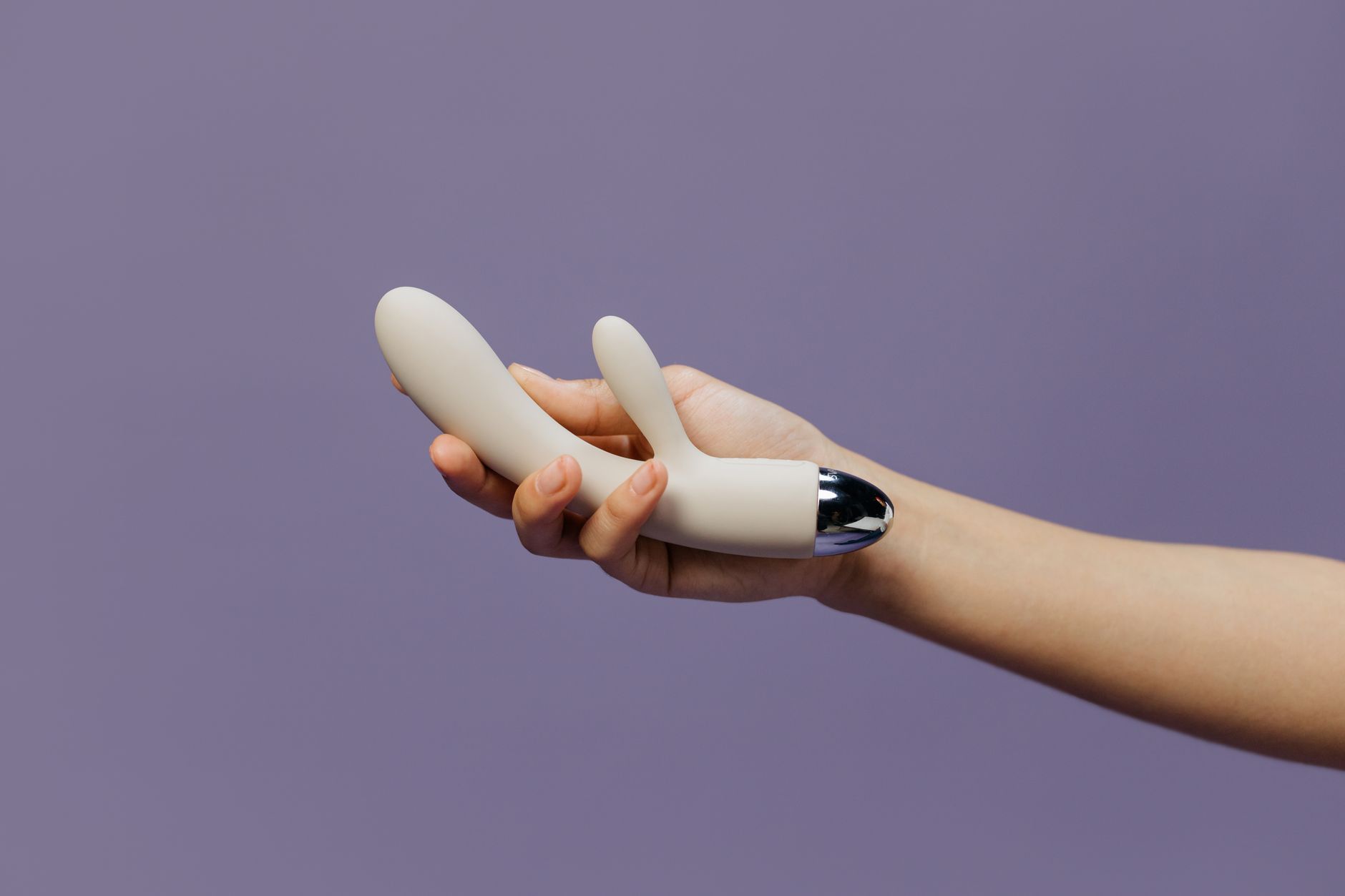
Sex toys sit against your most sensitive, intimate skin. That's not a detail to brush past lightly.
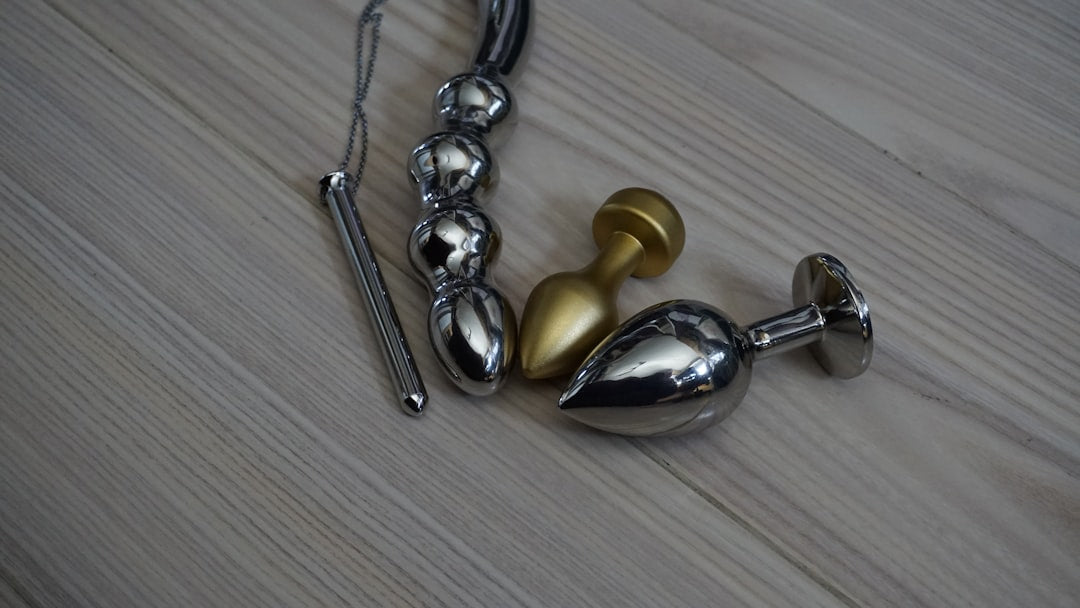
Porous materials like jelly rubber, PVC, and certain plastics have microscopic holes in their surface. Those holes trap bacteria, lubricant residue, and bodily fluids. No amount of washing fully removes what's been absorbed deep inside the material. Non-porous materials like medical-grade silicone, borosilicate glass, and stainless steel are genuinely safer because they don't harbor bacteria the same way. But even the best non-porous toys wear down over time with repeated use, cleaning cycles, and general handling.
The risk isn't theoretical.
Using a degraded toy can introduce bacteria into the body, disrupt your vaginal pH, or cause skin irritation and inflammation. Sammi Cole, sexpert at Lovehoney, notes that "a rechargeable vibrator made from more premium materials should last way longer than a battery-powered jelly vibrator" precisely because material quality determines how safely and how long a toy performs (Cole, as cited in SheKnows, 2023). Your toy's material and how well you care for it are the two biggest factors in its safe lifespan.
The Physical Signs Your Toy Is Done
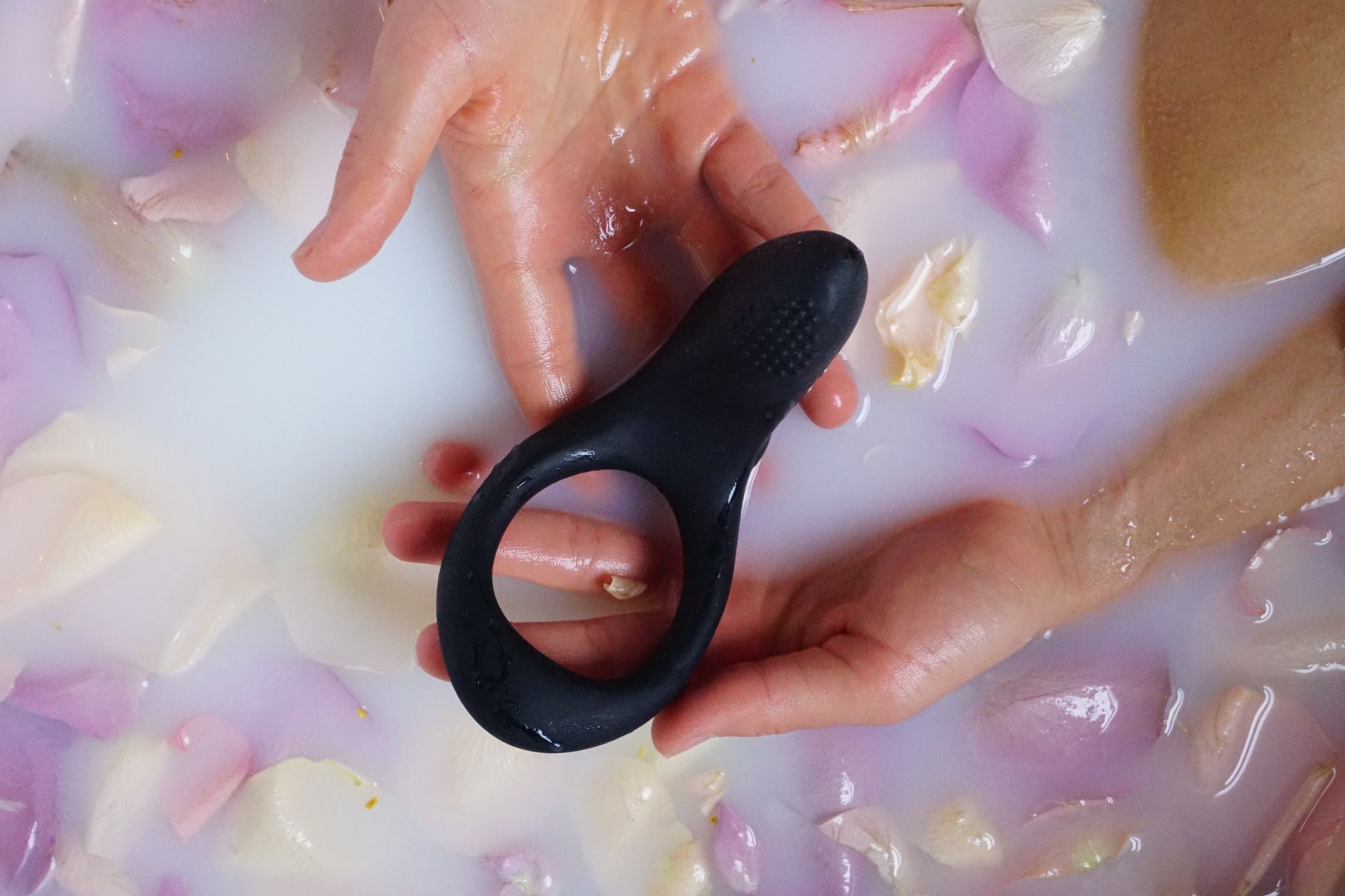
Your toy will usually tell you before you think to ask.
The most obvious red flag is a change in texture. If your once-smooth silicone toy now feels sticky, tacky, or has developed a gritty, chalky surface, that's silicone degradation in action. The material is literally breaking down, and those micro-particles can end up in contact with your delicate tissue. That's a hard no from me.
Discoloration is another signal worth taking seriously. A yellowing, darkening, or uneven blotchiness that doesn't wash off suggests the material is chemically changing. Paired with an unusual or "off" smell, this is a clear sign the toy has aged past safe use. Any visible cracks, nicks, cuts, or splitting seams also create spaces where bacteria hide and multiply, no matter how thoroughly you clean. If you spot any of those, the toy goes.
When the Performance Just Isn't There Anymore
Sometimes the sign isn't physical damage. It's a quiet fade in function.
A vibrator that used to have strong, consistent power but now stutters, cuts out mid-session, or charges unpredictably is showing you something important. Batteries degrade, motors fatigue, and internal components wear out. This isn't just annoying. Electrical inconsistencies in a toy designed to be used near sensitive tissue are genuinely worth taking seriously. If your clitoral vibrators aren't delivering the sensation they once did, and cleaning or charging doesn't fix the problem, it's time to retire them.
Motors don't last forever.
Most rechargeable vibrators made from quality materials are designed to last anywhere from a few years to a decade, depending on frequency of use and care. But a battery-powered toy made from cheap materials might start showing performance drops within months. There's no shame in acknowledging when something has simply run its course. Replacing it isn't wasteful. It's self-care.
The Smell Test (Yes, Really)
Your nose is a surprisingly reliable safety tool.
A toy that has been properly cleaned and stored should smell like nothing at all, or faintly like the cleaning product you used. A sour, chemical, or otherwise "off" odor that lingers after washing is a sign that bacteria or material breakdown is happening below the surface. Porous materials are especially prone to this because they absorb and retain what they're exposed to. If your toy smells wrong and you can't trace it to something you cleaned it with, trust that instinct and let it go.
When Your Relationship With a Toy Changes
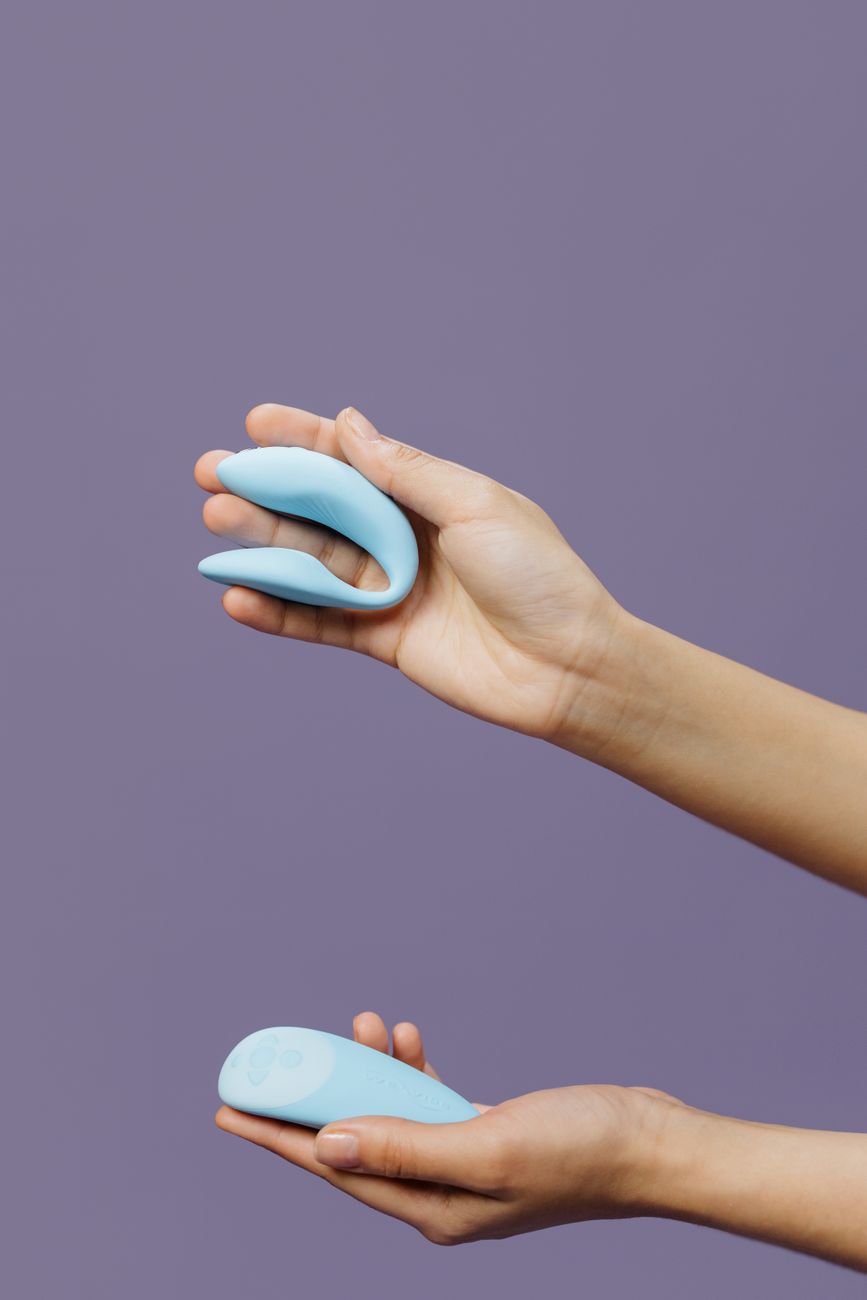
Sometimes a toy isn't physically broken. You've just outgrown it.
Maybe your preferences have shifted. Maybe you've discovered you respond better to suction than vibration, or you want something with more customizable intensity, or the size just doesn't work for you anymore. These are completely valid reasons to upgrade. Your pleasure matters, and settling for "fine" when you could have "wow" is nobody's idea of a good time. A good couples toy or a new solo favorite can genuinely transform your experience in ways a worn-out old toy simply can't.
You deserve current.
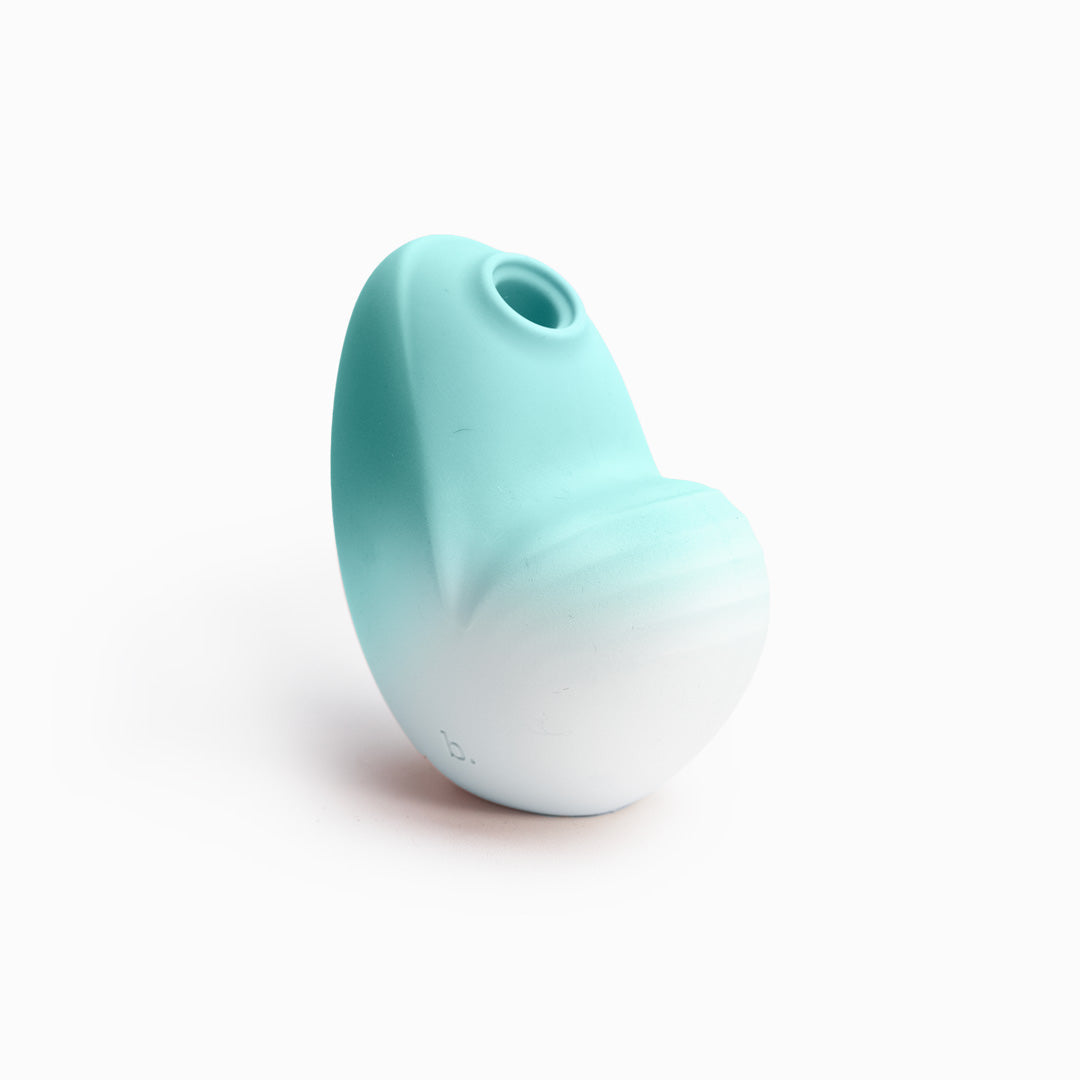
Technology in intimate wellness moves fast. What was cutting-edge five years ago is now a generation behind in terms of motor quality, ergonomics, and material safety. If you've been curious about suction-based stimulation or dual-action designs, that curiosity is reason enough to explore. Products like the Namii 2, which combines clitoral suction and vibration in one sleek device, represent exactly the kind of leap forward that makes replacing an old toy feel less like a loss and more like a genuine upgrade.
How to Store Toys to Extend Their Life
Proper storage is one of the most underrated acts of self-care in this whole equation.
Silicone toys should never be stored touching other silicone toys. When two silicone surfaces press against each other over time, they can chemically react and degrade. Each toy deserves its own breathable pouch or compartment. Keep them away from extreme heat, direct sunlight, and definitely away from dust. A cool, dry drawer or a dedicated storage case works beautifully, and it can genuinely extend your toy's safe lifespan by years. If you travel with toys, investing in a proper case is smart. The blog post on the best sex toy travel cases for discreet packing is a genuinely good read on this.
Clean before and after. Every single time.
This isn't optional hygiene advice. It's the single biggest factor in how long your toy lasts and how safely it performs. Rinse with warm water and a toy-safe cleaner immediately after use, allow it to dry fully before storing, and don't skip this step just because you're tired. Your future self will thank you.
What to Replace It With
Upgrading doesn't have to be overwhelming.
If you're starting fresh and want something that will genuinely last, prioritize medical-grade silicone, borosilicate glass, or stainless steel. These non-porous materials are body-safe, easy to clean, and built to endure. Look for USB rechargeable options over battery-powered ones. They tend to have stronger, more consistent motors and a much longer usable lifespan. If you're exploring clitoral massagers for the first time or replacing a beloved old one, there are beautiful options designed with longevity and sensation in mind.
Don't just replace like-for-like.
Take this as an opportunity to actually think about what you want. What sensation have you been curious about? What shape or size would feel better for your body? What features would make this more fun, more comfortable, more you? You're not just shopping. You're investing in your own pleasure and safety, and that deserves a little thought.
Wrapping Up
Letting go of a toy that's run its course isn't a loss. It's honestly one of the most practical and loving things you can do for your body.
The signs are usually clear once you know what to look for: surface degradation, discoloration, strange odors, inconsistent performance, or simply a shift in what you want and need. Any one of these is reason enough. You don't have to wait for something to break completely. You're allowed to upgrade simply because something better exists, or because your needs have evolved. Your pleasure is ongoing and it deserves tools that are actually up to the job.
Want to make your journey even more exciting? I've handpicked some amazing toys and goodies at Hello Nancy that'll add extra sparkle to your intimate moments. (Here's a little secret. Use 'dirtytalk' for 10% off!)
Frequently Asked Questions
How often should you replace a sex toy?
There's no single rule. A high-quality rechargeable vibrator made from medical-grade silicone can last several years with proper care, while a budget battery-powered toy might need replacing within months. Check for physical signs of wear, odor changes, or performance drops rather than going by time alone.
Is it safe to use an old silicone vibrator that feels sticky?
No. A sticky or tacky texture on a silicone toy is a sign the material is breaking down. Degraded silicone can shed micro-particles and harbor bacteria even after cleaning. Replace it as soon as you notice that texture change.
Can you sterilize a porous sex toy to make it safe again?
Unfortunately, no. Porous materials like jelly rubber and PVC have microscopic holes that trap bacteria and fluids permanently. No cleaning method, including boiling or bleaching, can fully sterilize a porous toy. If safety is a concern, replacing it with a non-porous option is the only reliable solution.
What are the safest materials for sex toys?
Medical-grade silicone, borosilicate glass, and stainless steel are the gold standard. They are all non-porous, easy to clean thoroughly, and free from harmful chemicals like phthalates. These materials also tend to last longer when cared for properly.
How should I store sex toys to make them last longer?
Store each toy in its own breathable pouch or compartment, away from heat, direct sunlight, and other silicone toys. Silicone-on-silicone contact over time can cause chemical degradation. Always ensure toys are completely dry before storing to prevent moisture buildup.
What does it mean if my vibrator smells bad even after cleaning?
A persistent sour or chemical odor after thorough cleaning usually means bacteria or material degradation is happening beneath the surface. This is especially common in porous materials. If the smell doesn't clear after a careful wash, it's a strong signal the toy needs to be retired.
Can a cracked or chipped sex toy cause infections?
Yes. Cracks, nicks, or splits in any toy's surface create spaces where bacteria accumulate and cannot be removed by cleaning. Using a cracked toy against sensitive mucous membranes increases the risk of bacterial infection significantly. Discontinue use immediately and replace it.
How do I know if my vibrator's motor is failing?
Signs of a failing motor include inconsistent vibration intensity, unexpected shutoffs mid-use, difficulty holding a charge, or a noticeable drop in power compared to when the toy was new. If these issues persist after a full charge cycle, the motor is likely nearing the end of its life.
Is it worth repairing a broken sex toy or should I just replace it?
In most cases, replacement is the safer and more practical choice. Repaired toys may have compromised seams or electrical components that are difficult to trust around intimate tissue. Some premium brands do offer repair or replacement programs, so it's worth checking with the manufacturer first before discarding.