Add RM49.92 MYR to get Free Gift



Your body's been doing extraordinary things all along. You just never got the memo.
Most of us grew up learning the basics. Periods. Hormones. Reproduction. Cool, fine, covered. But somewhere between biology class and adulthood, the genuinely mind-bending stuff got left on the cutting-room floor. Because the female body isn't just functional. It is, in every measurable sense, a biological marvel that science is still catching up to understand.
Let's fix that.
You Can Carry Someone Else's Cells. Literally.

This one stops people cold when they first hear it.
It's called microchimerism. After pregnancy, fetal cells can cross the placental barrier and take up permanent residence in the birthing parent's body. We're talking heart tissue. Brain tissue. Liver. These cells don't just pass through. They integrate. Research published in journals like Biology of Sex Differences has explored how these fetal microchimeric cells may actively assist in tissue repair and immune regulation for decades after birth. The body essentially absorbs a piece of the person it created and uses it as a resource going forward. That's not metaphor. That's cellular biology doing something genuinely strange and spectacular.
And here's what makes it wilder: microchimerism can also travel the other direction. Cells from a mother can pass to her child in utero, meaning some women carry their own mother's cells inside them right now. A biological inheritance you never signed up for and didn't even know existed.
The Immune System That Remembers Everything
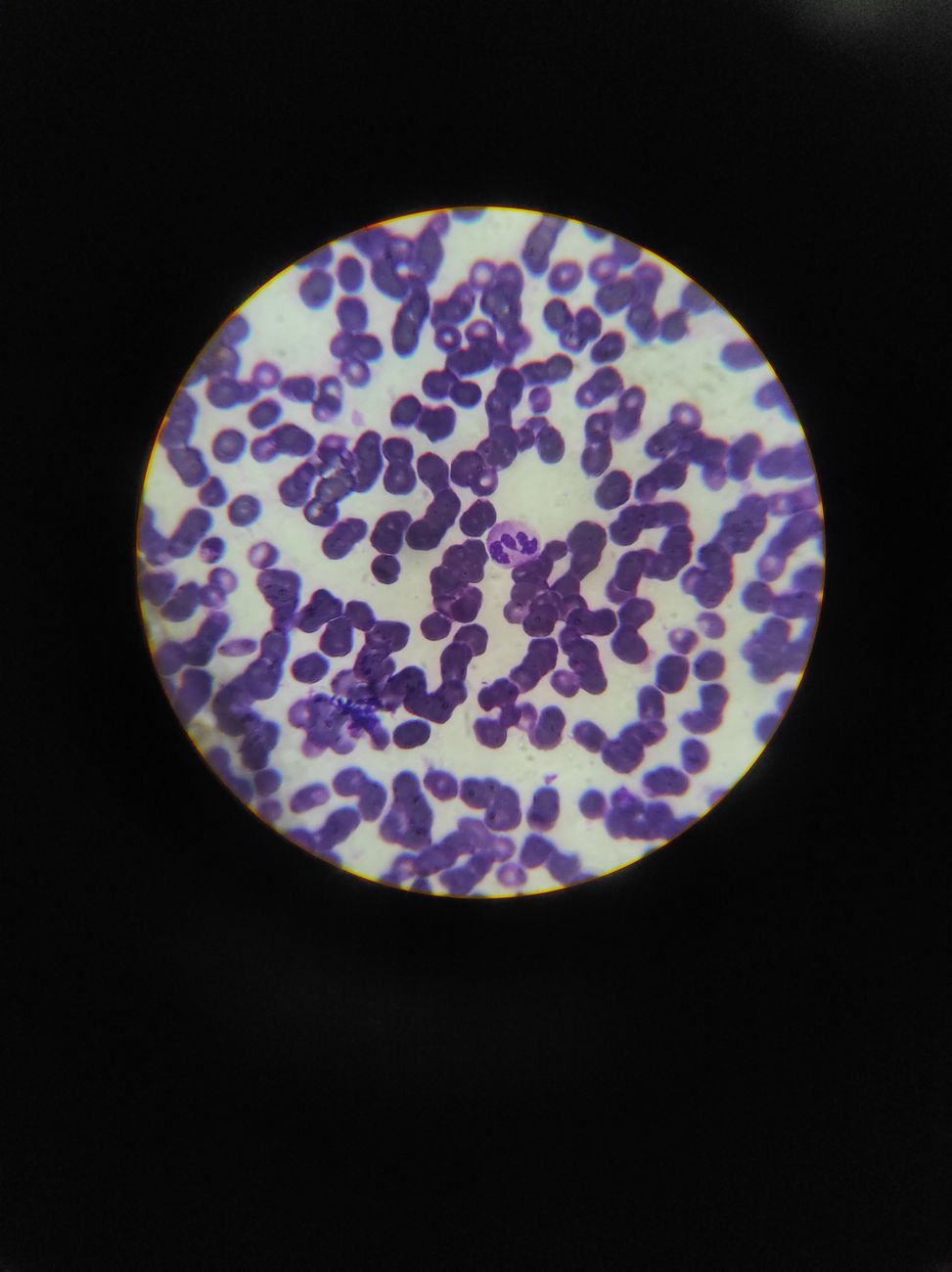
Female immune systems are genuinely more aggressive. Not metaphorically. Measurably.
Research has consistently shown that women produce more targeted antibodies in response to infections and retain immunological memory longer than men. This means the female body doesn't just fight off an illness. It files it away, updates its defenses, and responds faster next time. According to a 2025 CNN Health report citing current researchers, women "produce more targeted antibodies to fight infections and also retain immunological memory longer, making their bodies more adept at responding to future infections." The trade-off is that this hyper-vigilance also makes autoimmune conditions more common in women. The same force that protects so efficiently can occasionally misfire. Powerful things often cut both ways.
This immune strength also shows up in vaccine response. Women consistently generate stronger antibody responses to flu shots and other vaccines than men do. Researchers believe estrogen plays a direct role, essentially amplifying immune signaling pathways. Your hormones aren't just running your cycle. They're running a sophisticated defense network.
Pain Tolerance Is More Complicated Than You Think

Women experience pain differently. That part most people know.
But here's what often gets buried: the female nervous system processes pain through a distinct set of cellular pathways. Studies have found that microglia, the immune cells of the brain, operate differently in female biology, meaning pain signaling at the neurological level follows a different route entirely. For decades, pain research was conducted almost exclusively on male subjects. The result was that a massive portion of chronic pain conditions that disproportionately affect women were studied through the wrong lens entirely. Fibromyalgia. Endometriosis. Chronic migraine. These aren't conditions women invented. They're conditions science was slow to investigate with the right framework. The female body wasn't being dramatic. It was being misread.
Meanwhile, the clitoris. Let's talk about the clitoris.
The Clitoris Has More Nerve Endings Than Anywhere Else in the Human Body

For a long time, science thought it knew the number: roughly 8,000 nerve endings.
A 2022 study out of the University of Georgia revised that estimate significantly upward, suggesting the count may be closer to 10,000. But the more important detail isn't the number. It's that the full internal structure of the clitoris wasn't accurately mapped until 2005, meaning an entire organ of pleasure sat largely undescribed in medical literature for most of modern medicine's history. The external part you can see is only a fraction of the picture. Internally, the clitoris extends several inches, wrapping around the vaginal canal in a wishbone shape. Understanding its full anatomy changes how we think about arousal, stimulation, and what actually drives pleasure. That's why clitoral vibrators designed with external and internal anatomy in mind can feel so profoundly different from older, less anatomically-informed toys.
Knowledge is power. Anatomy is power. And for too long, half the population was navigating their own body with an incomplete map.
The Brain Changes During Pregnancy. And It Doesn't Fully Change Back.
Pregnancy rewires the brain.
Research published in Nature Neuroscience has demonstrated that the gray matter changes that occur in the brain during pregnancy can last for at least two years postpartum, and possibly longer. These aren't damage or deterioration. They're targeted structural pruning, where the brain streamlines and reorganizes to prioritize social bonding, threat detection, and attunement to the baby. Scientists believe this neural remodeling serves a survival function. It sharpens specific cognitive tools needed for caregiving. The so-called "baby brain" is real. But it's not a loss of intelligence. It's a strategic reallocation of processing power.
That distinction matters.
Hormonal Cycles Create a Monthly Cognitive Rhythm
Estrogen doesn't just govern fertility. It modulates cognition, mood, and verbal fluency in real, measurable cycles throughout the month.
During the follicular phase (the first half of the cycle after menstruation), rising estrogen is associated with sharper verbal memory, higher social ease, and faster processing speed. During the luteal phase, progesterone tends to increase spatial reasoning and pattern recognition. In effect, the female brain moves through distinct cognitive modes every single month. Not better or worse at each stage. Different. Some researchers argue that if these cycles were better understood, people could use them strategically. Scheduling creative brainstorming during peak estrogen. Handling detail-oriented tasks during the progesterone window. Your cycle isn't an inconvenience. It's a rhythm worth knowing.
That's a genuinely different way to think about what the body is doing every month.
Longevity Is Built Into the Biology

Women live longer than men in almost every country on the planet. The gap is roughly five to seven years globally.
For a long time, lifestyle factors got most of the credit. Men smoke more, take more risks, go to the doctor less. Sure. But biological factors play an equally significant role. The XX chromosomal configuration means women carry a backup copy of many genes. If one X chromosome carries a faulty gene, the second X often compensates. Men, with only one X, don't have that redundancy. Beyond chromosomes, estrogen has cardioprotective properties that delay cardiovascular disease by roughly a decade compared to men. The female body has multiple overlapping longevity mechanisms baked into its architecture. That's not luck. That's design.
And the immune advantage we talked about earlier? That feeds into longevity too. A body that fights infection more efficiently, remembers threats longer, and responds more robustly is simply better equipped for the long haul.
Pleasure Is a Biological Right, Not a Bonus Feature
Here's what ties all of this together.
The female body wasn't designed to simply reproduce and endure. It has a dedicated pleasure architecture. A pain processing system that still confounds researchers. An immune system that rivals anything in the animal kingdom. A brain that restructures itself for deeper empathy. A cellular memory that outlives individual relationships. These are not coincidences. They are features, each one a piece of a larger system that science is still, slowly and sometimes reluctantly, beginning to fully describe. Understanding your own biology is one of the most quietly radical things you can do. And honestly, it starts with taking your pleasure, your pain, your cycles, and your power seriously.
If you want to explore what your body is capable of, start with what feels good. Try a vibrator designed for women with real anatomy in mind. Understand your clitoral structure. Read about your cycles. Ask questions your biology class never answered. Because you deserve the full picture of your own body.
The Berri tapping clitoral massager is one of our favorites for exploring how different stimulation styles feel. Its tapping motion mimics a kind of rhythm that's intuitive, body-led, and surprisingly revelatory.

And if you're curious about internal stimulation alongside clitoral pleasure, the Gii Glow G-spot vibrator brings a whole new dimension to what "knowing your body" actually means in practice. Products designed with real female anatomy in mind aren't just toys. They're tools for self-knowledge.
Want to make your journey even more exciting? I've handpicked some amazing toys and goodies at Hello Nancy that'll add extra sparkle to your intimate moments. (Here's a little secret — use 'dirtytalk' for 10% off!)
Frequently Asked Questions
What is microchimerism and how does it affect the female body?
Microchimerism is when cells from another person, typically a fetus or a mother, cross biological barriers and integrate into the host body's tissues. In women who have been pregnant, fetal cells can live in the heart, brain, and liver for decades. Research suggests these cells may assist in immune regulation and tissue repair long after birth.
Why do women have stronger immune systems than men?
Female immune systems produce more targeted antibodies and retain immunological memory longer than male immune systems. Estrogen amplifies key immune signaling pathways, which contributes to stronger vaccine responses and faster recovery from many infections. The trade-off is a higher susceptibility to autoimmune conditions, where an overactive immune system turns on the body itself.
How many nerve endings does the clitoris actually have?
A 2022 study from the University of Georgia suggested the clitoris may contain around 10,000 nerve endings, revising earlier estimates of 8,000. Beyond the count, the clitoris extends several inches internally in a wishbone shape, and its full anatomy wasn't accurately mapped in medical literature until 2005.
Does the female brain really change during pregnancy?
Yes. Research published in Nature Neuroscience found that gray matter changes during pregnancy can persist for at least two years postpartum. These changes are not deterioration. They represent targeted neural pruning that sharpens social bonding, threat detection, and caregiver attunement. "Baby brain" is real, but it's a strategic reorganization, not a loss.
How does the hormonal cycle affect cognitive performance in women?
Estrogen, which rises during the follicular phase, is associated with stronger verbal memory and faster social processing. During the luteal phase, elevated progesterone shifts the brain toward spatial reasoning and pattern recognition. These aren't mood fluctuations. They're measurable cognitive shifts that cycle monthly, giving the brain different strengths at different times.
Why do women live longer than men on average?
The longevity gap comes from multiple overlapping biological advantages. The XX chromosomal configuration provides a genetic backup when one X carries a faulty gene. Estrogen has cardioprotective properties that delay cardiovascular disease by roughly a decade. A more robust immune system that fights infection more efficiently also contributes to longer lifespan.
Why was pain research in women historically inadequate?
For decades, most clinical pain research used male-only subjects, creating a massive blind spot in understanding conditions that disproportionately affect women. Conditions like fibromyalgia, endometriosis, and chronic migraine were studied through a biological framework that didn't apply to the female nervous system. This led to underdiagnosis, misdiagnosis, and inadequate treatment for millions of people.
What hidden powers of the female body are most underappreciated by science?
Microchimerism, the full internal anatomy of the clitoris, the distinct immune architecture driven by estrogen, and the monthly cognitive rhythm of the hormonal cycle are all among the most underexplored areas. Many of these were simply not studied with female subjects as the primary focus until very recently. The science is catching up, but there's still significant ground to cover.