Add RM50.04 MYR to get Free Gift



Your body has been yours your whole life. But honestly? Most of us spend years treating it like a stranger's house we're just renting.
We get dressed in the dark. We silence our hunger until it becomes rage. We nod along in intimacy when we want something completely different. And somehow, this becomes normal. Familiar, even.
The gap between who you are and what you feel in your own skin is one of the quietest forms of suffering there is. Nobody names it at your dinner table. Nobody writes a diagnosis for it. But you feel it, don't you? That low-level hum of disconnection, like your body and your mind are two people in the same house who stopped talking.
This is where we start.
What It Actually Means to Own Your Body

Owning your body isn't a wellness buzzword. It's not a green smoothie or a morning run, though those can be part of it.
Body ownership is the lived experience of trusting your own physical sensations as real, valid, and worthy of being listened to. It means knowing when you're cold before you start shivering. It means recognizing tension in your jaw before it becomes a headache. It means feeling pleasure. Not performing it. Not narrating it. Actually feeling it in real time, as it happens, without mentally stepping out of the room.
Researchers Van Bael, Ball, Scarfo, and Suleyman (2023) identified interoceptive attention, which is your ability to notice internal body signals, as a core component of a healthy mind-body connection. Translation: the more you tune into what your body is actually telling you, the more grounded and integrated you become. This isn't mysticism. It's biology.
And here's the kicker. Most of us were trained out of this.
The Disconnect That Nobody Warned You About

From the time we're small, we get messages that override our instincts. Eat when you're not hungry because it's dinnertime. Hug someone even when your whole body says no. Smile more. Sit still. Stop crying, you're fine.
Layer enough of those on top of each other and you end up with an adult who has no idea what they actually want. Not in a meal, not in a conversation, not in a bedroom.
This disconnection shows up everywhere. It shows up as chronic tension you can't explain. As choosing partners based on who seems safe rather than who actually makes you feel alive. As going through the motions of intimacy while being somewhere else entirely in your head. It's exhausting, actually. Running on autopilot takes way more energy than people realize.
The good news? Reconnection is a skill. It's learnable. And it doesn't require a silent retreat in the mountains, though no judgment if that's your thing.
Mind Ownership: The Internal Narrative You Live Inside
Your mind is not your thoughts. Let that sit for a second.
Your thoughts are things that pass through your mind, like weather. Some of them are helpful. Some of them are old recordings from people who hurt you, playing on a loop you forgot you could turn off. Owning your mind means developing the relationship with your own inner life where you get to decide which voices get a seat at the table.
This is where sexual performance anxiety often lives, by the way. Not in your body. In the running commentary your brain keeps up while you're trying to actually be present. The thoughts that say "am I doing this right?" or "do I look weird right now?" or worse, the ones that replay old criticism mid-moment. That's not your body failing you. That's your mind running unchecked, pulling you out of your own experience.
Owning your mind means noticing the thought without becoming it. It's the difference between "I am anxious" and "I notice I'm feeling anxious." One fuses you to the experience. The other gives you room to choose what you do next.
The Body-Pleasure Connection Is Not Frivolous

Pleasure is one of the fastest routes back into your body. And I don't mean that as a hedonistic loophole. I mean it physiologically.
A 2023 study published in the journal Sexes found that body appreciation, specifically how warmly and non-judgmentally you regard your own body, positively predicted sexual pleasure. The relationship also worked in the other direction: experiencing pleasure helped reinforce positive body image. These two things feed each other in a genuinely beautiful loop (Tylka & Kroon Van Diest, 2023).
When you allow yourself to feel good in your body, without shame, without performance, without apology, something softens. You start trusting your body as a source of good information rather than a problem to manage. That shift is not small. It changes how you move through every room you walk into.
If you're exploring this for the first time or returning to it after a long absence, clitoral vibrators like the Avo Clitoral Massager can be a gentle, pressure-free entry point into solo pleasure that's entirely on your terms.
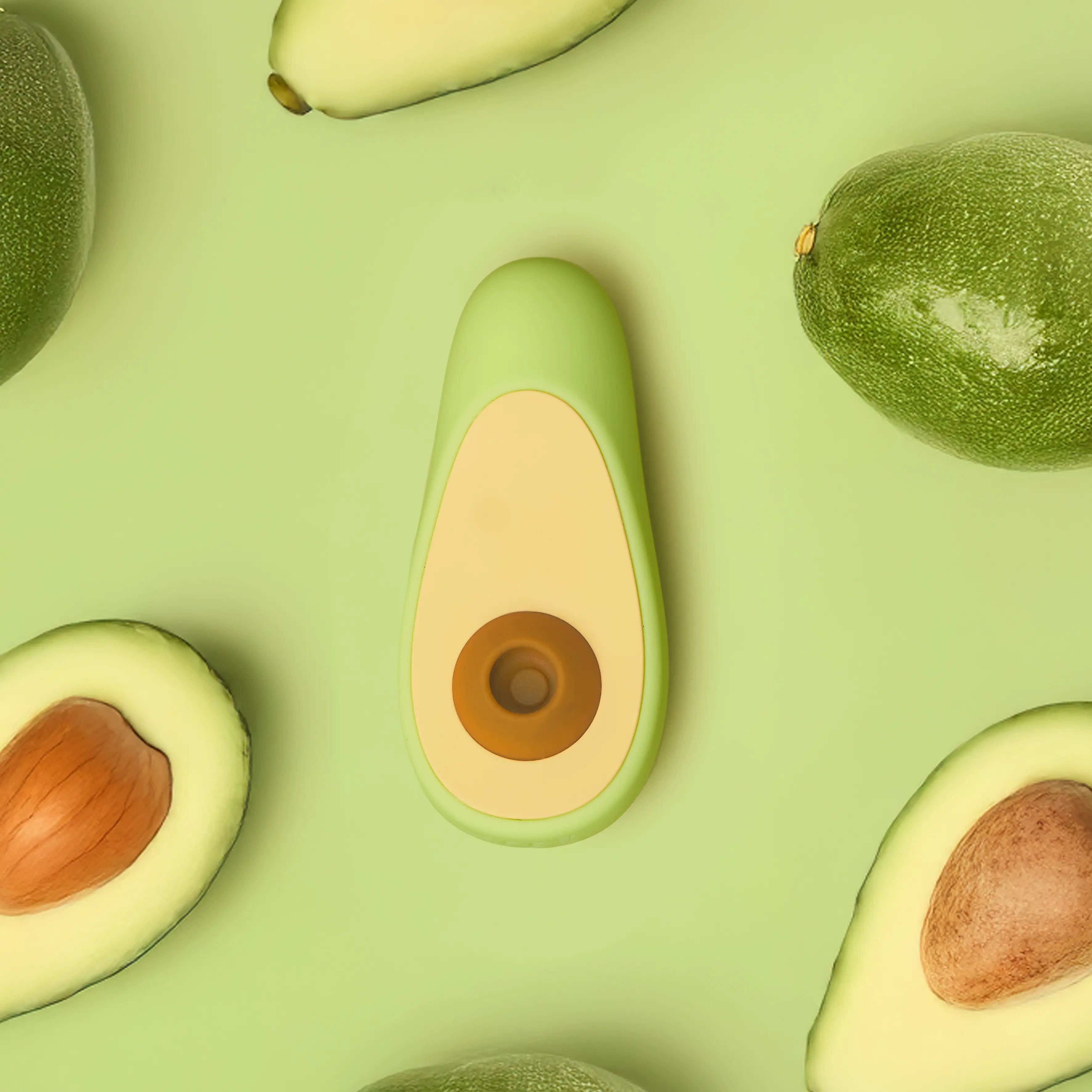
The Avo is soft, intuitive, and designed with real bodies in mind. No learning curve required. Just you, a bit of curiosity, and zero pressure to perform for anyone.
Practical Ways to Come Back to Yourself (That Actually Work)
Reconnection doesn't happen in grand gestures. It happens in the small, repeatable moments you build into your ordinary days.
Start with sensation. Not meaning. Not analysis. Before you reach for your phone in the morning, take three breaths and notice what your body actually feels like. Heavy? Light? Tight across the chest? None of these feelings need to be fixed immediately. Just notice. That noticing is the beginning of ownership.
Movement matters too, but not the punishing kind. Walking, dancing badly in your kitchen, stretching until something releases. The goal is to feel your body working with you, not to optimize it for someone else's approval. When you move purely for sensation rather than aesthetics, you start to understand what your body actually enjoys. That's data. Good data.
Setting limits is another piece of this that people underestimate. Saying no to something that doesn't feel right. Saying yes slowly to something that does. Not because a book told you to, but because you've started listening to the signal your body sends before your brain overrides it. That signal is your intuition. It's been there longer than your anxiety has.
If you and a partner are navigating this together, exploring couples toys can open up conversations about desire and boundaries in a way that feels playful rather than heavy. Communication doesn't have to be a serious sit-down. Sometimes it starts with curiosity.
When You Stop Performing and Start Being
There's a version of you that isn't performing.
That version doesn't monitor their face while they're feeling things. Doesn't rehearse their needs before voicing them. Doesn't mentally leave their body during moments that are supposed to feel good. That version exists. It's not a future self you have to earn. It's the one underneath all the conditioning that told you your instincts were wrong or inconvenient or too much.
Owning your body and mind is how you get back to that person. Not with a total life overhaul. With one honest choice at a time. A boundary held gently but firmly. A moment of pleasure not immediately minimized. A thought questioned rather than obeyed. Slow, steady, and genuinely yours.
If you're on this journey and exploring intimacy as part of it, some of the most beautifully designed vibrators for women are built specifically with body-forward pleasure in mind. That's not a distraction from self-ownership. For many people, it's one of the most direct paths toward it.
Healing the Narrative You Inherited
Most of us didn't choose the story we got about our bodies. We inherited it.
Some of us grew up in families where bodies were sources of shame or scrutiny. Some of us absorbed years of media that said our bodies needed correcting before they deserved to take up space. Some of us experienced things that made our own skin feel unsafe. If any of that resonates, the work of owning your body starts with recognizing that the narrative you're living in was never originally yours to begin with.
This is tender territory. If reclaiming intimacy after difficult experiences is part of your path, take it at a pace that feels genuinely safe for you. Reconnection isn't a deadline. It's a direction.
The goal isn't perfection. The goal is honesty. Honest about what you feel. Honest about what you need. Honest about the gap between those two things and what it would take to close it.
Bottom Line
You were born in a body that was always yours. The path back to it isn't complicated. It's just quieter than everything else competing for your attention.
Start listening. That's the whole instruction.
And if you need support along the way, in whatever form that takes, you deserve to have it without guilt, without explanation, and without making yourself smaller to make someone else comfortable.
You're allowed to take up space. In every room. In every relationship. In your own skin.
Want to make your journey even more exciting? I've handpicked some amazing toys and goodies at Hello Nancy that'll add extra sparkle to your intimate moments. (Here's a little secret. Use dirtytalk for 10% off!)
Frequently Asked Questions
What does it mean to own your body and mind?
Owning your body and mind means trusting your own physical sensations, setting limits that reflect your real feelings, and developing awareness of your internal thoughts without being controlled by them. It's about closing the gap between who you are and how you actually live day to day.
How do I reconnect with my body after feeling disconnected?
Start small. Body scans, intentional breathing, and movement done purely for sensation rather than performance are accessible starting points. The goal isn't to feel everything at once. It's to build a habit of noticing what's already there.
Is there a connection between body image and sexual pleasure?
Yes, and research backs this up. Studies show that body appreciation, meaning how warmly you regard your own body, positively predicts sexual pleasure. The relationship is bidirectional, so experiencing genuine pleasure also tends to improve body image over time.
How does the mind-body connection affect intimacy?
When you're disconnected from your body, intimacy often becomes a performance rather than an experience. You might physically be present while mentally narrating, judging, or completely checked out. Strengthening your mind-body awareness helps you stay present during intimate moments instead of watching yourself from the outside.
Can solo pleasure help me reconnect with my body?
Absolutely. Solo exploration is one of the most direct, low-pressure ways to learn what your body actually enjoys without the added layer of another person's expectations. It builds body literacy and self-trust at your own pace, on your own terms.
What is interoceptive awareness and why does it matter?
Interoceptive awareness is your ability to notice and interpret signals from inside your body, like hunger, tension, heartbeat, or emotional sensations. Research identifies it as a central pillar of a healthy mind-body connection. The stronger this awareness, the better you understand your own needs before they become crises.
How do I stop performing during sex and actually feel present?
Practice noticing thoughts without acting on them. When your brain starts running its commentary mid-experience, acknowledge the thought and redirect your attention back to physical sensation. This takes practice. It's essentially mindfulness applied to intimacy, and it genuinely works over time.
How does body ownership relate to setting healthy limits?
When you're tuned into your body's signals, limits become clearer. You feel the "no" before your brain talks you out of it. Body ownership means honoring that signal instead of overriding it to keep the peace or avoid conflict.
Can therapy help with reconnecting to my body and mind?
Yes. Somatic therapies, EMDR, and trauma-informed approaches specifically work with the body, not just the mind. If disconnection is deep-rooted or linked to past experiences, working with a therapist trained in body-based approaches can be genuinely transformative.