Add RM49.92 MYR to get Free Gift



Most of us were never actually taught how to feel at home in our own bodies. We were taught to critique them, cover them, compare them, and occasionally apologize for them. That's a lot of weight to carry around.
And here's the uncomfortable truth: it never fully goes away on its own.
According to a survey of 2,000 Americans, the average person feels insecure about their body five times a day. That's five moments every single day where your brain breaks away from the present and whispers something unkind. Multiply that by 365 days, and you start to understand why so many of us feel utterly exhausted by our own reflection. But feeling comfortable in your skin isn't about reaching some mythical state of loving every inch of yourself unconditionally. It's something quieter and, honestly, much more achievable than that.
It starts with a different question.
Why "Love Your Body" Advice Keeps Failing You

The body positivity movement had noble intentions. Genuinely. But somewhere along the way, "love your body" became another performance. Another standard to meet. If you weren't glowing with self-love by Thursday, were you even trying?
That pressure backfires, and research backs this up.
A 2025 study published in Scientific Reports (Lipińska, A., 2025) found that body neutrality. the practice of appreciating what your body does rather than how it looks. showed stronger links to healthy self-esteem and mindfulness than the "love yourself!" approach. Body neutrality isn't about forcing joy. It's about releasing the need for a verdict on your own appearance altogether. Think of it less like cheerleading and more like a ceasefire.
You don't have to love your thighs today. You just have to stop declaring war on them.
The Mirror Is Not the Enemy (But It's Not Your BFF Either)
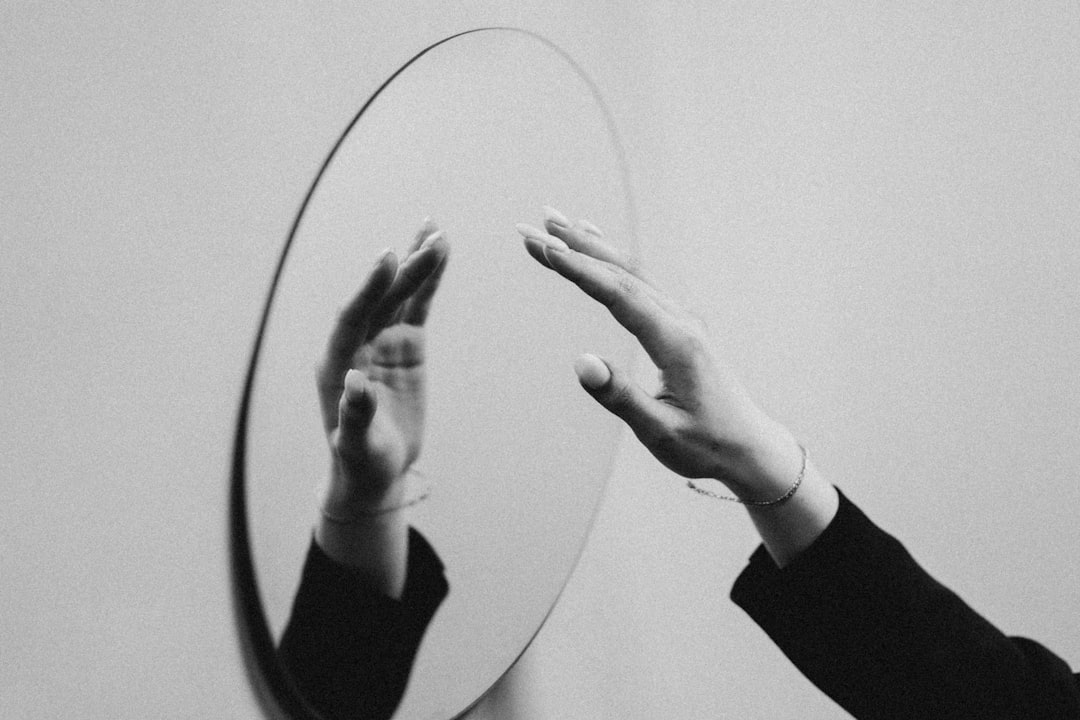
Here's what actually happens when you spend too much time mirror-checking: your brain starts to treat your reflection like a problem to solve. Psychologists call it "body checking," and when done compulsively, it intensifies dissatisfaction rather than resolving it. You zoom into flaws the way a camera zooms into a crack in the ceiling. The crack was always there. The zoom is the issue.
Try this instead.
Limit your check-ins to intentional moments. Getting dressed in the morning? Sure, use the mirror. Stopping mid-conversation to inspect your jawline in a shop window? That's the habit worth breaking. The goal isn't to avoid mirrors entirely. It's to stop using them as the primary source of your daily self-assessment.
Your body deserves to be felt, not just viewed. ✨
Skin Deep: How Physical Comfort Shapes Emotional Confidence
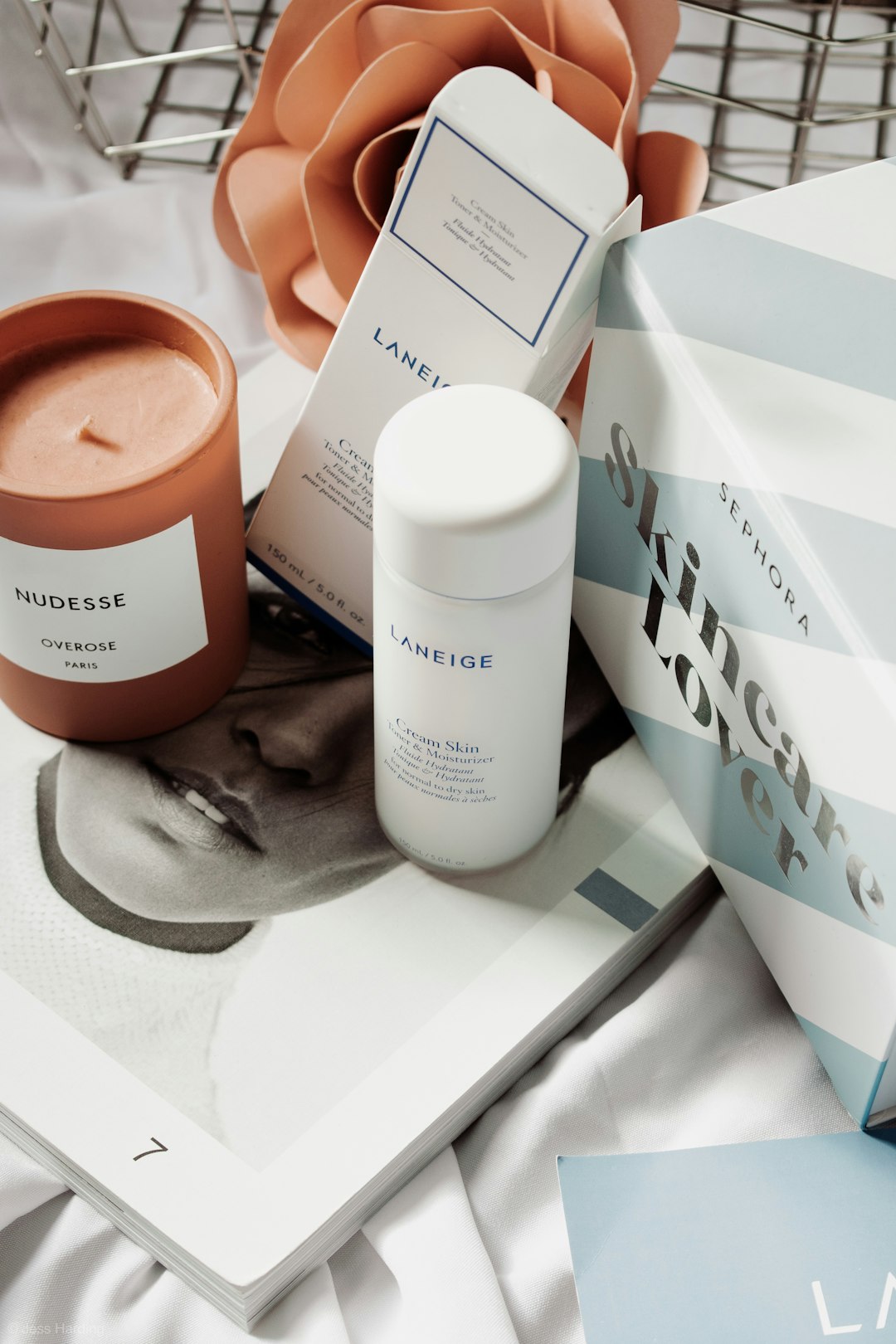
Naked confidence isn't only psychological. The way your body physically feels day-to-day shapes how willing you are to inhabit it fully. When you're uncomfortable. bloated, itchy, tight, exhausted. it's incredibly hard to feel at ease in your own skin. Not because you're vain, but because your nervous system is busy managing discomfort instead of relaxing into presence.
Sensory rituals matter more than we give them credit for.
Things like slow skincare, body oiling, comfortable clothing that actually fits, and intentional movement (not punishing exercise, just moving in ways that feel good) all send your body a very specific signal: "You're safe. I've got you." This isn't self-indulgence. This is the foundational work that body confidence is actually built on, not inspirational quotes plastered on a bathroom mirror. Small rituals of physical care teach your body, over time, that it's worth caring for.
And once your body starts to believe that? Everything shifts.
The Intimacy Factor: Feeling Confident When the Lights Are On

Let's be honest about the moment when body discomfort hits hardest: it's when someone else is looking at you. Vulnerability in intimacy can feel completely terrifying when you don't feel at home in your own body first.
This is where naked confidence becomes genuinely life-changing.
When you've done the slow internal work of making peace with your body. not loving it perfectly, just tolerating it with kindness. intimacy stops being a performance review. You stop narrating your appearance in your head while someone else is right there with you. You start actually feeling things instead of monitoring them. If you're exploring this kind of embodied intimacy and want to deepen your own sensory self-awareness, pairing that inner work with intentional pleasure tools can be genuinely helpful. Clitoral vibrators designed for solo exploration, for instance, are powerful tools for reconnecting with your body on your own terms, at your own pace, with zero judgment.
The Berri edging clitoral massager is a beautiful example of that: gentle enough for beginners, interesting enough to hold your attention, and all about your experience.

Stop Waiting for the Body You'll Be Confident In
"I'll feel confident when I lose the weight." "I'll wear that when my skin clears up." "I'll be okay once I look different."
We've all said a version of this. It's one of the most quietly devastating habits humans have. Because the finish line keeps moving. There's always one more thing to fix before you're allowed to feel okay.
Naked confidence requires you to pull the plug on the "when" game entirely. Not because your body is perfect right now (nobody's is), but because waiting for perfection is the actual thief. It steals the present. The dinner out, the beach trip, the intimate afternoon, the casual comfort of your own kitchen in your underwear making coffee. Those moments are your actual life. They shouldn't be on hold.
Start small. Wear the thing. Go to the thing. Be in the room.
Movement as a Return, Not a Punishment

Exercise culture has a lot to answer for when it comes to body image. For decades, movement was sold almost exclusively as a tool for changing how you look. Burn it. Shrink it. Fix it. That framing does real damage to the relationship between you and your body.
What if movement was just about how your body feels instead?
Dancing in your kitchen counts. A slow walk that goes nowhere in particular counts. Stretching on your bedroom floor while you watch something ridiculous on your phone absolutely counts. When you move for the sensory pleasure of it rather than for aesthetic outcome, something quietly radical happens: your body starts to feel like yours again. Not a project. Not a before photo. Just a living thing that wants to move and feel good.
This is one of the most underrated pathways to genuine body confidence, and it costs absolutely nothing.
Language Is Everything: How You Talk About Your Body Matters
You probably wouldn't talk to a friend the way you talk to yourself about your body. Take a second and really sit with that.
The internal monologue most of us run about our appearance is genuinely brutal. "Ugh, my stomach." "I hate my arms in this." "Why do I look like that?" Repeated thousands of times, that language rewires how your nervous system interprets being in your own body. It stops feeling like home. It starts feeling like a criticism waiting to happen. If you want to explore how language, vulnerability, and emotional safety intersect in intimate contexts, the piece on unlocking the ultimate sensual experience gets into this beautifully.
You don't have to switch to relentless positivity. That feels fake, and your brain knows it's fake. Try neutral language instead. "This is my stomach" rather than "I hate my stomach." It sounds tiny. The shift in your body when you practice it consistently is not tiny at all.
Connection Over Comparison

Social comparison is wired into us. Your brain is literally designed to scan your environment and locate yourself relative to others. For most of human history, that served a survival function. In 2025, it mostly just means you spiral on Instagram for 40 minutes and feel terrible.
The antidote isn't to stop caring what other people think. It's to care more about actual connection than about how you appear within it.
People who report the highest levels of body confidence aren't people who looked in the mirror and saw perfection. They're people who were seen by others. really seen, imperfections included. and still felt accepted. That kind of connection. whether it's with a trusted partner, a close friend, or even a therapist who makes you feel genuinely safe. is what rewires your baseline sense of safety in your own body faster than any skincare routine or motivational speech. Building those connections, and building the confidence to let yourself be seen in intimate spaces with a partner, is where the real transformation tends to happen.
Wrapping Up: The Body You Have Is Already Enough
Naked confidence isn't a destination you reach after losing 10 pounds or clearing your skin or finally finding the right lighting. It's a practice. A daily, imperfect, sometimes frustrating practice of choosing to be present in the body you have right now.
Some days that feels easy. Other days it takes everything you've got.
But every time you choose presence over avoidance, every time you move your body for joy instead of punishment, every time you swap a cruel thought for a neutral one, you're building something real. Something that doesn't depend on the scale or the mirror or anybody else's approval. That kind of confidence is yours to keep, and it gets stronger every time you practice it.
You don't have to love every inch. You just have to stop abandoning yourself.
Want to make your journey even more exciting? I've handpicked some amazing toys and goodies at Hello Nancy that'll add extra sparkle to your intimate moments. (Here's a little secret. use 'dirtytalk' for 10% off!)
Frequently Asked Questions
How do I feel more comfortable being naked around my partner?
Start by building physical ease on your own terms first. Solo rituals like body oiling, mindful movement, or sensory exploration help your nervous system associate your body with safety and pleasure rather than judgment. When you feel more present in your body alone, being seen by a partner becomes less about performance and more about genuine connection.
What is the difference between body positivity and body neutrality?
Body positivity encourages you to actively love and celebrate your body. Body neutrality takes a softer approach: it asks you to appreciate what your body does rather than how it looks, without requiring positive feelings. Many people find body neutrality more sustainable because it removes the pressure to perform self-love every single day.
Why do I feel so uncomfortable in my own skin during sex?
This is incredibly common and usually comes down to a phenomenon called "spectatoring". where your mind leaves your body and watches from the outside rather than feeling from the inside. It's a sign that your nervous system hasn't fully registered intimacy as a safe zone yet. Slowing down, staying present through breath, and building solo body awareness over time can make a real difference.
Can body confidence actually be built, or is it just something you're born with?
Absolutely built, not inherited. Body confidence is a skill, and like any skill, it responds to practice. Small consistent habits such as neutral self-talk, joyful movement, limiting comparison triggers, and allowing yourself to be seen. compound over time into a genuinely different relationship with your own body.
How does social media affect body image and confidence?
Social media amplifies our natural tendency to compare ourselves to others, flooding our brains with filtered, curated images that the brain can't easily distinguish from "normal." Research consistently links heavy social media use to higher rates of body dissatisfaction, especially among younger adults. Auditing who you follow. and actively choosing accounts that show real, unedited bodies. is a practical first step.
What does it mean to feel comfortable in your own skin?
Feeling comfortable in your own skin means inhabiting your body with ease rather than constant self-monitoring or judgment. It doesn't mean loving everything about your appearance. It means being present in your body, moving through the world without constant self-consciousness, and feeling fundamentally safe and at home in yourself.
Are there exercises specifically for building body confidence?
Yes, and they're more about mindset than physical training. Mirror exposure therapy (brief, intentional, non-critical mirror time) has research support. Somatic practices like yoga, dance, or mindful walking rebuild the mind-body connection. Journaling about what your body has done for you today, rather than what it looks like, is another effective and underrated practice.
How can I stop comparing my body to other people's bodies?
Comparison is a cognitive habit, which means it can be interrupted and redirected. When you catch yourself comparing, gently name it: "There's the comparison brain again." Then redirect attention to how your body feels right now rather than how it looks relative to someone else. Over time, this interruption practice genuinely weakens the habit loop.