Add RM49.92 MYR to get Free Gift


The massage was good. Then the energy shifted. And suddenly neither of you knew quite what to do with that.
That in-between moment, when relaxation tips into desire, is one of the most charged and least talked-about spaces in intimacy. Most of us just wing it, and it either clicks beautifully or falls completely flat. This guide is about making it click on purpose.
Why the Massage-to-Sex Transition Actually Matters
Touch is the body's first language. Way before words, before eye contact, before any kind of verbal flirting, there was skin meeting skin.
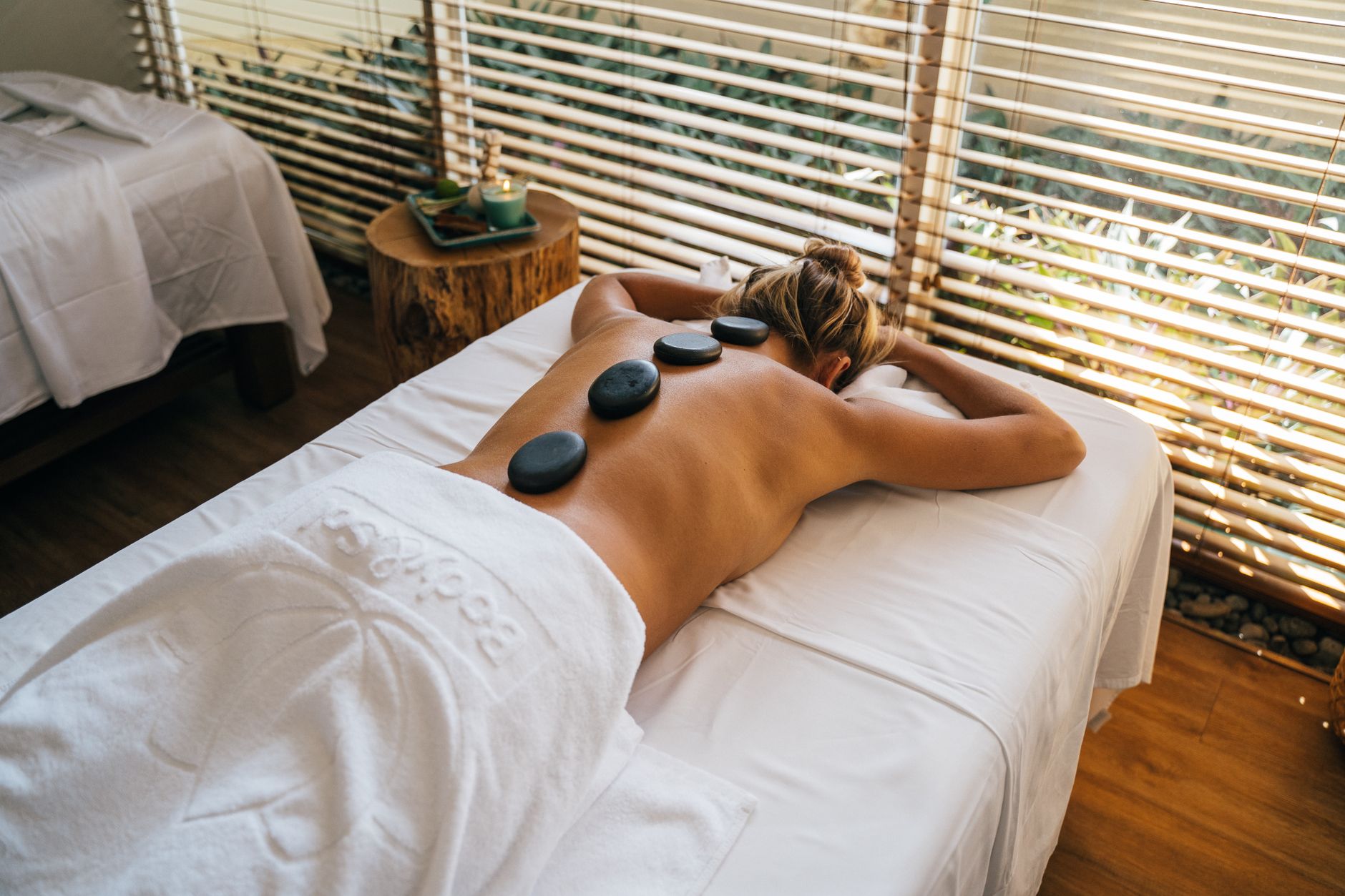
A massage activates the parasympathetic nervous system, lowering cortisol and flooding the body with oxytocin. That's the bonding hormone, the one that makes you feel safe, seen, and connected. You're essentially hacking the body's trust circuitry, and that creates a phenomenal foundation for sexual intimacy. What makes the transition so awkward for most people isn't the desire itself. It's the lack of a roadmap for how to move from relaxation mode into erotic mode without someone feeling blindsided or uncertain.
The answer isn't some choreographed sequence.
It's awareness, communication, and reading the room in real time.
Setting the Stage Before You Even Uncap the Bottle
Here's something that changes everything: how you frame the massage before it starts.
If one partner offers a massage with secret hopes it'll escalate, but says nothing, you've already built tension of the wrong kind. A simple, honest framing does the work instead. Something like, "I'd love to give you a proper massage tonight. No expectations, but I'm absolutely open to wherever the evening goes" lands completely differently than silence followed by escalating touch. That one sentence opens a door without pressuring anyone to walk through it. Your partner can relax fully because they know the parameters, and paradoxically, that relaxation is what makes desire more likely to emerge naturally.
Lighting matters more than people think.
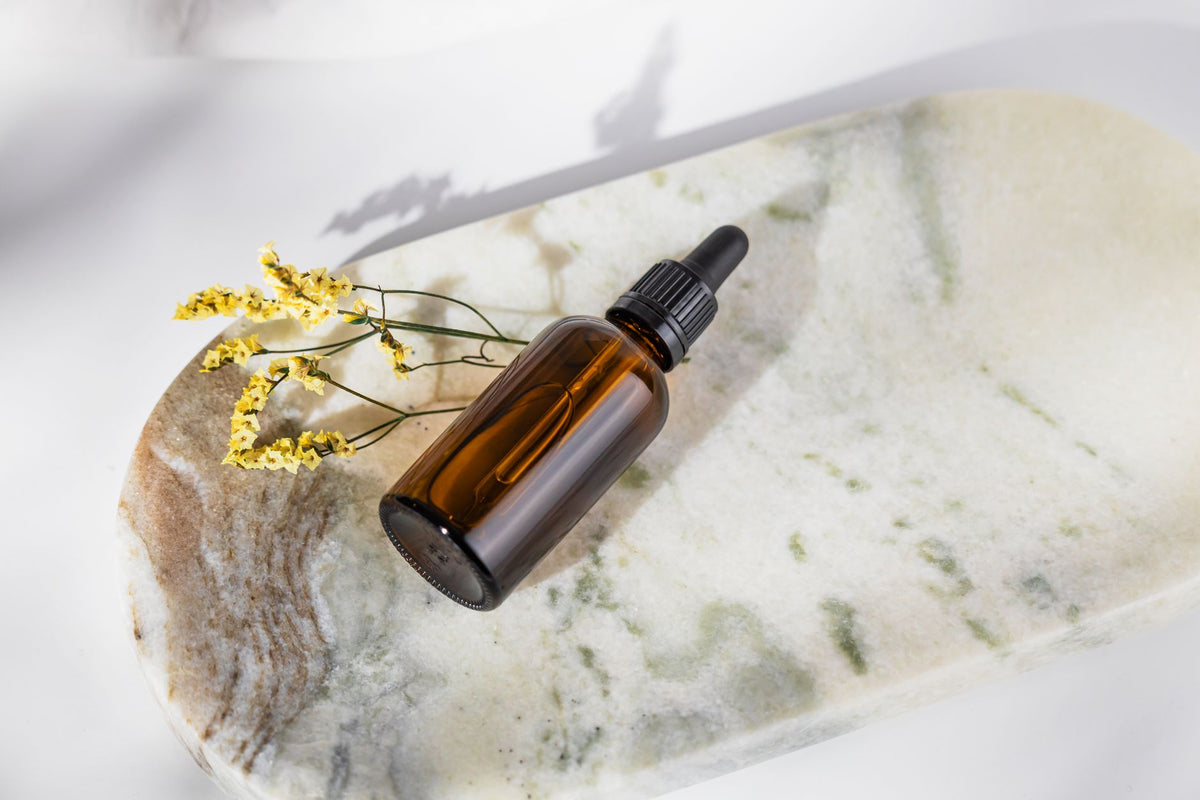
Dim, warm light is physiologically calming and visually flattering. It tells the nervous system that this is a safe, intimate space. Scent is similarly powerful: sandalwood, ylang-ylang, and jasmine have genuine associations with arousal and sensuality, while lavender is deeply relaxing. Pick your intention before you pick your oil.
How to Read the Signals During the Massage

Your partner's body will tell you almost everything, if you're paying attention.
Deepened breathing, small sounds of pleasure, muscles that stop tensing and begin melting, these are the green lights. A body that leans into your hands rather than lying still and politely enduring the experience is a body that's enjoying itself. Meanwhile, watch for the opposite: held breath, subtle pulling away, muscles that stay rigid. Those aren't red flags about desire. They might just mean this person isn't relaxed enough yet, or that the pressure is off, or that they need more time before the dynamic shifts.
Check in verbally, and make it light.
"Does this feel good?" or "More pressure or less?" keeps the communication open without killing the mood. The goal is a conversation happening through both touch and words simultaneously.
The Actual Transition: Slow, Intentional, and Mutual
The transition from therapeutic touch to erotic touch isn't a switch. It's a gradient.
Begin to slow your strokes down even further. Let your hands linger. Move toward the inner thighs, the lower back, the sides of the torso. These are areas with high nerve density that sit right at the edge between relaxation and arousal. Notice whether your partner's body moves toward or away from your hands as you do this. If they move toward you, or their breathing deepens, or they make eye contact, that's your cue to ask. A quiet "is it okay if I keep going?" or "I'd love to touch you more if you want" is all it takes. Consent doesn't have to be clinical. It can be whispered and warm and incredibly sexy.
Don't rush the middle.
The space between massage and sex is its own kind of intimacy, and it deserves to be lived in, not leapt over. Kisses along the spine, slow strokes along the hip, gentle caresses that communicate care rather than urgency. These moments build arousal in a way that goes deeper than mechanical stimulation because they carry emotional weight.
The Compatibility Question: What to Know About Your Massage Oil
This is where a lot of people get tripped up, and it's genuinely important.
Most massage oils are oil-based, and oil-based products degrade latex condoms. A 2014 study published in Contraception found that oil exposure can reduce condom strength by over 90% within 60 seconds (Voeller et al., 1989). If you're using latex protection, you'll want to wipe the area clean and switch to a water-based lubricant before penetration. Oil-based massage oils are also not compatible with silicone sex toys. Oil can break down the silicone surface over time, creating micro-tears where bacteria can hide. If you plan to incorporate clitoral vibrators or any other silicone toys into your post-massage playtime, set aside a warm, damp towel beforehand so you can clean up easily before they come out.
Natural alternatives can simplify this.
Coconut oil and sweet almond oil are popular massage bases. They're skin-safe, smell wonderful, and feel luxurious. But they carry the same latex-condom incompatibility. The cleanest workaround? Keep a dedicated massage oil for skin-only play and a separate water-based lubricant ready for anything involving toys or protection.
Building a Post-Massage Pleasure Ritual That Actually Works
The best intimate rituals aren't spontaneous. They're intentional, and then they feel effortless.
Think of the massage as the opening act. You've set the temperature of the room, literally and emotionally. What comes next should honor that energy rather than jolt it. Keep touch present. Keep communication easy. Move into vibrators for women or other bedroom toys if that feels right, or stay entirely in the sensory world of hands and skin. Both are valid. If you're exploring couples toys together, a post-massage session is genuinely one of the best contexts for introducing them because both partners are already relaxed, connected, and tuned into each other's responses.
For clitoral stimulation specifically, the Berri tapping clitoral massager is a great option here. Its gentle tapping sensation builds beautifully on the body-awareness the massage already created.

Another thing worth mentioning: the massage doesn't have to end in sex. Sometimes the intimacy of being touched carefully and attentively is the experience. Letting that be enough, without treating it as a warm-up that failed to launch, is its own kind of relational skill. Read more about building deeper physical and emotional connection in our piece on habits holding you back from having a good relationship.
Final Thoughts
The bridge between a massage and sex isn't technique. It's presence.
When you're actually paying attention to your partner's body, actually reading what they need and communicating what you want, the transition becomes less of a choreography problem and more of a natural unfolding. You deserve intimacy that feels easy, warm, and genuinely mutual. Your partner does too. The oil is just where it starts.
Want to make your journey even more exciting? I've handpicked some amazing toys and goodies at Hello Nancy that'll add extra sparkle to your intimate moments. (Here's a little secret — use 'dirtytalk' for 10% off!)
Frequently Asked Questions
Can you use massage oil as a sexual lubricant?
You can use massage oil for external skin-to-skin play, but it shouldn't replace a proper lubricant for penetrative sex, especially with condoms. Oil degrades latex, which increases the risk of condom failure. For anything involving latex protection or silicone toys, switch to a water-based lubricant instead.
How do you transition from a massage to sex without it feeling awkward?
The key is slowing down rather than speeding up. Extend your strokes, linger near sensitive areas, and check in verbally with light, low-pressure questions. A simple "I'd love to keep going if you want" is all it takes. Consent and curiosity go hand in hand here.
Is massage oil safe to use with sex toys?
Most massage oils are oil-based and can damage silicone sex toy surfaces over time by creating micro-tears. It's safest to wipe down before introducing any silicone toys and use a water-based lubricant with them instead.
What massage oils are best for sensual massage?
Sweet almond oil, coconut oil, and jojoba oil are popular choices because they're skin-friendly, have a pleasant slip, and absorb relatively slowly. For scent, ylang-ylang, sandalwood, and jasmine essential oils are well-known for their association with sensuality. Always do a small patch test first if you're trying a new scented oil.
Does a sensual massage always have to lead to sex?
Absolutely not. Sensual touch is valuable on its own terms and doesn't require a destination. Some of the most connecting intimate experiences stop at the massage itself. The important thing is that both partners are on the same page about expectations going in.
How do you ask for consent during a sensual massage?
Keep it warm and conversational. Phrases like "Does that feel good?", "Would you like me to keep going?", or "Is it okay if I touch you here?" are natural and don't kill the mood. Consent during intimacy doesn't have to be formal. It can be whispered and easy and deeply sexy.
What scents in massage oil are best for arousal?
Ylang-ylang, jasmine, rose, sandalwood, and clary sage are frequently associated with increased sensuality and relaxation. Scent is deeply personal though, so the best rule is to choose something both partners genuinely enjoy rather than following a prescriptive list.
How long should a sensual massage last before transitioning to sex?
There's no fixed timer, and that's actually the point. Let the body guide you. A minimum of 15 to 20 minutes of genuine, unhurried massage gives the nervous system enough time to relax fully, which makes any transition feel organic rather than rushed.