


 Add RM49.68 MYR to get Free Gift


Somewhere around day twelve, I started to feel like a part-time customer service rep for my own love life. Unread messages. Expired matches. One guy who responded to my first message three weeks later with just "hey."
This is the story of that month.
Why I Decided to Talk to Every Single Bumble Match

I'd been doing what most of us do on dating apps. Swipe. Match. Stare at the notification. Get distracted by literally anything else. Then feel vaguely guilty about it two weeks later when the match expires into digital dust.
It felt hollow.
So I made a rule: for one full month, I would message every single match I got on Bumble. No cherry-picking the cute ones. No skipping someone because their bio was a little sparse. Everyone got a real, thoughtful opening message. I kept a notes app running the whole time to track what happened, and honestly, what I found completely rewired how I think about online dating. It turns out the app itself is only a tiny piece of the puzzle.
The Numbers Were Humbling (But Not in the Way I Expected)
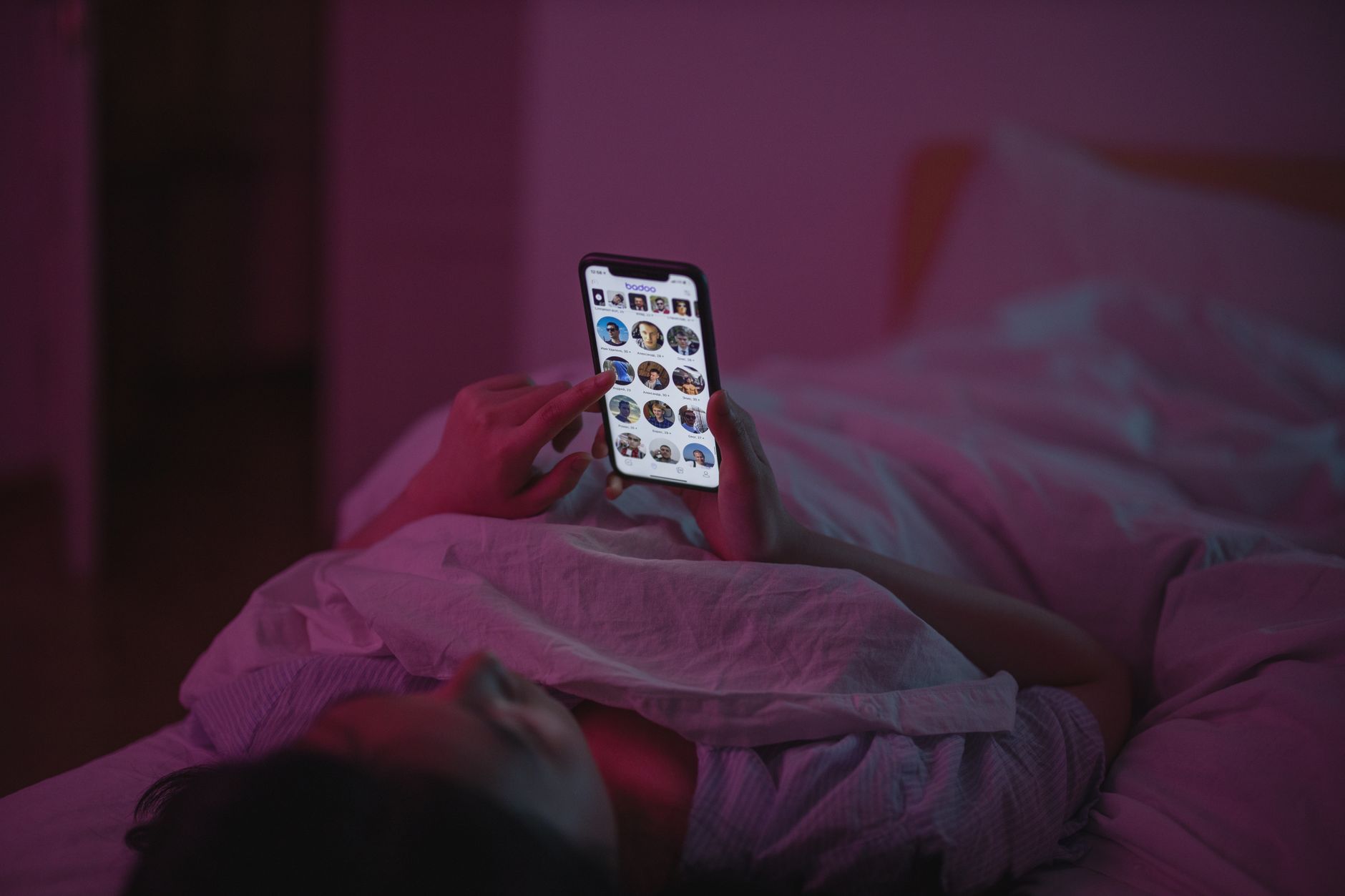
Over thirty days, I matched with 47 people. I messaged all 47 within the first hour of matching. Here's the kicker: only 19 replied at all.
That's roughly 60% silence, right out of the gate.
According to data compiled by Swipestats, about 70% of Bumble matches never progress to actually making plans. That number stopped me cold when I found it, because I had felt like I was doing something wrong. Turns out, I was just experiencing the totally normal, slightly brutal math of modern dating. Knowing that didn't make it sting less. But it did make it feel less personal.
Of my 19 conversations, 11 fizzled within three messages. Four went somewhere interesting. Two turned into actual dates. One of those dates led to a second.
What the Good Conversations Had in Common
The conversations that went somewhere had one thing in common: specificity. Not "hey, how was your weekend" but "I noticed you hiked that trail in your third photo. I've been trying to work up the nerve to do it. Any tips?" That kind of message forced a real answer. It made the other person think. It signaled that I actually looked at their profile instead of just swiping on autopilot.
Generic openers got generic replies, every time.
One match, a ceramics teacher named Jess, told me the most refreshing thing. She said she could tell within two messages whether someone was actually curious about her or just collecting validation. "Most people are just scrolling for dopamine," she said. I've thought about that almost every day since. And honestly? She was right. I had to check myself a few times mid-experiment when I noticed I was messaging people more out of obligation than genuine interest.
The Emotional Weight Nobody Warns You About

By week three, I was exhausted in a way I hadn't anticipated. Not from the conversations themselves. From the emotional labor of showing up for every single one equally.
Dating apps sell the fantasy of abundance. More matches, more options, more chances at connection. But abundance without intention is just noise. I was spreading myself so thin that I wasn't actually present in any one conversation. I was performing interest rather than feeling it.
This is where I had to get honest with myself. There's a real difference between being open and being indiscriminate. Being genuinely open means you give people a fair shot before writing them off. Being indiscriminate means you're people-pleasing into exhaustion. The month taught me to know the difference. If you're also exploring your emotional needs more intentionally, I found reading about the signs you're truly ready to date again helped me understand what I was actually looking for beneath the swiping.
What Bumble's Structure Actually Does to Your Psychology
Bumble's design is intentional in ways most users don't fully register. Women initiating the conversation in heterosexual matches was supposed to change the power dynamic. And it does, to a degree. But it also puts a specific kind of emotional weight on one side of the exchange. When I messaged someone and got nothing back, it felt more pointed than a ghosted swipe. I had put something out there. The silence landed differently.
That said, there's something genuinely clarifying about being the one who makes the first move.
When I reached out first, I felt like the author of my own experience rather than a passive participant waiting to be chosen. Even when it didn't work out, I knew I had tried. That ownership matters more than most dating advice will ever acknowledge. If you're curious about being more active in your own pleasure and self-discovery more broadly, exploring vibrators for women with that same energy of ownership is honestly a great place to start. Your experience deserves that kind of intentionality.
The Two Dates: What Made Them Different
Date one was with someone I almost didn't message. Their profile was sparse. One photo, a job title, a movie reference I didn't recognize. But I messaged them anyway because that was the deal I made with myself.
We talked for six days before we met.
Those six days were slow and thoughtful. No rapid-fire texting to keep the energy up artificially. Just two people asking each other actual questions and letting the answers breathe. By the time we met for coffee, I already knew they hated cilantro, had complicated feelings about their hometown, and had recently picked up bouldering after a rough breakup. The date felt like a third or fourth meeting, not a first. That experience completely changed my thinking on how long to chat before meeting someone.
Date two moved faster. Three days of messages, then dinner. It was fun. It was also clearly not a fit. And that was fine. Sometimes you need the in-person reality check to stop wondering.
What I'd Do Differently (And What I'd Keep)
I wouldn't message every match again. Not because the experiment wasn't valuable, but because I learned something more useful: matched energy is a better filter than quantity.
If someone's profile gives me nothing to respond to genuinely, that's already information.
What I would keep is the commitment to specificity. Every opener I write now references something real from the other person's profile. I'd also keep the practice of not letting a conversation sit for more than two days before either pushing it forward or letting it go. Matches don't age well. They're fruit. You either engage while they're ripe or they turn. Alongside that lesson, exploring intentional solo time helped me feel less dependent on apps for my sense of desirability. Things like hands-free masturbation techniques reminded me that pleasure and presence start with myself, not with a notification.
The Bigger Lesson About Connection in the App Era
Matching with someone is the easiest step.
Actually connecting is where most people quietly give up. Not because they don't want it, but because vulnerability is slow and apps are designed for speed. Every feature pushes you toward the next profile, the next match, the next dopamine hit. Slowing down long enough to write a message that reveals something real about you. That's the countercultural act. That's where the actual chance of something real lives.
If you want to take that energy further with a partner, investing in quality couples toys can deepen physical intimacy the same way honest conversation deepens emotional intimacy. Connection is a full-body experience. For clitoral stimulation that's just as thoughtful, the clitoral vibrators at Hello Nancy are designed with the same care. You deserve both.
Thirty days. Forty-seven matches. Two dates. One second date. And a completely overhauled understanding of what I actually want from this whole thing.
Not bad for a month of being a little brave.
Wrapping Up
If you take nothing else from my very chaotic month-long experiment: the app is not the point. The app is a door. What matters is what you do when you walk through it, whether you show up with curiosity or just with a copy-paste opener you've sent 40 times. Be specific. Be real. And be honest about what you're actually looking for before you expect anyone else to find it with you. ✨
Want to make your journey even more exciting? I've handpicked some amazing toys and goodies at Hello Nancy that'll add extra sparkle to your intimate moments. (Here's a little secret. Use 'dirtytalk' for 10% off!)

The Berri Edging Clitoral Massager is one of those toys that rewards the same slow, intentional energy I learned from this experiment. It's not about rushing. It's about being present. Treat yourself the way you want a partner to treat you.
Frequently Asked Questions
Should you message every match on Bumble or wait to be selective?
Messaging every match is a great experiment to break out of passive habits, but it's not sustainable long-term. A better strategy is to be selective about who you swipe on in the first place, then commit to messaging everyone you do match with while the energy is fresh.
Why do so many Bumble matches not reply even after you message first?
Research suggests around 70% of Bumble matches never progress to a real conversation. People match impulsively and then lose interest, get busy, or feel overwhelmed by their queue. It almost never means something is wrong with your message. Treat non-responses as data, not rejection.
How long should you talk to someone on Bumble before meeting in person?
There's no magic number, but somewhere between five and ten days tends to be enough to build genuine curiosity without letting the conversation go stale. The goal is to feel like you know enough to be excited, not enough to feel like the date is a formality.
What is the best opening message to send on Bumble to actually get a reply?
The best openers reference something specific in the other person's profile. A photo, a hobby, a book they mentioned. This signals genuine attention rather than copy-paste effort. Ask one real question and let them answer. Keep it short and warm, not clever at the expense of being sincere.
Is it normal to feel emotionally drained from using dating apps like Bumble?
Completely normal. Dating apps gamify connection, which means your brain is processing both social hope and social rejection in rapid cycles. Setting session limits, taking regular breaks, and grounding your sense of desirability outside the app all help manage the emotional load.
How do you stop overthinking after getting ghosted on a dating app?
Remind yourself that ghosting almost always reflects the ghoster's avoidance habits, not your worth. Closing the app tab on that match deliberately can help your brain move on. Redirecting your attention to something that makes you feel capable and present, whether a workout, a creative project, or quality solo time, helps reset faster than re-reading the conversation looking for clues.
Does messaging first on Bumble actually improve your chances of getting a date?
Yes, but only when paired with a specific, genuine opener. Sending the first message puts you in control of the conversation's tone and pace, which is a real advantage. A thoughtful first message dramatically outperforms a generic one regardless of who sends it first.
How many Bumble matches is considered normal per month?
It varies widely based on location, profile quality, and how actively you swipe. Some users get a handful per week, others get several per day. The number matters far less than what you do with them. A small number of genuine conversations beats a large number of dead-end matches every time.


