Add RM49.92 MYR to get Free Gift



Something smells off. Literally. If you've ever cracked open a new toy and been hit by a chemical stench that reminds you of a pool toy from 1994, your instincts were right to be alarmed.
The fake sex toy market is bigger and more dangerous than most people realize. Counterfeit and cheaply-made adult products flood online marketplaces every single day, dressed up in slick packaging, promising everything. And your body pays the price.
Let's talk about how to protect yourself.
Why Fake Sex Toys Are Actually a Health Risk

This isn't just about getting ripped off financially, though that stings too. The real danger is chemical. Many counterfeit and low-grade toys are made from jelly rubber, PVC, or mystery plastics that contain phthalates, cadmium, toluene, and phenol. These aren't obscure lab chemicals. They're endocrine disruptors, meaning they mess with your hormones in ways that can affect your reproductive health, metabolism, and immune response over time. Research published in ScienceDirect (2024) found that sex toys have the potential to induce immunotoxicity from usage through the leaching of micro/nanoplastics and phthalates, and that silicone-based polymers like PDMS showed a significantly safer profile by comparison.
Porous materials are the other big villain here.
Unlike body-safe silicone or glass, porous materials have microscopic holes that trap bacteria, even after washing. That means the toy you cleaned last night is still harboring yesterday's bacteria. Recurrent UTIs, yeast infections, and bacterial vaginosis have all been linked to porous toy materials used internally. This is genuinely serious, and it's why knowing how to spot a fake isn't just a shopping tip. It's a health decision.
The Smell Test: Your First Line of Defense
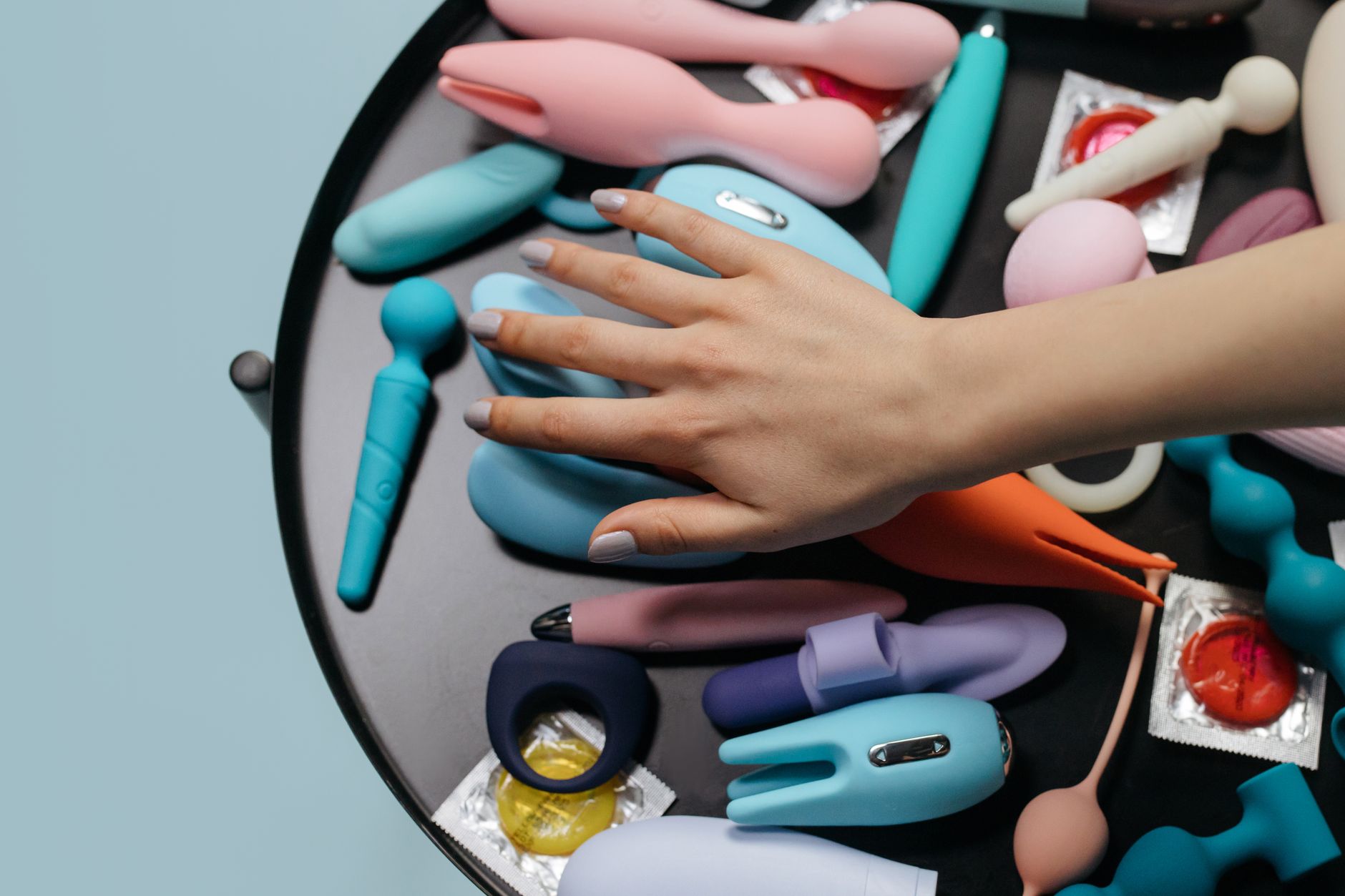
Body-safe toys don't smell like much of anything. A quality medical-grade silicone toy might have the faintest neutral scent when brand new, but nothing strong. Nothing chemical. Nothing that makes you want to open a window.
If your new toy reeks of plastic, rubber, or anything that reminds you of a hardware store, that's a red flag you can't ignore. The off-gassing you're smelling is real. Those volatile compounds are literally floating into the air and, if you use the toy, into your body. Trust your nose on this one. It's smarter than the product listing.
Packaging, Pricing, and the Obvious Tells
Here's what real brands do: they invest in their packaging. Clean typography, consistent branding, clear material labeling, certifications mentioned. Fake products cut every corner, including the box.
Look for misspelled brand names, blurry logos, and packaging that feels thin or cheap in your hands. A real product will clearly state what material it's made from, often with phrases like "100% body-safe silicone" or "medical-grade silicone." If the packaging just says "soft material" or "skin-friendly" without specifics, that vagueness is intentional.
Price is another honest signal. Quality vibrators for women involve real R&D, body-safe materials sourcing, and proper certifications. That costs money. A toy priced at $8 on a random marketplace cannot be made of anything reputable, full stop. If the deal seems too good to be true in the world of intimate toys, it always is.
Material Literacy: Know What You're Buying
Once you understand materials, shopping gets a lot easier. There's a simple split: body-safe and not body-safe.
Body-safe materials include 100% medical-grade silicone, borosilicate glass, stainless steel, and hard ABS plastic. These are non-porous, easy to clean, and won't leach chemicals. Products like the Kalii glass G-spot dildo or the Anii handcrafted glass plug from the Nancy x Biird collection are made from precisely this kind of borosilicate glass. You can even boil them to sterilize. That's the level of material integrity worth investing in.
The materials to avoid are jelly rubber, PVC, latex (for those with allergies), "cyberskin," "UR3," "soft rubber," or anything described vaguely as "TPE blend" without further specifics. Not all TPE is dangerous, but a brand that's confident in its materials will tell you exactly what's in the toy. Opacity here is always suspicious.
Where You Buy Matters More Than You Think
A legit toy from a trustworthy brand, sold by a shady third-party reseller, can still be a counterfeit. Especially on large marketplace platforms where anyone can list anything under a popular brand name.
Always buy directly from the brand's official website or from a reputable, curated retailer. Independent shops and editorial-driven boutiques tend to vet their inventory carefully, precisely because they have a reputation to protect. When you shop somewhere like Hello Nancy, you're not gambling on whether the toy is real or what it's made of. That kind of editorial curation is genuinely valuable.
If you're buying from a marketplace, check seller ratings obsessively, look for "sold and fulfilled by" the actual brand, read the one-star reviews specifically, and be very suspicious of listings that have suspiciously perfect five-star scores with zero critical feedback. Real products get real, nuanced reviews.
The Pinch Test and Other Physical Checks
Once your toy arrives, do a quick physical audit before using it. Press your finger into the silicone and hold it. Real body-safe silicone returns to its original shape quickly and doesn't leave a residue on your finger. Jelly and PVC often feel oily or tacky to the touch, and they may leave a slight film.
Run the toy across a white piece of paper with moderate pressure. Fake porous materials sometimes leave color residue. Real silicone won't. Also check the seams: body-safe toys are manufactured precisely, with clean joins and no rough edges. Cheap counterfeits often have uneven parting lines, flash marks from poor molding, or textures that feel inconsistent. Your hands will tell you a lot if you pay attention.
Certifications to Look For (And What They Actually Mean)
Legitimate manufacturers submit their products to third-party testing. Look for certifications like CE marking in Europe, RoHS compliance (which restricts hazardous substances), and brands that explicitly state their silicone is "medical-grade" or "platinum-cured." Not every great brand shouts these credentials loudly, but they should be findable somewhere, either on the product page, in the FAQ, or in customer service responses.
Be cautious of self-declared certifications that aren't backed by an actual testing body. "Lab tested" with no reference to which lab, or "certified safe" with no further detail, means essentially nothing.
The brands that genuinely invest in safety want you to know about it. Transparency is a feature of ethical companies, not an afterthought.
When in Doubt, Go Clitoral and External
If you're still learning the landscape and not yet confident in vetting internal toys, starting with external clitoral vibrators is a lower-stakes entry point. External toys don't cross mucous membranes, which reduces (though doesn't eliminate) exposure risk. The Nancy range of couples toys and clitoral massagers is a genuinely safe, well-sourced place to start. The Berri edging clitoral massager is made with body-safe materials, and its tapping mechanism is designed for external use, giving you both pleasure and peace of mind.
Your pleasure deserves good ingredients. The same way you'd check a food label before eating something, checking a toy's material list before using it is just basic self-care. You're worth that attention.
Wrapping Up
Fake sex toys aren't just a scam. They're a health risk that the wellness world doesn't talk about loudly enough. But now you know what to look for: the smell, the materials, the packaging, the price point, the seller, and the physical feel in your hands. Each of those signals is real information. Use it.
Buying from brands that are transparent about their materials and sourcing isn't just savvy shopping. It's how you make your pleasure sustainable, your body safe, and your money well spent. And honestly? You deserve both. The good toy and the peace of mind that comes with it.
Want to make your journey even more exciting? I've handpicked some amazing toys and goodies at Hello Nancy that'll add extra sparkle to your intimate moments. (Here's a little secret. Use 'dirtytalk' for 10% off!)
Frequently Asked Questions
How can I tell if a sex toy is made of body-safe silicone?
Real medical-grade silicone is non-porous, odorless when cured, and returns to its original shape instantly after pressure. It should not feel oily or leave a residue on your fingertip. The flame test is also commonly cited: genuine silicone will char to a light grey or white ash, while fake silicone or jelly rubber turns black and sticky.
Are cheap sex toys from online marketplaces dangerous?
They can be. Very low-priced toys are frequently made from jelly rubber, PVC, or unspecified plastics that contain phthalates and other endocrine disruptors. These chemicals can cause irritation, allergic reactions, and with repeated exposure, more serious hormonal disruption. Sticking to reputable retailers and verified brands is the safest approach.
What materials are considered body-safe for sex toys?
The gold standard materials are 100% medical-grade or platinum-cured silicone, borosilicate glass, stainless steel, and hard ABS plastic. These are all non-porous, non-reactive, and easy to sterilize. Avoid jelly rubber, PVC, latex blends, cyberskin, and vaguely labeled "soft material" toys.
Can a counterfeit sex toy cause a UTI or yeast infection?
Yes, this is a documented concern. Porous materials harbor bacteria even after washing, and repeated use of such toys internally can disrupt vaginal pH and introduce bacteria that lead to UTIs, yeast infections, and bacterial vaginosis. Switching to non-porous, body-safe materials eliminates this risk.
How do I spot a fake version of a popular sex toy brand?
Check the packaging carefully for misspelled brand names, blurry logos, or generic descriptions without specific material claims. Buy directly from the brand's official website or a curated retailer rather than anonymous marketplace listings. If the price is dramatically lower than the brand's official price, assume it's not the real product.
What certifications should a body-safe sex toy have?
Look for CE marking (European safety standard), RoHS compliance (restricts hazardous substances in electronics), and explicit claims of medical-grade or platinum-cured silicone backed by a named testing body. General statements like "lab tested" or "certified safe" without specifics are not meaningful certifications.
Is jelly rubber safe to use in sex toys?
No, jelly rubber is generally considered unsafe by sexual health advocates and material scientists. It is porous, harbors bacteria, and is frequently manufactured with phthalates. Even phthalate-free jelly rubber is still porous and therefore difficult to clean safely for internal use.
How do phthalates in sex toys affect the body?
Phthalates are endocrine disruptors, meaning they interfere with hormones like estrogen and testosterone. Research has linked chronic low-level phthalate exposure to reproductive disruption, metabolic effects, and increased inflammatory markers. The mucous membranes of the genitals absorb substances efficiently, making exposure through sex toys particularly direct.
Can I clean a fake or porous sex toy to make it safe?
No. Washing a porous toy with soap and water or toy cleaner reduces surface bacteria but cannot reach the bacteria embedded inside the material itself. There is no sterilization method that makes porous sex toys safe for repeated internal use. The only real solution is to replace them with non-porous, body-safe alternatives.