Add RM49.92 MYR to get Free Gift


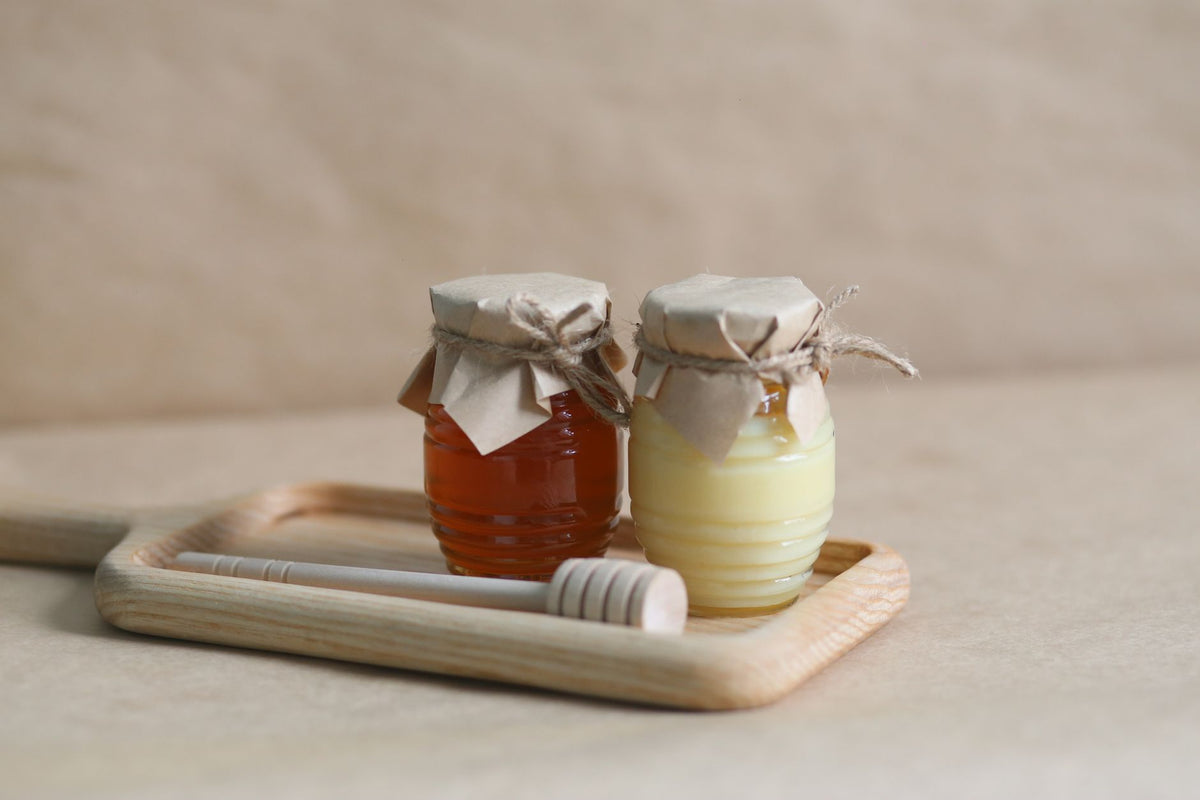
Somebody on the internet sold you a fantasy, and I need to gently but firmly take it back. Honey as lube sounds dreamy on paper — natural, food-grade, golden, and sweet. Reality is considerably less romantic.
Let's talk about what actually happens when sugar meets your most sensitive tissues.
The Sugar Problem Nobody Warns You About
Honey is, at its core, sugar. Around 80% of it, in fact, is a combination of fructose and glucose. That's wonderful in your morning tea. Inside your vagina or on your vulva, though, it's basically a buffet invitation for yeast.
Your vaginal environment is a carefully balanced ecosystem. It stays naturally acidic, hovering around a pH of 3.8 to 4.5, thanks to communities of Lactobacillus bacteria that protect you from infections. Sugar disrupts that balance fast. When you introduce a high-sugar substance like honey, you're essentially throwing a party for Candida albicans — the fungus responsible for yeast infections — and handing it the keys to the venue.
The result? Itching, burning, unusual discharge, and a very unpleasant follow-up conversation with your gynecologist.
What Happens to Your pH (And Why It Matters)
The vaginal microbiome isn't just some abstract wellness buzzword.
Research published in peer-reviewed journals has consistently shown that hyperosmolal substances — things with a much higher concentration of solutes than your body's cells — can damage vaginal epithelial cells and disrupt the Lactobacillus colonies that keep you healthy. Honey is extremely hyperosmolal. That means it actively pulls water out of the cells it touches, leaving tissue compromised and far more vulnerable to bacterial and fungal overgrowth. Bacterial vaginosis, yeast infections, and even increased STI susceptibility are all linked to a disrupted vaginal pH.
This isn't a minor inconvenience. A thrown-off pH can take weeks to fully restore, depending on your body's baseline resilience.
The Stickiness Factor Is Genuinely Terrible
Honey doesn't wash off easily, and that's the whole other catastrophe.
A good lubricant reduces friction for the duration of the experience, then cleans up without leaving residue behind. Honey does the opposite. It stays sticky, trapping bacteria against sensitive tissue, creating micro-environments where things you really don't want to grow can grow beautifully. If you're using clitoral vibrators or any other intimate toy, that stickiness also coats silicone and porous materials with sugar that's nearly impossible to fully sanitize. That can ruin the toy and absolutely will ruin your next session if the residue harbors bacteria.
Plain and simple: stickiness is the opposite of what lube should do.
What About Raw or Manuka Honey? (Still No.)
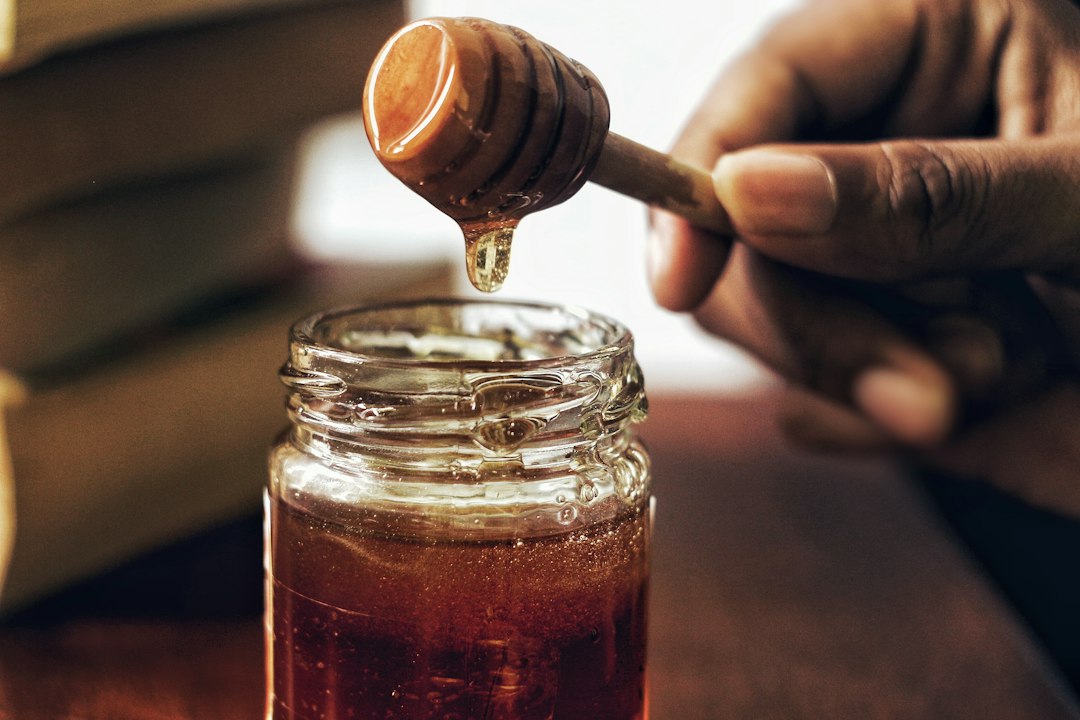
This question comes up constantly. People think that because raw or Manuka honey has antibacterial properties, it somehow sidesteps the infection risk.
Here's the thing. Those antibacterial properties are real — when honey is applied externally to skin wounds, hydrogen peroxide is generated as a byproduct of its enzymatic activity, which does help prevent bacterial colonization in a wound context. But your vaginal canal is not a wound. It's a living, breathing ecosystem with its own protective bacteria, and honey's antimicrobial activity does not discriminate. It can kill off the very Lactobacillus strains your body relies on to stay balanced, while still feeding yeast simultaneously. You'd be taking out your own security team while unlocking the front door for intruders.
Antibacterial is not the same as "safe for internal use." Those are two entirely different things.
The Osmolality Issue Goes Deeper Than You'd Think
Most people have never heard the word osmolality in a sexual health context, and that's genuinely part of the problem. When a substance's osmolality is higher than your body's tissues, it draws moisture out of those tissues at a cellular level. The World Health Organization has flagged this in their lubricant safety guidelines, noting that high-osmolality substances can cause epithelial damage even with brief exposure. Honey's osmolality sits dramatically higher than what vaginal tissue can handle safely. The irritation you'd feel isn't just a mild sting — it's tissue-level stress that creates a window of vulnerability lasting well beyond the moment itself.
One uncomfortable session can ripple into days of discomfort and increased infection risk.
Condom Compatibility: Another Reason to Skip It
If you're using latex or polyisoprene condoms, honey creates another problem entirely.
Oily and sticky food-based substances can degrade condom material, increasing the risk of breakage. While honey isn't oil-based in the traditional sense, its viscosity and sugar content can still compromise the integrity of barrier contraception over time during use. If you rely on condoms for STI prevention or contraception — and you absolutely should if that's your situation — this is not a risk worth taking for the sake of a ~natural aesthetic~.
Your protection matters more than the vibe of the moment.
What Should You Actually Use?
Good news: you have genuinely great options that won't send you to the pharmacy two days later. Water-based lubricants are the gold standard for most people. They're compatible with vibrators for women, safe with condoms, and easy to clean up without leaving residue. Look for formulas that are pH-balanced, free of glycerin, and free of parabens if you're prone to sensitivities. Silicone-based lubes are another excellent choice for external use and penetration, though they're not compatible with silicone toys. If you want something that feels more natural and skin-like, aloe vera-based formulas (from properly processed, intimate-grade sources) have solid evidence behind them.
The world of body-safe lubes is genuinely impressive these days. There's no need to improvise with pantry items.
A Quick Word on DIY Lube Culture
The impulse to reach for natural alternatives is completely understandable. Many commercial products are genuinely full of questionable ingredients, and the desire for something purer and simpler makes total sense. But natural doesn't automatically mean safe for internal use. Coconut oil, olive oil, Vaseline, saliva — these all have documented drawbacks too. The key isn't natural versus synthetic. The key is understanding what your body's tissues actually need: something pH-compatible, isotonic, non-irritating, and easy to clear away.
Your intimate health deserves evidence, not aesthetics.
If you're curious about navigating natural lube options and their actual shelf life, that's a genuinely useful rabbit hole to go down — with real answers instead of wellness myths.
The couples toys you choose deserve a compatible, body-safe lube to match. And if you've been experimenting with what works for solo pleasure, pairing a quality edging vibrator with a water-based formula designed for your body is a genuinely different experience than improvising. Products like the Namii 2, with its dual clitoral suction and vibration, are built to be used with appropriate lubrication — not sticky substances that coat the head and compromise the seal.
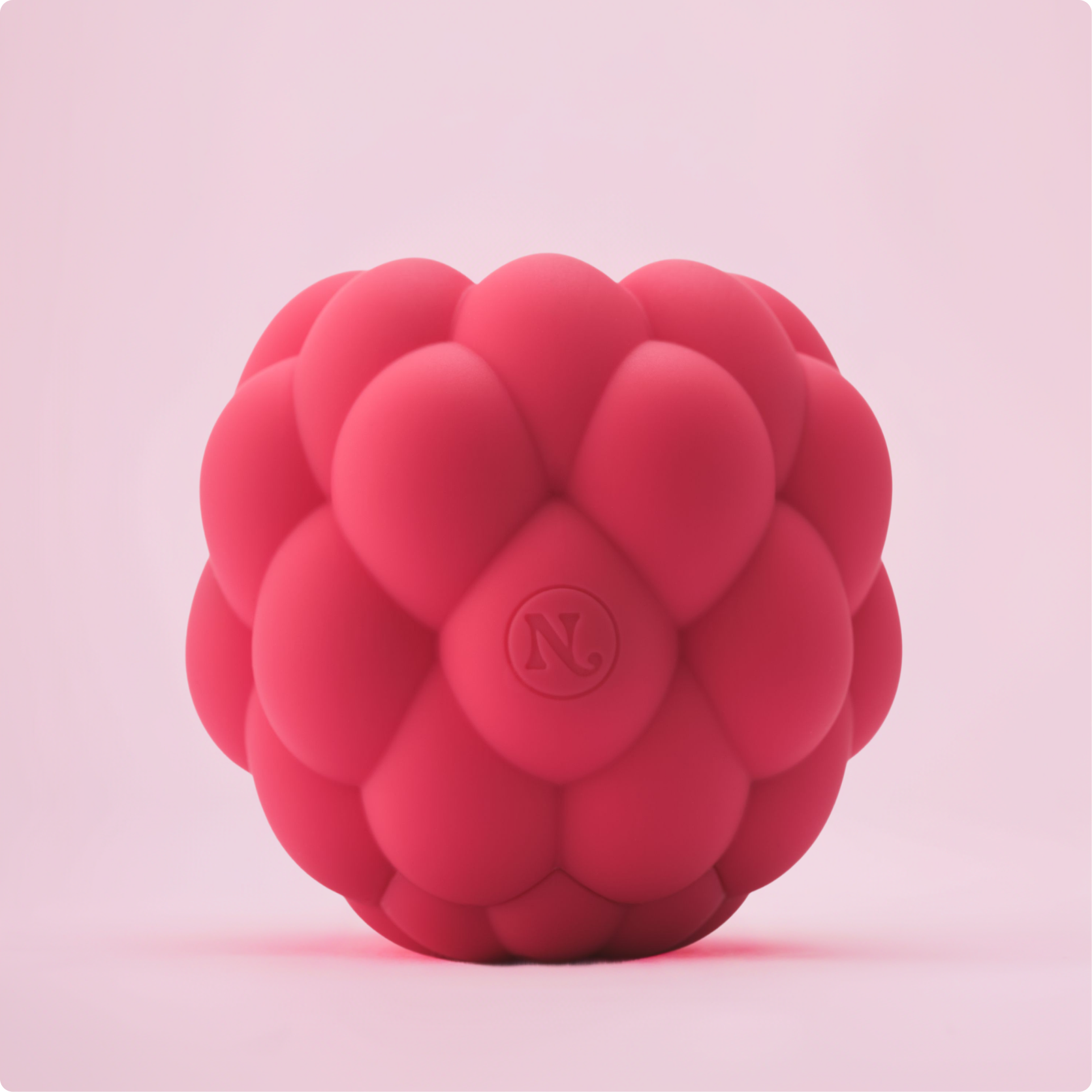
Want to make your journey even more exciting? I've handpicked some amazing toys and goodies at Hello Nancy that'll add extra sparkle to your intimate moments. (Here's a little secret — use 'dirtytalk' for 10% off!)
Frequently Asked Questions
Can honey cause a yeast infection if used as lube?
Yes, very likely. Honey's high sugar content feeds Candida albicans, the fungus responsible for yeast infections. Introducing it into the vaginal environment dramatically increases infection risk, especially if you have any existing pH imbalance.
Is Manuka honey safe to use as a sexual lubricant?
No. Despite its antibacterial properties, Manuka honey can disrupt the beneficial Lactobacillus bacteria in the vagina while still feeding yeast. Its antibacterial action doesn't make it safe for internal intimate use — it actually makes it riskier for your natural flora.
Why is honey bad for vaginal pH balance?
Honey is extremely hyperosmolal, meaning it pulls moisture out of vaginal cells and disrupts the acidic environment your body maintains for protection. This creates conditions where harmful bacteria and yeast can thrive, leading to infections like bacterial vaginosis and yeast infections.
Does honey damage condoms if used as a lubricant?
Honey can compromise the integrity of latex and polyisoprene condoms, increasing the risk of breakage during use. If you rely on condoms for contraception or STI prevention, using honey as a lubricant is not safe practice.
What are the best natural alternatives to honey as lube?
Water-based lubes that are pH-balanced and glycerin-free are the safest and most compatible option for most people. Intimate-grade aloe vera-based formulas are another well-supported choice. Avoid anything food-based, oil-based with latex condoms, or not specifically formulated for intimate use.
Can using honey as lube affect my sex toys?
Yes. Honey's stickiness coats toy surfaces — especially silicone — with sugar residue that's extremely difficult to fully clean. That residue can harbor bacteria between uses, making your toy a source of re-infection even after washing.
What does osmolality mean in the context of sexual lubricants?
Osmolality refers to the concentration of dissolved particles in a substance relative to your body's cells. High-osmolality products like honey draw water out of vaginal and rectal tissue, causing cellular damage. The World Health Organization recommends lubricants with osmolality close to that of human tissue for this reason.
Is it safe to use honey as lube externally, like on the vulva?
External use carries lower (but not zero) risk compared to internal use. Honey can still cause irritation, skin sensitivity, and yeast overgrowth on the vulva — especially if any migrates internally during activity. It's safest to avoid it altogether during sexual activity.