


 Add RM50.40 MYR to get Free Gift


Somewhere between the first "good morning" text and the third shared Netflix queue, your friends started texting less. And you barely noticed.
This is the quiet trade-off almost every new relationship sneaks in. It doesn't announce itself. It just happens, one cancelled brunch at a time, until you look up and realize your best friend feels like a stranger.
Balancing your friendships and your romantic relationship is one of those life skills nobody actually teaches. We get lessons on how to be a good partner, how to communicate, how to fight fair. But somehow, the chapter on "how to keep your people while you fall for someone" got ripped out.
Why Friendships Take the Hit First

Here's what actually happens inside a new relationship: your nervous system floods with dopamine. Your partner becomes the most interesting person in the room, every room. That pull is biological, not a character flaw.
But it costs you something.
Research published in the journal Personal Relationships (Wicks, 2025) studied 439 participants and found that partner opinions of your friends actively shape how much you invest in those friendships. In other words, if your partner subtly rolls their eyes every time you mention your college crew, you'll slowly stop mentioning them. And then stop seeing them. It's not dramatic. It's gradual. It's also incredibly common, and research in Social Forces confirms that people in partnerships tend to consolidate around shared couple friends, letting older individual friendships quietly fade.
The cost only becomes obvious when things get rocky. Suddenly you need your people, and they've grown unfamiliar with who you've become.
The Myth of "They're My Best Friend Too"

So many of us collapse all our emotional needs onto one person and call it love.
Over 80% of married partners consider their spouse their best friend, according to UCLA research on intimate relationships. And honestly? That sounds romantic. It is, partly. But it's also a lot of pressure to put on a single human being, and it quietly sets your other relationships up to wither.
Your partner can be your person and still not be your everything. The friend who watches trashy reality TV with you, the one who knew you before you became who you are now, the one who shows up with wine and zero judgment — those relationships feed parts of you that romantic love simply doesn't reach. They're not competition. They're infrastructure.
Trying to get every need met by one person is a setup for quiet resentment on both ends. Your partner starts feeling smothered, you start feeling lonely even inside the relationship. It's one of those traps that feels like devotion until it doesn't.
What Healthy Balance Actually Looks Like in Practice
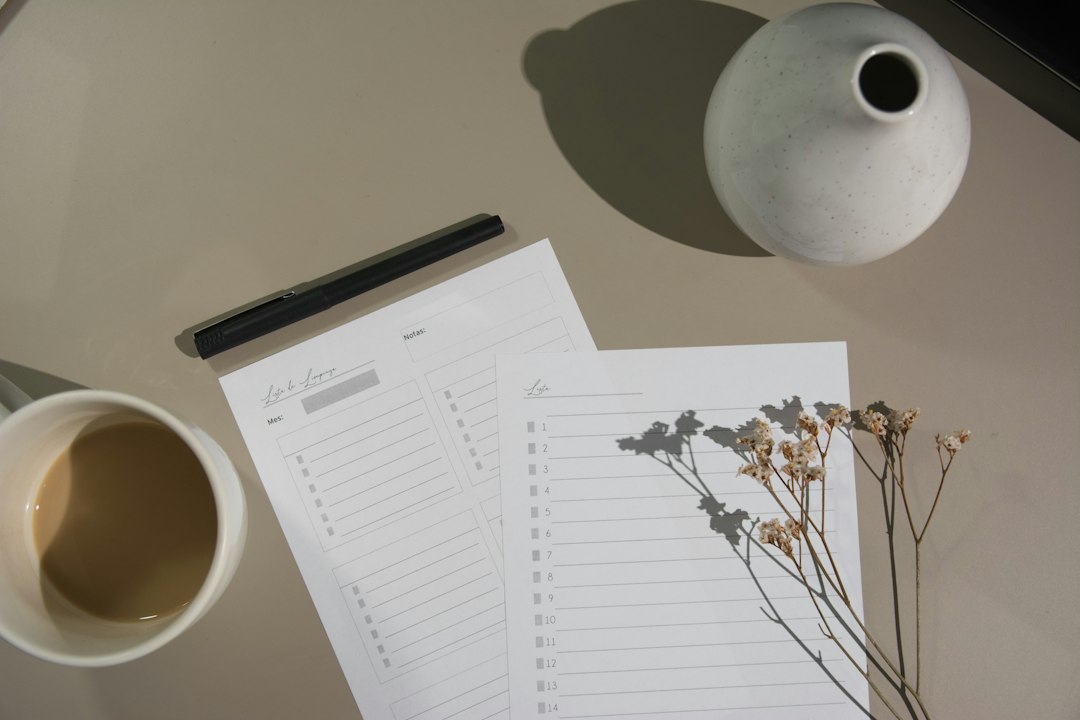
It doesn't require spreadsheets. But it does require intention.
The couples who maintain strong individual friendships tend to share one habit: they treat friend time the same way they treat date night. It's on the calendar. It's protected. It doesn't get bumped every time something shinier comes along.
That means actually scheduling your friend time and not framing it as something you need to "check with your partner" about first. This isn't about independence as a flex. It's about recognizing that your friendships are a legitimate part of your life, not a hobby you get to squeeze in between relationship maintenance. When you show up for your friends consistently, they show up for you. That reciprocity is what makes those relationships survive the long seasons of busy partnership life.
And yes, your partner deserves to know your calendar isn't entirely up for grabs. That conversation is easier than most people think, and way easier than explaining why you have no one to call during a hard week.
The Couple Bubble Problem
This one stings a little.
Some partners, consciously or not, discourage outside friendships. Not with ultimatums, but with sighs. With sulking when you go out. With making every group hangout feel like a negotiation. If that's your dynamic, the balance conversation isn't just about scheduling. It's about something deeper — specifically, whether your relationship has room for you to exist as a whole person inside it.
A relationship that asks you to shrink your social world isn't protecting the partnership. It's limiting you. If you've noticed your partner rushing you past your own needs in other areas too, that's worth paying attention to. Healthy love doesn't require you to disappear. It makes space for you to actually show up — in the relationship, and everywhere else.
How to Bring Your Worlds Together (Without Forcing It)
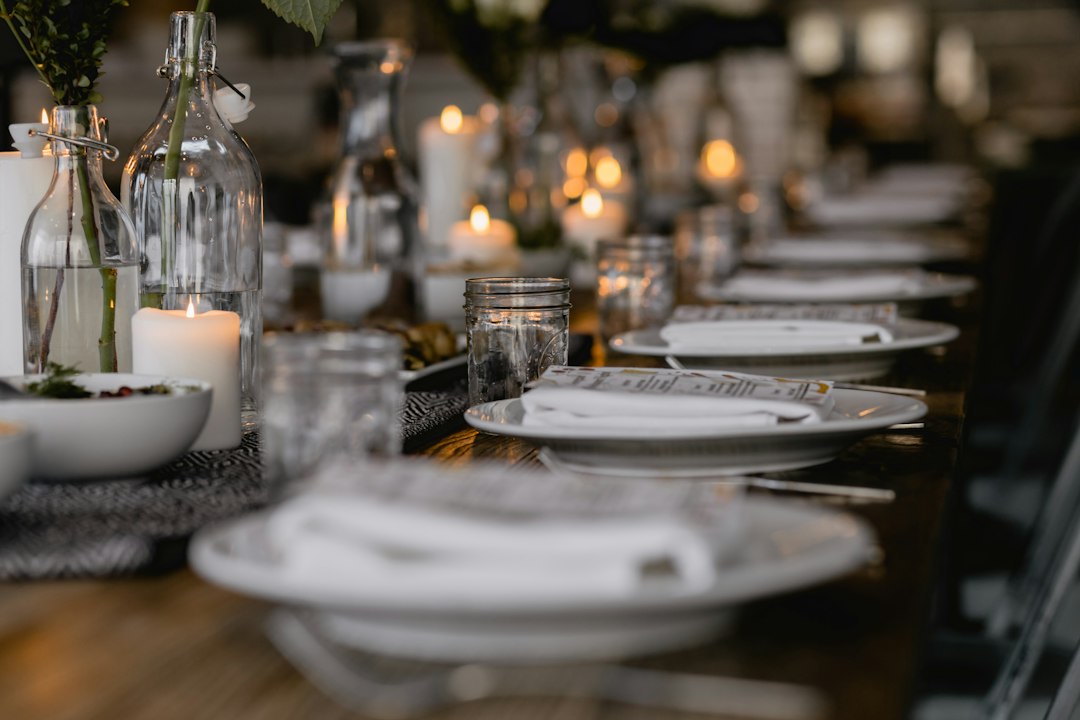
Mixing your friend group and your partner takes patience.
The best approach is low-stakes, low-pressure exposure. A casual dinner. A group activity where nobody has to perform. The goal isn't for your partner to become best friends with your people — that's a lovely bonus, not a requirement. The goal is for everyone to coexist comfortably enough that your separate lives stop feeling like separate planets.
That said, some friendships genuinely aren't meant to mix. The friend who knew you during your chaotic twenties and your partner who represents a newer, calmer chapter of your life don't have to merge. You're allowed to have friends your partner doesn't totally click with. That's normal. What matters is that you're not hiding anyone, and that the boundaries feel chosen rather than forced.
The Art of Showing Up for Everyone (Including Yourself)
You can't pour from an empty schedule.
The people who handle this balance best aren't superhuman. They're just honest about their limits. They say "I need a night with my friends this week" the same way they say "I need a good night's sleep." Not as an apology. Not as a negotiation. As a fact about what they need to function well.
That self-awareness spills into every relationship you have. When you're genuinely nourished by your friendships, you bring a fuller, less depleted version of yourself to your partner. And when your partner does the same — keeping their own friendships alive and healthy — the relationship gains breathing room. Two people with rich, independent lives who actively choose each other? That's the actual goal. Not two people whose entire social existence collapsed into one.
And while you're tending to those emotional landscapes, give yourself permission to tend to your physical one too. Pleasure, intimacy, and self-care aren't separate from wellbeing. Vibrators for women and couples toys can be a fun, low-pressure way to stay connected to your own body and to explore intimacy with a partner. Because a balanced life includes all of you, not just the parts that fit neatly into a schedule.
When Friendships Survive the Relationship, and When They Don't
Some friendships won't make it, and that's not always a failure.
People grow. Friendships evolve. Some of the ones that felt essential in your twenties naturally drift as your life changes shape. That's different from neglect. The question worth asking is: did this friendship fade because we grew in different directions, or because I stopped showing up? One is life happening. The other is something you can still fix.
If you feel that pang of guilt reading this, good. That means the friendship still matters. Reach out today. Not next week. Not "soon." Today. Send the voice note. Make the plan. The friendships worth keeping are the ones that survive even the messiest seasons of your romantic life, and those friendships need you to meet them halfway.
If you're curious about how building deeper intimacy with yourself connects to healthier relationships with everyone around you, that thread is absolutely worth pulling.
Bottom Line
You don't have to choose. But you do have to try.
The most fulfilling version of your life isn't a romantic relationship that swallowed everything else. It's a romantic relationship that sits inside a full, textured life: one with friends who've seen you cry in parking lots, inside jokes nobody else would understand, and nights out that have nothing to do with your partner. That fullness doesn't threaten love. It feeds it. Keep your people. All of them. Including yourself.
Want to make your journey even more exciting? I've handpicked some amazing toys and goodies at Hello Nancy that'll add extra sparkle to your intimate moments. (Here's a little secret — use 'dirtytalk' for 10% off!)
If you're curious about exploring clitoral vibrators that fit seamlessly into solo self-care rituals or partner play, the Berri edging clitoral massager is worth a look. Its tapping sensation is genuinely something else.

Frequently Asked Questions
Is it normal to lose friends when you get into a relationship?
Yes, it's incredibly common. Research consistently shows that people in romantic partnerships spend less time with individual friends and gradually shift toward shared couple friendships. It becomes a problem when it's not intentional. Keeping your existing friendships alive requires deliberate effort, not just good intentions.
How do I balance time between my partner and my friends without feeling guilty?
The guilt usually comes from treating friend time as something optional that needs to be justified. Try reframing it: maintaining friendships is part of being a healthy, balanced person, which makes you a better partner. Schedule friend time in advance, communicate it clearly with your partner, and stop apologizing for it.
My partner gets jealous when I spend time with friends. What should I do?
This is worth taking seriously. Occasional discomfort is human, but consistent jealousy over normal friend time is a red flag worth addressing directly. Have a calm, honest conversation about independence and trust in your relationship. If the jealousy pattern doesn't shift, consider speaking with a couples therapist who can help you both name what's really happening.
Can my partner be my best friend and still have other close friendships?
Absolutely. Calling your partner your best friend is beautiful, but it shouldn't mean they're your only source of emotional support. Different friendships meet different needs. Your partner can be central to your life while other friends still play meaningful, irreplaceable roles.
How do I reconnect with friends I've neglected since being in a relationship?
Start small and be honest. A simple "I've been MIA and I miss you" message goes a long way. Don't over-explain or over-apologize. Propose a specific plan rather than a vague "we should hang out soon." Most real friendships are more resilient than we think, especially when you show up with genuine effort.
What are signs that my relationship is isolating me from friends?
Watch for patterns like: your partner expressing disappointment every time you make plans without them, you feeling anxious about telling your partner you want to see friends, or finding that your social circle has shrunk significantly since the relationship began. Social isolation in relationships is a serious concern and often escalates gradually.
How do I get my partner and friends to get along?
Keep early introductions low-pressure. A casual group activity or relaxed dinner works better than a formal "meet my people" event. Don't force closeness or expect instant bonding. Give everyone time and space, and remember that your partner doesn't need to be your friends' best friend. Mutual respect is the actual goal.
Does having strong friendships make romantic relationships better?
Yes, and research supports this. People with robust social networks outside their romantic relationship tend to bring less emotional burden into the partnership, have better individual wellbeing, and report more relationship satisfaction. Your friendships aren't a threat to your relationship. They're part of what sustains it.


