Add ¥1,938 to get Free Gift


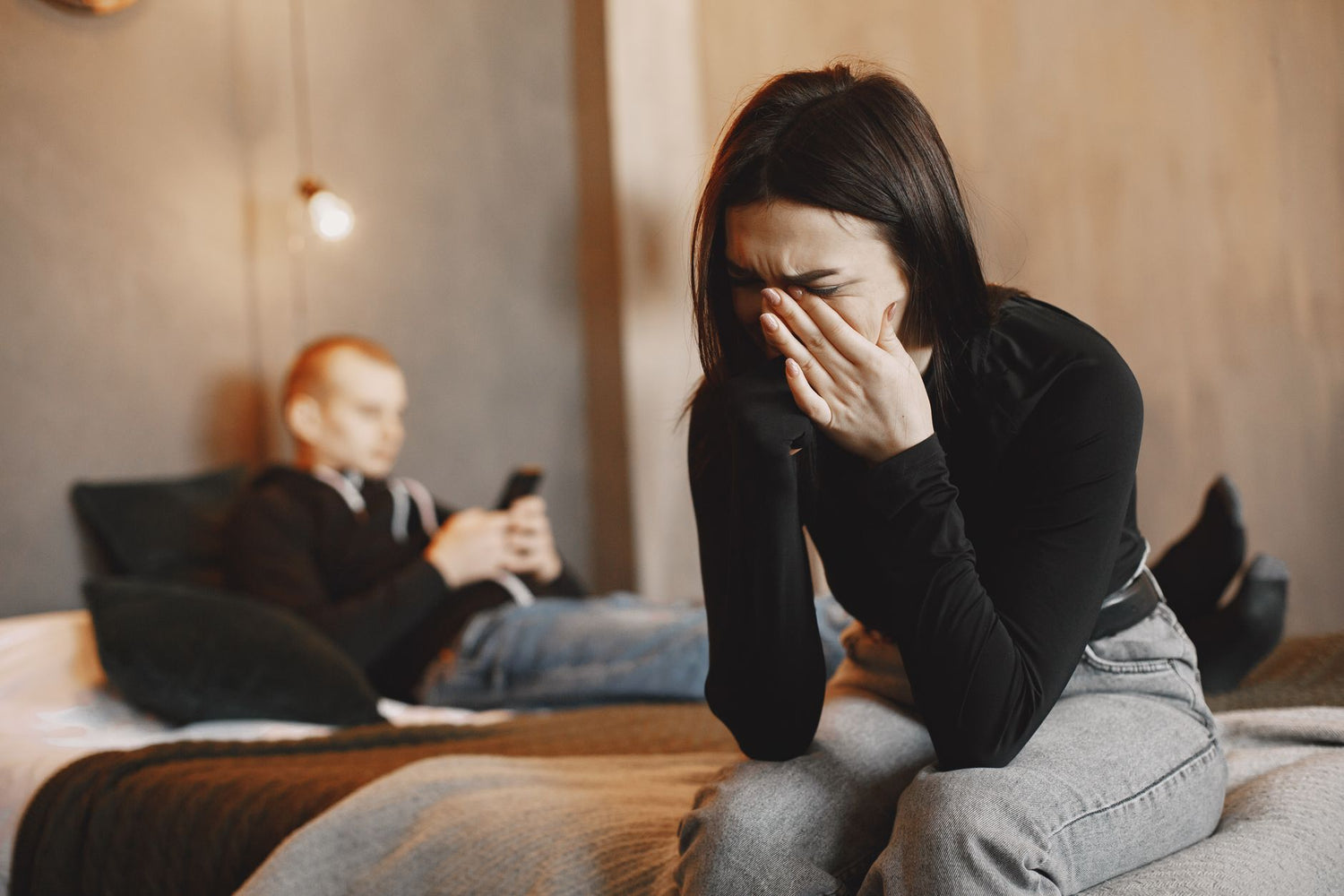
Something felt off. You couldn't name it. Your partner hadn't kissed anyone else, hadn't done anything technically "wrong." But the gut feeling sat there anyway, patient and heavy.
That feeling has a name now.
Micro-cheating lives in the grey zone between total loyalty and obvious betrayal. It describes small, repeated behaviors that suggest a person has some kind of emotional, romantic, or sexual interest in someone outside their committed relationship. No hotel rooms involved. Just a thousand little paper cuts that add up to something that genuinely hurts.
Why "Micro" Doesn't Mean Minor

Here's where people get confused. The "micro" prefix makes it sound trivial, like a footnote in a relationship story. It isn't.
Micro-cheating is less about the individual act and more about the pattern behind it. Texting an ex once because a shared friend got married? Probably fine. Texting an ex consistently while keeping those conversations hidden from your partner and saving their name under a fake contact? That's a pattern. And patterns reveal intentions.
Psychology Today describes micro-cheating as "small breaches of trust that don't rise to the level of a physical affair" but notes they can signal larger relational problems when they occur consistently. The key word is consistently. It's the repetition, and the concealment, that transforms something small into something that genuinely corrodes trust.
Research also shows that attachment style plays a massive role in what people label as cheating in the first place. People with anxious attachment tend to cast a wider net, interpreting more behaviors as threatening. People with avoidant attachment often dismiss behaviors their partners find hurtful. Neither is automatically right. The conversation in between is where the real work happens.
What Does Micro-Cheating Actually Look Like?

Let's get specific, because vagueness is where this topic loves to hide.
Some behaviors that commonly qualify: keeping a dating app installed "just to look," consistently liking a specific person's posts seconds after they go live, telling someone outside your relationship things you don't tell your partner, describing yourself as "basically single" to someone you're flirting with, or saving a person under a decoy name in your contacts. That last one is particularly telling. A 2018 Bustle survey found that 75% of respondents agreed saving someone under a fake name in your contacts crosses a clear line.
But here's where it gets nuanced.
Not all of these are universal dealbreakers. What makes something micro-cheating is the combination of three things: the behavior itself, the intent behind it, and the hiding. You could maintain a warm friendship with an ex and have it be completely fine in your relationship. You could also maintain that same friendship in a way that's emotionally intimate, secretive, and romantically charged. Same behavior, completely different ethical weight.
Emotional micro-cheating is particularly sneaky. Sharing deep personal struggles with someone outside the relationship while pulling away from your partner. Seeking validation, comfort, or excitement from someone else because the relationship feels flat. These aren't just "friendships going well." They're redirected intimacy, and partners usually feel it even when they can't articulate why.
The Intent Question: Does It Really Matter If Nothing "Happened"?
Yes. Deeply.
The argument "nothing happened" misses the point entirely when the behavior was designed to stay hidden. If your partner knew everything you were doing and said "I'm totally fine with this," there'd be no issue. The moment something needs to be concealed, a line has been crossed. Not necessarily the relationship-ending kind. But a line nonetheless.
Intent also matters because it tells you what someone is actually looking for. Are they seeking novelty? Validation they're not getting at home? An emotional exit ramp? Understanding the why behind micro-cheating behaviors is often more useful than cataloguing the behaviors themselves. Relationship therapist Dr. Shirley Glass, in her landmark research on infidelity, noted that emotional affairs often begin with small, innocent interactions that gradually build walls of secrecy. The escalation is the warning sign.
And here's the uncomfortable flip side: sometimes people micro-cheat without fully realizing it. Social media has made certain behaviors so normalized (sliding into DMs, reacting constantly to one person's stories, following someone who clearly has a crush on you while never mentioning it at home) that people genuinely don't clock them as problematic until a partner brings it up. That's not always malicious. But it still needs to be addressed.
How to Talk About It Without Burning Everything Down

Bringing this up is terrifying. Let's just acknowledge that upfront.
The risk of raising micro-cheating concerns is that it can feel accusatory before you've even finished the sentence. So the framing matters enormously. Starting from "I've been feeling disconnected and I noticed X, and I'd like to understand it" lands very differently than "I saw what you did and I need to know why." One opens a door. The other slams one.
It also helps to come in knowing what you actually need. Are you asking for reassurance? For a specific behavior to stop? For more transparency going forward? Being clear about the outcome you're seeking keeps the conversation from spiraling into a general referendum on the entire relationship.
If your partner dismisses your concern entirely, that's its own kind of data. A partner who cares about your security will want to understand why something bothered you, even if they disagree that it was "technically" wrong. Dismissal isn't a resolution. It's a postponement.
Learning how to ask for what you want in relationships. including emotional needs. is a skill worth building deliberately. The ability to name discomfort clearly, without accusation, is one of the most protective things you can develop as a partner.
When Micro-Cheating Points to Something Bigger
Sometimes it's a one-off lapse in judgment. Sometimes it's a symptom.
When micro-cheating behaviors are frequent, escalating, and paired with increasing emotional distance at home, they often indicate that someone is quietly checking out of the relationship. That doesn't mean it's over. But it does mean the relationship needs direct attention, not just a conversation about the specific behavior that got flagged.
Couples who address micro-cheating as a trust and communication issue, rather than purely a behavioral one, tend to come out the other side in a stronger place. It forces real honesty about needs, boundaries, and whether both people are actually showing up. That conversation is uncomfortable. It's also valuable in a way that avoiding it never will be.
For some couples, exploring new forms of intimacy and shared vulnerability together can help rebuild closeness after trust has been shaken. This might look like intentional date nights, deeper check-ins, or even exploring novelty together using couples toys that reintroduce excitement without going outside the relationship.
Setting Boundaries That Actually Work
Boundaries in relationships aren't restrictions. They're agreements about what safety looks like for both people.
The most functional boundaries around micro-cheating behaviors aren't surveillance-based (checking each other's phones, demanding location access). They're expectation-based. Having an explicit conversation about what both people consider off-limits in terms of outside relationships, social media behavior, and emotional sharing creates a shared map. You don't have to agree on every single thing. You do have to know where each other stands.
Some couples agree that full transparency with exes is fine as long as conversations are openly shared. Others prefer minimal contact altogether. Neither approach is inherently healthier. What matters is that both partners genuinely agree, rather than one person silently tolerating something that bothers them. Resentment is almost always born from swallowed discomfort.
If your relationship uses intimate toys or other forms of intentional pleasure together, those shared experiences also build the kind of closeness that makes outside emotional seeking less likely. Prioritizing your connection actively is itself a form of protection.
A Note If You're the One Who Did It
This section is for you, and it's judgment-free.
If you've recognized yourself in some of the behaviors above, that recognition is already meaningful. A lot of micro-cheating happens on autopilot, fueled by boredom, low self-esteem, unmet needs, or just the dopamine hit of new attention. It doesn't automatically make you a bad partner. It does make you someone who has some honest reflecting to do.
The most useful question to ask yourself isn't "was it technically cheating?" It's "would I be comfortable if my partner could see everything I've done and why?" If the answer is no, something needs to shift. That might mean having an honest conversation with your partner about what you've been missing. It might mean reconnecting with why you chose this relationship in the first place. It might mean therapy, solo or together.
You deserve a relationship where you don't feel the need to look elsewhere for what you're not getting. So does your partner. That's the part worth fighting for. ✨
Want to make your journey even more exciting? I've handpicked some amazing toys and goodies at Hello Nancy that'll add extra sparkle to your intimate moments. (Here's a little secret—use 'dirtytalk' for 10% off!)

Speaking of reconnecting with your own pleasure, the Berri edging clitoral massager is one of my favorites for solo nights when you want to feel completely in your body again. Sometimes coming back to yourself is exactly what a relationship needs.
Frequently Asked Questions
Is micro-cheating considered real cheating?
Whether micro-cheating counts as "real" cheating depends entirely on the boundaries two people have established in their relationship. There's no universal rulebook. What matters is whether the behavior involves concealment, repeated intent, and a violation of what both partners consider acceptable. If it does, it's worth treating seriously regardless of what label you put on it.
What are the most common examples of micro-cheating?
Common examples include keeping a dating app installed while in a relationship, saving someone under a fake name in your contacts, consistently flirting with a specific person online, describing yourself as single or "basically single" to someone you're attracted to, and sharing emotional intimacy with someone outside the relationship while hiding those conversations from your partner.
Can micro-cheating happen without realizing it?
Yes, and this is more common than people admit. Social media has normalized behaviors like constant engagement with one person's content or emotionally leaning on someone outside the relationship in ways that can cross lines without obvious awareness. The key question is: would you behave the same way if your partner was watching? If not, it's worth examining why.
How do I bring up micro-cheating with my partner without starting a fight?
Start from a place of curiosity rather than accusation. Frame the conversation around how you've been feeling and what you noticed, not what your partner did wrong. Know what outcome you're looking for before you start talking. And give your partner actual space to respond rather than treating the conversation as a verdict you're delivering.
Is micro-cheating a sign that someone wants to leave the relationship?
Not always. Micro-cheating can stem from boredom, a desire for external validation, unmet needs, or just low awareness rather than a deliberate plan to exit. However, when the behaviors are frequent and paired with growing emotional distance, they can be a signal that someone is quietly disengaging. Addressing it early is almost always better than waiting.
Does attachment style affect how people perceive micro-cheating?
Research suggests yes. People with anxious attachment styles tend to interpret a wider range of behaviors as threatening or unfaithful. People with avoidant attachment may minimize or dismiss behaviors their partners find hurtful. Understanding your own attachment patterns can help you approach these conversations with more self-awareness and less reactivity.
How do I set clear boundaries around micro-cheating in my relationship?
Have an explicit conversation about what both of you consider off-limits, rather than assuming you share the same defaults. Cover things like contact with exes, social media behavior, emotional sharing with people outside the relationship, and privacy around your phone. The goal isn't surveillance. It's a shared understanding of what safety and respect look like for both people.
Can a relationship recover after micro-cheating is discovered?
Absolutely, and many do. Recovery depends on honesty about what happened and why, genuine willingness from both partners to do the work, and a shift in how the relationship handles communication and unmet needs. Couples who treat micro-cheating as a signal to address the relationship's underlying dynamics tend to rebuild trust more successfully than those who focus only on stopping the behavior itself.