Add ¥1,938 to get Free Gift



Nobody actually teaches you this. You figure it out by trial and error, miscommunication, and the occasional awkward pause. But there's real science behind foreplay duration, and it changes everything.
The Number Everyone's Getting Wrong

Here's what the data actually says. Research published in the Journal of Sex Research found that both men and women ideally want foreplay to last around 20 minutes before penetrative sex. The reality? Most couples report their actual foreplay clocks in at about half that. Ten minutes, give or take. That gap between what people want and what actually happens is not a small thing. It's the difference between an orgasm and a shrug.
Ten minutes is not enough.
A separate study by Kinsey and colleagues found the average reported foreplay duration across couples was approximately 12 minutes. More recent data from sex researchers echoes a similar picture: women and people with vulvas typically need significantly more time to reach full arousal than their partners realize. The arousal architecture is just different, and no amount of wishing it were otherwise changes the biology.
Why Your Body Needs More Time Than You Think

Arousal isn't a switch. It's a slow build, more like a dimmer than a light switch. For people with vulvas, full genital engorgement, natural lubrication, and the tenting response of the vaginal canal can take anywhere from 15 to 45 minutes depending on the individual, their stress levels, where they are in their cycle, and frankly, how comfortable they feel in that moment. Rushing that process doesn't just reduce pleasure. It can make sex uncomfortable or even painful.
This is where the 20-minute benchmark starts to make intuitive sense.
For people with penises, the timeline is generally shorter physiologically. But here's the thing most people miss: foreplay isn't just about physical readiness. It's about psychological arousal, emotional connection, and creating the mental space where desire can actually land. Research consistently shows that mental arousal and physical arousal reinforce each other. One without the other leaves the whole experience feeling hollow, regardless of how technically proficient you are.
What Counts as Foreplay, Anyway?

The word itself is part of the problem. "Fore" implies it comes before the real thing. But plenty of sex educators and therapists argue that the entire frame is backwards. If penetrative sex is your only benchmark for "sex," you're already limiting yourself.
Kissing, touching, oral stimulation, massage, whispering, and yes, dirty talk all count. So does the text you send at noon that makes your partner smile at their phone. Desire is a long game. The timer genuinely does start before you're even in the same room. When you think about foreplay that way, 20 minutes in bed feels less like a marathon and more like a minimum.
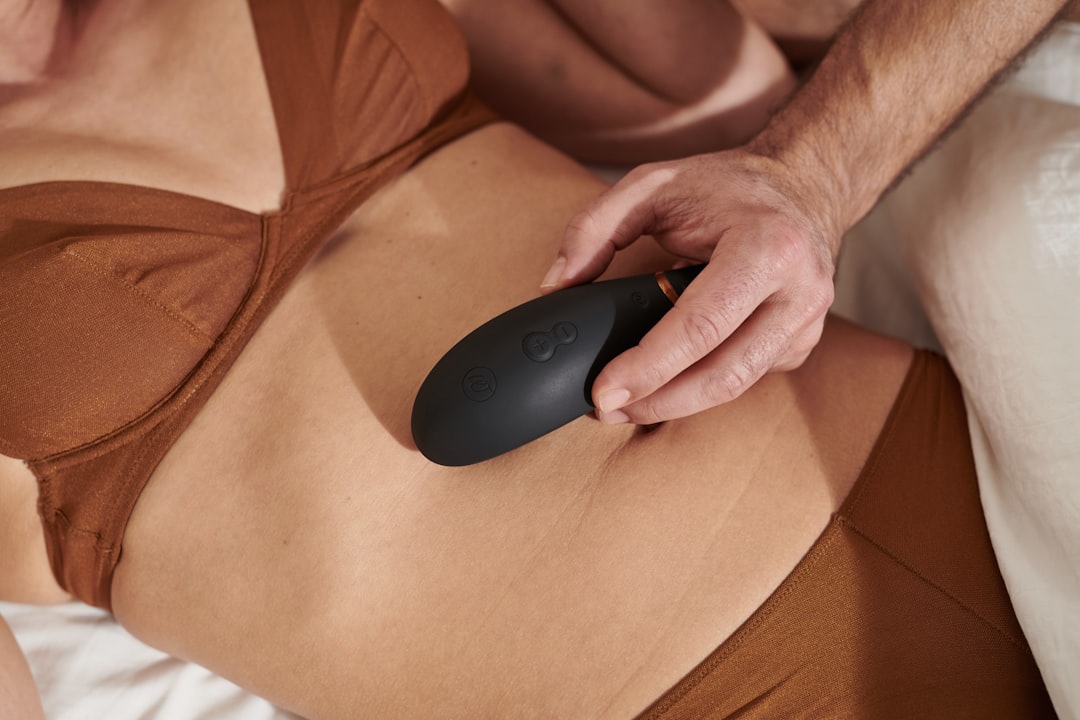
Pairing physical touch with a little buzz can extend the arousal arc beautifully. Clitoral vibrators used during foreplay take the pressure off one partner to "perform" and let both people stay in the moment, which honestly changes the whole energy of the encounter.
The Gender Gap Nobody Talks About
Study after study shows that heterosexual women are significantly less likely to orgasm from partnered sex than men. The orgasm gap is real and well-documented. But here's the piece that gets glossed over: a huge part of that gap is about duration and attention, not anatomy. Women who report longer foreplay consistently report higher rates of orgasm. It is not a mystery. It is math.
The fix isn't complicated.
A 2016 study published in the Journal of Sexual Medicine found that women's orgasm consistency during partnered sex was linked more closely to the overall time spent on sexual activity than to any single technique. That means the best thing you can do is simply... slow down. Stop treating foreplay like a tollbooth you pass through to get somewhere else. Treat it like the destination, and something interesting happens to everyone's satisfaction levels.
So What's the Actual Ideal Duration?

Honestly? It depends. Twenty minutes is the science-backed sweet spot for many couples, but some people warm up faster and some take longer. Context matters enormously. A stressed-out Tuesday night is not the same as a lazy Sunday morning. Your body knows the difference.
Sex therapist Emily Nagoski, Ph.D., whose research on sexual response is widely cited, argues that desire is highly context-dependent. Nagoski (2015) frames it this way: "there is no one size fits all" when it comes to arousal. What works is paying attention to your partner's signals and staying curious rather than formulaic.
That attention is the actual skill. Not timing with a stopwatch. A 20-minute average is useful because it corrects the assumption that 5 minutes is sufficient. But the real goal is staying present long enough for both people to feel genuinely ready, not just technically prepared.
If you want to explore what full arousal actually feels like without the performance pressure, vibrators for women designed for gentle, sustained stimulation can be a revelation. They're not a replacement for connection. They're a tool for understanding your own body better, which makes everything else easier.
One product worth exploring is the Berri edging clitoral massager, which is specifically designed for slow-build arousal. Its tapping stimulation mimics the kind of sustained attention that great foreplay already provides.

The point isn't to obsess over the clock. The point is to stop cutting yourself short.
How to Actually Make More Time for It

Scheduling sex feels clinical until you realize spontaneous sex is largely a myth after the first year of a relationship. Life fills every available gap. If you don't protect the time, it disappears. Putting intimacy on the calendar isn't unromantic. It's actually a form of prioritization that communicates "this matters."
Start small if the idea of 20-minute foreplay sessions feels ambitious. Add five minutes to whatever your current baseline is. Focus on one type of touch per encounter rather than rushing through a checklist. Ask your partner what they want more of. The conversation itself is foreplay, and most people are desperate for it.
If you're curious about what extended stimulation can do for your arousal, our guide on how to masturbate is a genuinely useful starting point for understanding your own response cycle. Solo exploration is one of the fastest ways to figure out what you need so you can communicate it to a partner.
Adding couples toys into your foreplay routine is another low-barrier way to extend arousal without either partner running out of steam. Sharing a toy removes the "whose turn is it" dynamic and keeps everyone engaged for longer.
Wrapping Up
Forget the number if it stresses you out. But remember why it exists: most of us are rushing through the part of sex that matters most to our bodies. Aim for 20 minutes. Pay attention to what your partner's body is actually saying. Stay curious, not efficient.
Your pleasure is not a side quest.
Want to make your journey even more exciting? I've handpicked some amazing toys and goodies at Hello Nancy that'll add extra sparkle to your intimate moments. (Here's a little secret, use 'dirtytalk' for 10% off!)
Frequently Asked Questions
How long should foreplay last for women to orgasm?
Research suggests that around 20 minutes of foreplay significantly increases orgasm likelihood for women and people with vulvas. Full arousal, including natural lubrication and genital engorgement, can take 15 to 45 minutes depending on individual factors like stress, hormonal cycle, and emotional connection.
Is 10 minutes of foreplay enough?
Ten minutes is the reported average for most couples, but studies consistently show it falls short of what most people actually want and need. Both men and women in surveys report desiring closer to 20 minutes, so 10 minutes is a starting point, not a finish line.
What does science say is the ideal foreplay duration?
A study in the Journal of Sex Research found that both men and women ideally want foreplay to last around 20 minutes. More recent sexual medicine research ties longer overall sexual activity to higher female orgasm rates, supporting the 20-minute benchmark as a useful baseline.
Why do women need more foreplay than men?
It comes down to arousal physiology. Full genital arousal in people with vulvas involves engorgement, lubrication, and vaginal tenting, all of which take longer than the typical male arousal response. That's not a flaw. It's just how the body works, and honoring that timeline is what makes sex satisfying for everyone.
Can foreplay be too long?
Technically yes, though it's rare. If arousal is sustained for very long without release, some people experience discomfort or frustration. The better question is whether both partners are engaged and enjoying the process. If the energy is good, keep going. If someone's checked out, communication matters more than the clock.
Does foreplay duration affect relationship satisfaction?
Yes, and the research is fairly consistent on this. Couples who spend more time on foreplay report higher overall sexual satisfaction and better relationship quality. The attention and attunement that longer foreplay requires spills over into emotional intimacy in meaningful ways.
What are the best foreplay activities to increase arousal?
Kissing, sensual massage, oral stimulation, and sustained clitoral attention are consistently rated highest by women. Adding a clitoral toy or wearable vibrator during foreplay also extends arousal time without either partner burning out. Verbal intimacy, including sharing fantasies, activates psychological arousal which amplifies physical response.
How can couples make foreplay last longer naturally?
Slowing down intentionally is the simplest strategy. Try focusing on one type of stimulation at a time rather than rushing through a checklist. Removing performance pressure by using a shared toy, scheduling intimacy instead of waiting for spontaneity, and openly communicating preferences all extend the experience organically.