Add ¥1,938 to get Free Gift


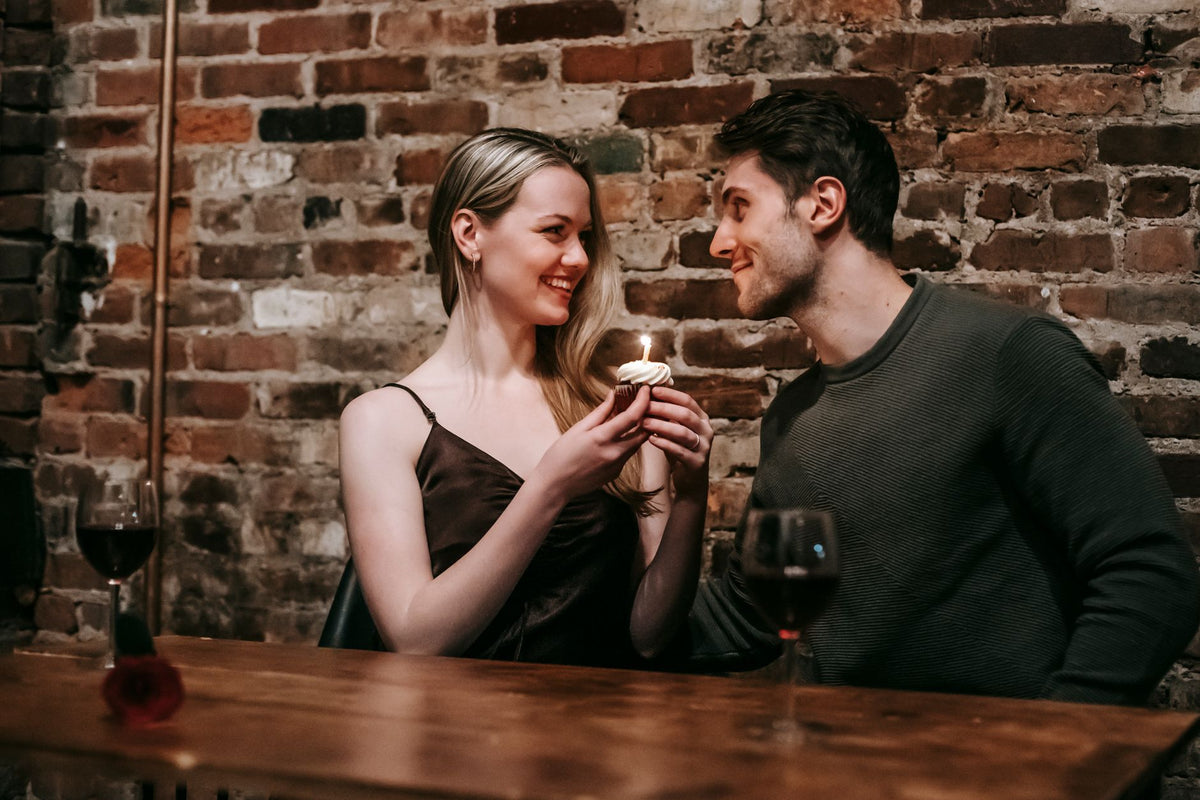
Somewhere between your last terrible Tinder date and the fourth wedding you attended this year, it hit you. Dating in your 30s is a completely different sport.
The rules shifted. The stakes feel higher. And honestly? You're a different person than you were at 24, swiping right with zero strategy and an unshakeable faith in "letting things happen naturally." Your 30s demand a little more intentionality. Not because romance is dead, but because you finally know what you actually want.
This is the guide I wish someone had handed me at 31.
Why Dating in Your 30s Actually Hits Different

Here's what nobody says out loud: your 30s are simultaneously the best and weirdest time to date. You know yourself. You have opinions about thread counts and red flags. You can spot a situationship forming from three timezones away.
But you also carry more. More history, more expectations, more baggage that you've hopefully started unpacking. According to research from the Pew Research Center, 37% of U.S. adults have used online dating at some point in their lives, and the motivations shift significantly as people age. In your 30s, most people aren't just looking for fun. They're looking for fit.
That shift is actually a gift.
When you stop dating just to avoid being alone and start dating to build something real, the whole game changes. You become more discerning, yes. But you also become more present. Every date stops being a performance and starts being an actual interview, for both of you, which is how it should feel.
The Self-Knowledge Superpower You've Earned

Let me tell you what your 20s quietly built for you without making a big announcement about it. Self-awareness.
By your 30s, you've lived through enough relationships, almost-relationships, and "what were we even doing" dynamics to have a pretty solid map of what works for you and what absolutely doesn't. You know whether you're someone who needs space or someone who craves closeness. You've been through the honeymoon phase ending enough times to not mistake chemistry for compatibility.
That's not cynicism. That's wisdom wearing a really chic jacket.
The challenge is using that self-knowledge without turning it into a wall. Some people in their 30s get so good at identifying what they don't want that they forget to stay open to what they haven't imagined yet. The goal is clarity without rigidity. Know your values, know your non-negotiables, but leave a little breathing room for the person who surprises you in ways your checklist never predicted.
Dating Apps in Your 30s: Friend or Frenemy?
Apps are still relevant. Let's not pretend otherwise.
But your relationship with them needs to evolve. In your 20s, swiping was almost recreational. In your 30s, spending three hours a day on Hinge while feeling progressively worse about humanity is a red flag about your habits, not your prospects. Use apps with intention and set actual limits on your time there.
The good news is that apps have genuinely gotten better at filtering for compatibility. Most now let you signal what you're looking for clearly, whether that's something serious, casual, or somewhere in between. Use those features. Be honest in your bio. A profile that accurately represents you will attract fewer matches but far more meaningful ones, and that trade-off is absolutely worth it by the time you're thirty-something.
Also, don't sleep on meeting people in real life. A 2024 survey by Bumble found that many daters in their 30s are actively seeking more intentional, values-aligned connections. That intention translates off-screen too. Saying yes to that dinner party, that pottery class, that work event you'd normally skip. Real-life context accelerates connection faster than any algorithm.
Navigating Baggage (Yours and Theirs)
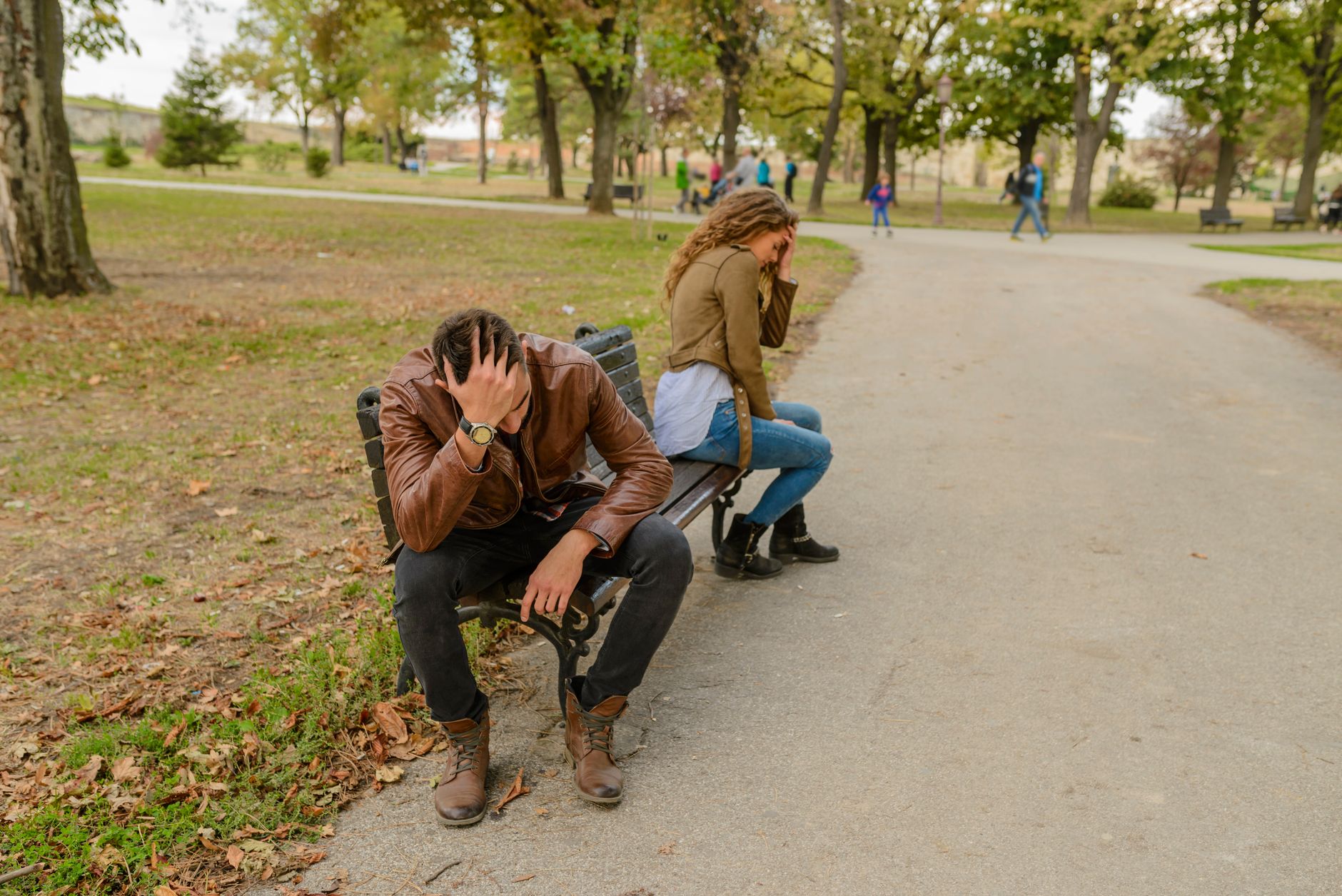
Everyone in their 30s has a past. Full stop.
Divorces, grief, long-term relationships that ended messily, years spent prioritizing career over connection. None of that disqualifies someone from being an incredible partner. But all of it requires some level of emotional literacy to navigate, from both sides of the table. If you haven't already read up on what compatibility actually looks like beyond surface-level vibes, now is a genuinely good time to start.
The biggest mistake people make? Treating their partner's past like a liability instead of a context. Someone who's been through a difficult divorce isn't broken. They're informed. Someone who's been single for five years by choice isn't damaged. They're self-sufficient. Ask questions from curiosity, not judgment.
And check in with your own stuff too.
If you notice yourself repeating the same patterns, pulling away when things get good, choosing emotionally unavailable people, sabotaging relationships right when they get serious, that's not bad luck. That's a pattern worth examining, ideally with a therapist you actually like. Your 30s are the perfect decade to do that inner work rather than outsource your healing to whoever you're currently dating.
The Intimacy Conversation Nobody Has Early Enough
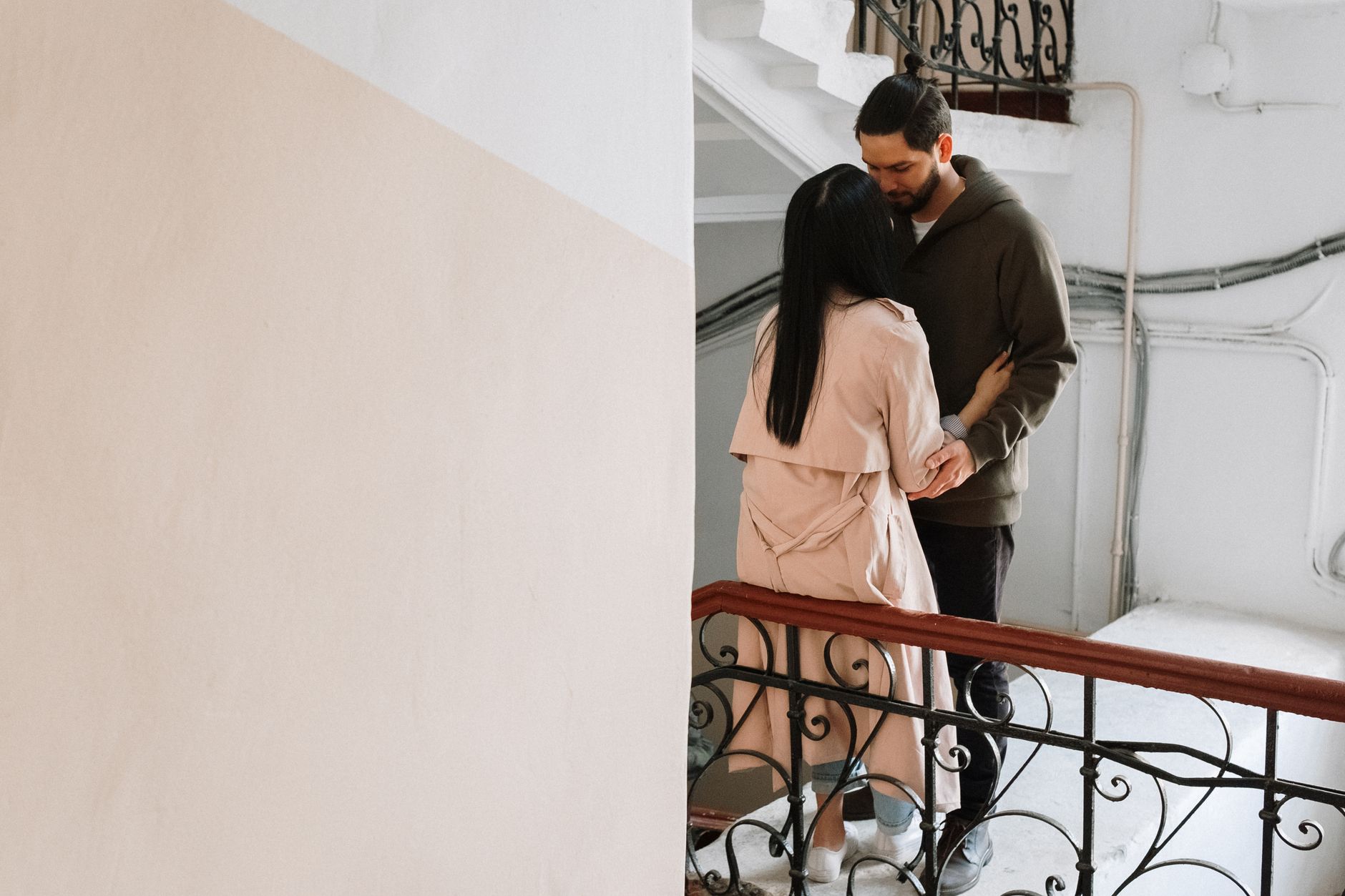
Physical intimacy matters. A lot. And in your 30s, you finally have enough confidence to actually talk about it.
Gone are the days of silently hoping your partner figures out what you like. By now, you know your body, your preferences, and what makes you feel genuinely connected versus just going through the motions. That knowledge is powerful, but only if you use it. Communicating about intimacy early in a relationship, what you enjoy, what your boundaries are, what you need to feel safe, is one of the most underrated forms of compatibility-checking that exists.
And if you're navigating intimacy solo while dating? That's completely valid too. Exploring vibrators for women or clitoral vibrators on your own terms keeps you connected to your own pleasure, which makes partnered intimacy so much richer when it does happen. Your pleasure doesn't go on pause just because you're between relationships.
Green Flags to Actually Look For in Your 30s

Red flags get all the airtime. Let's talk about green ones.
In your 30s, the most attractive quality in a potential partner isn't their looks or their job title. It's emotional availability. It's someone who can say "I felt hurt by that" without making it a three-day production. It's someone who's genuinely curious about your inner life, not just your Instagram aesthetic.
Consistency is another underrated green flag. Do they do what they say they'll do? Do they show up when it's inconvenient? The grand gestures are nice, but it's the Tuesday-morning check-ins that actually tell you who someone is. Someone who texts back reliably, remembers the small things you mentioned, shows up on time. That's not boring. That's trustworthy, and trustworthy is deeply sexy at this age.
Shared values matter more than shared interests.
You don't need to love the same music or enjoy the same hobbies. But how someone treats a waiter, handles financial stress, talks about their ex, approaches conflict. those things reveal character. And character is what you're actually building a life with.
Reframing the Timeline Pressure
Here's the cultural script that needs retiring: the idea that dating in your 30s means you're racing a clock.
Society has a very loud opinion about when people, especially women and femme-presenting folks, should be partnered, engaged, pregnant, settled. That timeline was never based on your actual life. It was based on outdated social structures and a lot of assumptions that simply don't apply to most people anymore. The average age of first marriage in the U.S. has been climbing for decades, and for good reason. People are taking more time to know themselves. That's not failure. That's evolution.
Your 30s are not a countdown. They're a clarification period. Every year you spend knowing yourself better, healing old wounds, building a life you're genuinely proud of, makes you a more present and capable partner when the right connection does arrive. Don't let anyone rush that.
How to Actually Date Intentionally (Without Becoming Robotic About It)
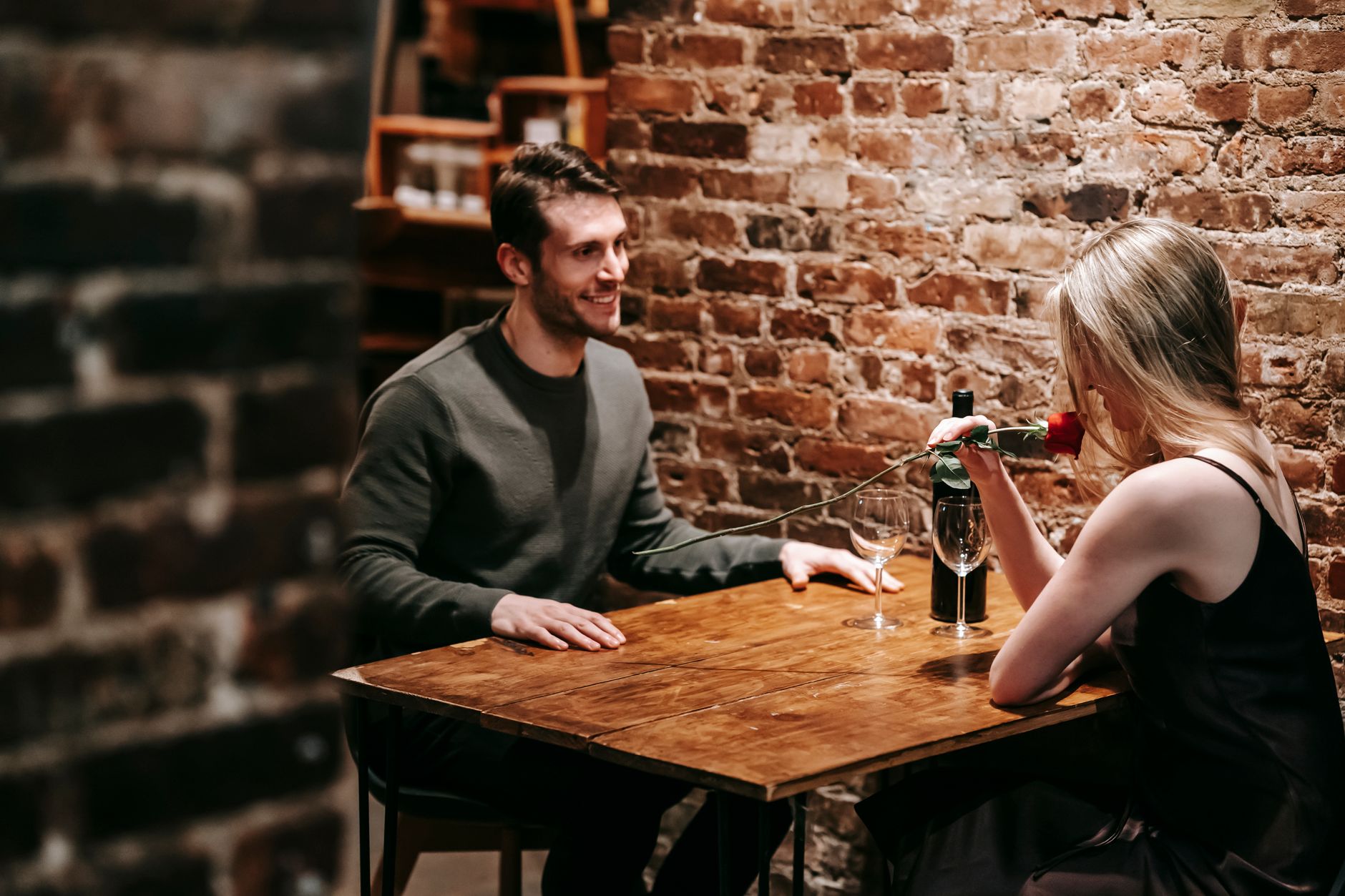
"Intentional dating" sounds like something from a self-help seminar. In practice, it's much simpler.
It means knowing what you want and being honest about it from the start. It means not staying in something that clearly isn't working just because you've already invested three months. It means going on dates to actually get to know someone, rather than to perform an idealized version of yourself and hope they fall for the character. It means being honest enough to say "I'm looking for something serious" without apologizing for it.
Intentional dating also means being willing to leave the table when something doesn't feel right, without needing a dramatic reason or a list of offenses. Sometimes a connection just doesn't have the right energy. That's valid data. Move accordingly.
If you're navigating the tricky terrain of a lingering situationship, getting clear on your intentions first is the fastest way through it. Know what you want before you try to communicate it to someone else.
Sex and Desire in Your 30s: An Underrated Conversation
Something genuinely wonderful happens to desire in your 30s.
For many people, particularly those with vulvas, the 30s bring a notable increase in sexual confidence and libido. You care less about performing and more about actually feeling good. You're less likely to fake enthusiasm and more likely to redirect, guide, or just ask for what you want. That honesty transforms partnered sex in ways that 20-something nervous energy simply couldn't.
If you're single and dating, keeping your intimate life active and exploratory on your own terms is completely healthy. Products like the Berri edging clitoral massager or the couples toys collection at Hello Nancy exist precisely for this kind of intentional self-exploration. Knowing what brings you pleasure makes every future intimate conversation with a partner sharper and more honest.

Your desire deserves to be tended to, whether you're dating actively or taking a deliberate break from it.
Bottom Line
Dating in your 30s isn't harder than your 20s. It's just more honest. You know more. You want more specifically. You've stopped settling for "good enough on paper" and started holding out for "genuinely feels right in practice." That's not pickiness. That's clarity, and clarity is the foundation that good relationships are actually built on.
Give yourself permission to enjoy the process, imperfect dates, slow burns, unexpected connections, and all. The right person isn't going to make up for time you didn't waste. They're going to make perfect sense of everything you lived through to get there.
Want to make your journey even more exciting? I've handpicked some amazing toys and goodies at Hello Nancy that'll add extra sparkle to your intimate moments. (Here's a little secret. use 'dirtytalk' for 10% off!)
Frequently Asked Questions
Is it harder to date in your 30s than in your 20s?
Not necessarily harder, but definitely different. In your 30s, you're more self-aware, which means you're less likely to tolerate things that don't work for you. That self-knowledge streamlines the process, even if it makes the early stages feel more serious.
How do you meet people in your 30s outside of apps?
Say yes more. Dinner parties, hobby classes, volunteer work, friend-of-a-friend introductions, and work events are all genuinely effective. Real-life context gives you much more information about a person than any profile ever could, and it removes the performative pressure of app-based first impressions.
Should I be worried if I'm single in my 30s?
No. Being single in your 30s is not a warning sign or a failure. Many people spend their 30s building financial stability, healing from past relationships, or simply enjoying their independence before choosing a long-term partner. Timing varies enormously and none of it is a reflection of your worth.
How do you date intentionally in your 30s without putting pressure on every date?
Intentional dating means knowing what you want long-term, not interrogating every person you meet on the first date. Be clear about your values and what you're looking for, but stay curious and present in each individual interaction. Clarity and pressure are not the same thing.
What are the most important green flags when dating in your 30s?
Emotional availability, consistency, and shared values are the three biggest green flags. Someone who communicates openly, does what they say, and treats people with baseline kindness is worth far more than someone who's impressive on paper but emotionally distant.
How do I handle the pressure of biological clock anxiety when dating in my 30s?
Start by separating societal pressure from your own genuine desires. Do you actually want children, or have you absorbed the expectation that you should? If family-building is genuinely important to you, communicate that early in dating. If it's not, give yourself permission to release the anxiety entirely.
Is online dating still worth it in your 30s?
Yes, but with better boundaries than you probably had at 25. Set a time limit on app usage each day, be upfront about what you're looking for, and treat it as one channel among several rather than your only strategy. Apps can be excellent for meeting people you'd never cross paths with organically.
How do you navigate dating someone who's been divorced?
With curiosity, not caution. Divorce doesn't indicate failure. It often indicates that someone tried, learned, and grew. Ask open questions about what they learned from the experience rather than treating their history as a liability. What matters is whether they've done the emotional work since.
How soon should I bring up what I'm looking for when dating in my 30s?
Earlier than you think, later than the first five minutes. By the second or third date, it's completely reasonable to share that you're looking for something serious, or that you're open to seeing where things go. You're not proposing. You're just aligning on direction, and in your 30s, that saves everyone enormous amounts of time.