


 Add ¥1,934 to get Free Gift


Somebody handed you a lube recommendation once, and they almost certainly left out half the story. The oil versus water debate sounds boring until you realize the wrong choice can quietly wreck a condom, irritate your body, or ruin your favorite toy.
Let's fix that right now.
Why Lube Type Actually Matters More Than You Think
Lubricant is not a one-size-fits-all situation. Your skin, your toys, your protection method, and the kind of intimacy you're having all factor into which formula is going to feel genuinely good versus which one quietly causes problems you won't even connect to the lube until days later. Most people pick whatever's on the drugstore shelf without a second thought. That's exactly how myths get perpetuated and irritation becomes a recurring mystery.
Here's the simple truth: water-based and oil-based lubes behave completely differently inside and outside the body. Understanding that difference takes about five minutes and saves you a lot of frustration.
Think of it this way. Water evaporates. Oil doesn't. That one chemical fact explains almost everything in this comparison.
Water-Based Lube: The Crowd-Pleaser With a Few Quirks
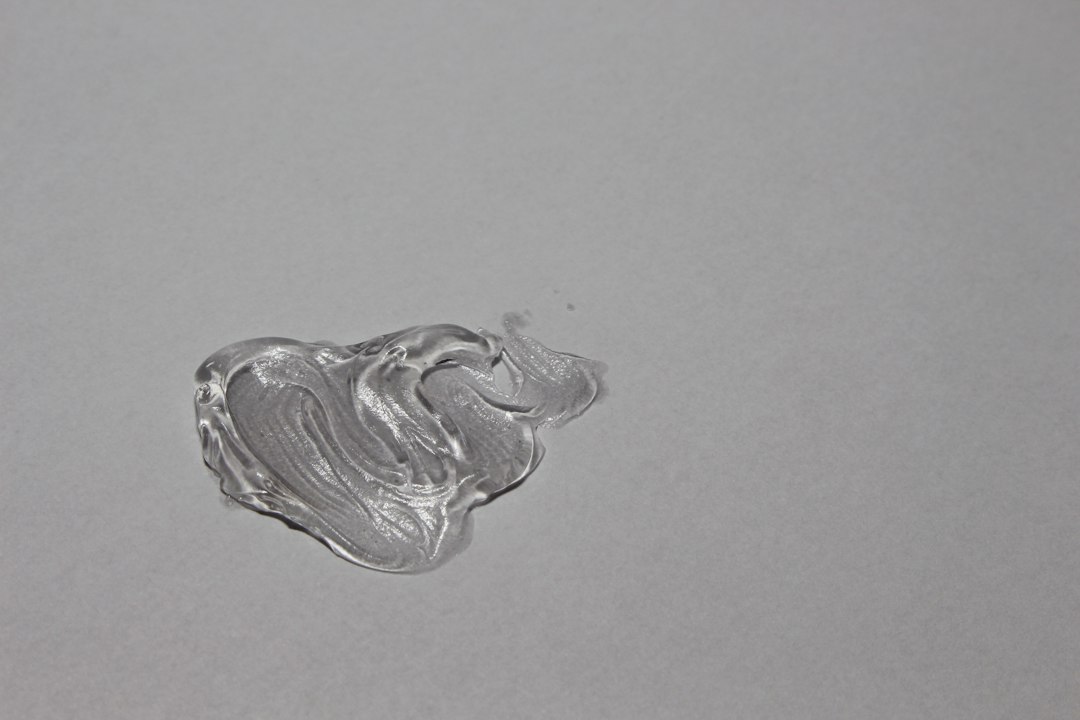
Water-based lube is the most widely used formula for a reason. It feels light, rinses away easily with just water, doesn't stain your sheets, and plays nicely with pretty much every material it encounters. If you're using clitoral vibrators or any silicone toy, water-based is the only formula you should use near them. Oil degrades silicone over time, but water-based options leave your toys completely unharmed.
Compatibility is where water-based lube truly shines.
It's safe with latex condoms, polyisoprene condoms, dental dams, and every toy material from silicone to ABS plastic to borosilicate glass. That universality is genuinely hard to beat. Water-based formulas are also the safest option for vaginal use because they don't disrupt the delicate pH balance the way oils can. If you're someone who experiences recurring infections, this distinction is not a minor footnote. It matters a lot.
The catch? Water evaporates, remember. It absorbs into skin and dries out faster than oil-based formulas, especially during longer sessions or anal play where the body doesn't produce natural lubrication the same way.
You'll find yourself reaching for the bottle again mid-session, which some people find annoying. Glycerin is another thing worth watching. It's a common ingredient that creates that slick, slightly thick texture. For most people it's totally fine. But for people prone to yeast infections or bacterial vaginosis, glycerin can tip the pH balance in the wrong direction. Look for glycerin-free formulas if that's your situation. Water-based lube is also the ideal companion for vibrators for women, since these toys are almost always made from materials that love water-based formulas and tolerate nothing else well.
Oil-Based Lube: The Long-Lasting Option With Real Trade-Offs
Oil-based lube stays slick for a long time. It doesn't absorb into skin the way water does, which makes it a genuinely popular choice for massage, extended sessions, and solo play without condoms or silicone toys. That longevity feels luxurious, and there's no argument against how comfortable it can be for many uses.
But oil and latex do not mix. Full stop.
This isn't a minor compatibility note buried in fine print. Oil degrades latex within minutes of contact, weakening the material and dramatically increasing the risk of a condom breaking. The same applies to polyisoprene condoms. If you're using any barrier method made from latex or polyisoprene, oil-based lube is completely off the table. Only non-latex options like polyurethane or nitrile condoms survive contact with oil safely.
Oil also doesn't rinse out easily. It requires soap and warm water to remove properly, can leave stains on fabric, and inside the body it can disrupt the vaginal microbiome and create conditions where bacteria thrive. That doesn't mean oil is inherently dangerous for everyone. It means you need to be intentional about when and how you use it.
Silicone toys are another casualty. Just like latex, silicone can degrade when it meets certain oils, causing the surface to break down, become tacky, or develop micro-tears that harbor bacteria. If you love your toys, keep oil away from them. For silicone products like the Namii 2 clitoral suction toy, water-based lube is always the right call, without exception.
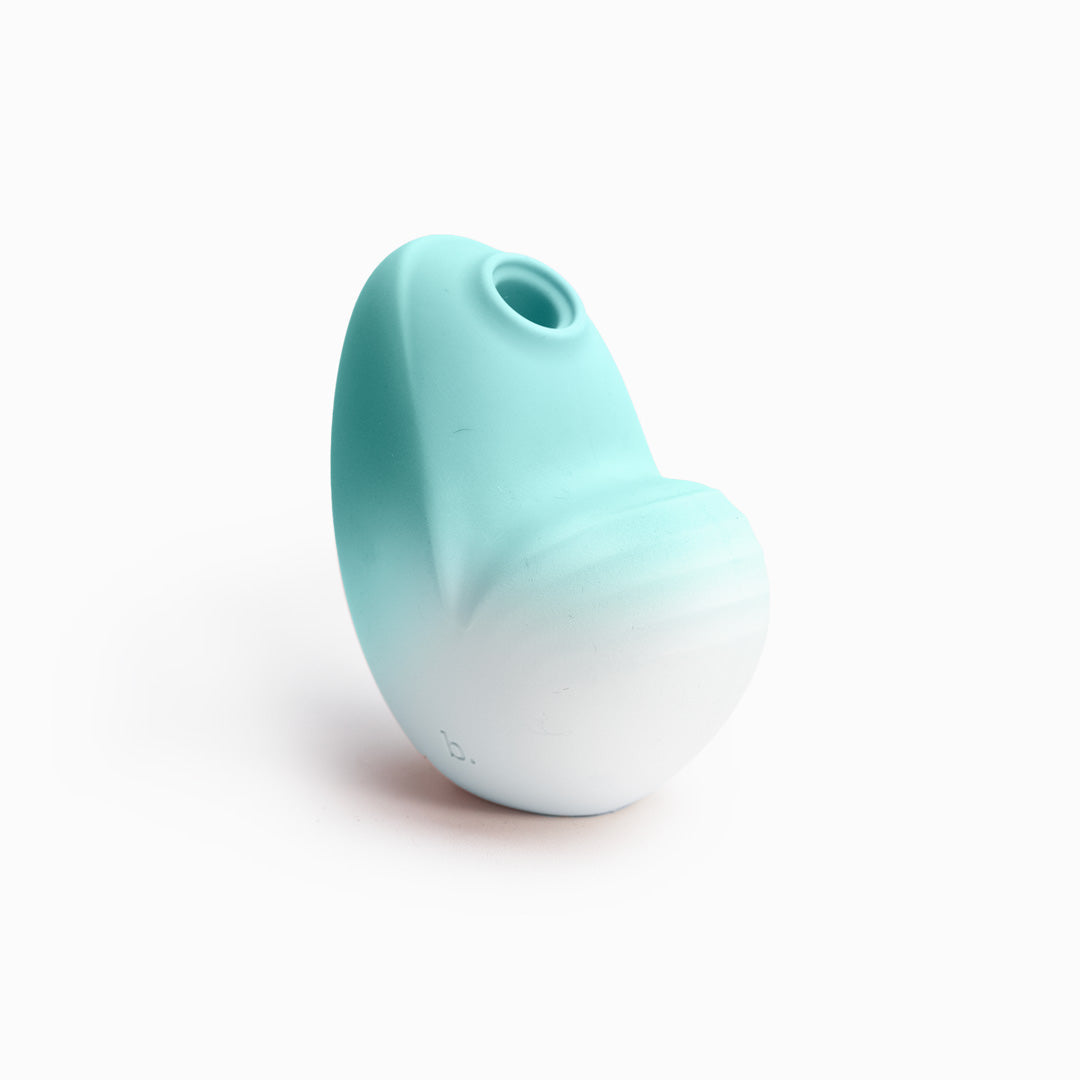
Paired with the right lube, a dual-action toy like the Namii 2 can be genuinely transformative. But pairing it with an oil-based formula would damage the silicone over time. Water-based, every single time.
Side-by-Side: Where Each Type Wins and Loses
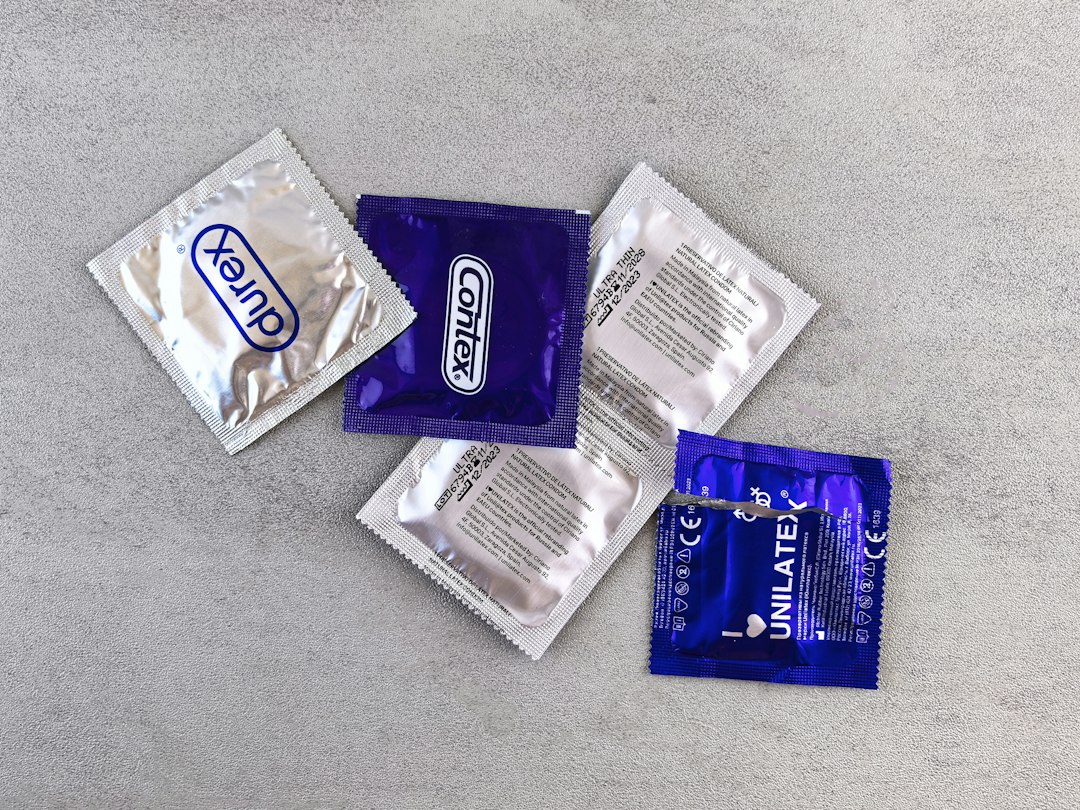
Condom compatibility is the biggest deciding factor for most people. Water-based lube is safe with every common condom material and causes zero degradation. Oil-based lube is incompatible with latex and polyisoprene, which covers the vast majority of condoms sold today.
For toy safety, water-based lube is again the universal choice.
It's safe for silicone, glass, metal, ABS plastic, and rubber. Oil-based lube risks damaging silicone and rubber toys and is not recommended for use with them. That said, if you're playing with non-porous materials like the Kalii glass G-spot dildo and skipping latex condoms entirely, oil can technically be used with glass or metal without material damage. The vaginal health consideration still applies, though.
Longevity flips the verdict. Oil-based lube lasts significantly longer without reapplication. Water-based formulas dry out, particularly during longer sessions or anal play. For extended intimacy without stopping, oil wins on sheer staying power.
Ease of cleanup swings back to water-based. It washes off with just water, leaves no stains, and feels genuinely clean. Oil requires soap, can leave residue on skin and fabric, and lingers in ways that some people find uncomfortable.
So Which One Should You Actually Choose?

Honestly, water-based lube is the right default for most people most of the time. It's compatible with every toy, every condom type, and works well for both vaginal and anal play. If you're pairing lube with couples toys, sharing toys between partners, or using any barrier protection, water-based is simply the more versatile and safer choice.
Oil-based lube makes more sense in specific scenarios.
Think massage, solo play without toys, or intimacy without latex or polyisoprene condoms when you want maximum, lasting glide. Used intentionally and correctly, it delivers a different sensation that many people genuinely prefer for certain types of play. The key is knowing which scenario you're actually in before you reach for the bottle. Because once you know the rules, you can use them to your advantage.
Research backs this up. A large-scale cross-sectional survey among men who have sex with men across three Indian states found that exclusive use of latex-condom-compatible lubricants, meaning water-based formulas, was associated with meaningfully lower HIV transmission risk compared to non-compatible lubricants (Patel et al., 2015). The implications extend beyond that population. Lube compatibility with barrier protection is a genuine sexual health consideration, not just a preference.
If you're curious about how lube choices connect to your broader solo habits, the guide on healthy masturbation habits at Hello Nancy is a genuinely useful companion read.
A Few Things Worth Knowing Before You Buy
Ingredient labels deserve two minutes of your time. For water-based lubes, look for glycerin-free formulas if you have a history of yeast infections or BV. Check for parabens and propylene glycol too. Both can cause irritation in sensitive bodies. A shorter, simpler ingredient list is usually a trustworthy sign.
For oil-based products, stick to options made specifically for intimate use rather than repurposing kitchen or beauty products.
Coconut oil is popular as a DIY choice, and it feels natural, but it carries a real risk of disrupting vaginal pH and is notoriously hard to remove from the body fully. pH-balanced, fragrance-free formulas made by companies who specialize in sexual health products are a much safer bet. Your body deserves that level of thought.
Want to make your journey even more exciting? I've handpicked some amazing toys and goodies at Hello Nancy that'll add extra sparkle to your intimate moments. (Here's a little secret. Use 'dirtytalk' for 10% off!)
Frequently Asked Questions
Can you use oil-based lube with condoms?
No. Oil-based lube is not safe to use with latex or polyisoprene condoms. Oil degrades these materials within minutes, weakening the condom and significantly increasing the risk of breakage. If you need to use a condom, choose a water-based lube instead.
Is water-based lube safe for silicone sex toys?
Yes, water-based lube is universally safe for silicone toys. It won't break down the material, cause stickiness, or create micro-tears. It's the recommended formula for almost all sex toy materials, including silicone, ABS plastic, glass, and metal.
Why does water-based lube dry out so fast?
Water-based lube dries out because the water component evaporates and absorbs into skin over time. This is especially noticeable during longer sessions or anal play. The fix is simple: reapply as needed, or add a small amount of water to reactivate the lube already on your skin.
Can oil-based lube cause yeast infections?
Oil-based lube can disrupt the vaginal pH and microbiome, which may increase the risk of yeast infections or bacterial vaginosis in people who are prone to them. It's also difficult to rinse out completely. People with sensitive vaginal flora should use oil-based lube with caution or avoid it for vaginal use altogether.
Is coconut oil safe to use as lube?
Coconut oil feels natural, but it comes with real trade-offs. It's incompatible with latex condoms, can disrupt vaginal pH, and is difficult to fully rinse from the body. It's also not recommended for use with silicone toys. For vaginal use especially, a purpose-made intimate lubricant is a much safer option.
What lube is best for anal sex?
For anal play, a thicker water-based gel or a silicone-based lube is generally preferred. Water-based formulas are toy-compatible and easy to clean, though they require more frequent reapplication. Oil-based lube lasts longer but is incompatible with latex condoms and harder to clean from the body after use.
Does glycerin in water-based lube cause yeast infections?
For most people, glycerin in lube is completely fine. However, glycerin is a sugar alcohol, and for people already prone to yeast infections or BV, it may tip the vaginal environment in an unfavorable direction. If that sounds like you, choose a glycerin-free water-based formula specifically.
Can you mix oil-based and water-based lube together?
Mixing them isn't recommended. Oil and water don't combine easily, so you'd get an inconsistent texture that doesn't perform well. More importantly, even a small amount of oil in the mix can still compromise a latex condom. Stick to one formula per session to stay safe and keep things effective.
Which lube lasts longest without reapplication?
Oil-based lube lasts the longest because it doesn't evaporate or absorb into skin the way water-based formulas do. For long sessions or activities where stopping to reapply feels disruptive, oil-based is the better choice, as long as no latex condoms or silicone toys are involved.


