Add $94.20 to get Free Gift



Most of us were handed zero instructions on how to love someone well. We just figured we'd feel our way through it.
That's not a criticism. It's just the truth. And the good news is, building a stronger relationship is way more learnable than anyone gives it credit for.
Why Strong Relationships Don't Happen by Accident

Here's what a lot of couples get wrong. They treat their bond like a given, something that exists because they showed up. But relationships are living things. They need tending.
Dr. John Gottman's decades of research at the University of Washington found that couples who stay happily together maintain a ratio of five positive interactions for every one negative one. That ratio isn't magic. It's a practice. And practices can be built.
The real work isn't about grand romantic gestures. It's the micro-moments that stack up over weeks and months into something genuinely unshakeable.
The Communication Upgrade Your Relationship Needs

Talk to each other. Not at each other. There's a difference that changes everything.
Most communication problems in relationships aren't about volume. They're about depth. People speak, but they're not actually saying what they mean. The fear of being too much, too needy, or too vulnerable keeps so many couples skating on the surface. Over time, that surface gets slippery.
Try this: before you launch into a complaint or a request, name what you're actually feeling underneath it. Not "you never listen" but "I feel really unseen when we're on our phones during dinner." That shift from accusation to vulnerability is small in words but enormous in impact.
Active listening matters just as much as speaking. Put the phone down. Make actual eye contact. Reflect back what your partner said before you respond. It signals, at a biological level, that they are safe with you.
Quality Time vs. Just Being in the Same Room

Being physically present and being emotionally present are two very different things.
A lot of couples spend enormous amounts of time together but still end up feeling lonely. You can sit on the same couch every night watching the same shows and still feel miles apart. Shared physical space isn't the same as shared experience.
Schedule actual intentional time. I know "schedule a date" sounds painfully unromantic, but hear me out. When you carve out time with the same commitment you give a work meeting, you're sending a message: you are a priority. That message lands. If you're also looking for ways to deepen fun and playfulness with your partner, sometimes adding a little lighthearted novelty to your nights together does wonders for reconnection.
The activities don't have to be elaborate. Cook something new together. Go on a walk with your phones in your pockets. Try something you've both never done. Novelty triggers dopamine, and dopamine is basically the brain's way of saying "I'm glad I'm here with you."
Trust: The Slow Build Nobody Warns You About

Trust isn't built in moments of loyalty during crises. It's built in the ordinary, quiet consistency of showing up.
When you say you'll call, call. When you say you'll be somewhere, be there. When your partner shares something vulnerable and raw, hold it carefully. These seem like small things. But trust is literally just a thousand small things added together.
When trust gets broken, it doesn't always look like a dramatic betrayal. Sometimes it's the accumulated weight of small letdowns. Forgotten promises, dismissive responses, emotional unavailability during stressful patches. These erode the foundation quietly, which is why people are often shocked when a relationship feels suddenly fragile. It wasn't sudden. It was gradual.
How Conflict Can Actually Bring You Closer

Avoidance is not peace. It's just a postponed fight with interest.
Healthy couples don't avoid conflict. They fight better. There's a massive difference between attacking the person and addressing the problem. When you stay in the lane of "here's what's hurting me" rather than "here's what's wrong with you," the conversation has somewhere productive to go.
Repair attempts matter enormously here. A repair attempt is any word, gesture, or action that lowers the emotional temperature mid-conflict. It might be a touch on the arm, a moment of humor, or simply saying "wait, I don't want to fight like this." Gottman's research identifies these attempts as one of the strongest predictors of long-term relationship satisfaction. Couples who successfully deploy repair attempts tend to navigate conflict without it becoming corrosive.
Give yourself permission to pause when things get too heated. A 20-minute break isn't giving up. It's letting your nervous system reset so you can actually hear each other.
Intimacy Beyond the Physical: The Emotional Layer Everyone Needs

Emotional intimacy is the infrastructure everything else sits on top of.
A lot of couples prioritize physical closeness but let emotional closeness quietly thin out. And without emotional intimacy, physical intimacy often starts to feel mechanical or one-sided. The two are deeply connected. When your partner feels truly known by you, things warm up in every direction.
Building emotional intimacy means sharing your inner world. Not just logistics, schedules, and who's picking up groceries. Your actual fears, dreams, petty grievances, strange childhood memories, things that excite you for no sensible reason. Vulnerability isn't weakness. It's the invitation that deepens a bond.
If physical intimacy is something you want to nurture too, there's real value in exploring that dimension together. Couples toys can open conversations about desire and pleasure that many partners have simply never had, creating a shared language around intimacy that's both playful and deeply connecting.
Respecting Each Other's Individuality Inside the Relationship

You fell for a whole, complete person. Don't accidentally shrink them into half a couple.
One of the quietest relationship killers is the gradual erosion of each person's individual identity. It sounds romantic to become completely entwined, but in practice it breeds resentment, codependency, and a loss of the very things that made you interesting to each other in the first place.
Encourage your partner's solo passions. Maintain your own friendships. Have opinions that differ. Be genuinely curious about who your partner is becoming, not just who they were when you first got together. People grow. Good relationships grow with them.
Appreciation: The Most Underused Relationship Tool
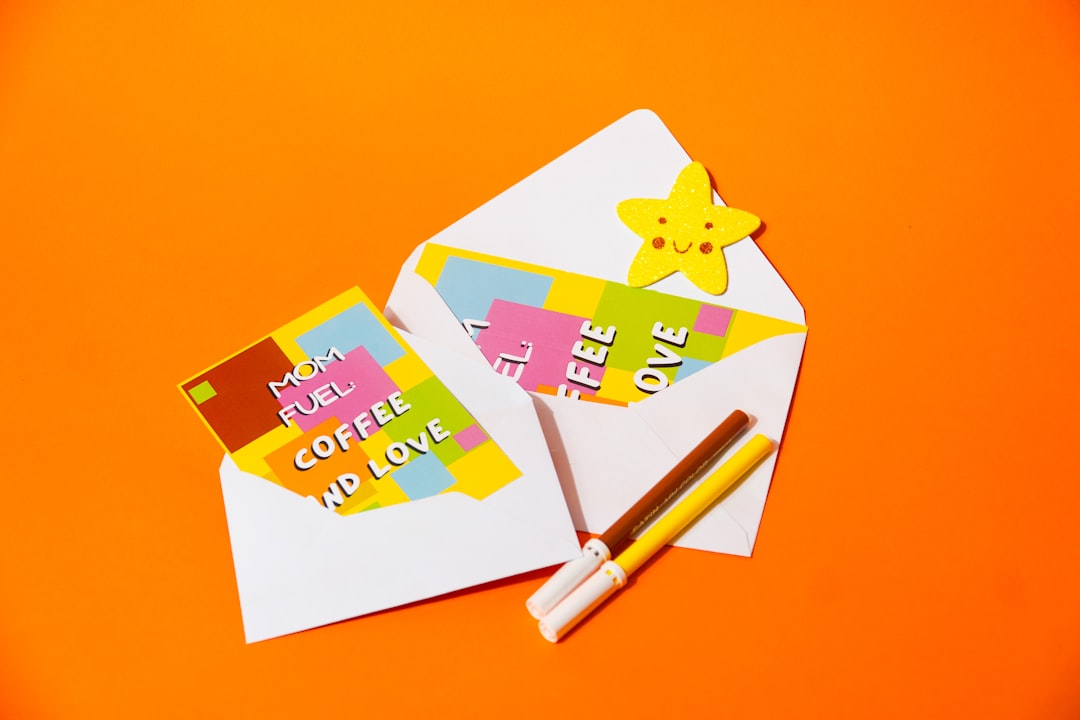
Say the nice things you think. Seriously.
We are surprisingly reluctant to voice appreciation to the people closest to us. It can feel unnecessary, embarrassing, or even vulnerable. But noticing and naming what you value in your partner works on them the same way sunlight works on a plant. It is not optional nutrition.
This doesn't mean performative flattery. It means catching real, specific things. "I noticed you gave me the bigger half without making a thing of it." "You always remember how I like my coffee." "I love the way you laugh at your own jokes." Specificity matters. Generic praise washes off. Specific appreciation sinks in and stays.
Setting Healthy Boundaries Together

Boundaries aren't walls. They're the shape of the relationship you're actively choosing to build together.
A lot of people treat boundaries as defensive tactics, things you set when something's already gone wrong. But proactive boundaries, agreed on before the friction point, are how smart couples protect what matters to them. What you share externally, how you handle each other's families, what's off-limits during arguments, how much alone time each person needs to feel sane. These conversations are not unromantic. They are genuinely loving. If you want to go deeper on this, our piece on setting healthy relationship boundaries is a solid place to start.
Physical Affection and the Role of Pleasure in Partnership
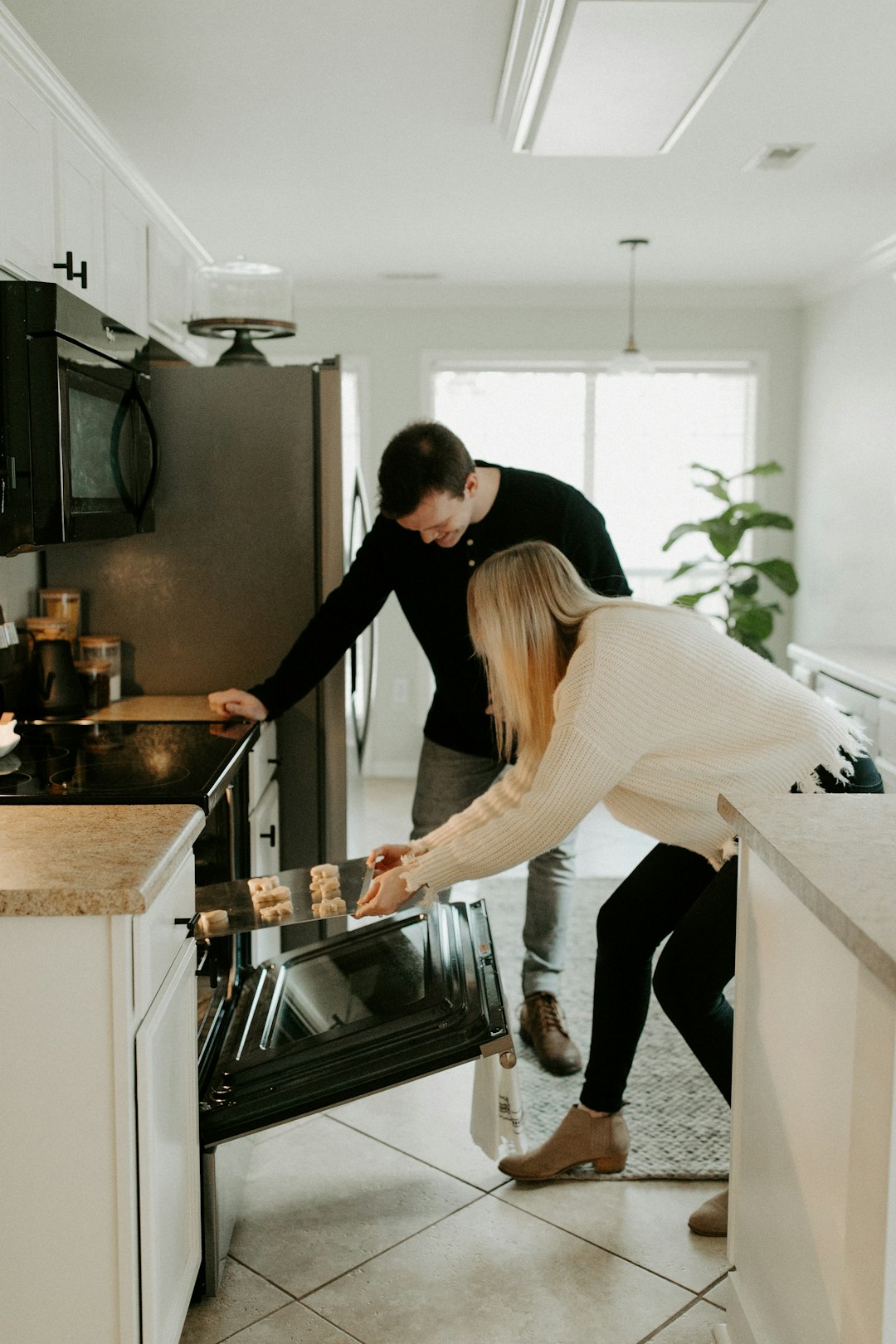
Physical affection is relationship glue. The small stuff matters more than you think.
Non-sexual touch, a hand squeeze, a forehead kiss, an arm around the shoulder, communicates safety and warmth in a way words often can't match. Research consistently shows that couples who maintain regular physical affection report higher relationship satisfaction even during stressful periods. These aren't grand gestures. They're just constant, gentle signals that say: I'm still here, I still choose you.
For couples who want to invest intentionally in their physical connection, exploring vibrators for women or adding new forms of sensory play to your intimate life can create memorable shared experiences that bring a fresh sense of closeness. Good intimacy is part of a good bond. There is no shame in tending to that part of your relationship with the same care you bring to everything else.
If clitoral stimulation is something you or your partner enjoys, the Berri tapping clitoral massager is a genuinely gorgeous option to explore together. It's designed with pleasure as the priority, and introducing something like this can spark exactly the kind of open, playful conversation that deepens intimacy.

The physical and emotional dimensions of a relationship are not separate tracks. They feed each other constantly, which is exactly why both deserve your genuine attention.
Growing Together Through Life's Inevitable Changes

The version of each other you fell for will change. That's not a threat. It's actually the point.
Relationships that last aren't ones where both people stayed exactly the same. They're ones where both people adapted, communicated through the transitions, and kept choosing each other deliberately. Career shifts, health challenges, parenthood, loss, personal growth. each of these has the potential to crack a relationship wide open if you're not actively tending to connection through the change.
Check in regularly, not just during crises. Make it a habit to ask your partner how they're actually doing inside their own life right now. Not the task-list version, the real version. Who are they becoming? What are they scared of? What are they proud of? Those conversations are the ones that hold two people together across decades.
Bottom Line
Strong bonds don't come from never having problems. They come from building skills, habits, and emotional honesty that make the problems workable. You already have the most important ingredient. You're paying attention.
Want to make your journey even more exciting? I've handpicked some amazing toys and goodies at Hello Nancy that'll add extra sparkle to your intimate moments. (Here's a little secret—use 'dirtytalk' for 10% off!)
Frequently Asked Questions
How do I rebuild emotional intimacy in a long-term relationship that feels distant?
Start small and stay consistent. Ask real questions about your partner's inner world, not just logistics. Over time, showing genuine curiosity and vulnerability creates the emotional safety that closeness grows from.
What are the most important communication habits for a healthy relationship?
Active listening, speaking from feelings rather than accusations, and taking breaks when conversations get too heated are the core habits. The goal is to address problems without attacking the person. That single shift changes everything.
How often should couples have intentional quality time together?
There's no magic number, but a regular weekly ritual, even just an hour or two of fully undivided time, makes a measurable difference. What matters more than frequency is the quality of presence. Put the phones away and actually show up.
Can couples improve their relationship without therapy?
Absolutely. Many of the most effective relationship skills, like repair attempts, active listening, and consistent appreciation, are practices you can build on your own. Therapy is a powerful tool when you want professional guidance, but it's not the only path to a stronger bond.
What does it mean to set healthy boundaries in a relationship?
Boundaries are agreements about how you each want to be treated and what you need to feel safe. They're not punishments or ultimatums. Setting them proactively, before conflict arises, is one of the most loving things two people can do for each other.
How does physical intimacy affect overall relationship satisfaction?
Physical affection, even non-sexual touch like holding hands or hugging, signals safety and connection at a neurological level. Couples who maintain regular physical closeness consistently report higher relationship satisfaction. It's not superficial. It's biological bonding.
Why do couples start feeling like roommates over time, and how do you fix it?
It happens when partners prioritize logistics over genuine connection. Daily life fills the space that intimacy used to occupy. The fix is intentional: schedule real conversations, introduce novelty, and actively practice appreciation. You're not trying to recapture early infatuation. You're building something more durable.
How important is individual space and independence in a strong relationship?
Extremely important. Maintaining your own identity, friendships, and passions makes you a more interesting partner and prevents the resentment that codependency quietly breeds. A strong relationship is made of two whole people, not two halves desperately filling each other in.
What role does trust play in building a long-lasting relationship?
Trust is the foundation everything else rests on. It's not built through grand declarations. It's built through thousands of small, consistent follow-throughs over time. Keeping small promises is just as important as keeping big ones.